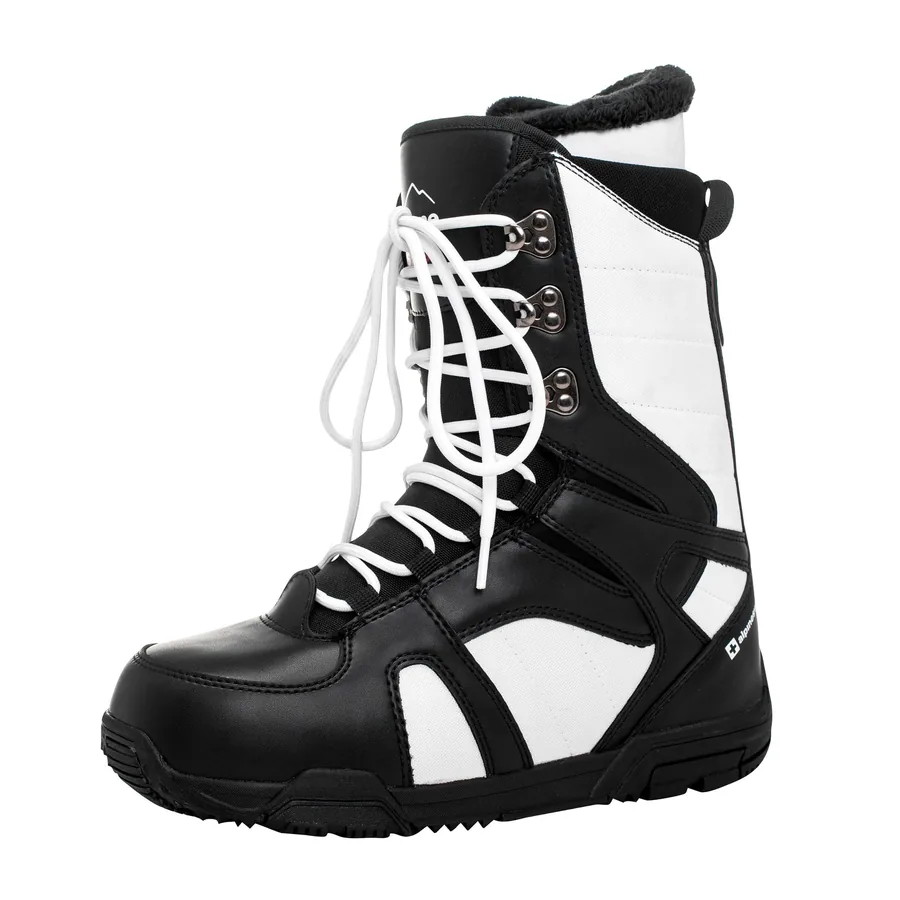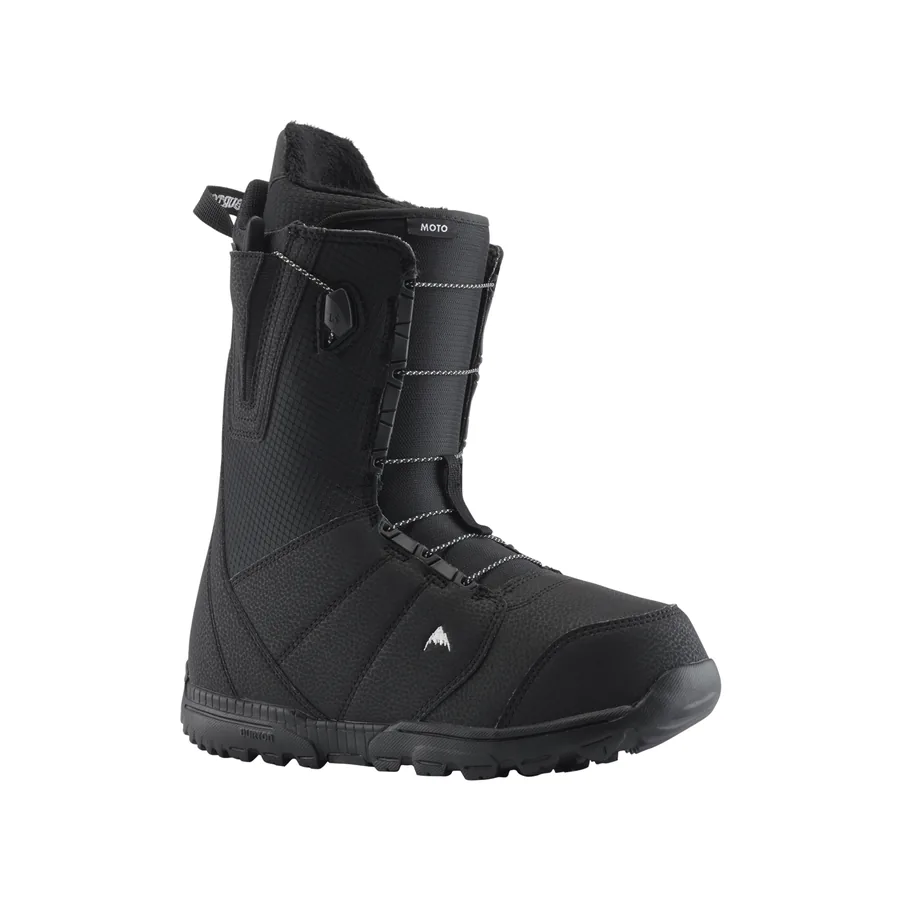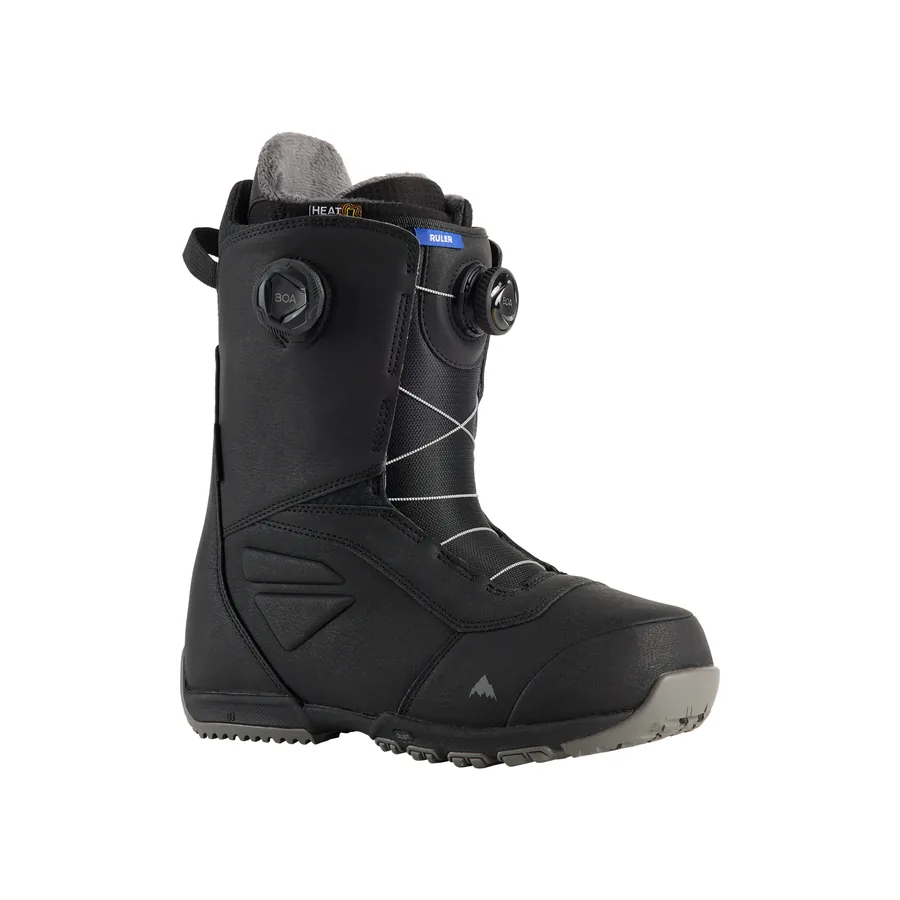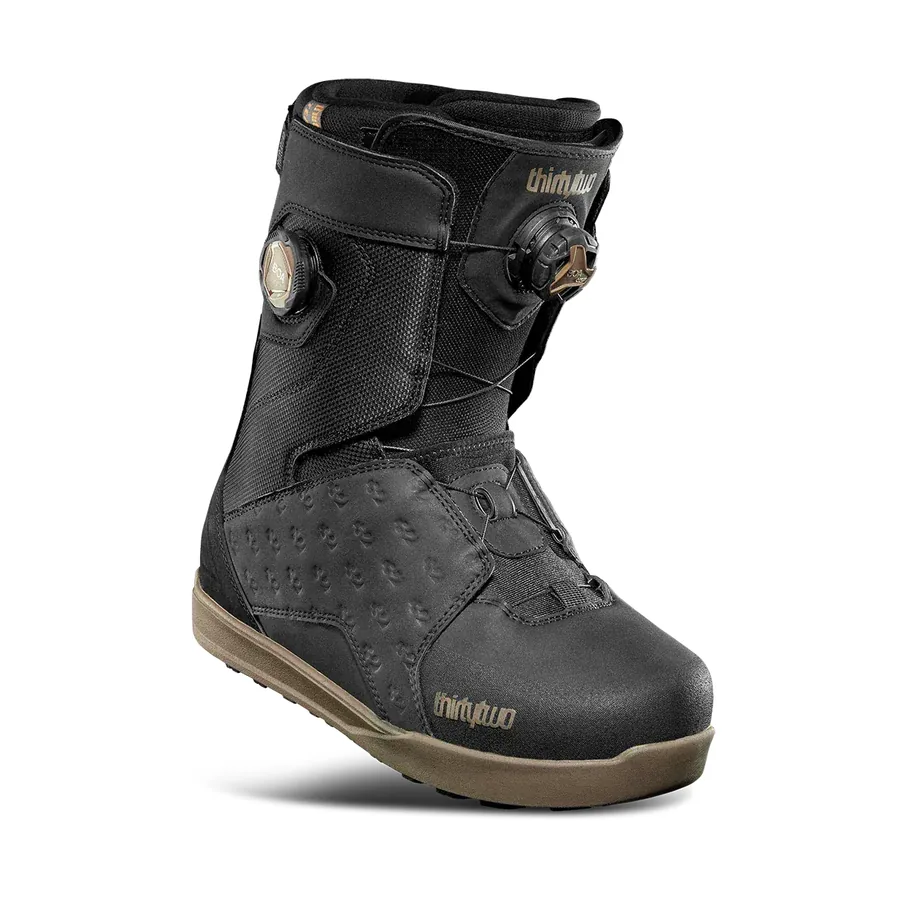
The best cheap snowboard boots fit both feet in the socks you ride in and work with the bindings you already own. Start with affordable models in your measured size. Rule out painful or unsupported combinations, then compare the delivered cost and return terms. A lower sticker price cannot fix a loose heel or a crushed toe.
Which cheap snowboard boots are worth trying?
| Catalog model | First use | Tier | What keeps it on the list |
|---|---|---|---|
| System APX | Budget men’s starting point | Budget | Both boots fit when you flex and walk indoors. |
| Alpine Swiss | A second men’s fit candidate | Budget | The boot stays comfortable over your riding socks. |
| K2 Raider BOA | A budget men’s dial option | Budget | You can close and release it without a pressure hotspot. |
| Siren Lux | Budget women’s starting point | Budget | The larger foot stays comfortable while the other heel feels supported. |
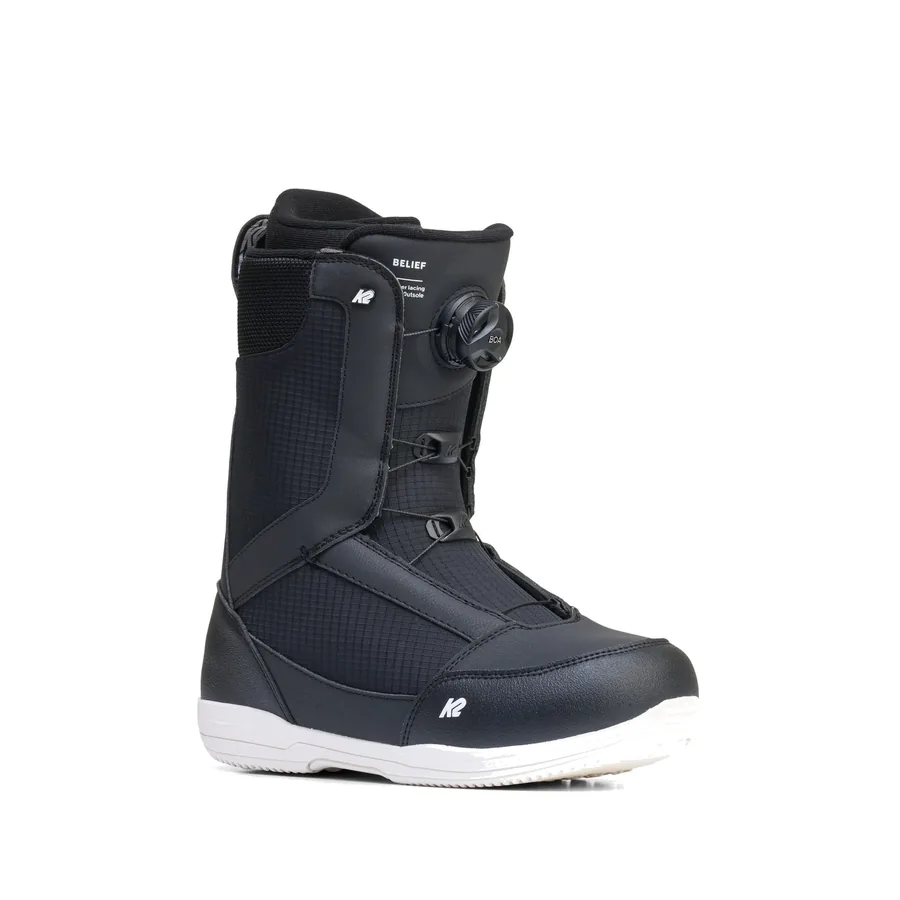
| K2 Belief BOA | A budget women’s dial option | Budget | The fit and closure work for the kit you will use. |
Begin in the snowboard boots catalog and choose candidates that can be tried without risking the trip deadline. These tiers are catalog classifications, not current prices. Buy the boot shape that works. If the correct shape costs a little more, recover the difference elsewhere rather than trying to fix a poor fit with socks or hardware.
How do you measure and try a discount pair?
Measure both feet in millimeters using the exact model’s sizing instructions. Suppose one measures 263 mm and the other 269 mm. Those are 26.3 and 26.9 cm, a 6 mm difference in this worked example. Record both before deciding which sizes to order. The longer foot needs room during normal flexing. The smaller one still needs secure support instead of being left to slide as you move.
Wear 1 pair of the snowboard socks you plan to use. Put on both boots and secure them as directed. Start with 5 supported flexes on a stable floor, then walk indoors for about 5 minutes and do 5 more. These are repeatable trial counts, not fitting tolerances. Note where pressure appears and whether the heel rises repeatedly when you flex. If a sharp pressure point appears every time, try the next eligible size or another model rather than assuming a discounted boot will improve after enough riding.
Use the snowboard boots guide to separate a local fit problem from a decision about the whole setup. Do not try a thin sock on one boot and a thick sock on the other when you want to evaluate sizes. Keep the same socks, room and trial steps for both candidates.
How do you calculate the real price of a cheap pair?
Use a 100-unit example budget. An offer of 58 units plus 9 in delivery totals 67. If a different size requires a 15-unit return and another 9-unit shipment without a delivery refund, the route totals 91 before any other costs. A second offer at 76 units delivered with a free size exchange may cost less in that scenario. These figures illustrate return math, not actual prices. Read the seller’s terms before relying on any particular exchange assumption.
Use your actual bindings after the fit trial. Identify the binding model, size and supported boot interface. If the cheap boots require a different binding, add that part to the same cost line. A pair at 60 units plus 45 units in required equipment does not fit a 100-unit example budget. Avoid losing a working setup to a discount that applies to only one piece.
When do used boots make sense?
Ask for the exact model, size and clear photos of the liner, outsole and closure. If you can try the pair, wear your regular socks and repeat the same fit routine you would do with new boots. A deep crease or worn liner may mean a boot behaves differently from another pair with the same label. Operate the closure on both boots and make sure it works as directed. Count any known repair or missing hardware before treating the listed amount as the actual cost.
If you cannot try the pair and there is no usable return route, reserve it only for a fit you can establish with confidence. An unknown pair bought right before a booked trip has a second cost if you must replace it immediately. Price a familiar new or returnable budget option alongside it.
What should make you stop shopping?
Stop when two conditions hold: the boot passes the indoor fit trial and the exact binding system supports it. If two candidates satisfy both conditions, take the lower delivered total with the return terms you can actually use. If the cheapest pair fails either condition, cross it out. Write down the model, size and socks of the winning pair so you can reproduce the fit on the next trip instead of returning to shoe size as the only clue.
How do you narrow clearance options without buying several pairs at once?
Make a list of 3 candidates with their exact size bands, price after delivery and last usable date for an exchange. Remove any listing that supplies only a model family when the version affects the fit or boot interface. If two models still look similar, prioritize the candidate you can try before your first ride or that has a return policy you can actually use. An uncertain fit does not become certain because the seller has only 1 pair left.
Measure the advantages of owning a known fit against the number of days you expect to ride. A cheap pair that stays in the closet after a painful morning provides little value. If your trip is close and nothing returnable fits, arranging rentals for that trip is a better choice than buying a size you cannot use. Resume the purchase afterward with clearer notes from the boots that did fit. When a shop offers a future sale, take your recorded model, size and both foot measurements rather than reopening the entire search.