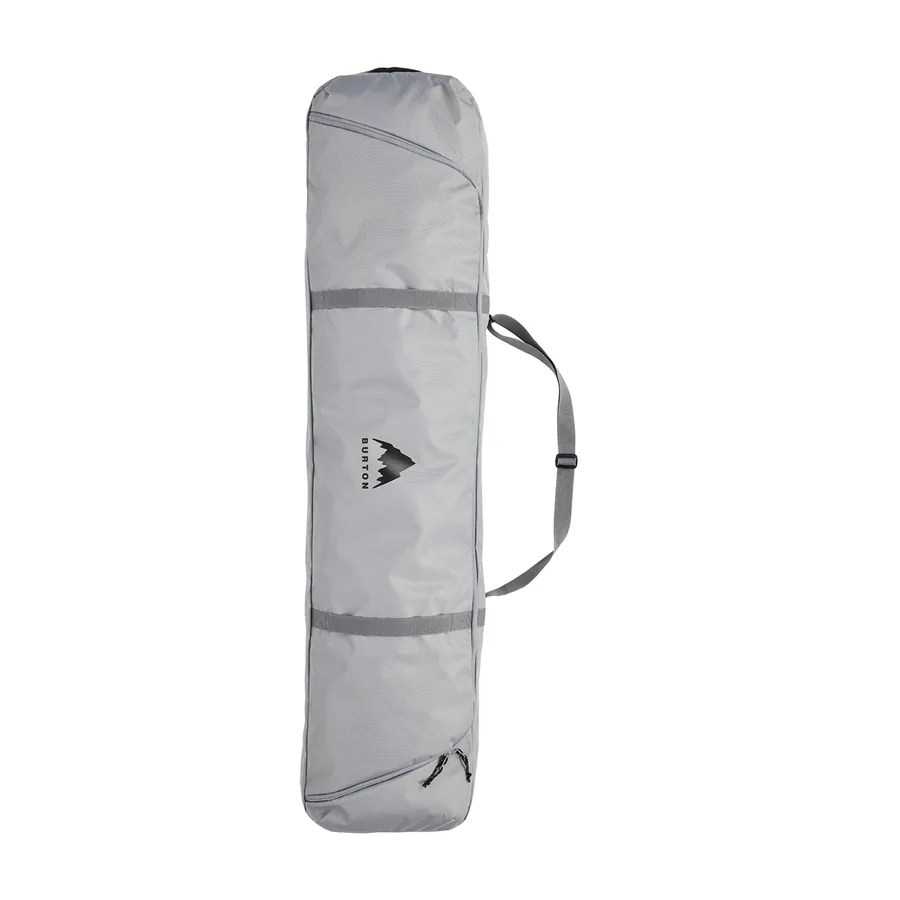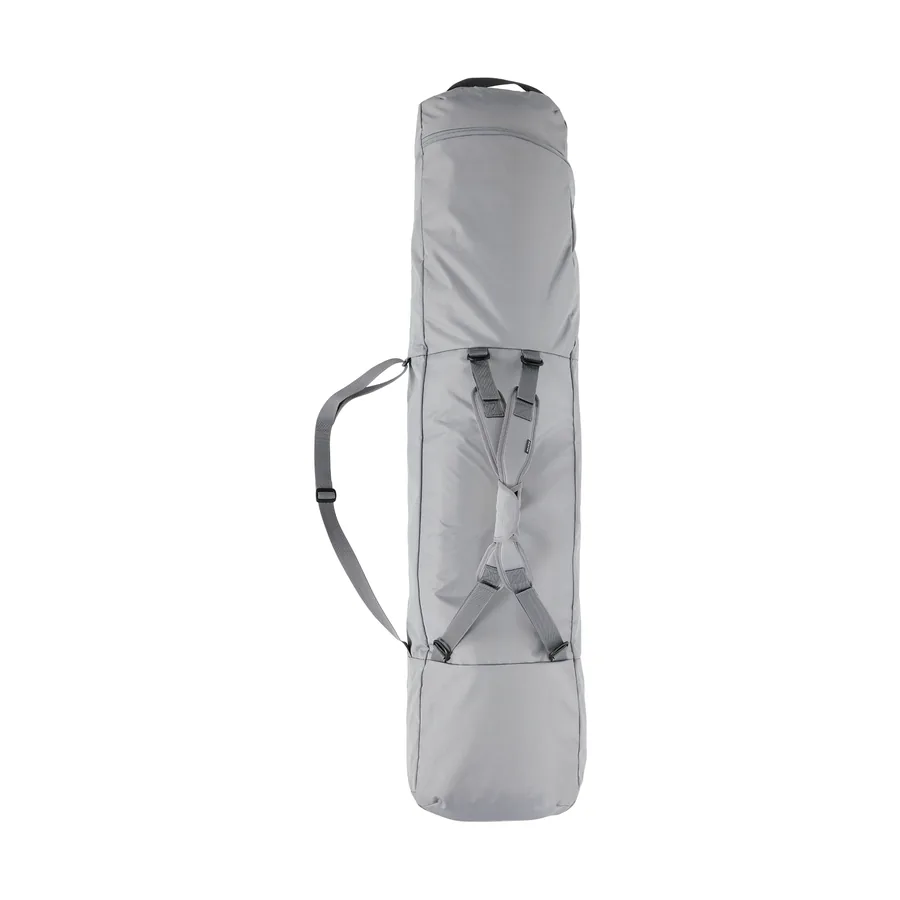
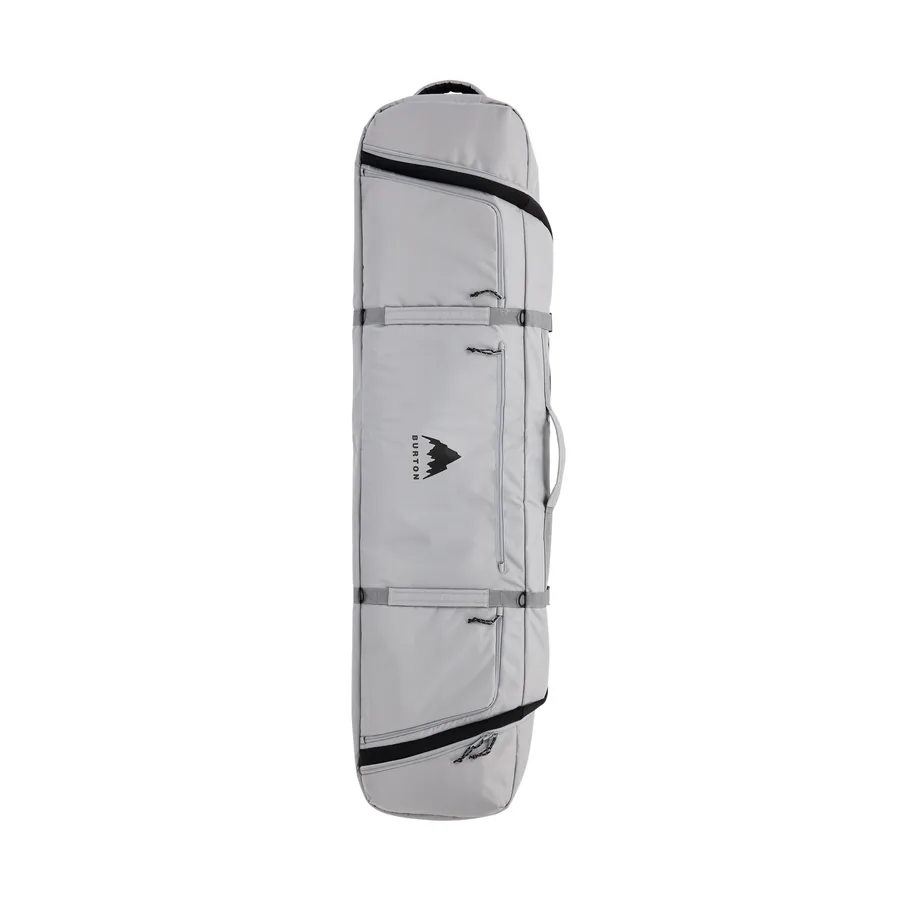
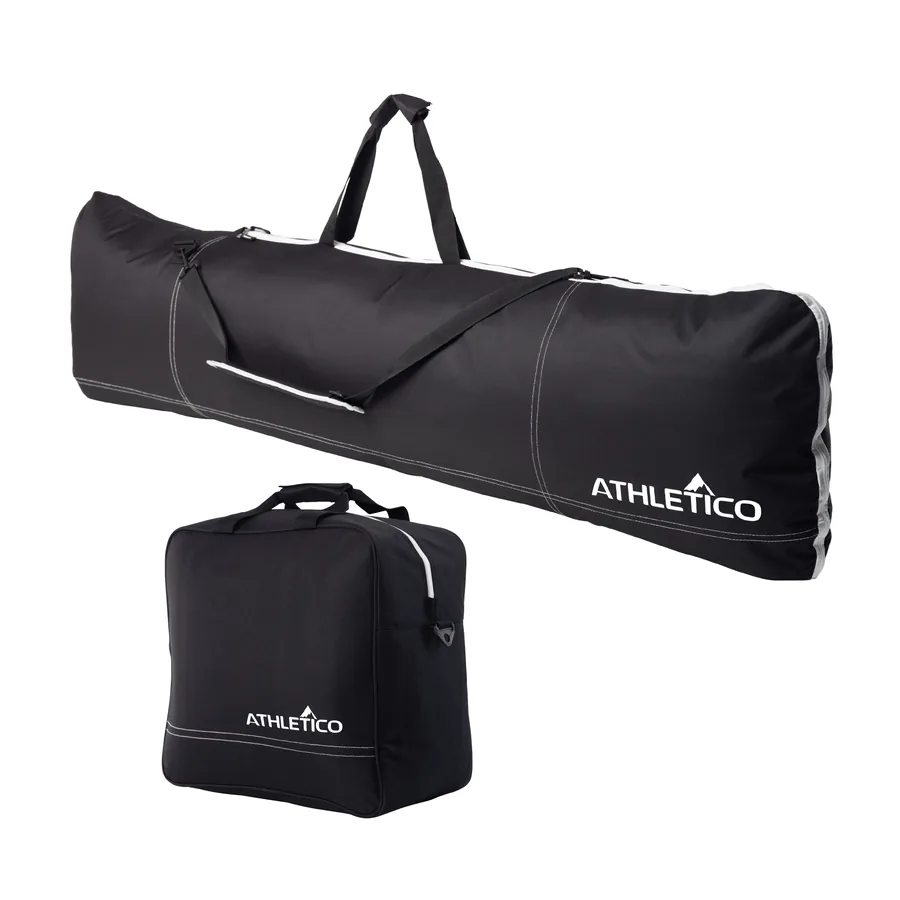
The best travel snowboard bag for flying fits your longest board, protects the ends and closes inside your booked baggage allowance. Choose a padded roller if you expect long terminal walks or transfers. For a short drive or shuttle ride, a lighter bag can leave more weight for the gear itself.
Which best travel snowboard bag fits your trip?
| Catalog model | Best for | Practical difference | Trade-off |
|---|---|---|---|
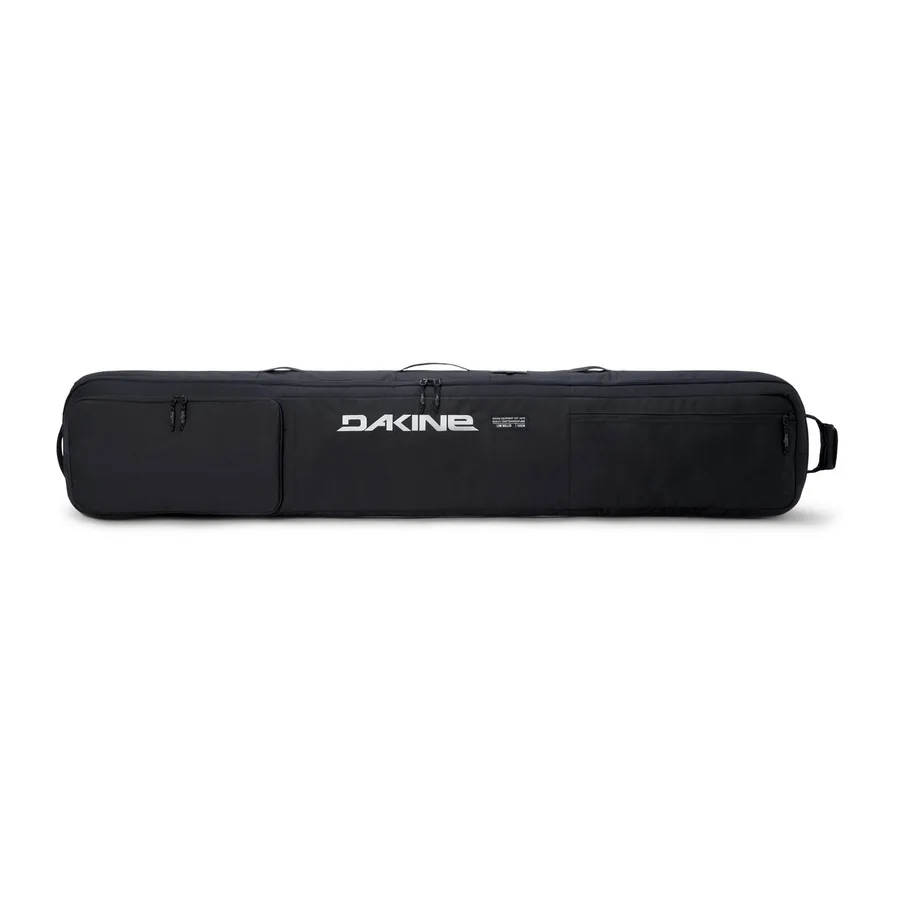
| Dakine Low Roller | A resort trip with long terminal walks | Roller format for moving the loaded bag on flat ground | Account for empty bag weight before adding spare gear. |
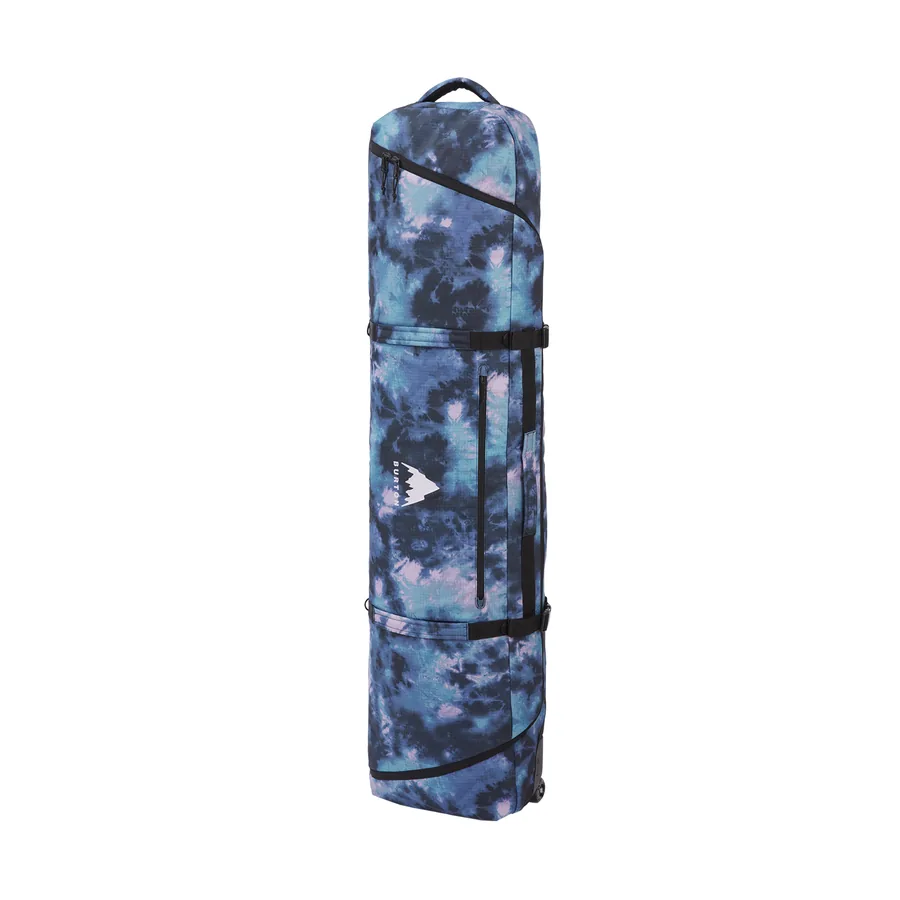
| Burton Wheelie Gig Board | A second wheeled option for an airport transfer | Lets you compare how the packed load handles between terminals | Try lifting it with the whole kit inside. |
| Burton Wheelie Flight Attendant | Riders comparing another wheeled travel fit | A separate option for measuring length and loaded dimensions | Pick the size using your longest board, not the name. |
| Athletico Padded Two-Piece Snowboard and Boot | Splitting board and boots into separate pieces | Useful if you prefer organizing the two items separately | The carrier may count the pieces under different rules. |
| Burton Space Sack | A lighter-duty option for simpler transport | A bag to compare when the trip involves fewer transfers | For repeated handling, prioritize sufficient protection around the ends. |
This guide focuses on the packed trip, including dimensions, weight and transfers. For the broader choice between protection and bag construction, read the snowboard bag guide. Use our board bag catalog for the current model options.
How much length should you leave inside?
Start with the actual length of your snowboard and the bag maker’s stated board capacity. If your board is 157 cm and a bag is listed for a board up to 160 cm, the nominal margin is just 3 cm. That can be perfectly workable with one slim load. If you need extra protection at both ends or usually travel with another board, trial-pack your setup instead of sizing off that number alone. In another example, a 162 cm board leaves 3 cm inside a bag listed for 165 cm, but the packed exterior can still grow taller once the bindings are inside.
Length is only one dimension. Lay the board flat with bindings in their travel position. Put everything in the bag, close it without forcing the zipper, then measure the exterior from the widest points. If your itinerary uses total dimensions, add those outside measurements, including protruding components if the carrier requires them. For example, 166 + 35 + 20 cm equals 221 cm of total dimensions. That total is an example, not a carrier limit. Use the published rule for your booking.
How much can you put in before it becomes too heavy?
Build the weight allowance from the ticket. Here’s an example for an allowance of 23 kg, about 50.7 lb:
| Packed item | Example weight |
|---|---|
| Empty travel bag | 3.2 kg |
| Board and bindings | 5.5 kg |
| Boots | 2.4 kg |
| Clothing and padding | 3.8 kg |
| Total | 14.9 kg |
| Remaining under the example limit | 8.1 kg |
These weights illustrate the calculation. Weigh your own setup and leave spare room for what changes on the return, including damp clothing or extra items. If your ticket instead gives 20 kg, the same example leaves 5.1 kg. If the carrier counts a separate boot bag with the board, weigh both together as well as separately so you can use whichever measurement the booking requires.
What keeps the board protected on a transfer?
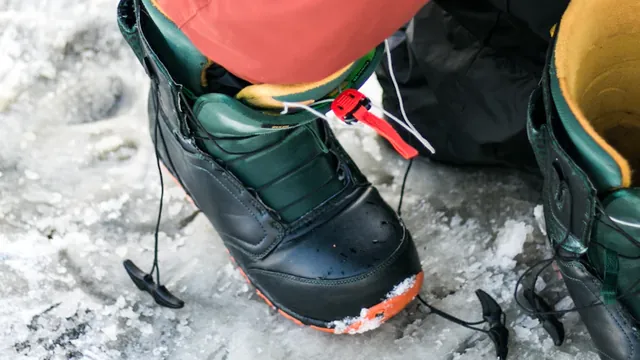
Use the bag’s intended tie-down points and keep hard accessories from moving against the deck or steel edges. Pad the board ends without forcing the closure. Use a separate compartment or pouch for tools. If you add clothing for padding, pack it dry and arrange it so the board can’t shift as soon as the bag is upright. Your boots are also bulky and awkward when loose, so secure them against movement or pack them separately if that is better for your itinerary.
Before the trip, pull the bag across a flat surface and lift it once with the handles you expect to use. Notice whether the far end drops, the wheel end catches, or the straps hang into your path. A bag that rolls easily can still be awkward on stairs. If the airport shuttle involves several steps, build a load you can manage while holding the other luggage rather than making the bag as heavy as the allowance permits.
What should you record before leaving?
Write down the outer length, width and height, the loaded weight, and whether your case has a separate boot piece. Store the operating carrier’s instructions with your booking. On the way home, repack the board first, reweigh the load and move any added items if required. If you can carry the packed case through your planned transfers and it meets the conditions for your ticket, you have solved the two problems that make a travel snowboard bag worthwhile.
When is a separate boot bag worth the second piece?
Plan the transfers before trying to fit the boots into the big case. If you have several transfers and are already carrying a suitcase, keeping the boots inside the board bag can reduce the number of items you handle. If the loaded board bag is difficult to lift or close, separating the boots can help, provided your booking treats the second piece the way you expect. The answer can be different on the outbound and return legs if the operating carriers differ.
Do one packing trial in each configuration. Set both bags on your scale and write down the actual weights. Put the gloves, goggles and small tools where you’ll want them after arrival. If the boots remain inside the board bag, arrange them so they do not create a bulge that makes it hard to lift the bag or places pressure on the bindings. If you separate them, keep the board securely padded even though the contents that used to fill the space are elsewhere. Choose the setup that passes the handling trial without needing to rearrange it at the counter.