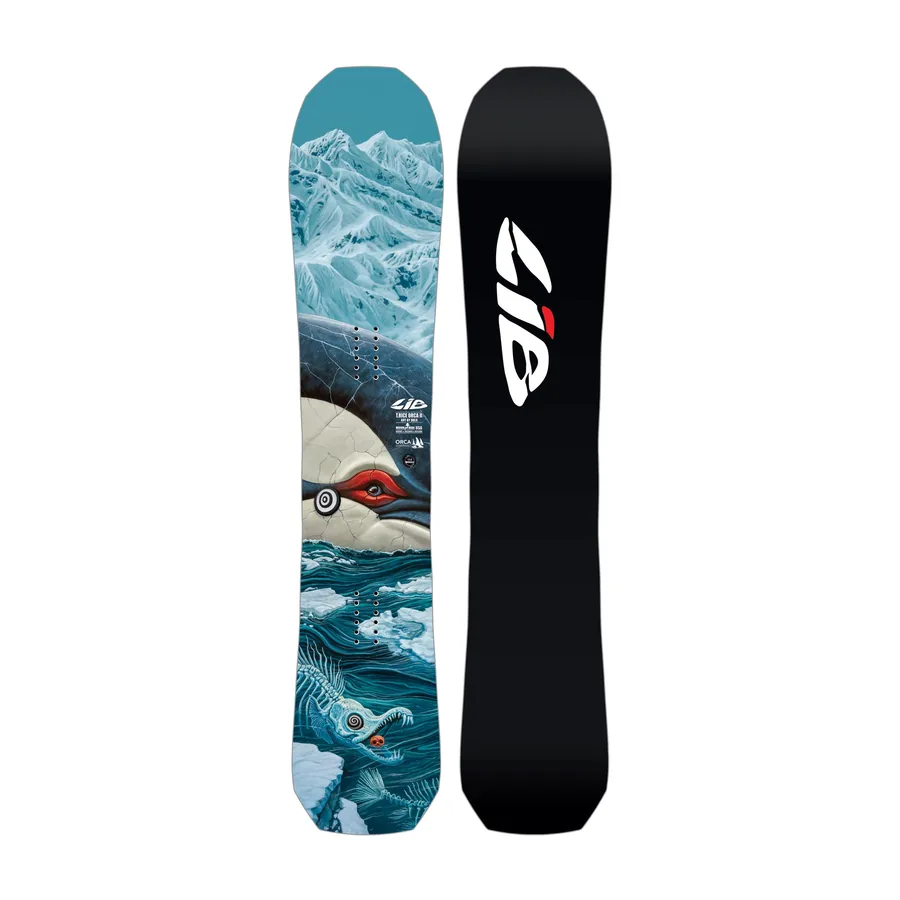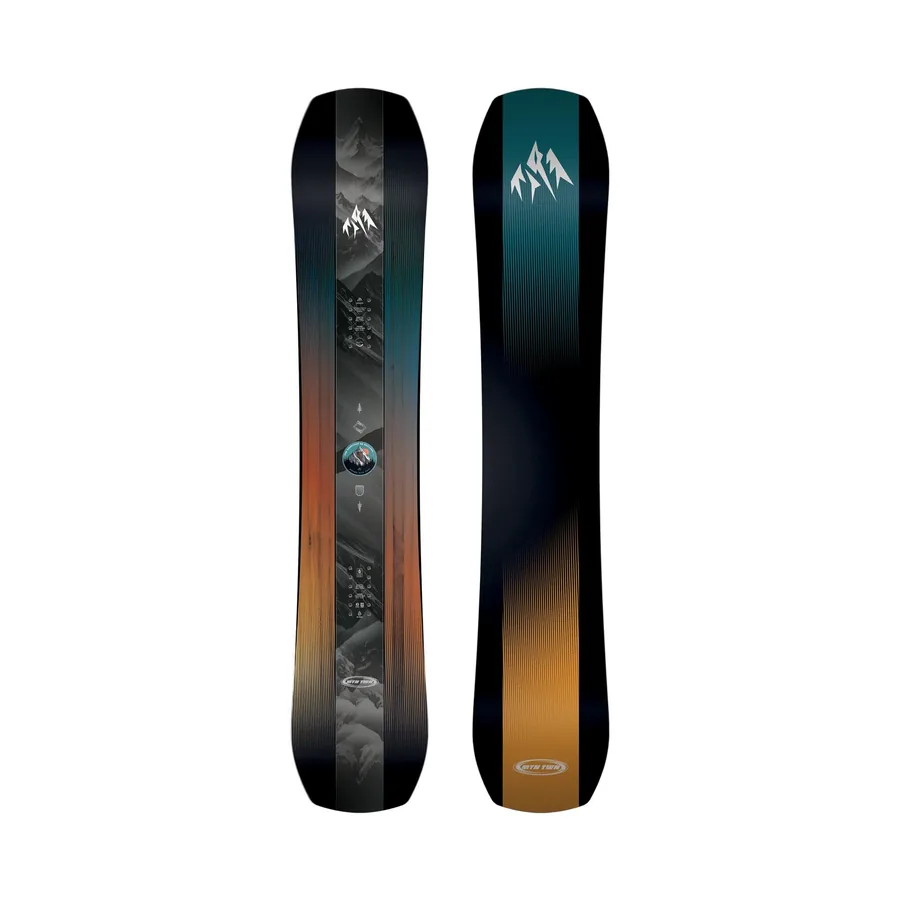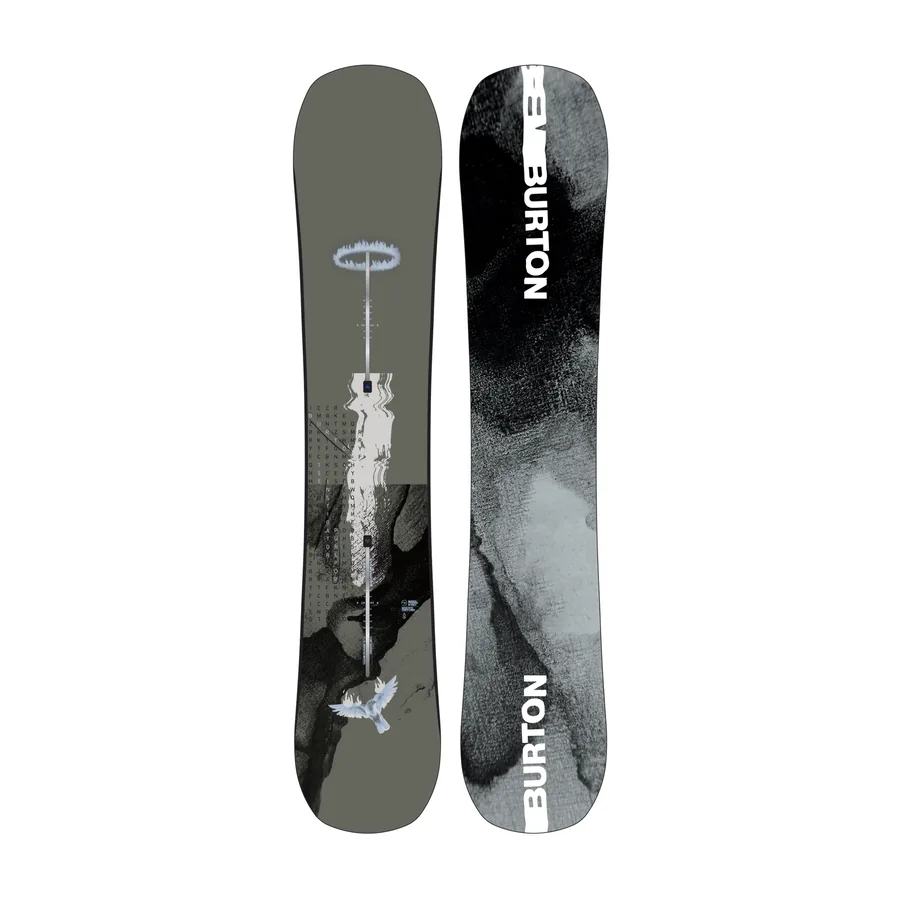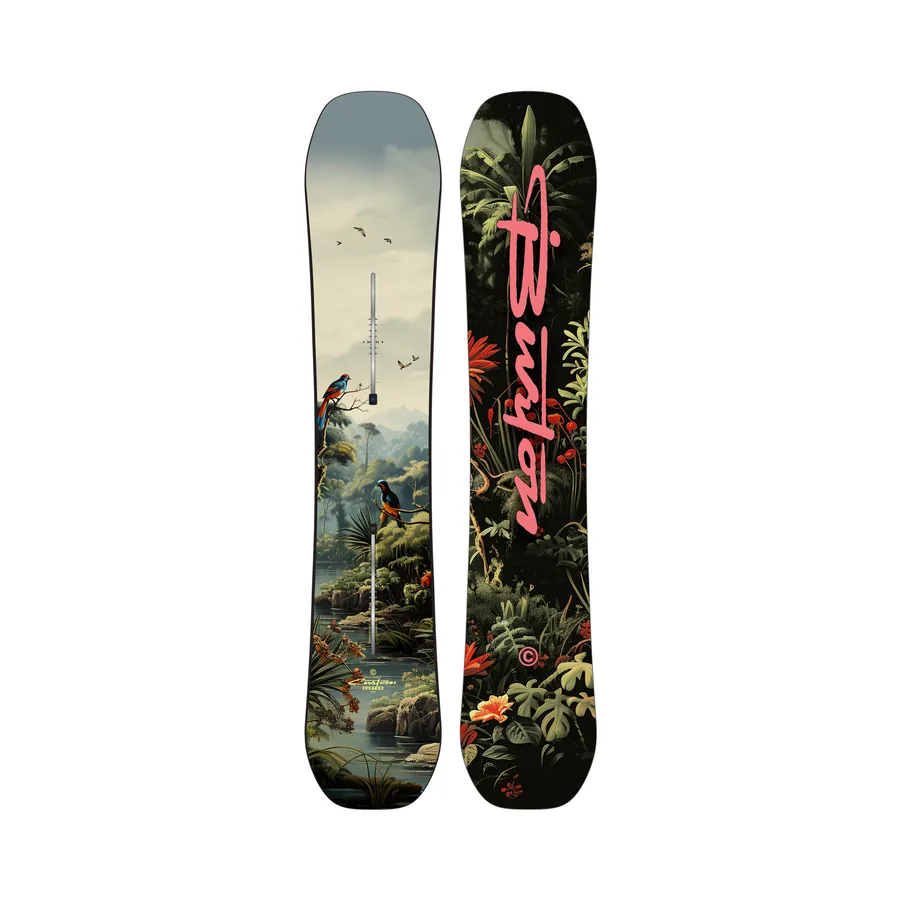
The best directional snowboard matches the terrain you ride forward most often and still fits your weight and boots. Start with a directional all-mountain option if your day begins on groomers and reaches natural terrain. Choose a dedicated freeride model when the natural-terrain role is clear rather than buying for the label alone.
Which directional snowboard lines should you shortlist?
| Catalog model | First use | Tier | Decision before ordering |
|---|---|---|---|
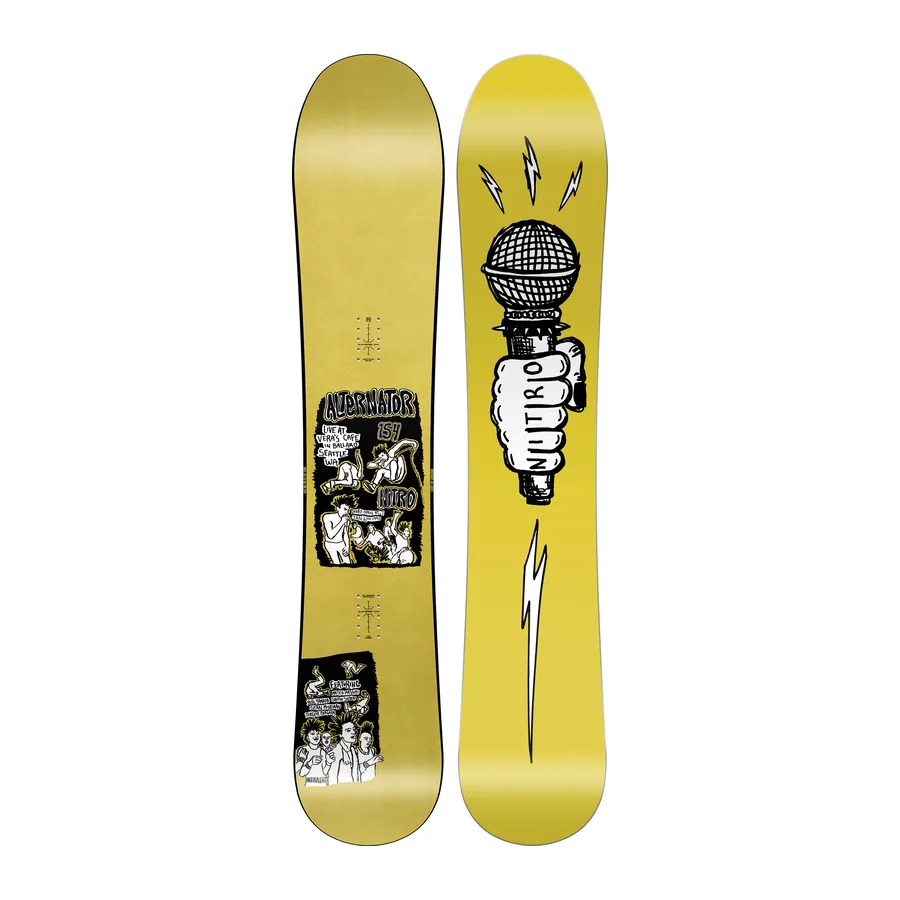
| Nitro Alternator Directional | Intermediate all-mountain riding | Premium | Keep the model only if the exact length suits your rider weight and boot fit. |
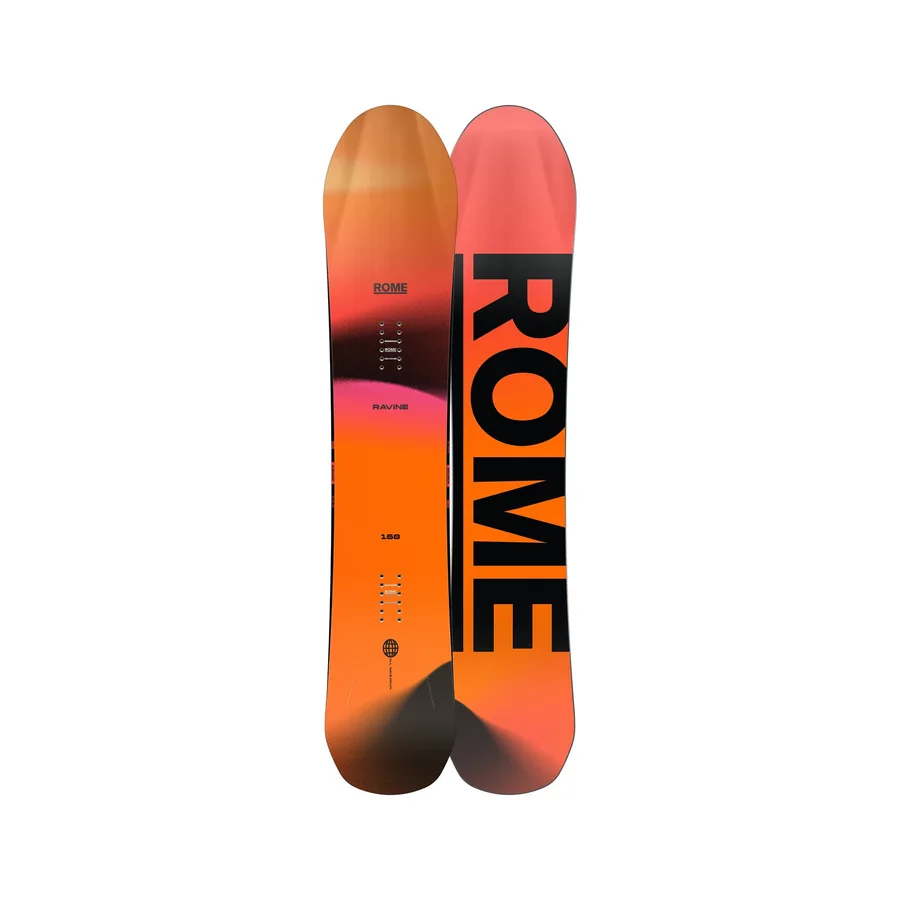
| Rome Ravine Directional | Advanced powder-freeride shopping | Premium | Define which frequent natural-terrain runs this setup should serve. |
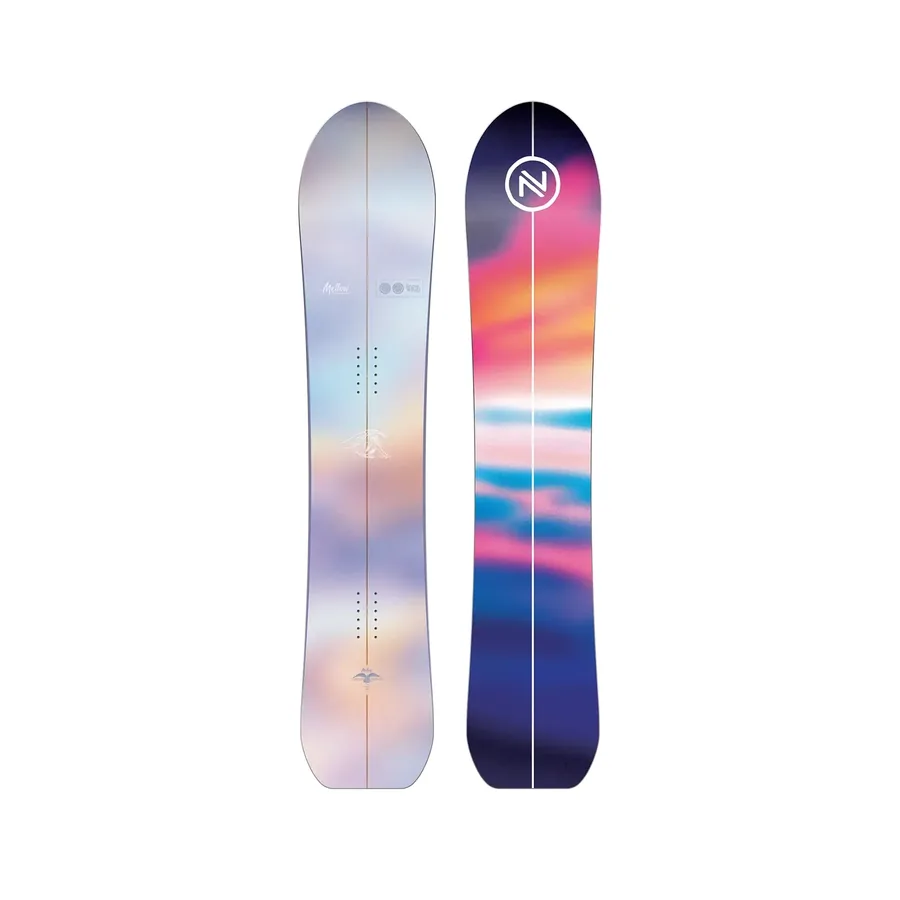
| Nidecker Mellow Directional | Intermediate powder-freeride shopping | Premium | Establish whether it fills a usable role next to your existing board. |
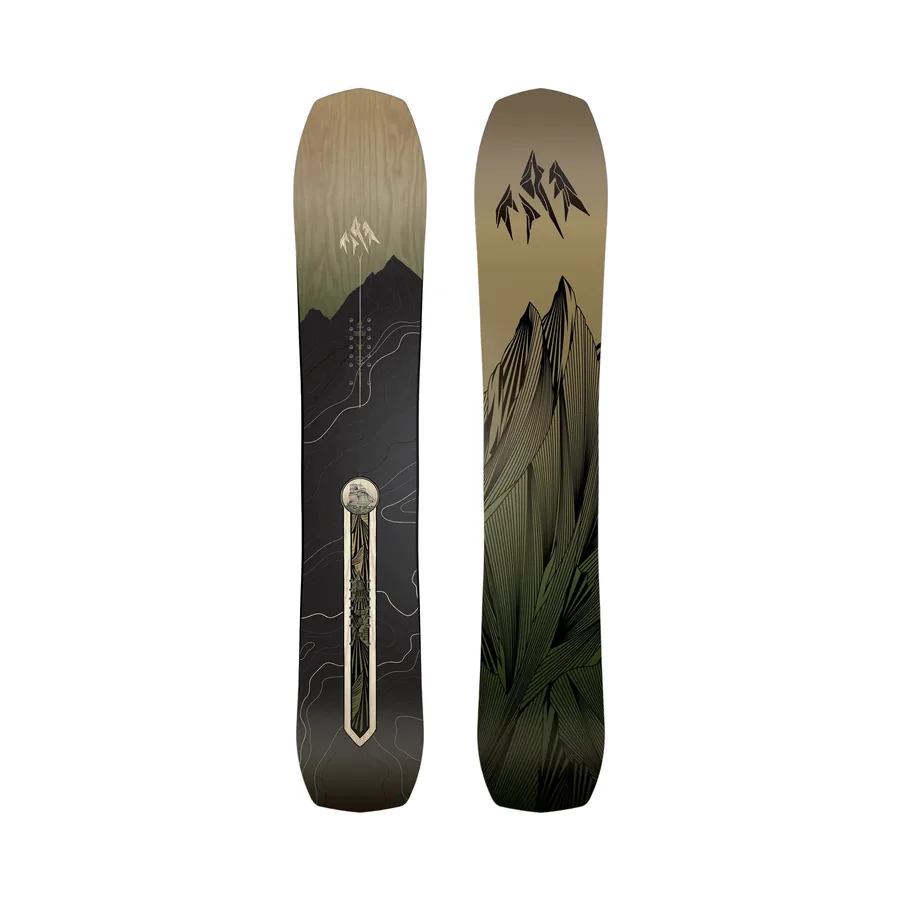
| JONES Flagship | Riders with a natural-terrain priority | Budget | Verify that the exact version’s shape, size and mount support the role you want. |
| Lib Tech Orca | An advanced powder-freeride candidate | Premium | Use the exact model chart rather than substituting your usual length. |
Browse all-mountain snowboards and powder and freeride snowboards for the roles you are comparing. The table uses catalog tiers and intended uses; it does not claim a common shape, construction or setback across the models. If a listing uses the word directional without describing the exact version, get the missing details before using it as the deciding feature.
How much of your day do you actually ride forward?
Take the last 10 ordinary runs you rode and label them by the kind of riding you did. An example log might have 7 forward groomed or natural runs, 2 mixed-direction runs and 1 deliberate switch practice run. That example gives a forward-oriented board a clear main role. A second example with 5 switch-heavy runs and 5 forward runs provides a reason to keep a more balanced option on the list. These are shopping exercises, not prescriptions for what you should ride.
If you want one board, design for the runs you repeat. If you already have another board that feels good in both directions, a directional candidate can do a more specific job. Identify the conditions where you would choose one setup over the other. If the answer is the same for both, you may be buying another board without a clear use for it.
How do directional and directional twin roles differ for a buyer?
Treat the maker’s shape and stance descriptions as evidence. The marketing word does not tell you how the whole board feels in switch or whether a change will help your regular turn. Ask yourself whether your main goal is natural-terrain use, a mixed resort day or frequent switch practice. Remove a candidate if the specific model does not match the role you want. If you spend much of your time practicing both directions, visit the freestyle boards as a separate starting list rather than expecting a forward-focused board to serve every priority.
When trying two options, keep the same boots and supported binding positions where practical. Ride 2 familiar runs per board in similar conditions, for 4 runs in the example. Record 3 observations: forward turn entry, position on the board through your usual terrain and how the board feels on an appropriate switch segment. These are notes you can use yourself, not a product test score. If the snow changes between runs, avoid overinterpreting the result.
What goes into the fit worksheet?
Start with rider weight and the exact length ranges from the manufacturer’s chart. A working example: a 165 lb rider weighs about 74.8 kg; a hypothetical 151 cm board listed for 120–155 lb drops out, while a 154 cm board listed for 145–175 lb and a 157 cm board listed for 155–190 lb stay on the shortlist. These are invented ranges to explain elimination, not figures for the boards listed above. The snowboard size chart guide explains the broader fitting process.
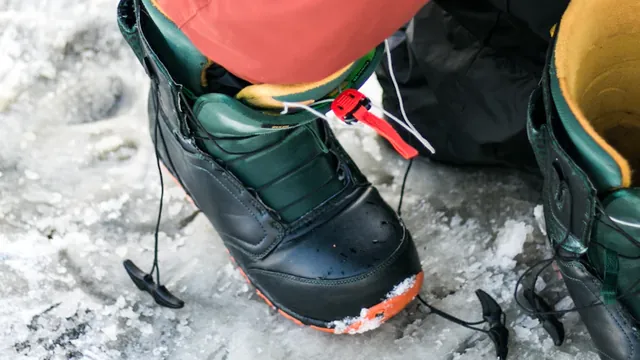
Fit the actual snowboard boots in their supported bindings and use the documented stance positions. Record the two angles and measure toe and heel extension at each mount. Do not assume a preferred forward direction establishes width or lets you skip the rear foot. If the shorter eligible choice works at both feet and the longer one does not, solve actual fit first. Directional shape is not a reason to accept a combination outside the equipment maker’s guidance.
Which choice should win a close comparison?
Choose the board with a clearer job in your riding and a supported fit you can reproduce. If both are suitable for your daily runs, keep the one that works with more of the equipment you already own. If the reason you want a directional board is a specific natural-terrain problem, write that reason down and assess it in similar conditions when you can. If there is no consistent improvement in that role, keep the current setup or narrow to a different intended use before buying.
How do you plan the transition from a twin?
If your current twin fits and works, retain its exact setup as a reference. Write down the board length, boot model, binding position and the way it feels on a normal morning run. When you try a directional board, use supported settings for that model instead of assuming all of your old adjustments transfer over. A useful first trial is a run you know at a comfortable speed. Use the same terrain for another lap only if conditions permit.
Afterward, separate the differences that help your usual riding from those that only feel new. If you ride a natural line forward but spend most resort days with friends on different terrain, choose a board whose everyday use you can identify without reaching for a special trip. A change to a directional board is easier to justify when it fills a clear gap. If you are still trying to decide what is missing, wait until you can repeat the observation on another suitable run. Keep the current board through that trial so an uncertain improvement does not leave you without a known fit.