The best freeride snowboards fit your weight, boots and most frequent natural terrain. Start with the model line that matches your actual riding, then choose a length from that model’s chart. If your regular runs alternate between groomed approaches and variable natural snow, prioritize that mix over the deepest day on your calendar.
Which freeride snowboards belong on the shortlist?
| Model | Best for | Catalog tier | Decision before buying |
|---|---|---|---|
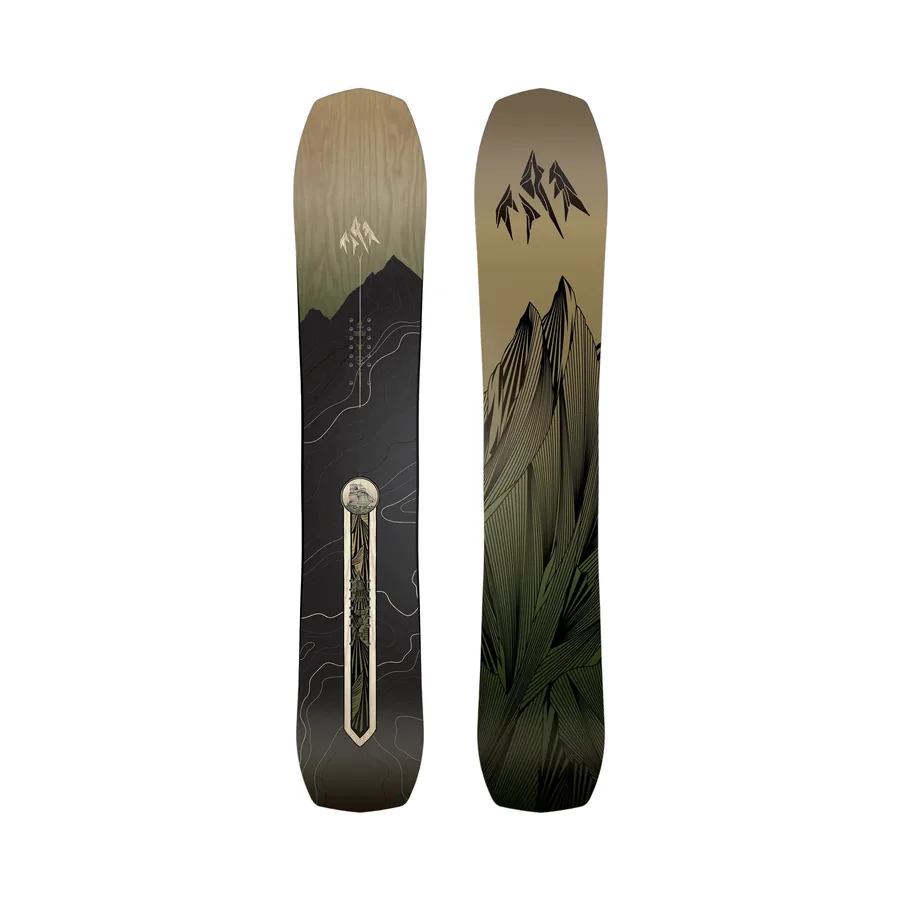
| JONES Flagship | Natural-terrain riders comparing a lower catalog tier | Budget | Select an available length appropriate for your rider weight and boots. |
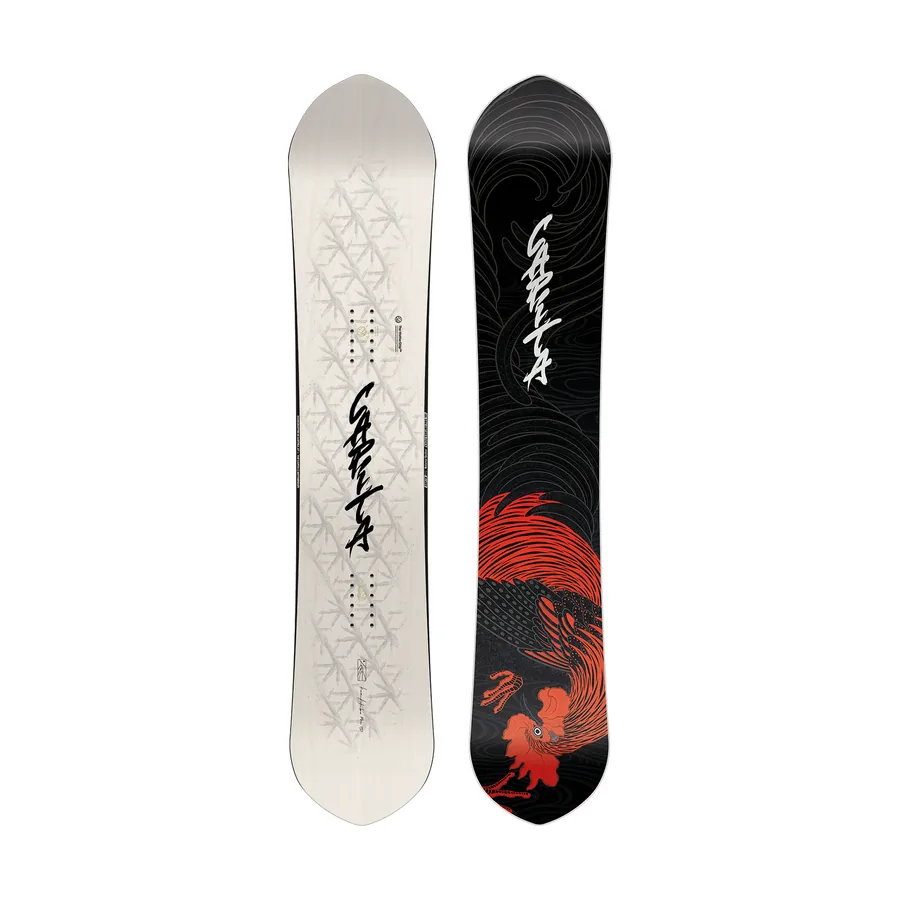
| CAPiTA Kazu Kokubo Pro Freeride | Riders who prioritize natural-resort lines and want a mid-tier option | Mid | Name the run you want this board to handle better than your current setup. |
| CAPiTA Matriarch Freeride | Riders who want a premium option for natural terrain | Premium | Put it beside the mid-tier model only if both offer an eligible size. |
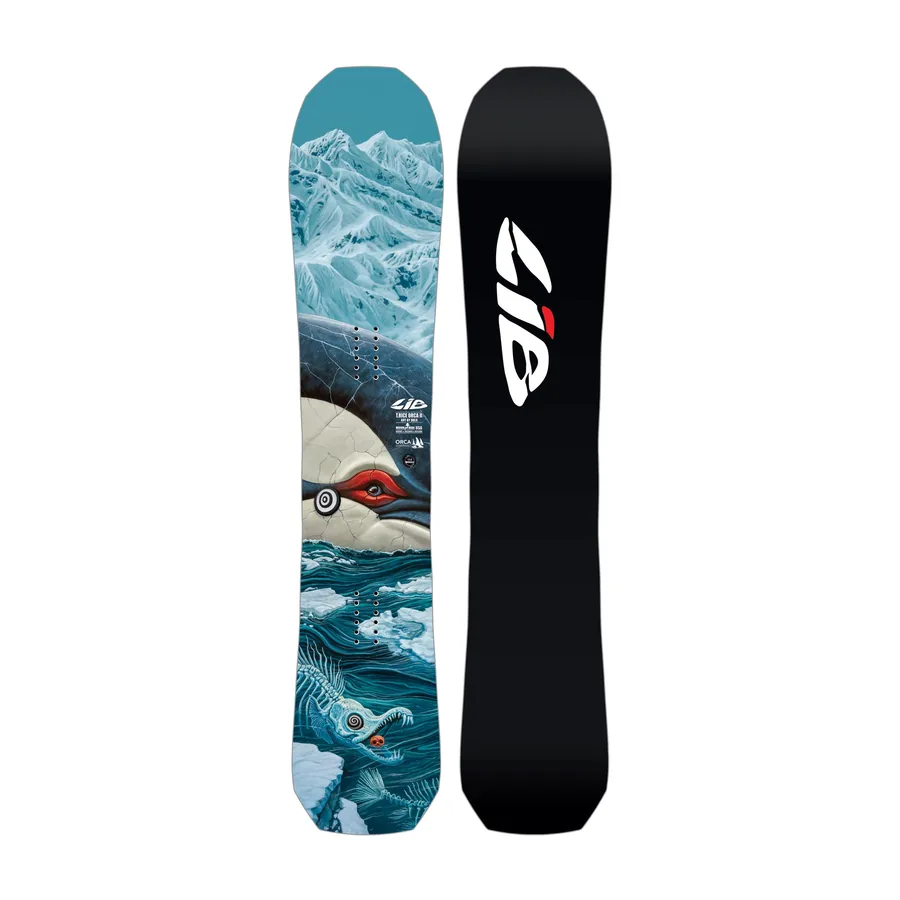
| Lib Tech Orca | Advanced riders shopping the powder-freeride category | Premium | Use the chart for this exact model instead of translating your usual board length. |
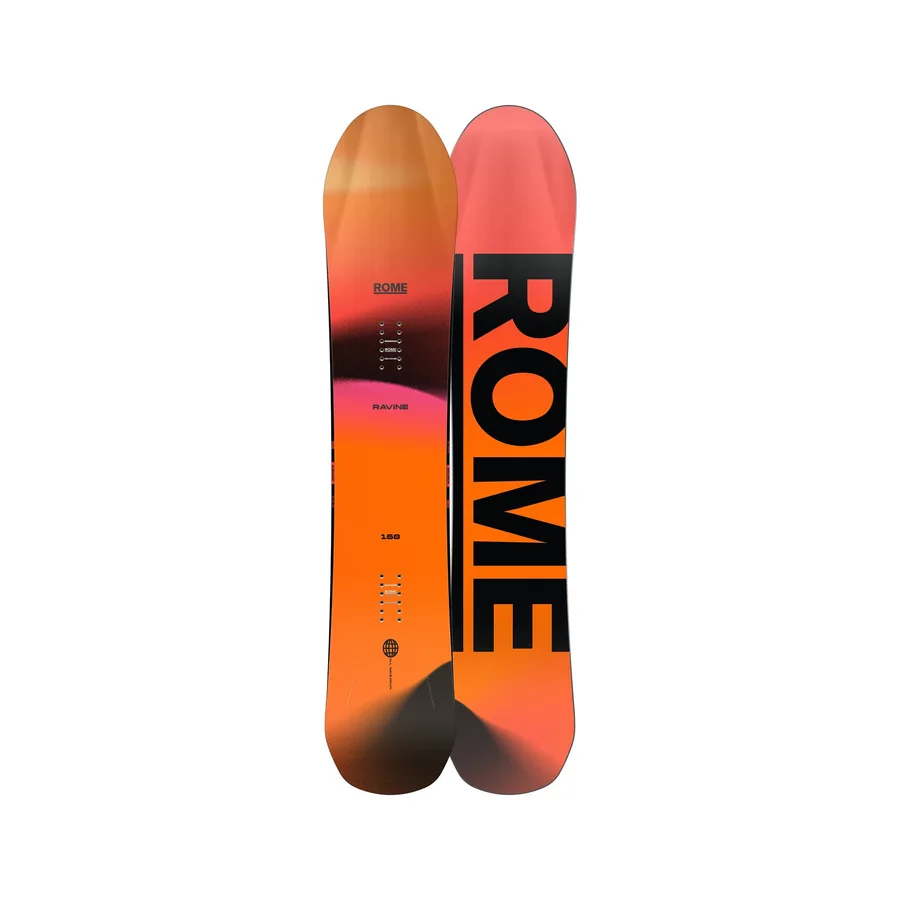
| Rome Ravine Directional | Advanced riders seeking another premium freeride fit | Premium | Keep it shortlisted only if boot fit works at both binding positions. |
| Symbolic Platinum Snowboard Freeride Freestyle Reg | Riders looking for another budget natural-terrain option | Budget | Identify the exact size version and width before placing the order. |
Browse powder and freeride snowboards to find the lengths currently offered. The tier describes catalog positioning, not a live sale price or an independent ride test. For a first board, the beginner snowboards guide offers a more useful starting filter than assuming one of these options will help you learn.
How do you separate a regular freeride day from a powder-only purchase?
Write down the last 10 days you rode and mark the conditions that took up most of each day. In an example log, 6 of those days had mixed natural snow, 3 were mostly groomers, and 1 was a deep day. That is a reason to choose for the mixed 9 days unless you already own a board you prefer for them. A second example with 5 dedicated soft-snow days and 5 ordinary resort days may give a specialized board more real use. These are decision examples, not prescriptions for how often to ride any terrain.
Describe the improvement in one phrase. Try “more composed when the soft snow gets tracked,” “a board I can use on the approach and the natural run,” or “a separate board for the softer days.” If you cannot name the improvement, keep your current setup as the baseline. Save the board’s length, boot and binding angles before looking for the next one.
Which length and width figures belong on the worksheet?
Take your rider weight to the exact model’s manufacturer chart. For an illustrative 170 lb rider, about 77.1 kg, imagine a chart with 152 cm covering 135–165 lb, 155 cm covering 145–180 lb, and 158 cm covering 160–195 lb. That example removes 152 cm and leaves 155 and 158 cm for the boot and terrain decision. Those are hypothetical entries and do not describe any model in the table. Use the snowboard size chart guide to keep the model’s own range and length together.
For a second worked example, imagine a boot that measures 292 mm end to end and a usable board width of 260 mm at that binding reference. Centered at a simplified 0° position, the arithmetic is (292 − 260) ÷ 2 = 16 mm per edge. At 266 mm, it is 13 mm per edge. That does not establish safe clearance. Use the actual projected boot length, stance and board width across the mounting points, and follow the equipment makers’ fit guidance.
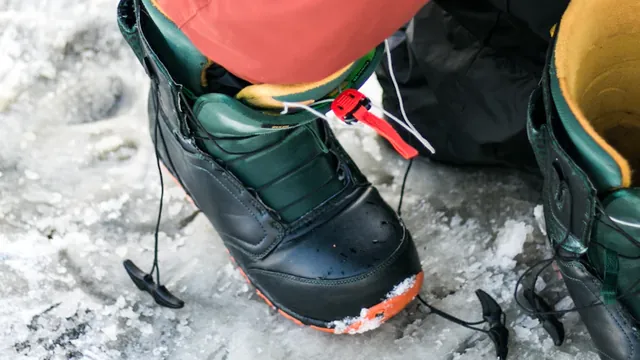
Fit your snowboard boots before locking in width. Use the bindings you actually intend to ride and set each side according to its instructions. The front and rear ends can behave differently once the boots are centered and the angles are set. A waist-width figure is not the whole setup.
What should you do once two setups fit?
Keep the setup you own as a baseline if it still fits and feels predictable. For the contenders, list the reason each earned a spot and what would make you remove it. One may have a better size available. Another may focus more closely on the intended terrain. If both meet the same fit constraints and you cannot articulate a useful difference, select the one with the clearer intended use for your regular riding rather than buying from the more specialized label.
If you can demo the options, ride 2 familiar runs per board under similar conditions, for 4 runs total. Keep the same boots and compatible settings. Record 3 observations after each run: turn entry, how easily you hold the route you chose, and how comfortable you feel through changing snow. If conditions shift between runs, mark those notes as provisional. Good notes let you choose a board based on your priorities instead of a memory of the last run.
When is it better to keep the board you have?
Keep it when the new purchase does not solve a problem you can describe. Say your current board feels awkward late in the day on 1 steep run, but otherwise works across the resort. Before treating that as a board problem, write down when it happened and what changed. You may have hit a different snow surface, changed boots, or simply had less energy than on the first run. If it happens again on several ordinary days, add that pattern to the buying notes. A recurring problem gives you a useful way to evaluate the next setup.
A dedicated freeride board is easier to justify when your existing board and the proposed option have different jobs. For example, you may retain the old board for park laps and search for the next one mainly for natural runs. If you only want to own one setup, keep the usual mixed day at the center of the decision. Choose for the terrain you ride most often in appropriate conditions, and use posted resort guidance when you decide which terrain is open and suitable.