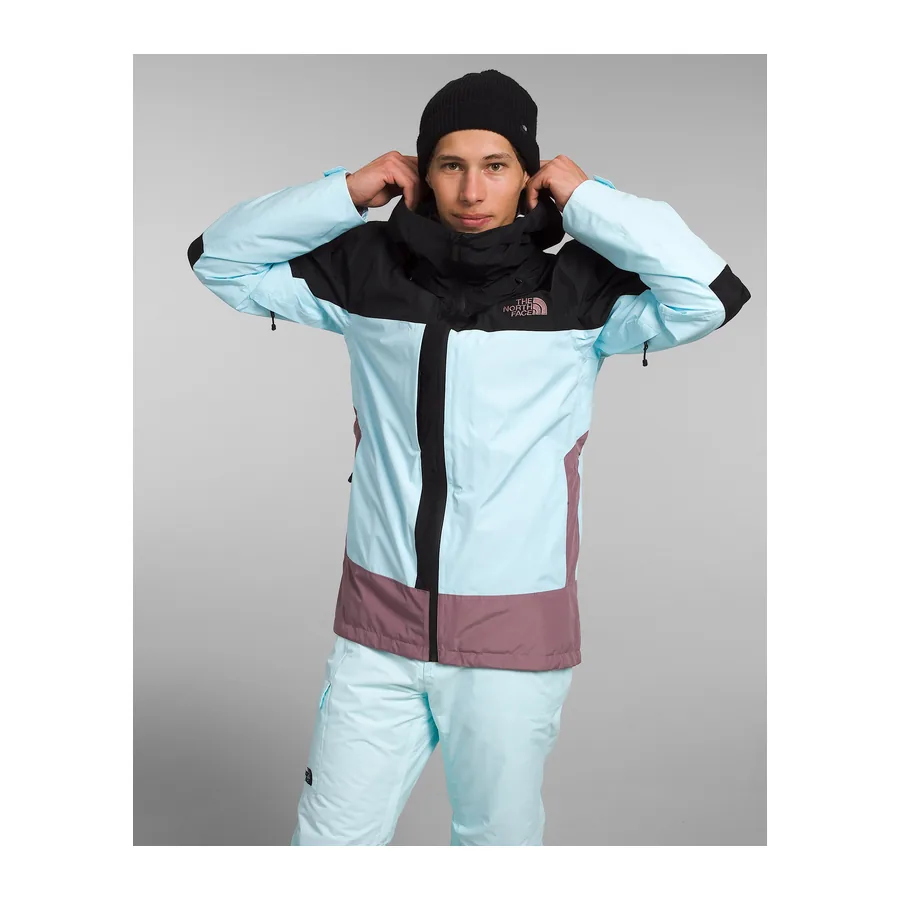

The best men’s ski jacket leaves room across your back when you reach, covers your wrists when you lift your arms, and overlaps your pants when you sit. Start with your chest and shoulder fit over your usual midlayer. Choose insulation for cold lifts or a removable layering system when temperatures swing.
Which men’s ski jackets suit different fit needs?
| Model | Best for | Useful distinction | Trade-off |
|---|---|---|---|
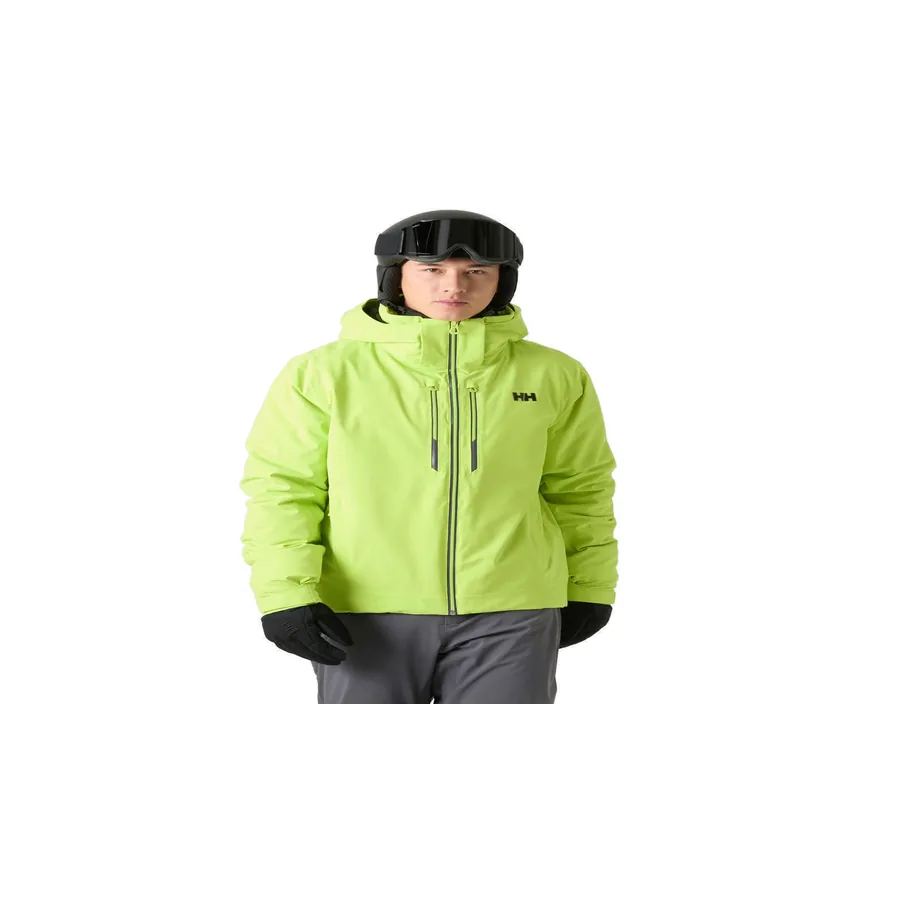
| Helly Hansen Alpha LifaLoft | Riders prioritizing warmth during lift-served days | An insulated option to try with one standard base layer | Less flexibility than a removable liner for big temperature swings |
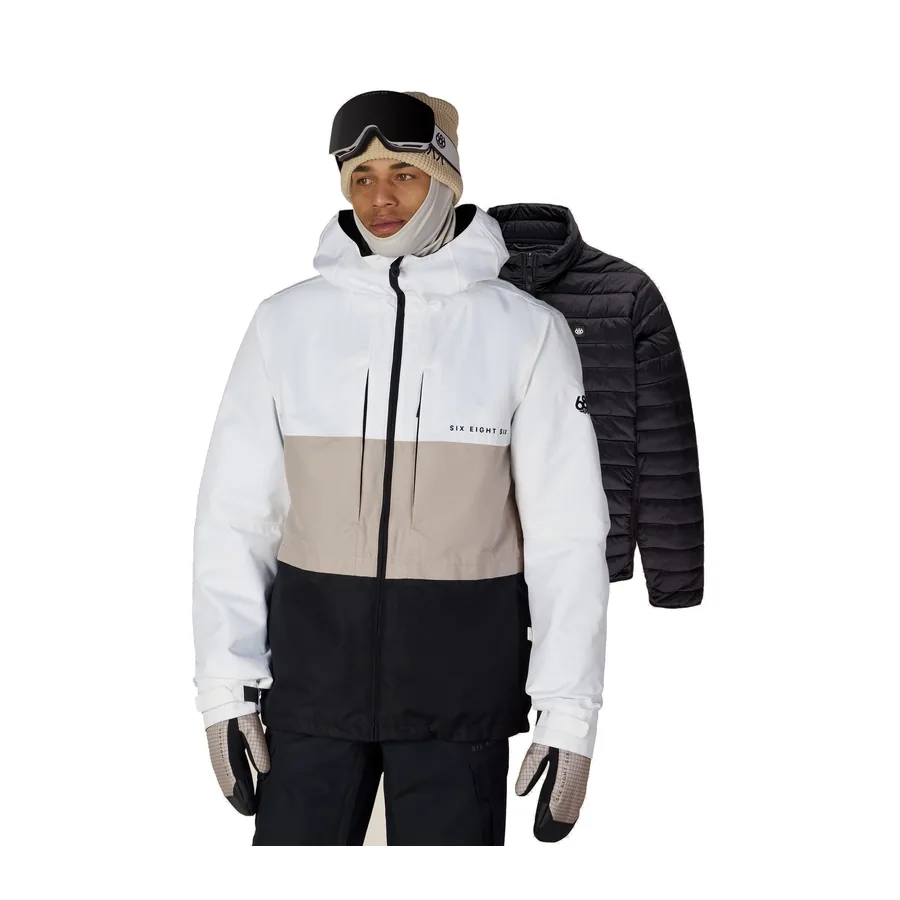
| 686 Smarty 3-in-1 Form | Riders switching between warmer and colder days | Modular setup lets you start with a different layer combination | Wear both pieces for the widest fit test |
| The North Face ThermoBall Eco Snow Triclimate | Riders who want a second modular option | Another outer-and-inner combination to evaluate | Two layers can put more material around the neck and cuffs |
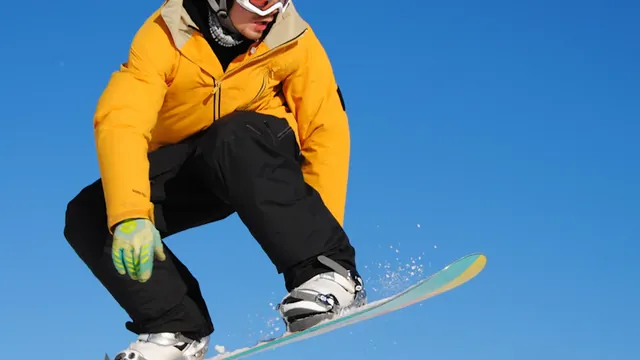
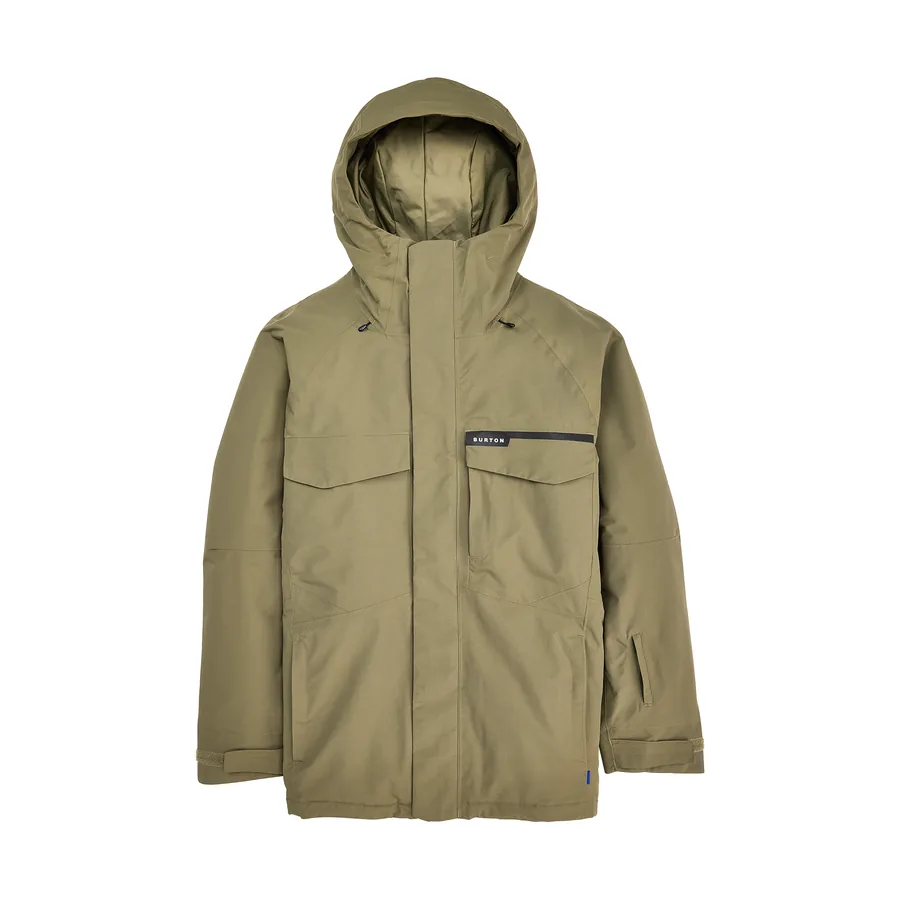
| Burton Covert 2.0 | A skier or snowboarder who prioritizes movement and coverage | A men’s catalog option for the forward reach trial | Use your actual pants to assess the jacket length. |
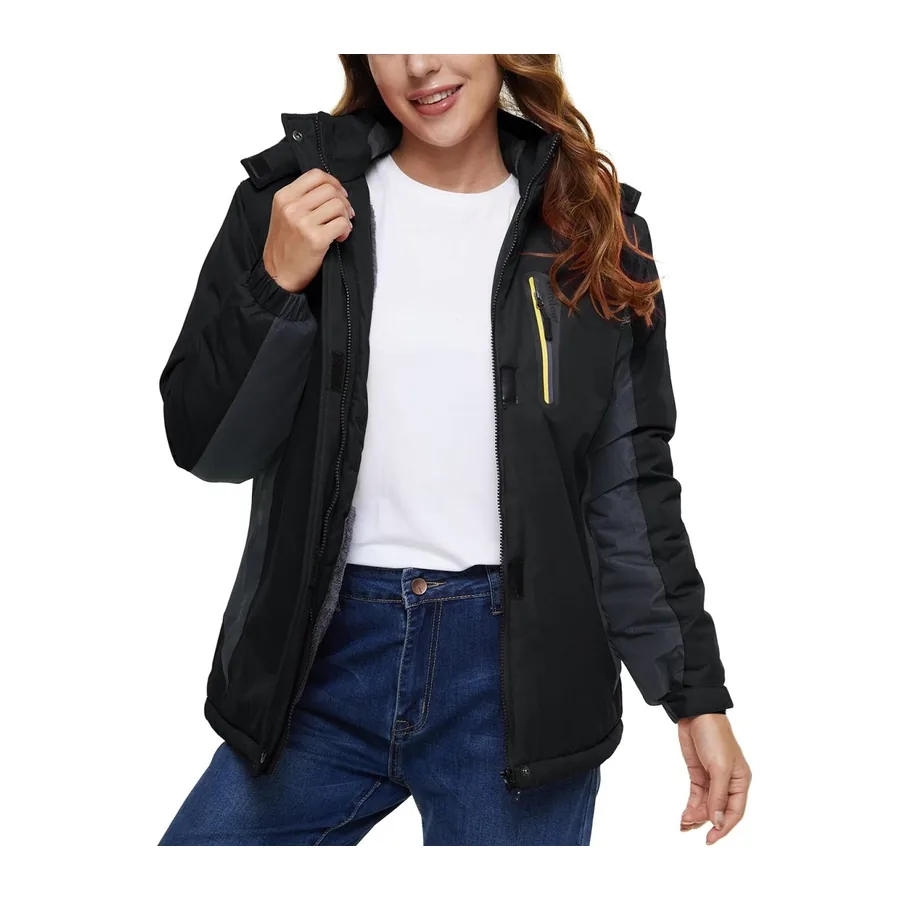
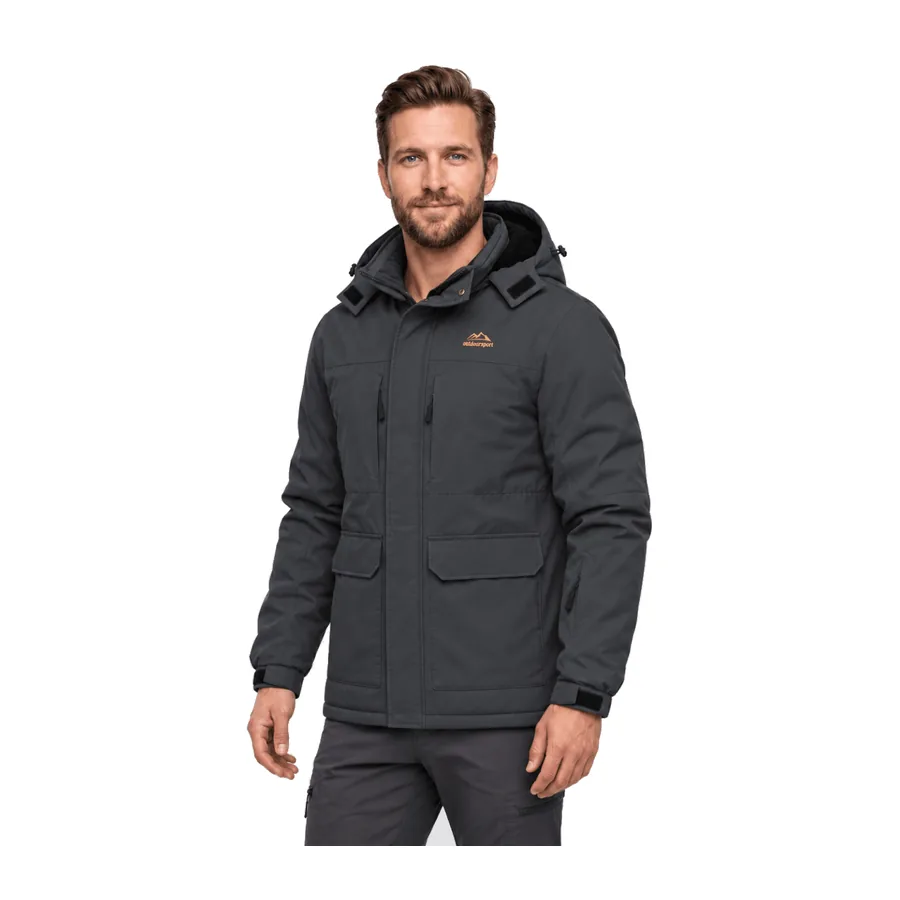
| TACVASEN Winter Skiing Jackets Waterproof Thermal | A resort rider balancing price and fit | A mid-tier option for a separate fit comparison | Choose by usable cuff and shoulder movement, not the name alone. |
Browse the men’s ski jacket catalog for other sizes. The general jacket guide covers broader buying criteria. The shortlist here focuses on how men’s cuts fit through the shoulders, torso and arms when you’re wearing the complete outfit.
How should you choose chest and sleeve size?
Measure around the fullest part of your chest as the manufacturer directs. A 38 in chest is 96.5 cm, 40 in is 101.6 cm, and 42 in is 106.7 cm. Use the exact chart to turn the measurement into a size. The numbers are unit conversions and do not map to a universal men’s size. If the chest is right but the shoulder fabric pulls when you reach, try a different cut before you jump a size. Going up can also add sleeve and body length that you don’t need.
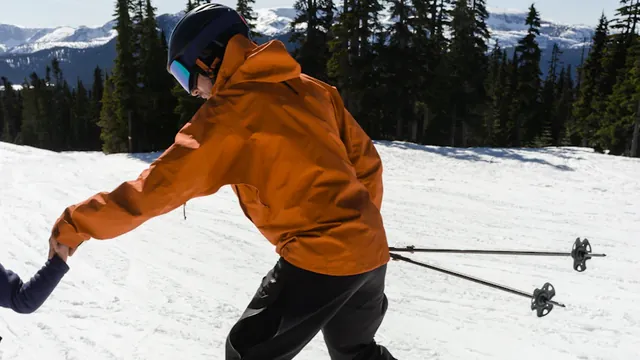
Use a jacket you own to get a starting point for sleeve coverage. A 34 in measurement equals about 86.4 cm, and 36 in is 91.4 cm, but two companies may measure from different points. Copy the method instead of equating a shoulder-to-cuff figure to a center-back measurement. Put on both gloves and reach as if planting poles. A sleeve that leaves exposed wrist as soon as you reach is too short for the combination, even if the jacket fits your chest.
How long should the men’s jacket be?
Use a jacket that already works as your reference for back length. In one example, a 29 in back length is 73.7 cm, while 31 in is about 78.7 cm. That difference of 2 in can add overlap at the waist. It can also put more fabric across the lap when you sit. Try the longer jacket with the actual pants or bibs you use. Lift your arms, sit down, then reach to the outside of each boot.
If a shell fits everywhere but rides up because of how it overlaps the waistband, you have two useful options: try a longer cut or use a higher waist or bib. For snowboarders, do the seated reach rather than only a standing pole movement. You want a hem that stays useful while using the bindings, and doesn’t fold into a stiff obstruction across the hips when you’re seated.
Should you choose a shell or insulation?
Start with an insulated jacket if you often feel cold while waiting and prefer a simple outfit. Start with a shell or modular jacket if you already adjust layers depending on the weather. For a worked example, a 20°F morning is about −7°C and a 35°F afternoon is about 2°C. That is a meaningful change across the day. It makes a removable layer useful for some riders, but does not rate the warmth of any jacket.
Try your cold-day combination before buying. Start with the base layer and midlayer you actually wear. Reach forward and look for pulling across the back as you turn both shoulders. If it happens only with the thickest layer, decide whether that layer is essential or whether a cut with more space is better. A jacket with a higher spec that limits how you move is an expensive fit correction.
Which final fit test is worth doing?
Put your gloves, helmet and goggles on. Close the collar as you would use it, then operate your zip and vents while gloved. Turn your head with the hood in its intended position. Your field of view and head movement should remain usable. Sit with the pockets loaded, reach forward and let your wrists extend. Finally, take one layer out and repeat. Choose the jacket that works in the outfit you’ll actually ski in. Then record the exact size and cut so you can order a replacement later without relying on the size letter alone.
How do you choose when two men’s cuts both fit?
Fit the shoulders first, then judge the waist and cuffs with the jacket zipped. If one cut gives you more room for a fleece without adding fabric at the wrists, use it for colder trips. If the other cut sits close and you usually ride in a thin layer, it may be easier to move in. Ignore a longer feature list when both jackets already offer the pockets and adjustments you use. Try retrieving your pass or a small tool with your regular gloves on before deciding. A pocket you cannot reach with your jacket and gloves on is rarely useful on snow.
Run the same sequence while wearing any backpack you usually take. The straps should sit flat, and the jacket should still let you turn to look uphill. Remove the bag and see whether you can adjust the cuffs without taking your gloves off. This trial is more informative than the usual mirror fitting because it includes the load and movements you have on the hill.