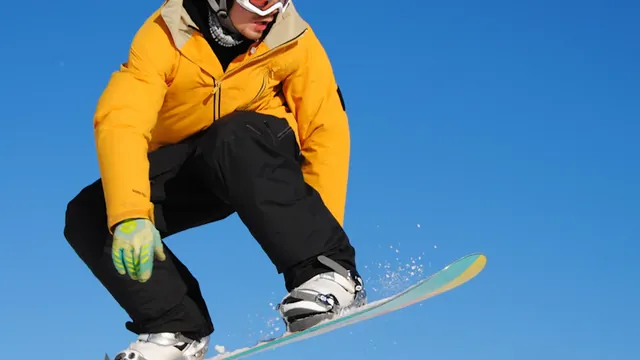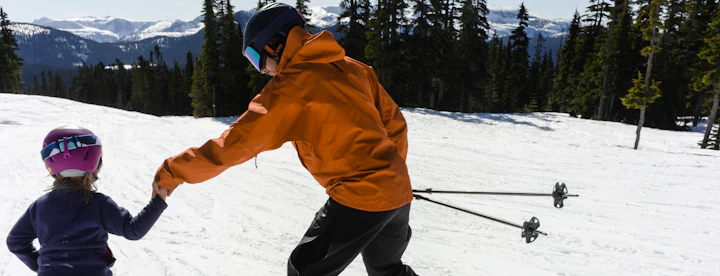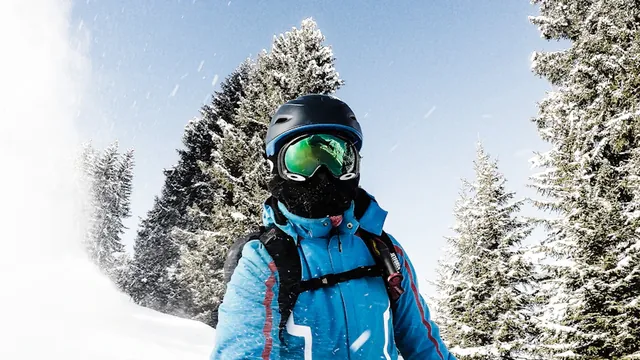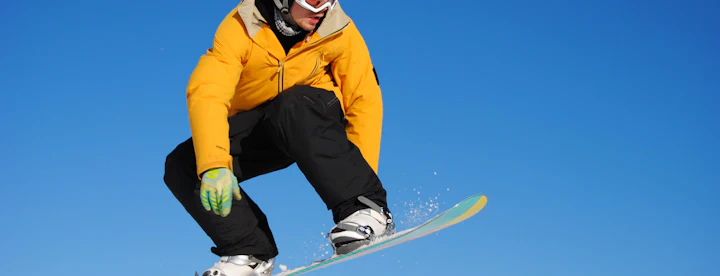
The best ski clothes for women work as a kit. Start with a base layer that sits smoothly, add a middle layer you can remove, and pick outerwear that keeps your waist and wrists covered when you reach. Test all the layers together with the boots, gloves and helmet you will actually take.
What layers work from mild laps to wet weather?
For an active skier, a merino top around 150–180 g/m² is a practical starting point. For colder lift-heavy days, start around 200–250 g/m² or keep the lightweight top and add a removable fleece. For shell shopping, 10,000 mm is a useful starting filter for ordinary resort use and 20,000 mm is worth prioritizing for persistent wet snow. These are not temperature guarantees or claims about any listed model. A 28 in pant inseam is 71.1 cm; a 30 in inseam is 76.2 cm. Use the inseam with your boots rather than converting a height estimate into a size.
Which are the best ski clothes for women to start with?
| Catalog option | Best for | Main benefit | Fit test | Tier |
|---|---|---|---|---|
| SIMIYA Thermal Underwear Set for Women | A budget foundation | A separate base-layer set for building combinations | Test the leg hems with your socks on | Budget |
| WEERTI Thermal Underwear for Women Long | Weighing another base-layer fit | An option to try when you already own outerwear | Test for folds under the jacket sleeves | Mid |
| Columbia Whirlibird V Interchange | Weighing an outer jacket with your existing pieces | A women’s jacket option for a complete-kit trial | Zip it over the actual layers before choosing | Mid |
| wantdo Women Hardshell Waterproof Windproof | Building around existing inner layers | An alternative women’s jacket fit | Test hood movement with your helmet | Mid |
| Heathyoga Snow Ski Pants Women Waterproof | Budget resort pants | A standalone pant to try against a bib | Test the hem and gaiter with your boot | Budget |
| BenBoy Snow Ski Bibs Adjustable Straps | More torso coverage | A bib option to try if the waist often gaps | Test straps under the zipped jacket | Mid |
The options solve different jobs. Start with the women’s base layers if you already have usable outerwear. If your layers work and you want more coverage around the waist, try the women’s pants and bibs instead. Do not change the whole kit until you identify which piece is causing the problem.
How do you dress for the first chair and midday?
Set out three layers for your torso. Put the base next to your skin, use a separate middle layer to add warmth as needed, and use the outer jacket for weather protection. You can adjust the middle layer without changing your pants or boots. On an active morning, pack it where you can retrieve it during the first stop rather than leaving it buried. For a cold lift ride, put it on before you wait, while you still have an easy place to change.
Make two complete combinations before packing. One should use the fewest layers you expect to wear, and the other should include your normal additional insulation. Zip the jacket over both. Reach across your chest and lift your arms. Test the cuffs, armholes, collar and hem. If the larger combination fits only when you leave the zipper open, try another cut or reduce bulk with a different middle layer. If the lighter combination feels loose, see whether the jacket’s adjustment points settle the sleeves and hem without affecting movement.
How do you tell whether pants and jacket work together?
Put the pants or bib on and close the jacket. Sit down, raise a knee and reach toward the opposite boot. Watch the hem during those three movements. If the jacket lifts above the waistband and you often sit in snow, try a bib or another jacket length. If the jacket covers your waist but folds into your lap, test access to pockets and front closures while seated. For the outermost layer, our women’s jacket catalog is a place to try alternatives.
Test the boot before judging leg length. Use one normal sock per foot and close your actual boots. Arrange any internal gaiter according to the garment directions and pull the outer hem into place. Open and close the boot once while wearing the pants. If doing that requires tugging the fabric out of the way every time, try another hem cut. For snowboarding, add the seated binding reach to the test. For skiing, walk a few steps and test how the hem sits at each closure.
How do you test the full outfit?
Put on your gloves and helmet last. Close the jacket, reach for the pockets and move your head in both directions. Establish that the collar and any hood leave room to look around and that your helmet and goggles remain correctly positioned. Try the cuff arrangement with both arms raised. If a wrist gap opens, rearrange the sleeve and glove overlap, then test it again before choosing another glove or jacket.
Carry your usual essentials during the test. A pocket that feels fine empty can put pressure on your hip when you sit. If a jacket pocket is covered by a backpack strap, try another pocket or another placement. Set one pocket aside for the item you will use most often during a run. Test whether you can open and close it with a gloved hand. That small test may decide between two otherwise similar jackets.
Which piece should you replace first?
If you get cold mainly while waiting, try what you can add over your torso base layer before buying a different pair of pants. If you feel restricted when tightening a binding, repeat the movement with the jacket unzipped to see whether the problem is at the waist or the hips. If your toes are uncomfortable just after dressing, test the socks and hems before deciding the whole outfit is too thin. Replace the piece that creates the limitation.
Pack the pieces as two outfits, with one change you can make at a break. After your first day, record where you felt cold, where fabric interfered, and which item was hard to reach. Use that note to adjust the kit rather than packing a second version of everything for the next trip.
What should you bring when the forecast changes?
Make a morning decision and a backup decision. If the day starts cold, wear the warmer of your two tested combinations and decide where the middle layer will go when you take it off. If conditions turn wetter, prioritize the pieces that overlap at the waist, wrist and boot. Keep a dry spare where it will remain dry even after you put wet gloves or a jacket in the same bag.