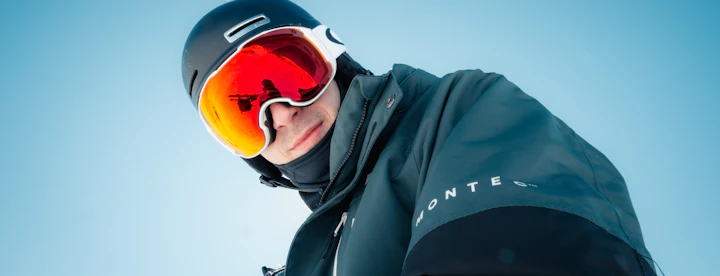
The best ski goggles with interchangeable lenses fit your helmet first and offer a useful lens pairing for your typical weather. Start with one lens for bright runs and one for overcast days. Choose the exact frame and lens size together, and practice the swap indoors before taking the second lens onto the mountain.
Which are the best ski goggles with interchangeable lenses to shortlist?
| Catalog model | Best starting point for | What to use in the decision | Main limitation to resolve |
|---|---|---|---|
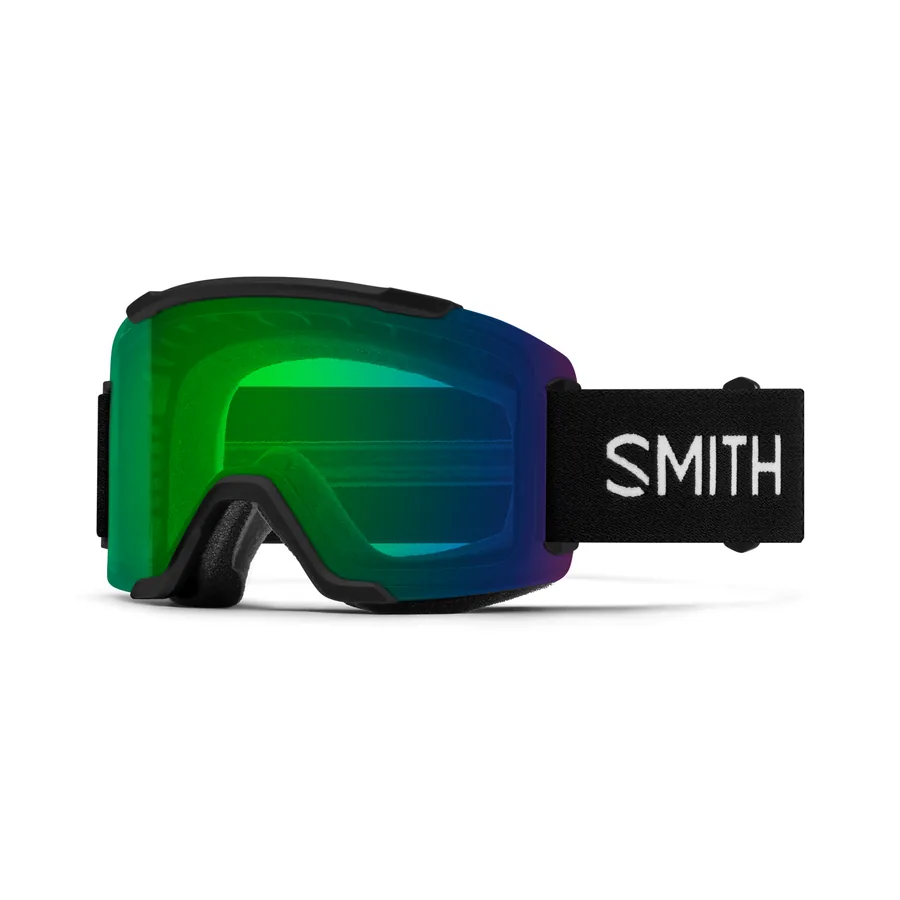
| SMITH Squad Goggles with ChromaPop | A first lens kit when you want to start with the SMITH lineup | Identify the VLT of each included lens | The package you receive needs to cover your conditions. |
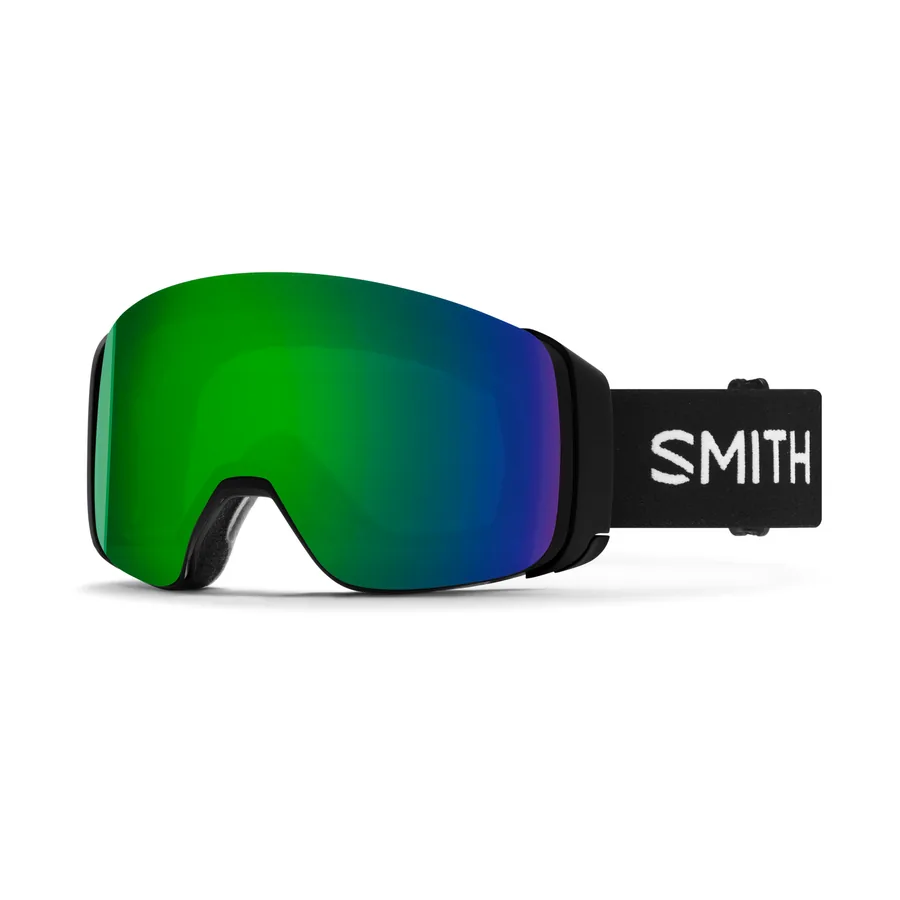
| SMITH 4D MAG | A second SMITH frame to compare with your helmet | Pair the exact frame with compatible spare lenses | Existing lenses from another size or family may not fit. |
| Oakley Flight Deck L | An Oakley L-size frame candidate | Try its seal against your face and the helmet rim | A large size label does not establish the way it fits you. |
| Oakley Line Miner L | A second Oakley L-size candidate | Compare the frame fit with the same helmet | The two frame names do not identify the same lens. |
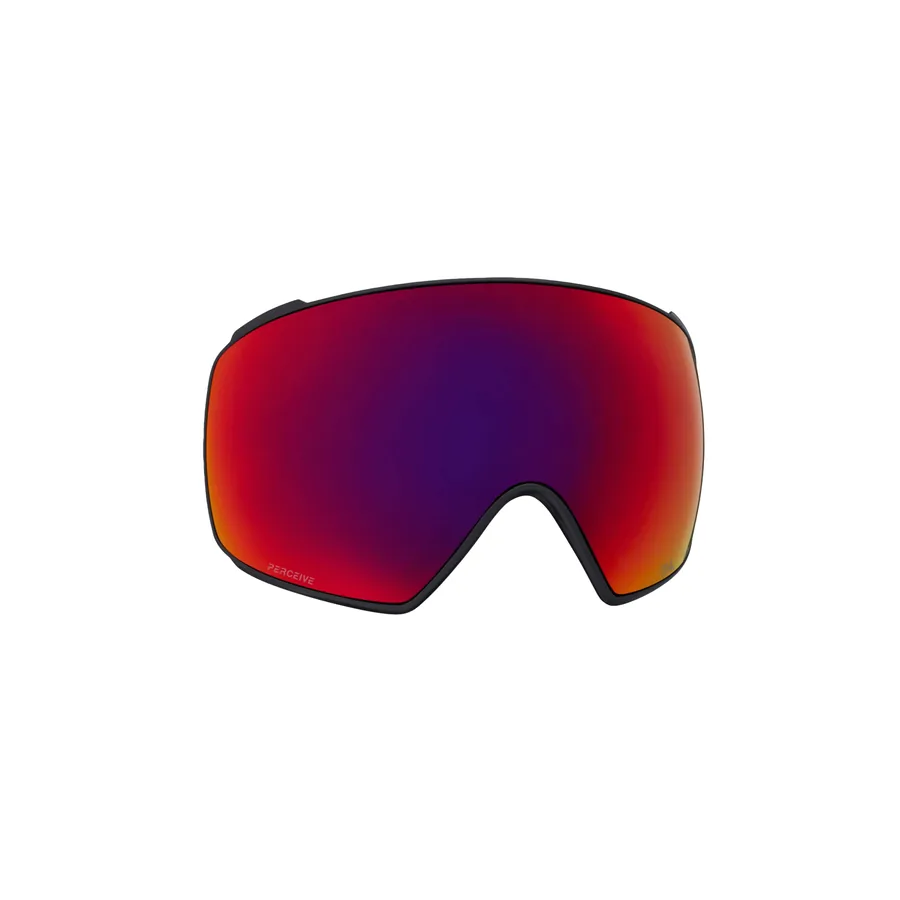
| Anon M4 Cylindrical Goggles + Bonus | A candidate for a rider shopping for a bonus-lens package | Identify the two lenses in the selected listing | The word bonus alone does not tell you its VLT or conditions. |
All five are premium-tier options in our interchangeable goggle selection. The first decision is which frame works on your face while the helmet sits in its normal position. The second is which lens kit you can build for that frame without buying two lenses that serve almost the same conditions.
How should you pick a two-lens kit using VLT?
VLT means visible light transmission. A lens marked 12% VLT transmits 12% of visible light under the rating method, whereas a 60% lens transmits more light. When choosing two, start with the weather extremes you actually ski. SMITH’s snow goggle guide lists several sunny lenses at 9–16% VLT and describes several everyday lenses around 20%. Its separate Everyday Red Mirror specification gives 25% for that lens. Follow the number for your exact lens version instead of transferring the value across tints.
| Example lens pair | Day it is likely to cover | Decision |
|---|---|---|
| 12% and 15% | Two lenses close together on the darker side | If you need a meaningful overcast option, prioritize a lens with higher VLT. |
| 12% and 55% | One darker lens and one much lighter option | A broad starting point if you often go from bright days to overcast ones. |
| 25% and 60% | A medium option and a lighter one | Start here when clouds and mixed light are more common than intense sun. |
| 55% and 90% | Two high-transmission choices | Consider this only when the use includes very low light and you do not need a dedicated sunny lens in the same two-lens kit. |
The percentages in the decision table are illustrative rather than specs for the bundled models above. The difference between 12% and 55% is 43 percentage points. The difference between 12% and 15% is only 3 points, so these two example pairs solve different problems. VLT describes the quantity of transmitted visible light. Lens color and contrast can still differ at the same percentage. A numerical gap helps you avoid buying near-duplicates, but the stated use for each lens still matters.
How do you choose a frame that works with your helmet?
Fit your snow helmet as described by its manufacturer. Put the goggles on without shifting that fit. Look ahead and down as if reaching for a binding. The frame should sit comfortably without the helmet driving the goggles onto your nose. Then turn your head with your jacket collar in its normal position. If the helmet alone is comfortable but the combination feels wrong, change the frame rather than forcing the helmet into a new position.
If you wear prescription glasses, begin with our OTG goggle category when you need extra space for the glasses. Then find out whether a compatible lens kit exists for the exact version that fits. Take the glasses off only if that is how you intend to ride. The fit with actual equipment is more informative than the label description by itself.
What should you do before taking a spare lens on snow?
Set the frame and both lenses on a clean, dry surface. Read the model-specific swap instructions and use the designated contact points so you can handle the lens without pressing on its optical surface. Install the second lens, confirm it is seated at each retention point as directed, then put it away in its intended sleeve or case. Practice the reverse sequence once while wearing the gloves you normally use.
If you need a swap during the day, do it in a sheltered, stationary place with a clean surface. A spare is useful only if you can carry it without forcing it against other equipment and install it according to the maker’s directions. Riders who prefer to keep one lens mounted all day can start with the photochromic goggle category as another option. Choose the system you will actually use, then record the frame name, size and the two exact lens names so future replacements go into the same frame.
Is a second lens more valuable than a second frame?
A second compatible lens is the better starting point when one frame fits well and a different tint solves the weather problem. Two complete goggles may be easier for someone who does not want to perform a lens swap during a break, but the second frame still has to fit with the same helmet and any prescription glasses. Before buying either, write down the condition that your current lens cannot handle comfortably. If it is overcast light, fill that gap first. If the problem is pressure on the bridge of your nose, resolve the frame fit before adding lenses to it.