Asian fit ski goggles, often labeled low bridge fit, are worth trying if a standard frame leaves a gap at the nose while resting on your cheeks. Fit the goggles without the helmet first. If the gap appears only when the helmet pushes the frame down, change the helmet-and-goggle pairing before drawing conclusions about your bridge.
What does Asian fit mean for ski goggles?
A low-bridge design aims to change contact around the nose and cheeks. Smith’s fit guide describes low bridge fit as intended for a lower nose bridge, wider or higher cheekbones, or a mix of those traits. Do not infer fit from ethnicity or use a single nose measurement as a universal rule. Face shape and the model’s actual geometry determine whether the design helps. Some standard frames fit more comfortably than a nominally low-bridge option because of how the rim follows your cheeks.
| What you feel | Likely part to change first | What to do |
|---|---|---|
| Gap at the bridge with goggles alone | Frame or foam around the nose | Try another bridge profile at similar strap tension. |
| Goggles feel good alone but press down with the helmet | Pairing at the helmet rim | Use a frame that sits below the rim without shifting either piece. |
| Cheeks feel compressed while the nose still gaps | Frame contour rather than strap tension | Loosen the strap and try another shape. |
| Eyeglass arms press into your temples | Internal width around the glasses | Try an OTG frame with the glasses you intend to wear. |
| Cloth appears through the contact area | Layering | Place the face covering the way you normally wear it and restore even foam contact. |
Start with the ski goggle selection. Use the manufacturer’s terminology for the exact version rather than assuming every color or size of a frame comes in a low-bridge option. If you are ordering online, save the frame identifier and fit designation so you can repeat the pairing later without relying on a product thumbnail.
How can you isolate the nose and cheek fit?
First put the frame on without a helmet. Set the strap to steady the goggles without drawing the foam deep into your skin. Breathe normally through your nose, lower your chin and open your jaw a little. Use a mirror to see whether the foam maintains contact near the bridge as you move. Then take the frame off and put it back on. If the gap or discomfort reappears each time, try a different frame profile.
Next set the helmet as directed and add the goggles. Turn your head left and right, look down at your feet, and wear the collar or mask you will ride in. A goggle that bridges your nose well on its own can sit differently if the helmet touches the top of the frame. Do not tilt the helmet out of its correct position to make the goggles fit. Change the goggle shape or use another helmet that fits correctly and works with it.
Finally, keep one piece constant and swap the other. Use the same helmet while trying two frames. If a frame works well and the helmet is the item you are replacing, reverse the order. This makes the result reproducible. It also stops you from attributing a change to the bridge when the scarf, helmet or strap setting was different in the second try.
What if you wear glasses?
OTG means over the glasses, and it is a separate choice from the bridge profile. Start in the OTG goggle section if you need prescription frames underneath. For example, outer eyeglass measurements of 138 mm by 44 mm are about 5.4 inches by 1.7 inches, while 146 mm by 49 mm is about 5.7 inches by 1.9 inches. The second example is 8 mm wider and 5 mm taller. Those are frame measurements, not a size chart or a guarantee of goggle clearance. The eyeglass arms and lenses can project into different areas of the goggle.
Put the goggles on with the actual glasses and see whether the legs press against your temples after the helmet goes on. Then look down and turn gently. Avoid a pairing that pushes the glasses down your nose or lets the front of the glasses touch the goggle lens. If changing the strap tension only moves the pressure to a different spot, try more interior space or a different frame contour rather than returning to the same setup on snow.
Which catalog models can you use for a fitting trial?
| Catalog model | Why include it in a trial | Look for |
|---|---|---|
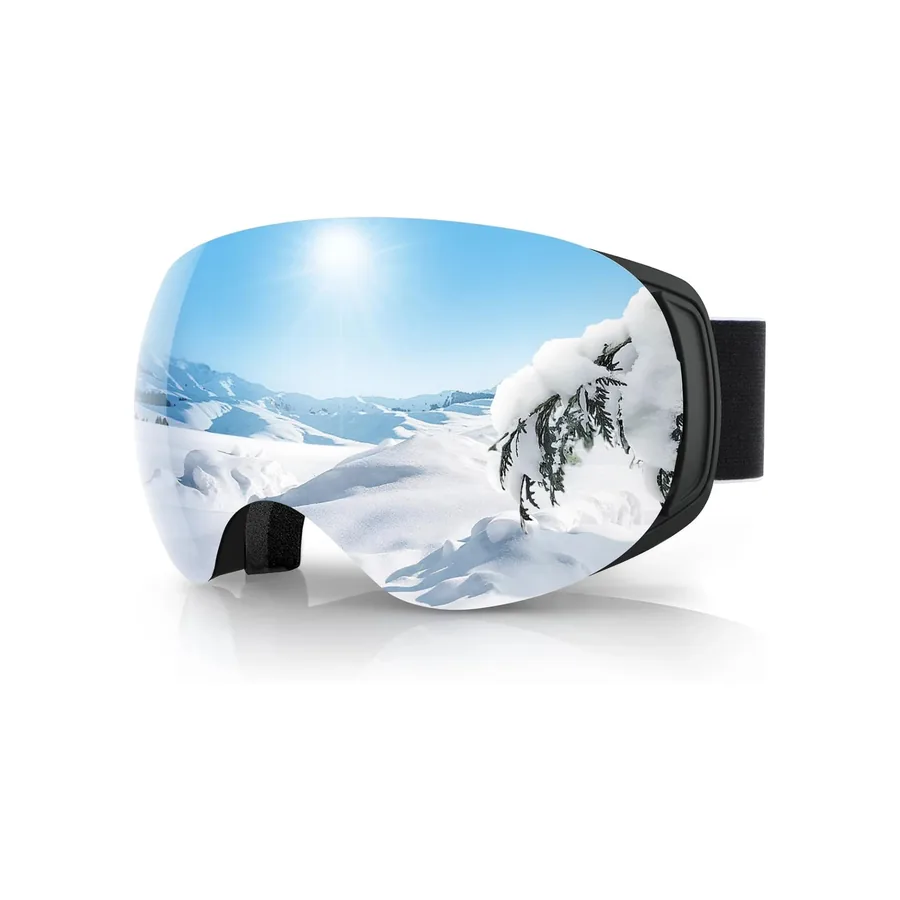
| findway Ski Goggles OTG for Women | Budget shape to try if glasses clearance is a priority | Even foam contact and room at the temples |
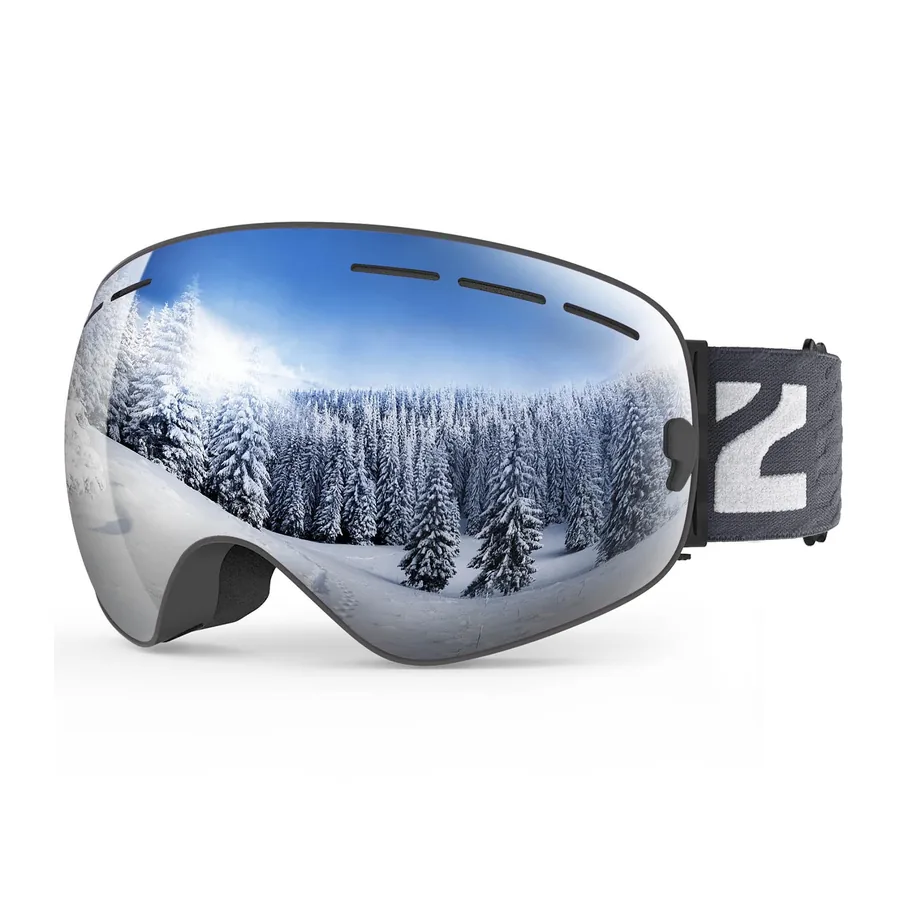
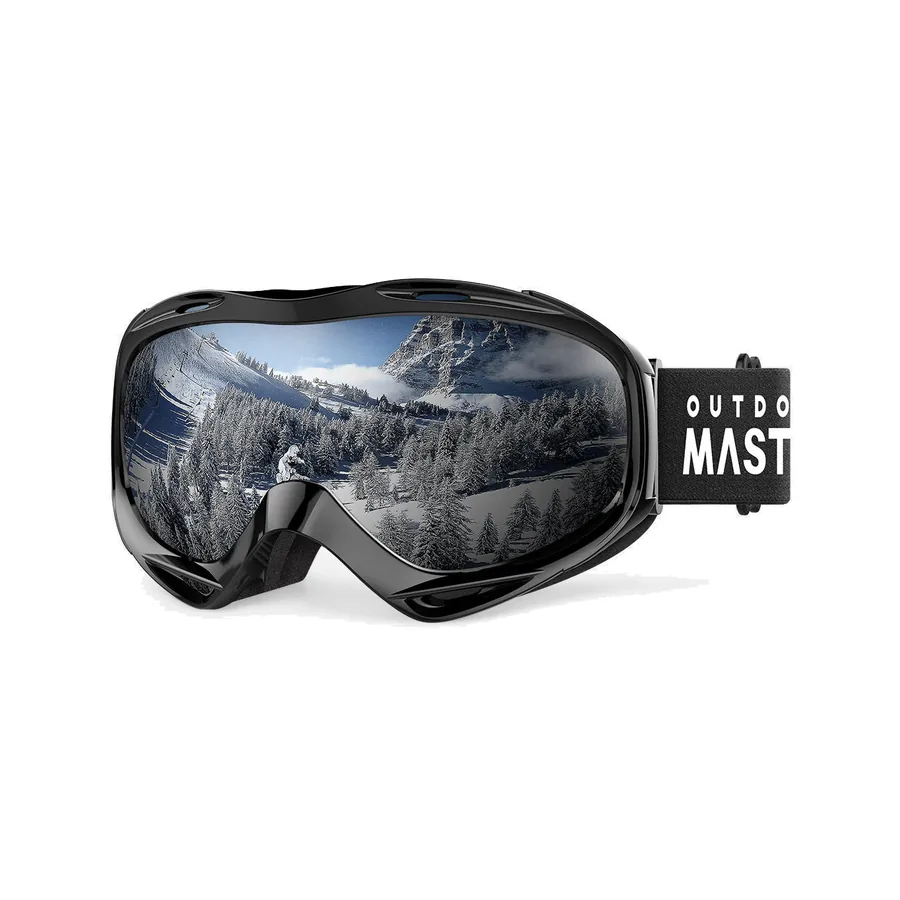
| OutdoorMaster OTG | A second budget OTG frame | Whether the goggle moves the glasses down on your nose |
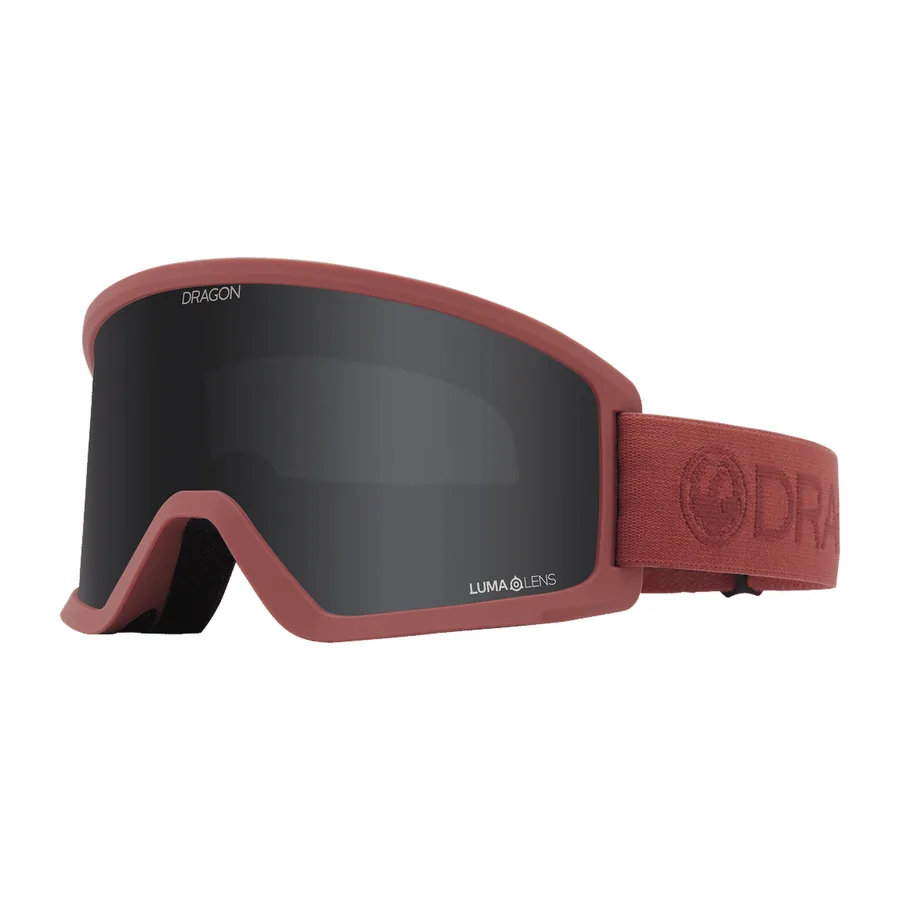
| Dragon DX3 OTG | Premium OTG comparison | Temple clearance and no contact between the two lenses |
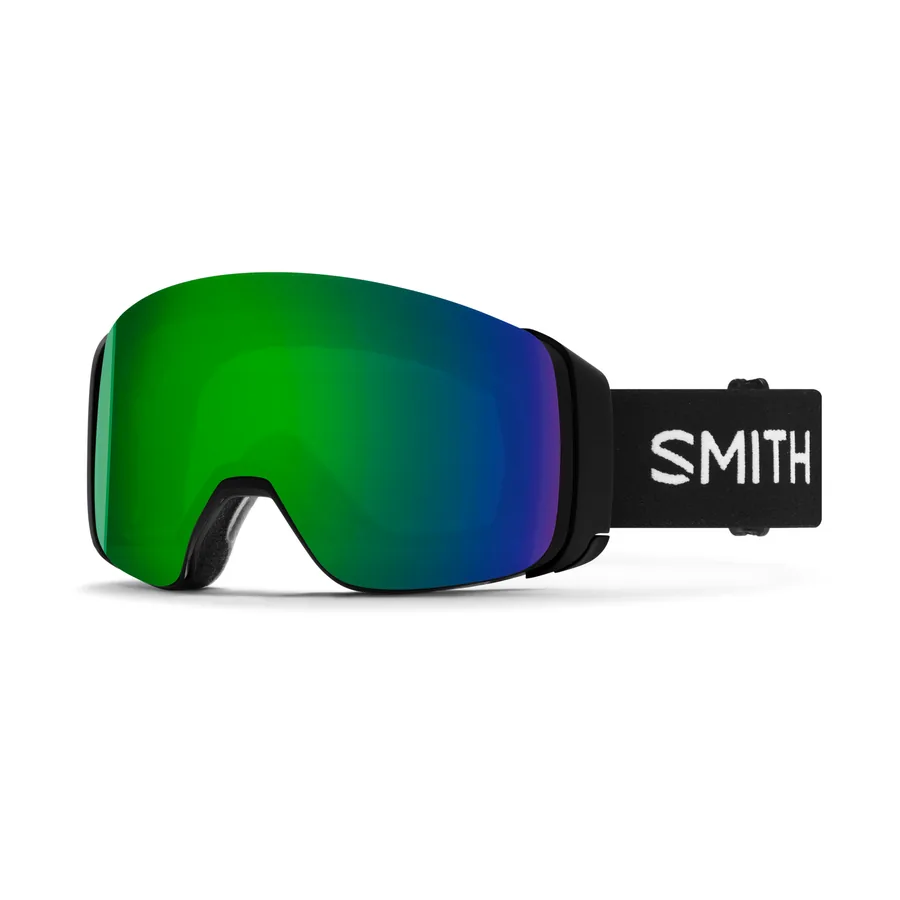
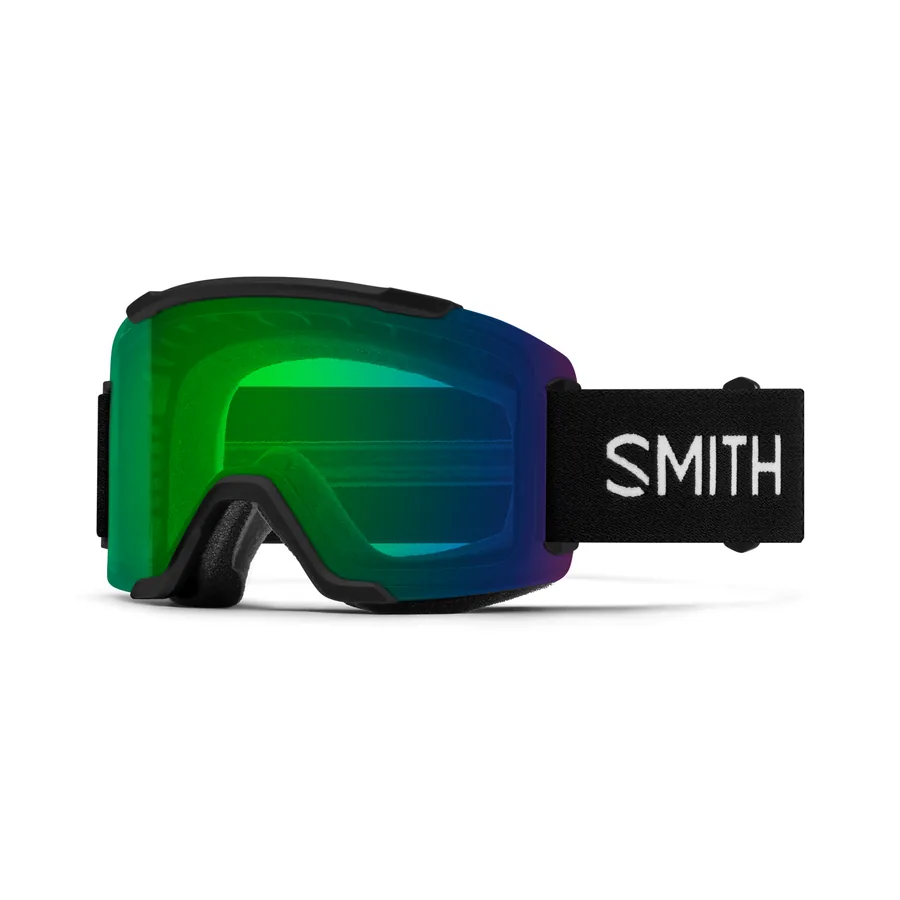
| SMITH Squad Goggles with ChromaPop | Frame to try if you plan to add compatible lenses | Exact fit version and stable position under the helmet |
These models are comparison options from our catalog. This table does not designate them as low-bridge versions. For any frame you try, record whether its listing explicitly uses a low-bridge label and whether the actual fit works for you. If you want to swap tints after you find a frame, use the interchangeable lens section and find the compatible lens for that exact frame size and version.
Before placing the order, record the frame name, your helmet, your glasses if you wear them, and where you felt pressure or gaps. A fitted frame should be easy to put back on after a break without spending extra time redistributing strap tension. Use those same pieces during your indoor trial when the package arrives, so the part returning for a different size is the one that actually caused the fit issue.
For a return-window trial, leave tags and supplied components in place and follow the retailer’s indoor fitting conditions. Avoid changing the foam or splitting apart a goggle that already comes assembled.