The best ski helmets for kids fit their current head size, stay level when they move, and work with their goggles. Measure in centimeters and use the exact youth chart instead of shopping by age. Choose a model they can wear comfortably now, with its strap and fit system set as the maker directs.
Which are the best ski helmets for kids to shortlist?
| Catalog model | Start here if | What to do in the try-on | Catalog tier |
|---|---|---|---|
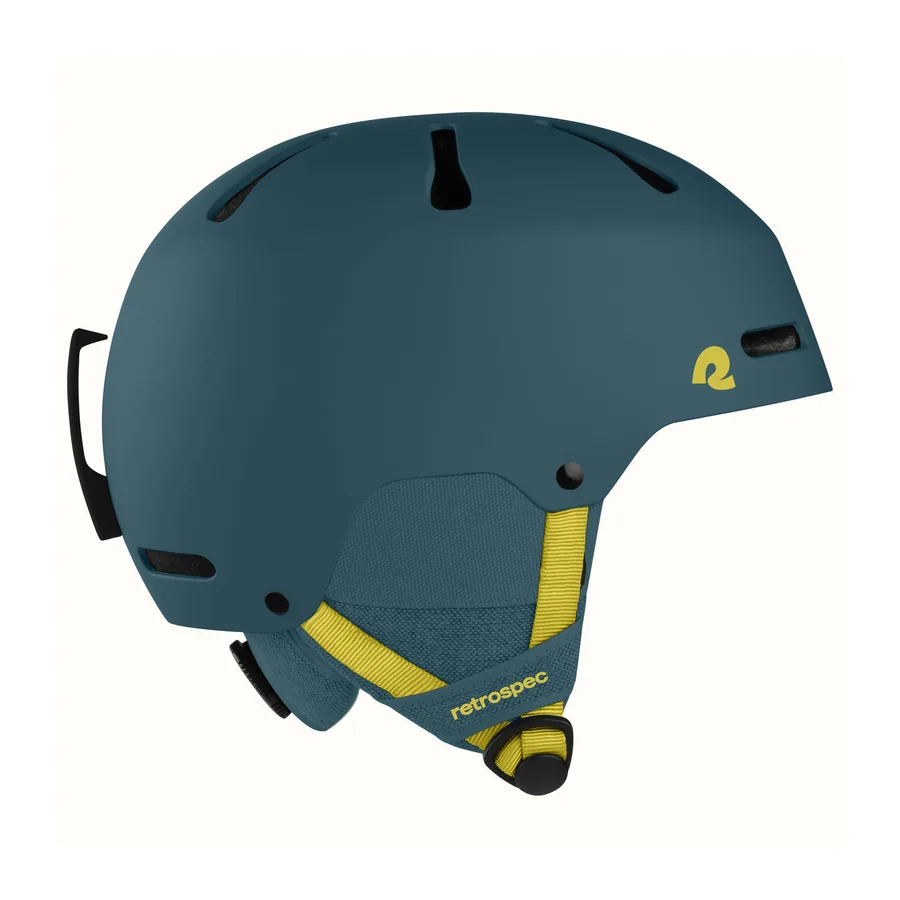
| Retrospec Comstock Kids Ski & Snowboard | You want a budget youth helmet on its own | Fit the helmet alone, then pair it with goggles the child already owns | Budget |
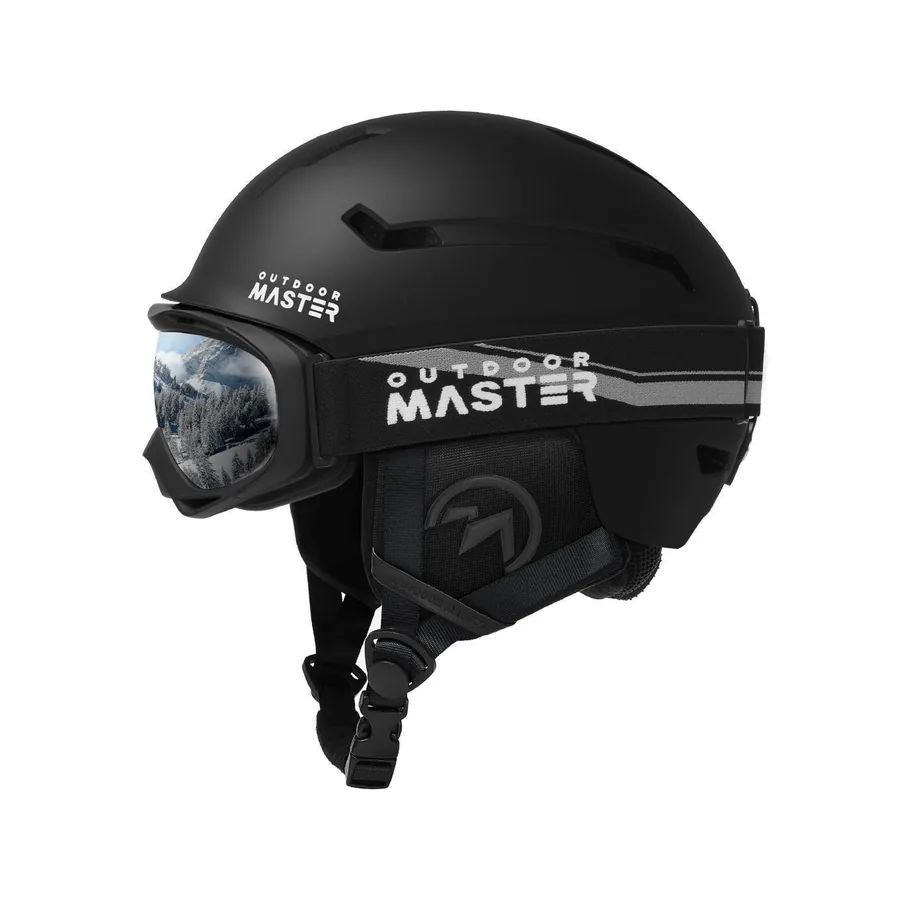
| OutdoorMaster Ski Helmet and Goggles Set | You need both helmet and goggles for a first trip | Fit both pieces separately and then together | Budget |
| Odoland Ski Helmet with 2-in-1 Visor | You want to try a youth visor configuration | Follow the visor instructions and have the child look around in the finished setup | Mid |
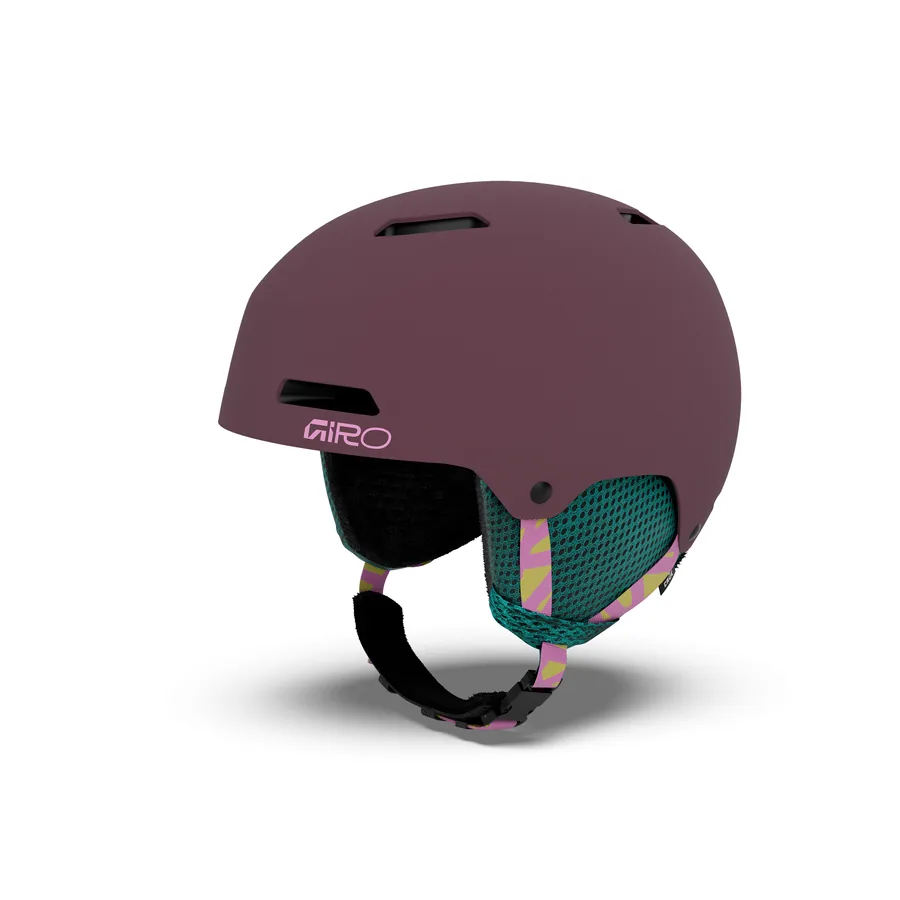
| Giro Crue | You want a premium youth option in the same fitting trial | Use the exact model’s chart and test it with the child’s usual goggles | Premium |
Start in the kids’ helmet selection. Choose by intended use, fitting instructions and sizing for the particular model you receive. Verify the labeling and snow-sports certification information for the exact version rather than applying the certification listed for one helmet to another. The table gives you different configurations to try. The right one stays stable and comfortable before the child ever needs to wear it in a lesson.
How do you measure a child’s head?
Remove hats and bulky hairstyles from the tape path. Wrap a flexible tape around the widest part of the head, keep it level front to back, and record the number in centimeters. Start approximately 1 inch above the eyebrows as described in our helmet sizing guide; that is about 2.54 cm. Take two readings. If you get 51.2 cm and 52.1 cm, repeat rather than rounding toward the bigger size. A tilted tape or loose section can account for a difference that small.
As a published example, the Giro snow size guide lists youth XS at 48.5–52 cm, S at 52–55.5 cm and M at 55.5–59 cm. A repeatable 51 cm points to XS on that guide. If the child measures 52 cm, try XS and S where the model offers both. If they are at 55.5 cm, S and M are the adjacent ranges to try. A different company can use a different range for the same size label. Even within a brand, use the chart given for the exact helmet.
Which signs tell you whether the size fits now?
Put the helmet on as instructed and let it settle before setting the fit system. Secure the strap and follow the maker’s placement instructions. Ask the child to turn their head to the left and right and look down at their boots. If the helmet slides separately, start over with the fit adjustment as directed. If it still moves or if stable positioning only works when the child feels pinched, try a different size or cut.
Ask the child where they feel the helmet touch. A broad report of “fine” can change once they sit in it for a few minutes, whereas pointing to the temple or forehead gives you a location to work from. Have them wear it indoors with their jacket zipped. Look for pressure that builds in one area or interference from the collar. Select a fit that works today instead of buying room for a hat, hairstyle change, or a future growth spurt. A size number recorded this season is an input for the next fitting, not a permanent label.
How do you fit goggles or a visor next?
Add their own kids’ snow goggles and leave the helmet in its proper position. Have them look ahead, look up and turn their head both ways. The frame should settle against their face without the helmet pushing it down onto their nose. If helmet and goggles fit independently but one displaces the other, try another combination. A matched listing is convenient for purchasing but does not bypass the child’s individual try-on.
For a visor-style model, use the version’s instructions for operating and positioning the visor. Let the child practice with gloves before going to snow. If they wear glasses, do the trial with those glasses on and assess whether both pieces sit freely without pushing the frames down or against the temples. Also ask them to look down toward their feet as they would when stepping into skis. You want a setup they can use comfortably without shifting the helmet out of position every time they need to see their equipment.
What should a parent do before the first lesson?
Record the exact model, size, head circumference, and goggles or visor configuration. Pack the jacket and any layer you actually used during the try-on. At home, have the child do the sequence again: put on the helmet, settle it in position, fasten it under your supervision, and add the goggles. Make sure they can keep their view and movement clear as described in the equipment instructions. When their hair, eyewear or layers change, repeat the sequence before heading out.
If a child complains during the lesson, ask what changed and have them show you where. Goggles may be pressing, a collar may be getting in the way, or the helmet itself may feel wrong. Take the setup apart in a safe place and solve one variable at a time. Bring the sizing notes to the next fitting, but take a fresh measurement when a season starts or the existing helmet no longer fits as it did.
If two youth sizes seem equally workable at first, run the same fitting sequence with the same goggles and jacket in both. A fit that stabilizes without pushing the child’s goggles down is the one worth keeping. If neither size sits naturally, try a different helmet rather than saving the larger one for a later season. A steady position today is the deciding factor.