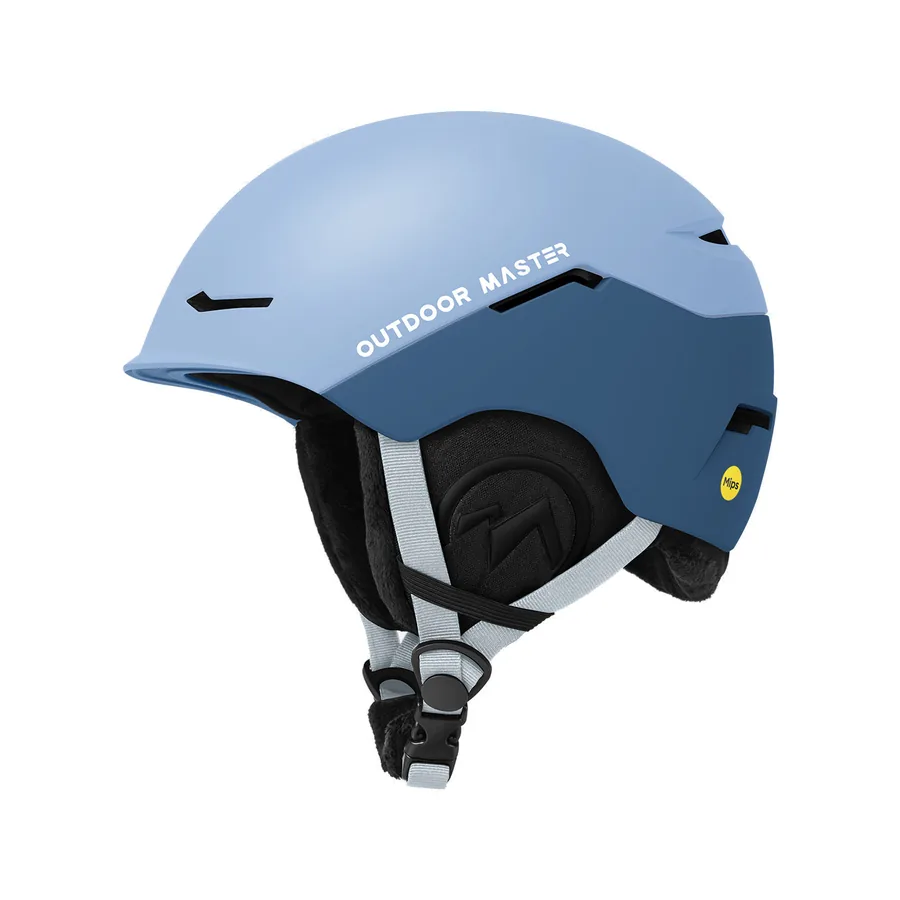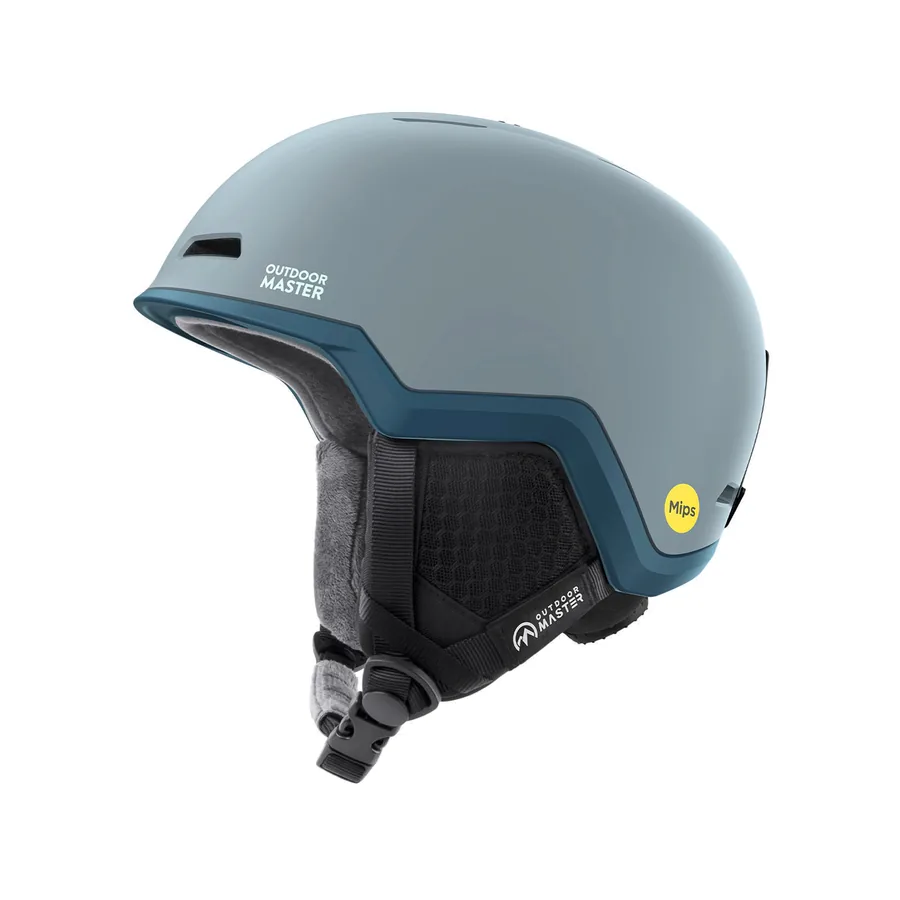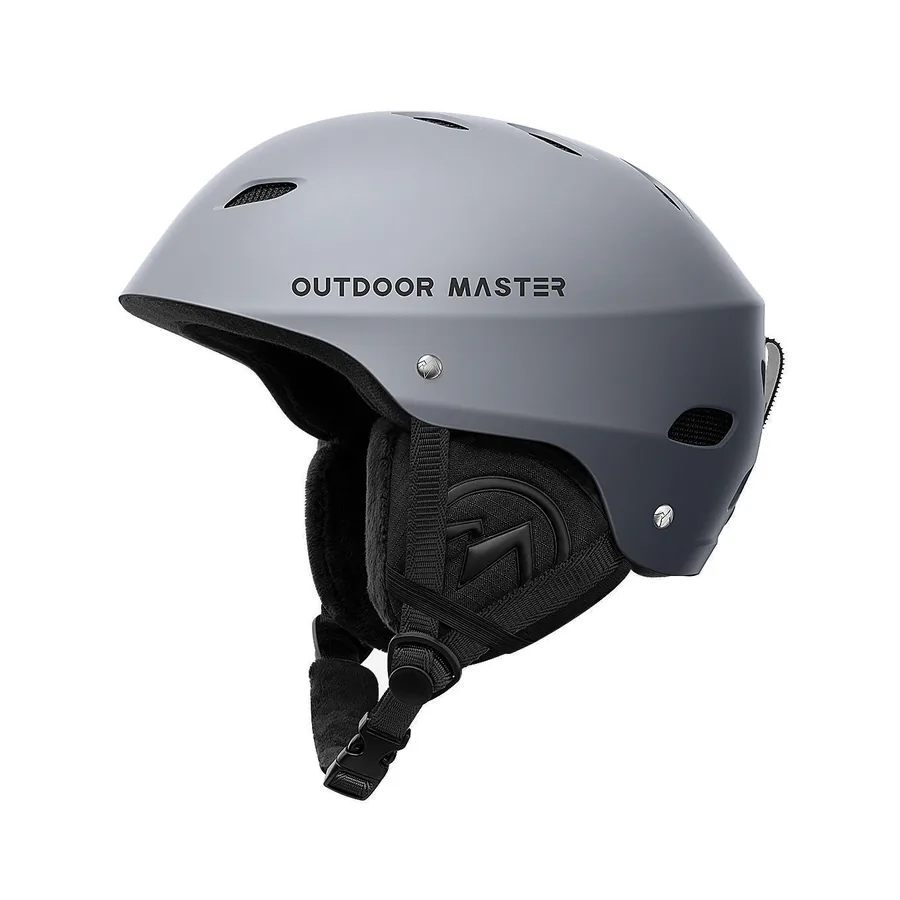
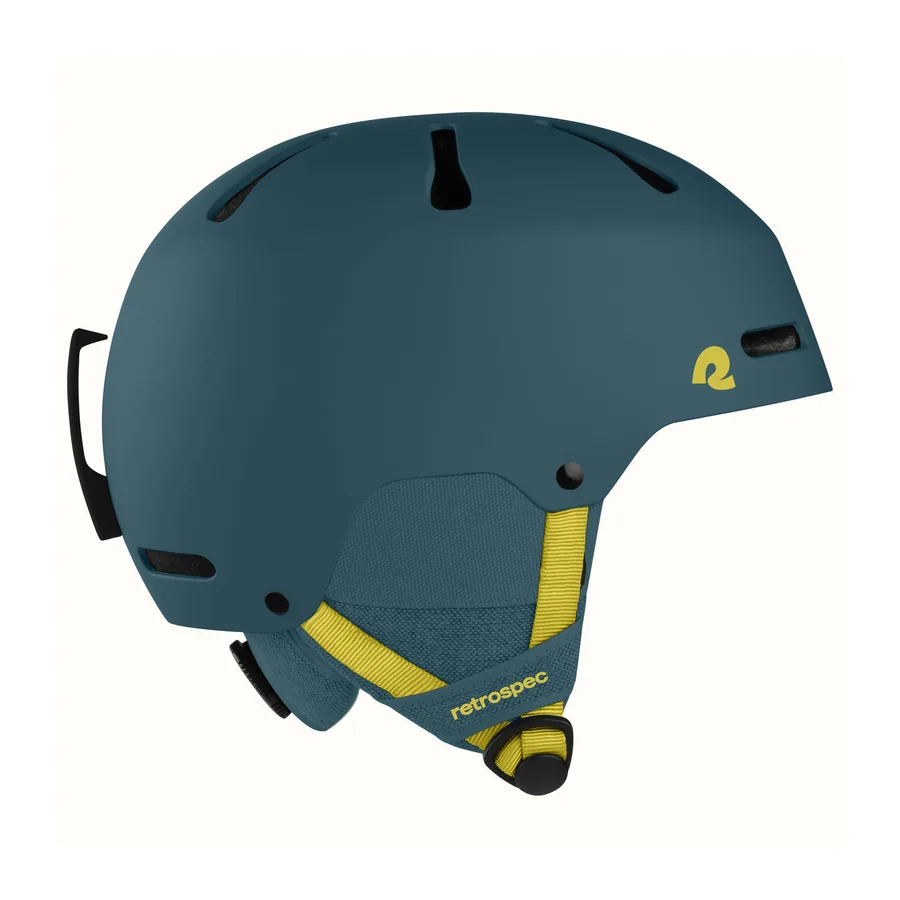
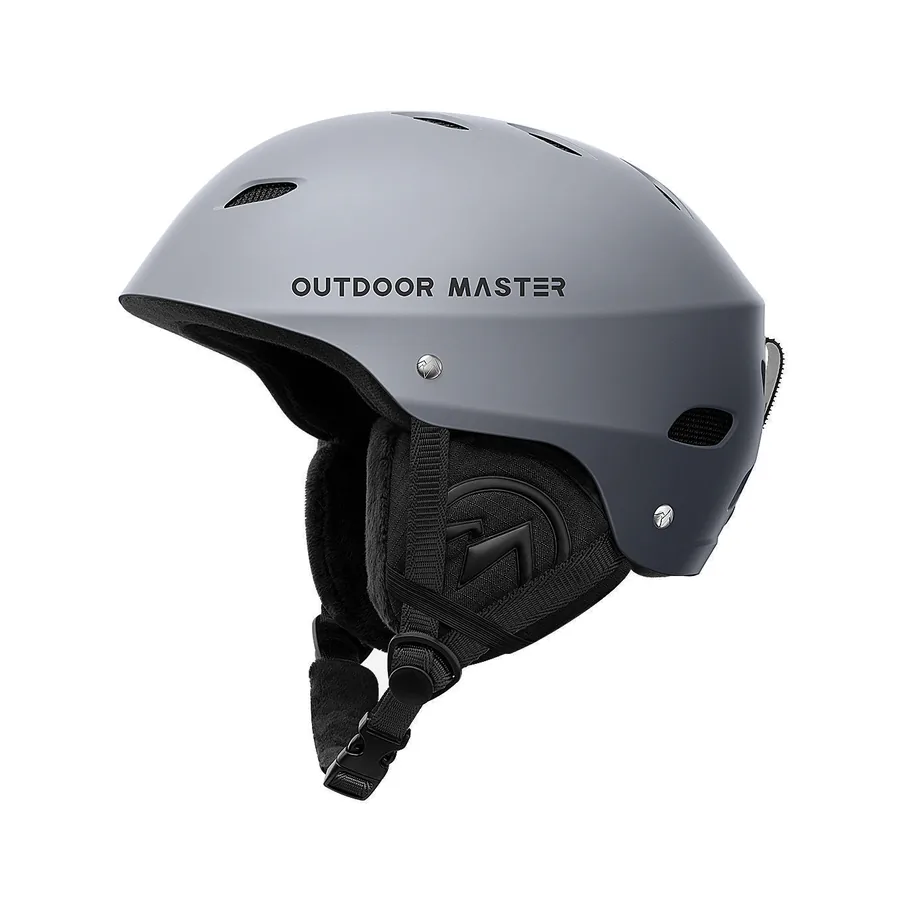
The best cheap ski helmets for resort days are affordable models that fit your head, work with your goggles and meet a snow-sports helmet standard. Try the exact model and size before checkout. If a lower-priced helmet forces you to replace goggles that already fit, try the total cost of both setups.
Which cheap ski helmets belong on a budget shortlist?
| Model | Best for | What you get from this comparison | What to test | Catalog tier |
|---|---|---|---|---|
| OutdoorMaster Kelvin | A straightforward first resort kit | A starting point for a standalone helmet | See whether the size chart and goggle fit suit you | Budget |
| Retrospec Comstock | Another standalone helmet fit to try | A second brand in the budget tier | Try where the rim sits against your goggles | Budget |
| OutdoorMaster Kelvin II MIPS | A rider seeking a budget option with MIPS | A named MIPS option to include in the comparison | Identify the exact version when ordering | Budget |
| Odoland Ski Helmet & Goggles Set | A rider buying helmet and goggles at the same time | A combined option to try with buying both separately | Try the whole set and test the contents of the specific listing | Mid |
Start with our budget snow helmets and use these picks to try the setup you actually need. Models that appear under a budget category can still fall in different catalog tiers. If you already own well-fitting goggles, start by shopping for the standalone choices with them. If you need goggles too, try the combined option and buying the pieces separately.
What should you identify before shopping for prices?
Open the exact helmet listing and identify the manufacturer, model, version and size. Look for the snow-sports standard the manufacturer lists for that version. ASTM F2040 is a recreational snow-sports helmet standard you may see in US listings. The maker’s label and instructions are the relevant references for the item you receive. Do not infer certification from a sale title, a similar picture or the fact that another model from the brand is marketed for snow sports.
Next, test the return terms before you count on trying the helmet indoors. Include any shipping or return fees you would have to pay. If a listing has unclear sizing or model information, find a better-documented version to try. Saving on the advertised price is less helpful when you cannot establish what you will receive or whether you can exchange it if the fit is wrong.
A MIPS-equipped helmet can be part of the comparison if you want that feature. Use the exact model name when you try. One helmet in a product family may be labeled differently from another. Either way, run the same size and goggle fit steps before treating the version as a final choice.
How do you try the total cost of two options?
| Situation | Cost to try | Quick test |
|---|---|---|
| You already own goggles | Helmet, delivery and any return fee | Put your current goggles on with the helmet before deciding to replace anything. |
| You need both pieces | Helmet and goggles as a bundle versus separately | Test the head and face fit as a pair and identify both items are in the offer. |
| Your size is between ranges | Two candidates with clear exchange terms | Identify which sizes the exact model chart recommends. |
| You are shopping for a used listing | Used price versus a new budget alternative | See whether you can establish its history and follow the maker’s replacement guidance. |
| You found an older color on sale | Sale version and regular version with the same fit information | Match the model identifier, size and intended use before treating them as equivalents. |
The simplest worksheet has four rows: helmet, goggles you would need to buy, delivery, and any likely exchange fee. Keep a separate column for fit. Mark each option only after you have checked it against your actual setup. The price you try should reflect what you can use for the day, including whether you already own a compatible piece.
What fit fit steps should you do before removing tags?
Use the head measurement guide to get your circumference. Try the result with the exact helmet chart. Put on the helmet following its instructions, secure the chin strap and ensure that it sits level. Turn your head gently from side to side and look up and down. If the helmet shifts, or if you have to tolerate concentrated pressure to make it feel steady, try another size or model before using it on snow.
Now try your snow goggles and usual jacket collar. Ensure that the goggle frame can sit against your face without pushing the helmet out of place. Look down as if adjusting boots. Keep the test indoors and follow the return conditions until you are sure of the fit. If you expect to wear a thin layer under the helmet, test what the instructions allow and then repeat the size and level-position fit steps with that layer.
What purchase decisions actually save money?
Start with a new, appropriately documented model that meets your fit requirements and try colors or bundles only after that. Buying a helmet that fits with the goggles you already own can be more economical than buying the cheapest helmet alone. A bundle makes the most sense when both pieces fit and you need both. If any combination fails the indoor fit test, cross it off even if the advertised price is lower.
Record the exact version, size and goggle combination after the try-on. Keep the instructions so you can refer to the model’s care and replacement guidance. When shopping for family setups, repeat the process for each rider rather than assuming a size that worked for one person will work for another.
What if you’re shopping for the whole family?
Make one line on the shortlist per rider. Include their measured head circumference, the model and size tried, and the goggles they plan to use. Try any bundle only with that person’s setup. A discount on several helmets is only useful if each rider gets the correct fit. If one person falls between sizes, keep their exchange options separate from the other purchases so a package deal doesn’t push them into a poor fit.
What does lower total cost look like on paper?
Use cost points for a quick comparison if offers use different prices or currencies. These are illustrative totals, not prices for catalog models. Say option A uses 45 points for the helmet, 30 for replacement goggles and 5 for delivery. The total is 80. Option B uses 58 points for a helmet that fits your existing goggles, 0 for goggles and 5 for delivery, for 63 total. On that worksheet, keeping your existing goggles saves 17 points even though option B’s helmet costs 13 points more. If both have a sound fit and the same documentation, start with B.