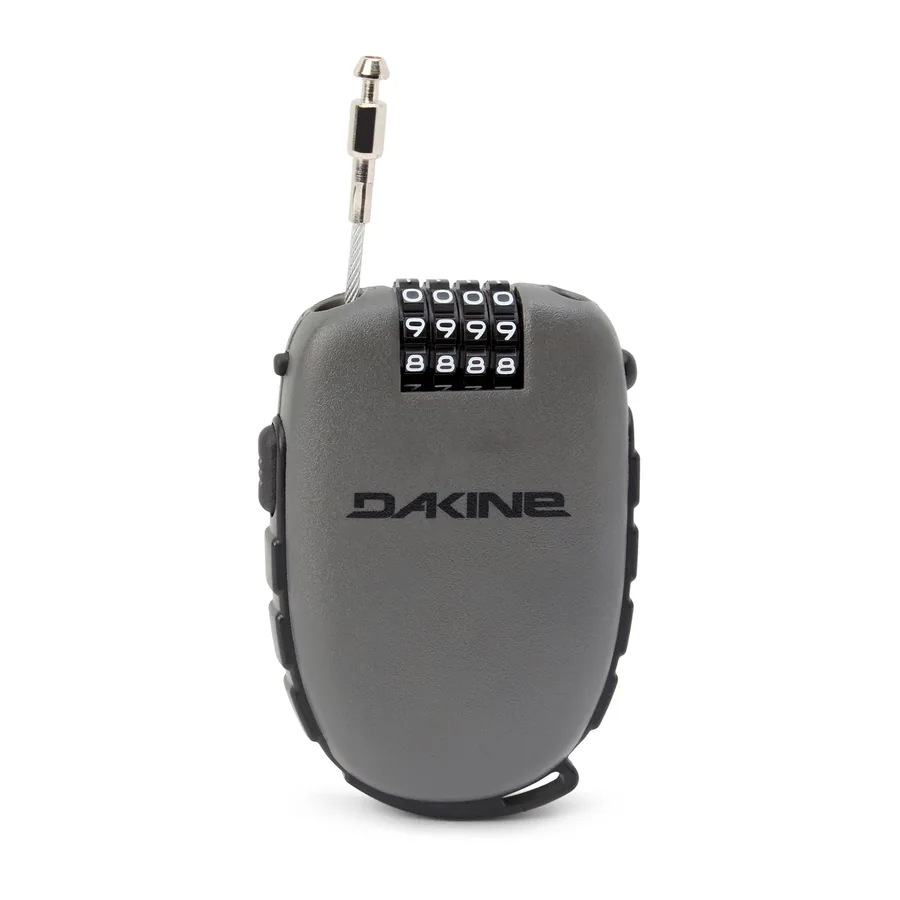
The best ski lock for a short resort stop fits the official rack and your particular skis or snowboard. Start with a compact cable lock you can operate in winter gloves. Check the complete path before buying. For overnight storage or an extended absence, use a staffed or otherwise secured storage option.
Which is the best ski lock for the equipment you carry?
| Catalog option | Best for | Useful difference | Check before buying | Tier |
|---|---|---|---|---|
| Dakine Cool Lock Tuning | A dedicated lock for short resort stops | Listed as a lock in the catalog’s accessories selection | Check cable reach with your own equipment and a fixed structure | Premium |
| Other Wire Rope Cable Lock | A budget cable option to compare | Another dedicated lock in the same catalog category | Check closure operation before leaving for the resort | Budget |
These are the two locks in the leashes and locks selection. The category also includes tethers for riding. Keep those products in their intended roles. The ability to clip a piece of gear to a binding does not make a tether a substitute for an equipment lock.
How can you measure cable reach without guessing?
Use a piece of cord to reproduce the path at home. Start with the equipment standing the way it would sit in a rack. Run the cord around the relevant attachment area and then around a fixed object that approximates a rack bar. Mark the point where the cord must return to the lock. Measure the full loop and use that figure to compare cable length, allowing for the type of return path and enough room to operate the closure.
Repeat the test with the two skis placed together if you usually ski. Check whether one ski could slip out when you lift it in the position you expect to use. If you snowboard, look for an attachment location that keeps the equipment captured when the rack is moved or the board is lifted. Follow the resort’s rules and the lock and equipment instructions. If the intended path is unclear or the lock cannot fit the rack, use official storage instead of improvising a connection.
A longer cable can make it easier to reach a rack around bulky equipment, but extra length also takes up space in your pocket. Compare both situations. If the shortest cable on your shortlist needs an unusually small rack bar to work, try the next workable length. If you often carry multiple sets of gear, practice the complete path before assuming one lock can handle all of them.
What should you test while wearing gloves?
Use the gloves or mittens you normally wear. Open the lock, route the cable and close it again. Try the sequence on your own once, then repeat it with only the level of dexterity you usually have when your hands are cold. This exercise helps distinguish an awkward mechanism from a simple cable length issue. Set and store any code or key using the manufacturer’s instructions.
Choose a pocket where you can reach the lock without removing all your gear. Try it in an empty pocket and then with the other things you usually carry. Check whether a cable end can snag fabric or interfere with the zipper. If the lock is bulky enough that you would leave it in the car, a smaller appropriate option or a paid storage service may be a better fit.
How should you plan short and long stops?
| Stop | What to plan |
|---|---|
| A short restroom or snack break | Use a designated rack and a lock with a verified path through your equipment. |
| A longer sit-down break | Check whether the resort has indoor or staffed equipment storage. |
| An overnight stay | Bring equipment into authorized secure storage where available. |
| A crowded rack with no usable rail | Choose another designated rack or the resort’s storage service. |
The purpose of a compact lock is to discourage an opportunistic grab during a short stop. It cannot guarantee the gear will be there after a long or unattended period. Choose a strategy before the trip so you do not have to make the decision at a crowded rack. If a resort has a gear check, record where it is and when it closes. Confirm whether you can retrieve the equipment after the time you expect to leave.
What should you do before the first day?
Add the lock to your first-day gear checklist and try it with the complete setup. If you use different skis or boards through the season, measure each configuration. Keep an equipment record with the make, model, serial number when available, and a photo so you can identify the gear if needed. Store the record separately from the equipment.
When you reach the rack, look at its fixed anchor points before unloading. Work out where you can close the lock without interfering with neighboring equipment. Once secured, give the equipment a gentle lift to confirm it cannot slide out of the loop. Keep your normal short stop short and take the same lock with you again when you leave.
On the way home, follow the care instructions for the product. Put it away only after it is dry and the cable is back in its normal storage position. Check that your preferred pocket is easy to close again. These habits make it more likely the lock is usable and accessible on the next trip.
What details matter when you share gear with a group?
Agree on how each person will secure and retrieve their equipment before separating at the resort. If two people share a lock, check whether one person can remove their skis or board without leaving the other set unsecured. Make sure anyone who needs to leave early has a practical way to retrieve their own gear. For a mix of skis and boards, use the cord check on both shapes. If a single cable cannot capture both setups without excessive slack or awkward placement, bring separate locks or choose the resort’s storage service for the group.