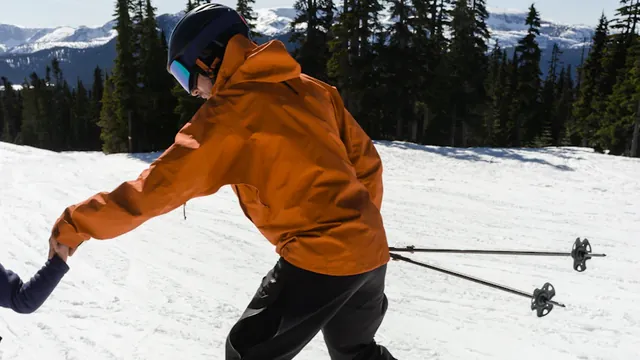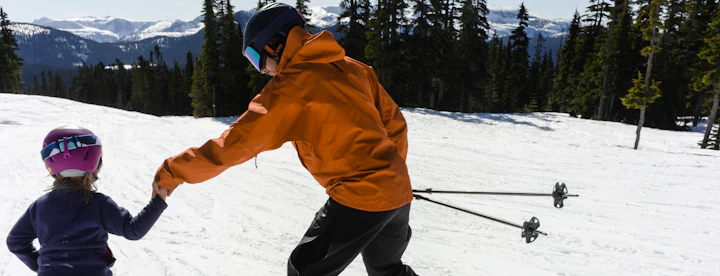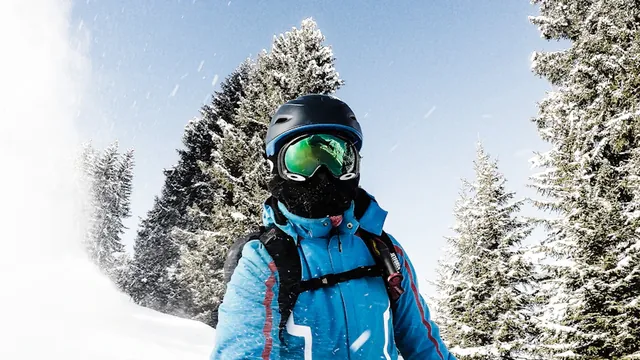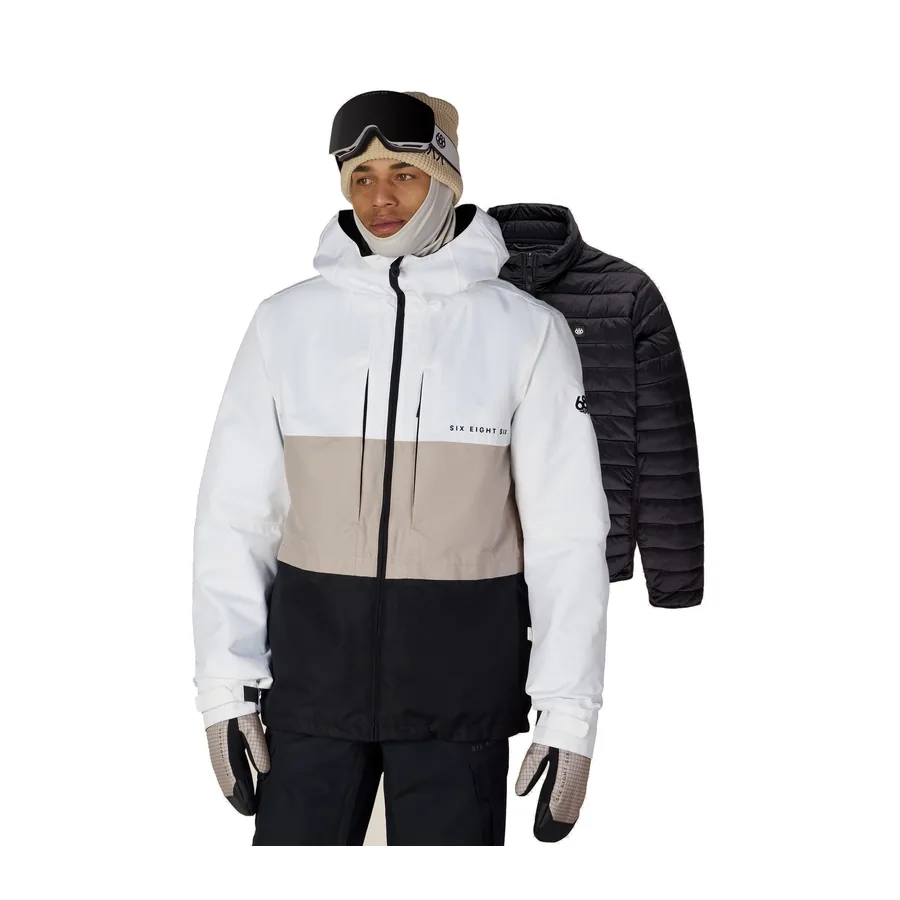
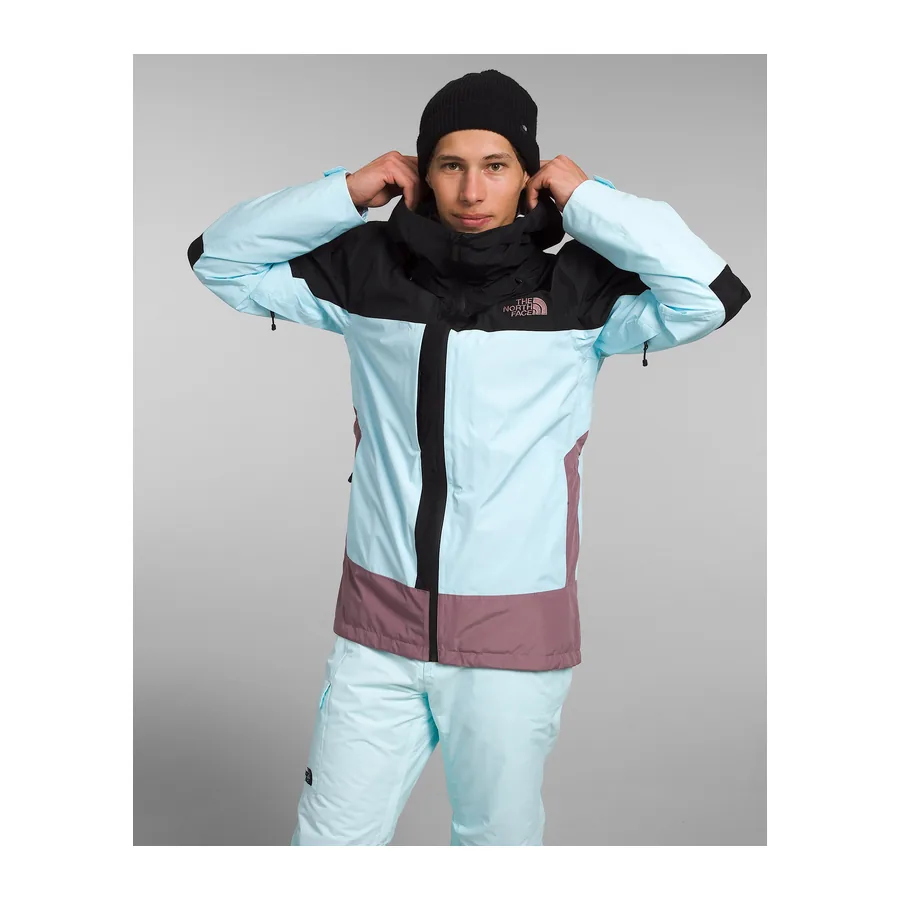

The best snow jacket for wet winter days keeps precipitation off your layers, covers the places snow usually enters and fits your normal range of movement. Start with a shell if you already own warm layers. Pick a modular jacket if you want one coat for damp walks and cold resort stops.
Which best snow jacket options suit a mixed winter trip?
| Model | Best for | Useful distinction | Trade-off |
|---|---|---|---|
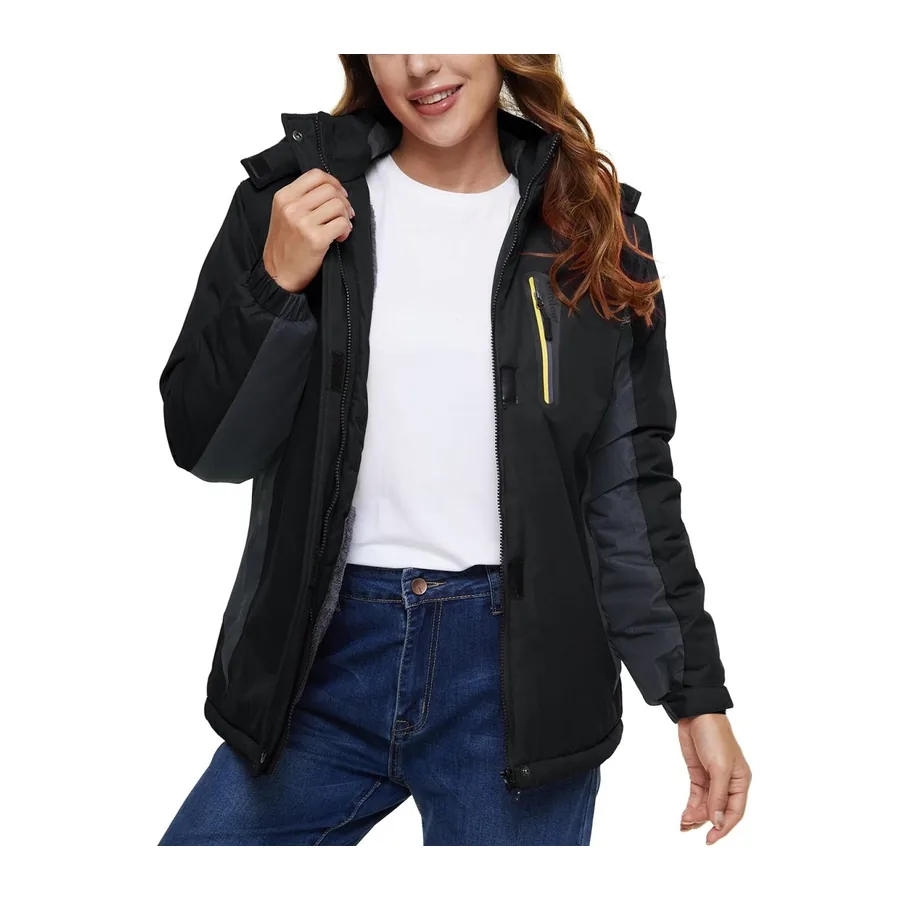
| wantdo Women Hardshell Waterproof Windproof | A rider building around a separate warm layer | A shell-oriented women’s option to try over your usual fleece | Warmth depends on the layers you bring. |
| Columbia Whirlibird V Interchange | Changing conditions and trips with two types of day | A modular configuration you can try with different layers | The full setup still needs enough shoulder room. |
| 686 Smarty 3-in-1 Form | A rider wanting a separate outer and inner configuration | Useful format to compare when days vary | More closures to manage at the neck and cuffs. |
| The North Face ThermoBall Eco Snow Triclimate | Another modular fit to try for mixed winter use | Lets you evaluate how the jacket works with and without its inner piece | Evaluate both combinations before choosing the size. |
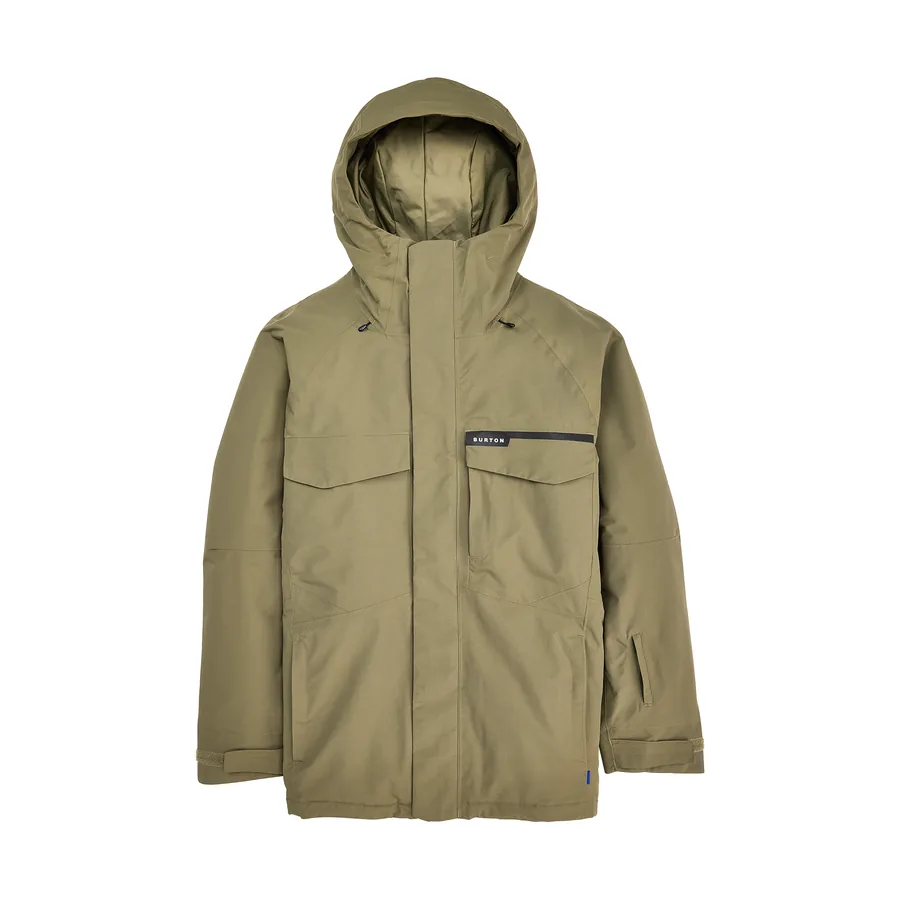
| Burton Covert 2.0 | Resort riders who also want everyday winter coverage | A men’s jacket option for a side-by-side fit trial | Use your own winter layers and full movement test. |
Browse the snow jacket catalog for the current selection. Our general ski jacket guide covers on-snow equipment decisions more broadly. This guide starts with water resistance and mixed winter use, where the same jacket may leave the resort on foot or see rain on the way home.
What does 10K or 20K waterproofing actually tell you?
A 10,000 mm rating describes a fabric test under a water column of 10 m. A 20,000 mm rating corresponds to 20 m. Use 10K as a first filter for typical resort days and occasional wet snow. Move toward 20K for regular slush, sustained wet snow or long stretches when you cannot get indoors. These are shopping starting points, not declarations that the whole jacket stays dry for a given period. Test methods and seam construction matter, and the catalog models above are not assigned any of these ratings by this guide.
Where snow can enter directly, solve the opening first. A sleeve that pulls away from your gloves exposes the wrist regardless of fabric rating. A hood that cannot turn easily with your head won’t help much if you leave it down. At the waist, try your jacket with actual snow pants or bibs. Lean forward, sit and stand up again. Keep a cut that stays covered through the whole sequence.
How do you buy for both snow and ordinary walking?
Fit the jacket over a light layer for an active day and over a warmer combination for a slow walk or waiting outside. A 30°F snowy afternoon is about −1°C, while 22°F is about −6°C. The difference is a planning example, not a comfort range for the jacket. What matters is whether your own layers give you flexibility across a change like that. A shell works if you already have a useful midlayer. A modular coat can save you from buying two independent outer jackets when the combinations work for both activities.
Measure a jacket you already like as a fit reference. A back length of 28 in is 71.1 cm, 30 in is 76.2 cm, and 32 in is 81.3 cm. More length is useful when you frequently bend in snow, but do a seated test so extra fabric doesn’t bunch in the lap. Choose by cut and movement before ordering by length alone.
What details keep the layer underneath dry?
Look for a closure layout you can manage with gloves on. Use your hands to close the front, then flex your wrists and reach forward with the sleeves arranged around the gloves. The cuff position should stay stable. Try a vent under your arm or along the body if the jacket has one. Opening the jacket before you get drenched in sweat can be more useful than buying warmer insulation. Start with a single base layer you can replace if it becomes damp.
After a day in wet snow, hang the jacket as its care label directs and dry the layers separately. Before the next trip, inspect the likely problem spots rather than assuming a higher rating would fix everything. A damp sleeve edge can indicate snow entering at the cuff. Moisture across the inside back with a dry exterior can point to sweat. A repeated issue at a seam is a reason to look at the way that seam is protected. Knowing which problem you have makes the next upgrade specific.
Which jacket should you take when only one can go?
Try the complete outfit indoors: jacket, warm layer, gloves and pants. Walk around, sit down, and then reach overhead. Take the warm layer out and repeat. If both arrangements fit with a usable collar, cuffs and hem, you have one jacket that can serve more than one kind of day. If only the thick setup works, buy it for cold stops. If you are comfortable in the thin setup and can bring a dependable midlayer, favor the flexible shell for variable weather.
When is a longer winter coat a better choice?
For sidewalks, sideline stops and snowy errands, choose extra hem coverage if it doesn’t limit your stride. For a resort day, sit down and reach toward both boots before accepting that length. A coat that gives you useful coverage while standing can press into your lap or rise when you bend. If you need one jacket for both jobs, compare two lengths in the same footwear and pants. Keep the one that covers the waistband in both positions without forcing you to rearrange the jacket every time you sit.
Bring the gloves you normally wear and use the pockets while the coat is fully zipped. The most useful pocket is the one you can reach in the weather you expect.