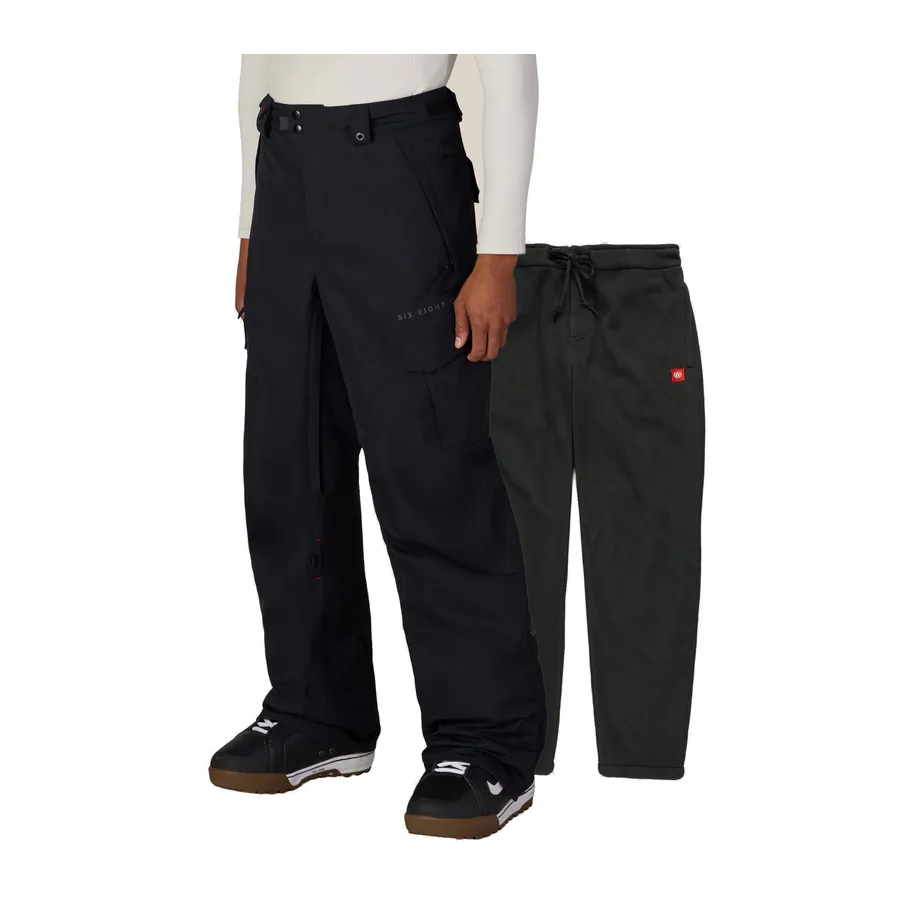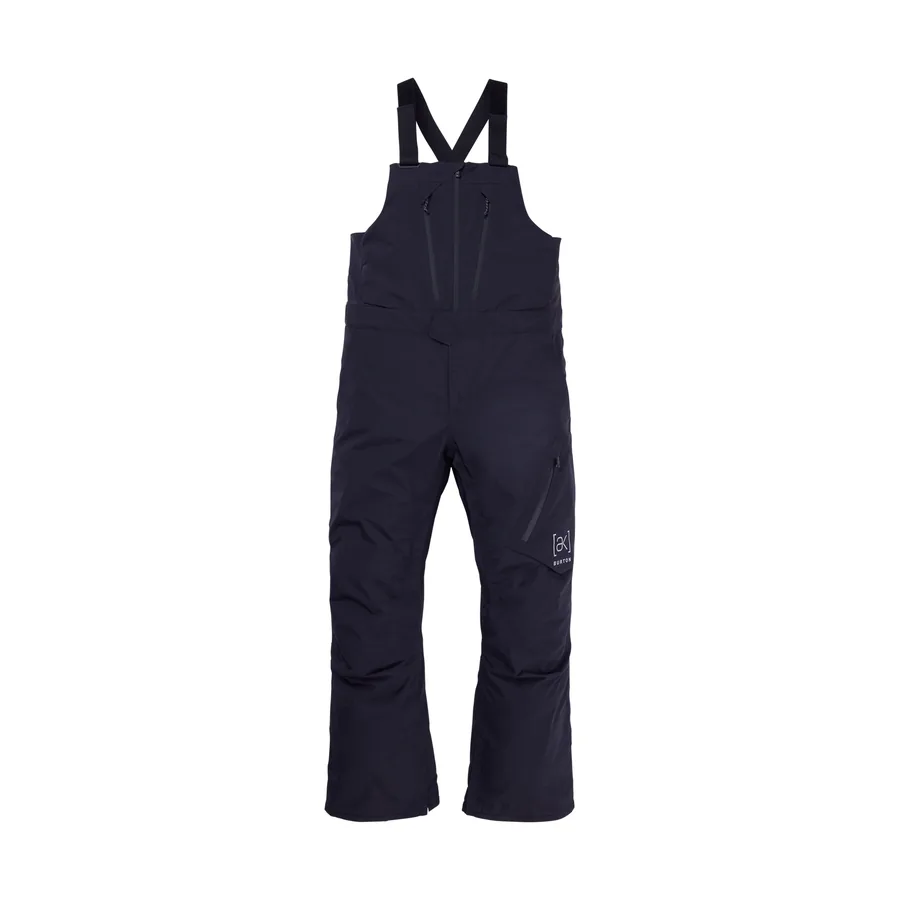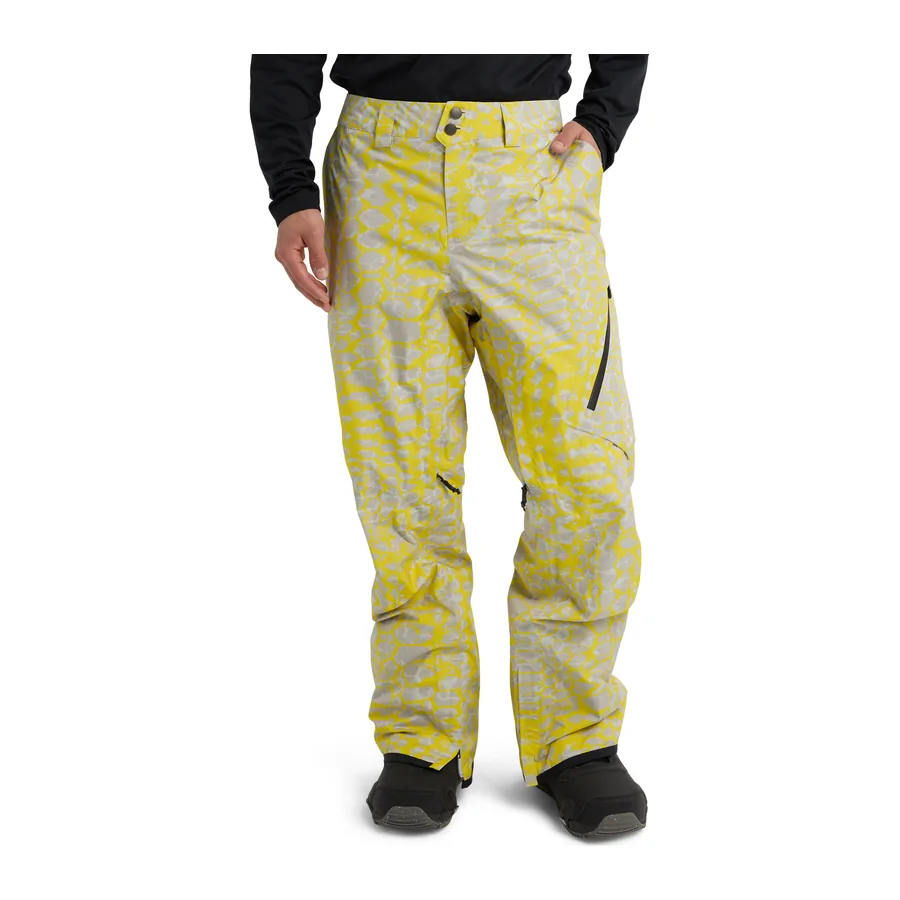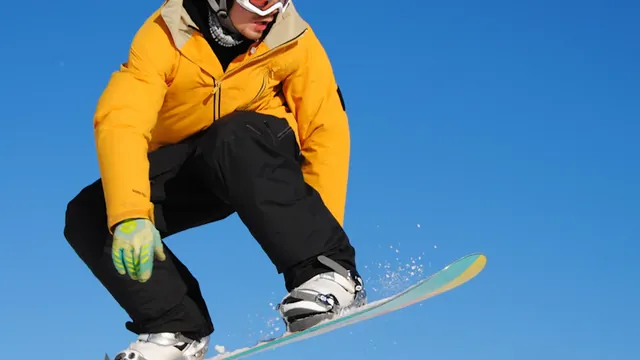
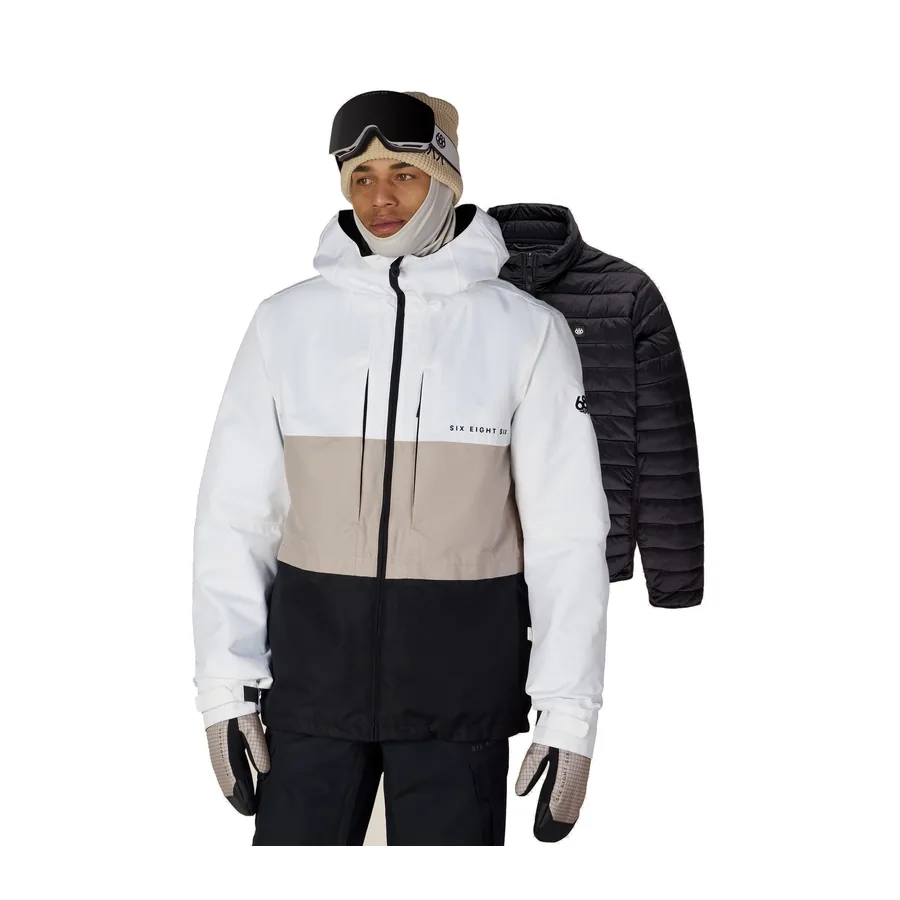
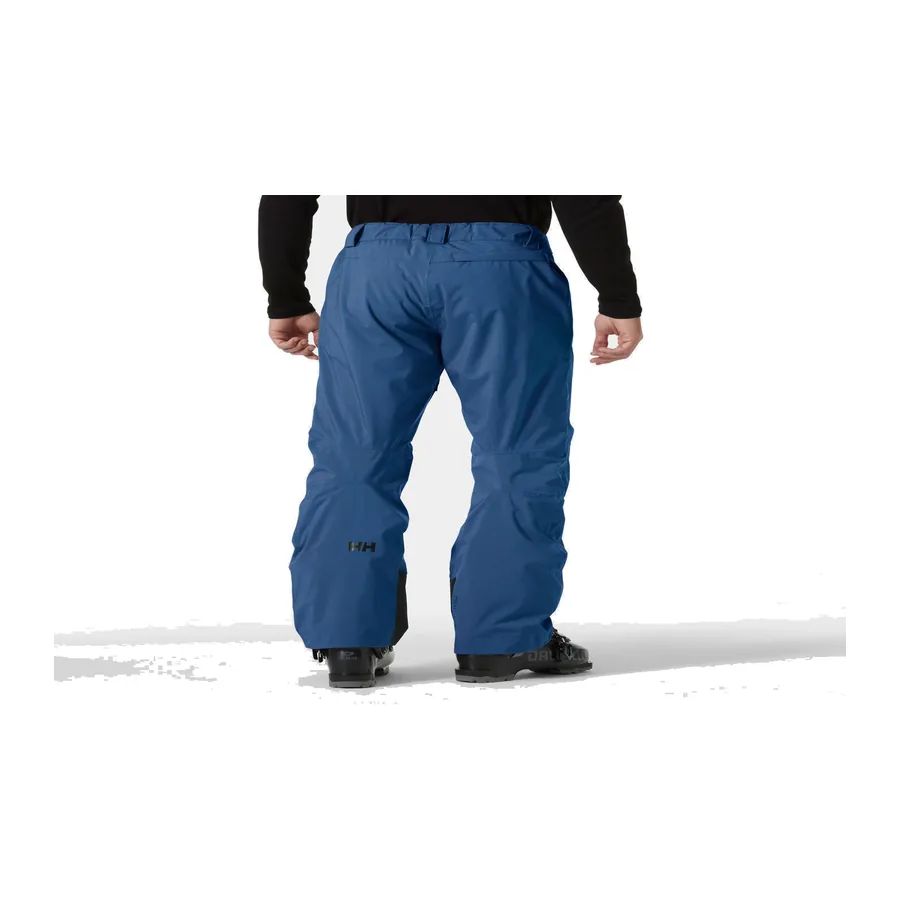

The best snowboard clothing brands to shortlist are Burton, 686, Volcom and Helly Hansen. Try a jacket and pants together before choosing. Take the layers you wear on cold lifts, test coverage while seated, and ensure you can reach your bindings without the jacket pulling tight across your shoulders.
Which are the best snowboard clothing brands to try?
| Brand and model | Shopping priority | Useful trade-off to test | Catalog tier |
|---|---|---|---|
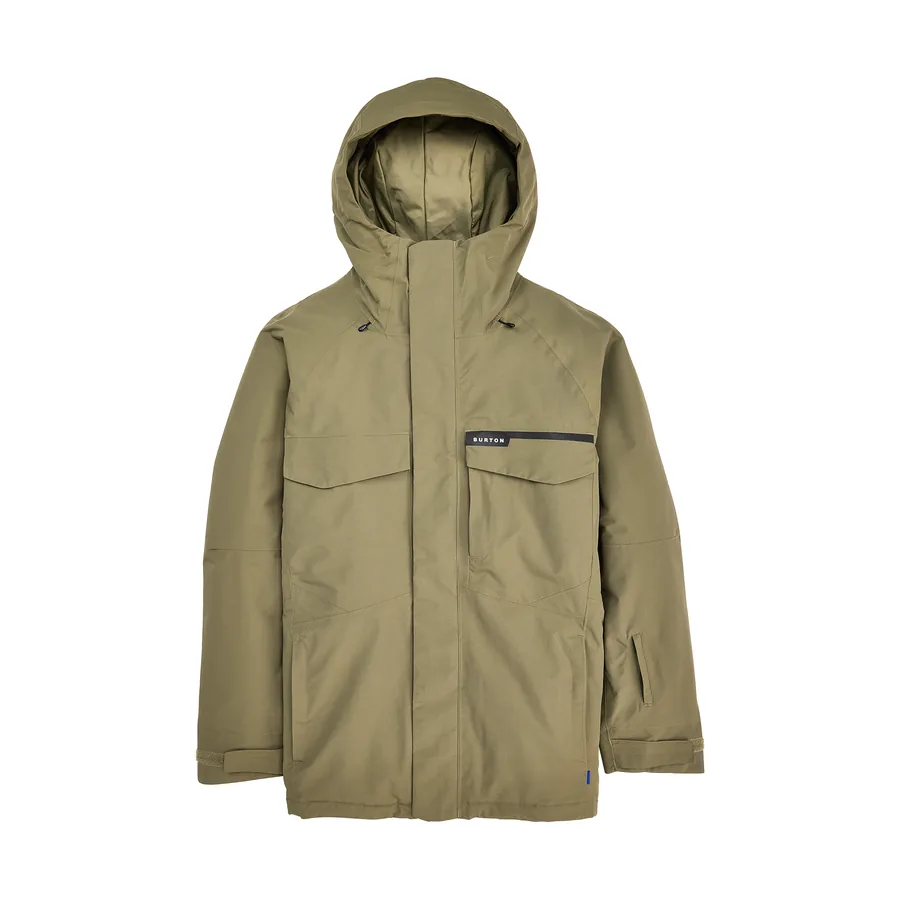
| Burton Covert 2.0 | Start with one men’s jacket and add the pants that fit you best | Identify the hem overlap with both your light and heavy layers underneath | Mid |
| 686 Smarty 3-in-1 Form | Try different layer configurations within one jacket system | Try the complete setup as well as the outer configuration and test the shoulders in both | Mid |
| Volcom L GORE-TEX Pant | Start with a dedicated resort pant and choose the jacket separately | Test the waist with what you plan to wear above it | Mid |
| Helly Hansen Legendary Insulated Pant | Try a pant with built-in insulation for colder resort routines | Try it over the thinnest base layer you would wear on a mild day | Mid |
| Columbia Whirlibird V Interchange | Add a women’s jacket option to your shortlist | Test how the collar, body and hem feel with your chosen pant or bib | Mid |
Use the model names to find current options in the jacket catalog and snow pants catalog. The tier describes their place in our catalog. It does not predict which piece will fit your particular proportions or be most comfortable with your existing gear.
Can you combine brands in one outfit?
Yes. Choose the jacket by shoulder movement and torso coverage, and the pants by waist, hip and boot fit. If you already have a jacket you like, put it on over the two pant styles you are evaluate. Sit on a bench and bend forward. If the hem rises enough to leave a gap above the waistband, try another pant rise or a bib before replacing the jacket.
If the pieces have an attachment system, ensure that the exact parts are meant to connect. An outfit can work without a dedicated attachment when the overlap stays in place during your normal movements. Look at the whole setup while standing, sitting and reaching to both boots. Pay attention to how the inner layers shift as well as whether the two outer pieces cover each other.
How do you test the jacket before deciding?
Bring one light base layer and one cold-day combination. Zip the jacket over each. Reach forward with both hands, lift one hand above your head, and cross each arm in front of your body. Try the same movements while seated. If the shoulder area pulls only in the thicker setup, decide whether that setup represents the conditions you buy for. A layer that will never fit underneath is less useful than one you can take on and off easily.
Inspect the ends of the sleeves while wearing gloves. Close the cuffs in the position you use on snow and ensure that your wrists stay covered when you reach. Then touch the main zipper, pocket zippers and any vent controls you plan to use. A closure that works smoothly with bare hands may feel quite different with both gloves on. Make adjustments with the pockets loaded the way you normally carry them.
What matters when you test the pants?
Bring your snowboard boots and wear whatever you usually put underneath your pants. Sit completely down before deciding whether the waistband fits. Raise each knee several times and reach across your body as if you were fastening a binding. See whether the waistband shifts and whether a pocket, seam or closure creates a pressure point. Pull the cuffs over your boots using the garment maker’s instructions.
For more on shopping for cuts, use the ski pants and bibs guide. Test the same practical limits in each piece: whether the hem clears your boot controls, how easily you can sit and how much room remains after adding your usual layers. When you try a pant with a bib, test the straps under the jacket and test the fastening sequence from start to finish.
Which outfit is easiest to adapt during the season?
For a rider who often gets warm on runs and cold on lifts, start by testing a separate midlayer that is easy to remove during a break. For someone who gets consistently cold even while moving, try models by how the whole warm-day and cold-day combinations feel. Pull your hood and collar into their normal positions and test them with your helmet and goggles. If they restrict your head movement, determine whether the collar works with the hood down before combining the pieces.
Use the same two layer combinations when shopping for brands so the test stays fair. Make a short note about which set let you move, how the sleeves and waist overlapped, and whether you could handle the controls in gloves. That record is more useful when you order the other piece later than remembering the brand name alone. Reassess the outfit at home once the full kit is together.
What goes into a useful return-window test?
Leave the tags on and use an indoor floor with enough room to move, then put on the complete outfit. Sit for two minutes with the pockets loaded, stand up, and repeat the motions you use to fasten each boot or binding. Note where the seams and closures settle after ordinary movement. In particular, a roomy cut should still let you reach your pockets and handle your equipment without moving fabric out of the way every time.
Try only one changed piece at a time. Keep the same gloves when evaluating two jacket cuffs and keep the same boots when evaluating two pants. If you find a problem, identify whether it belongs to the garment itself or only to that combination. A pair of pants that fits well may still need a jacket with slightly different overlap, and knowing that can save you from replacing both pieces.
How do you carry fit measurements across brands?
If a chart gives garment dimensions, use a piece you already like as the reference. For example, a jacket measuring 22 inches flat at the chest has a garment circumference of about 44 inches, or 111.8 cm. A 24-inch flat hem becomes 48 inches around, or 121.9 cm. Record the lengths separately: a 26-inch sleeve is 66.0 cm and a 29-inch back is 73.7 cm. These are worksheet examples rather than specs for any model above. Use the same measuring points on both pieces. If the chart uses body dimensions, use those as directed and save the garment numbers for a separate fit trial.