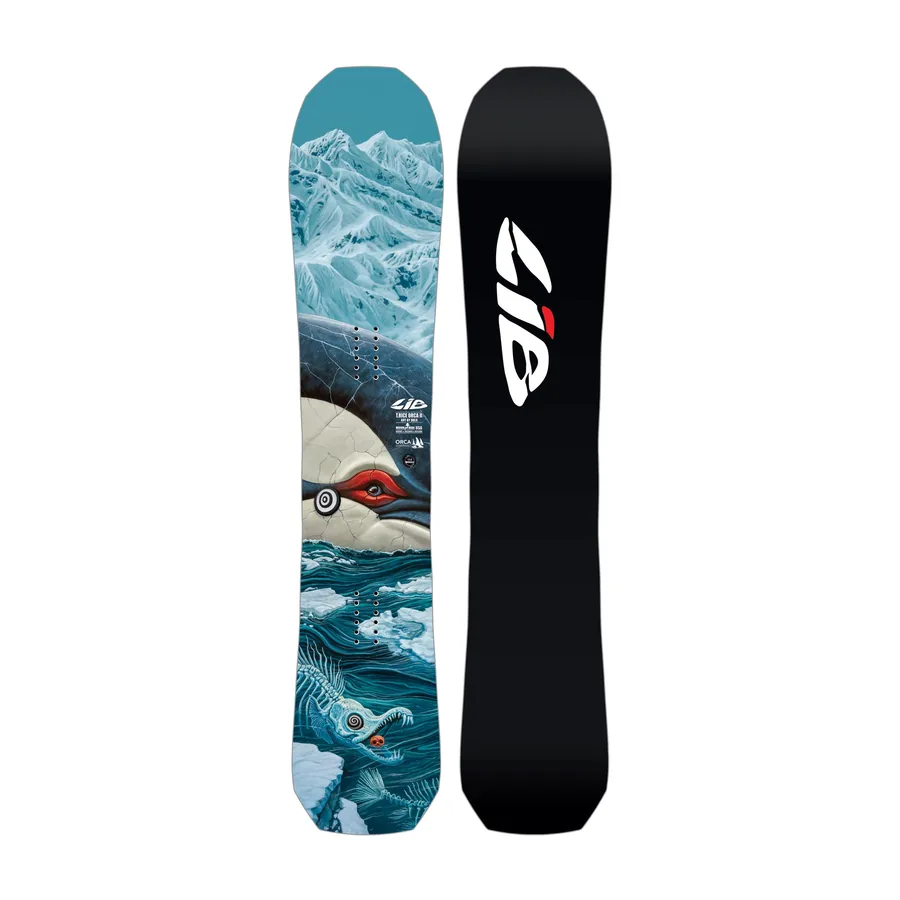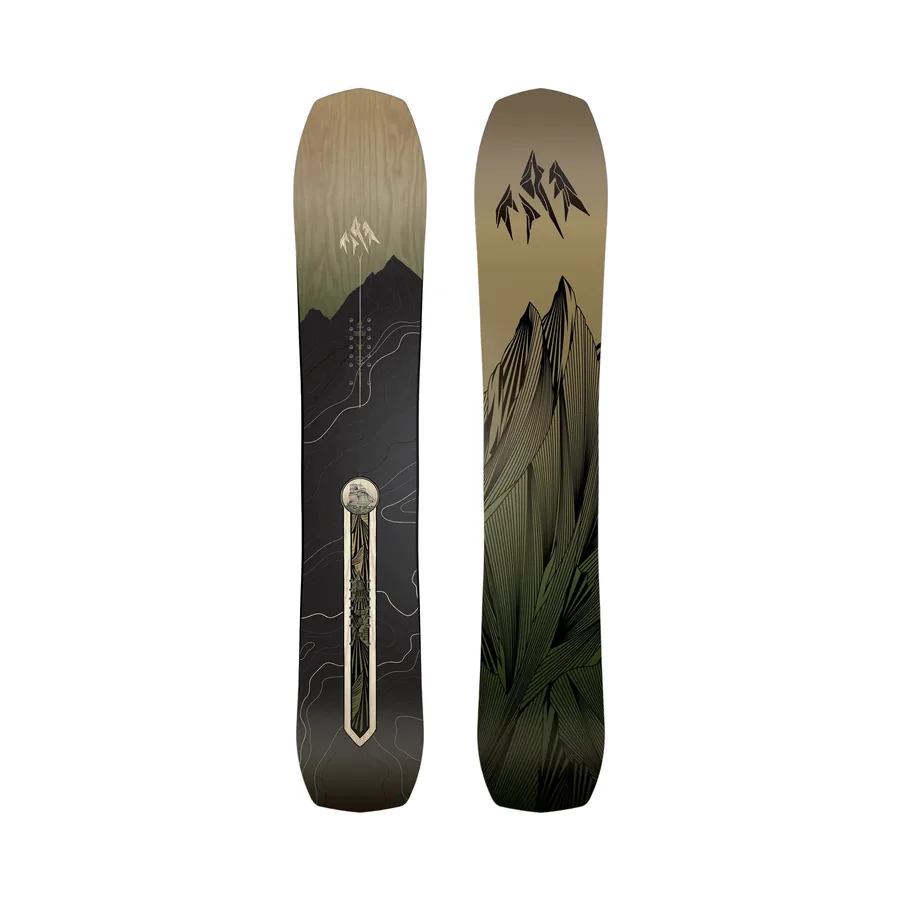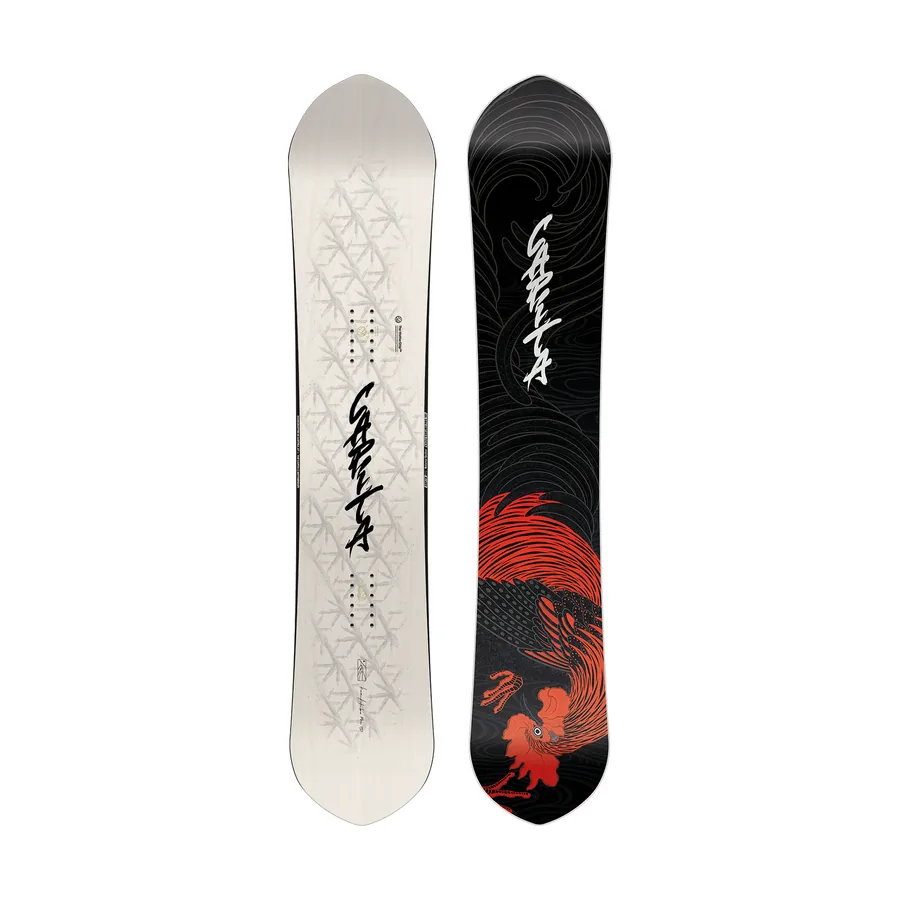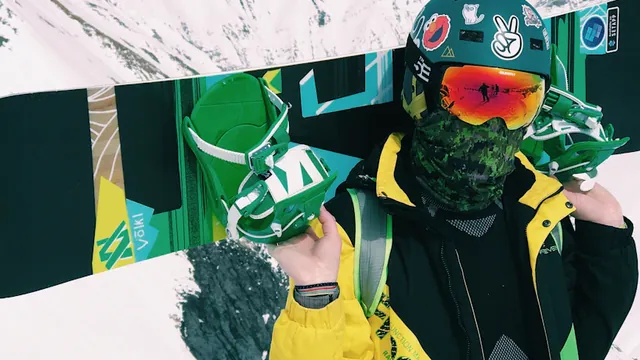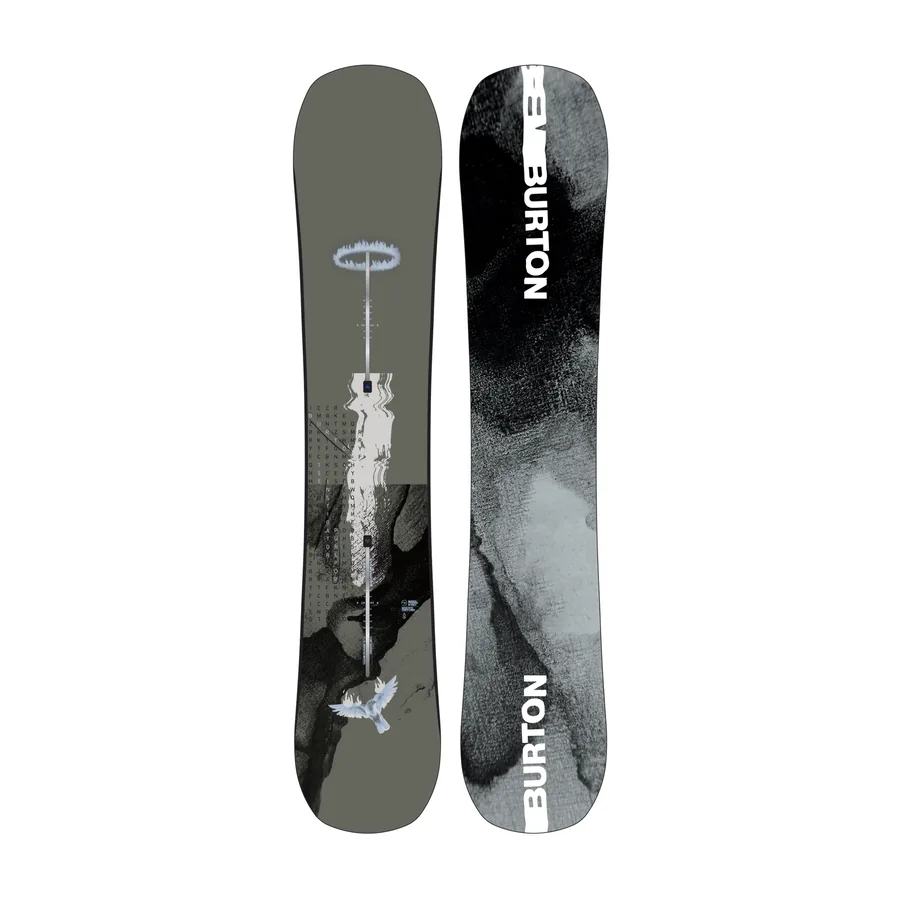
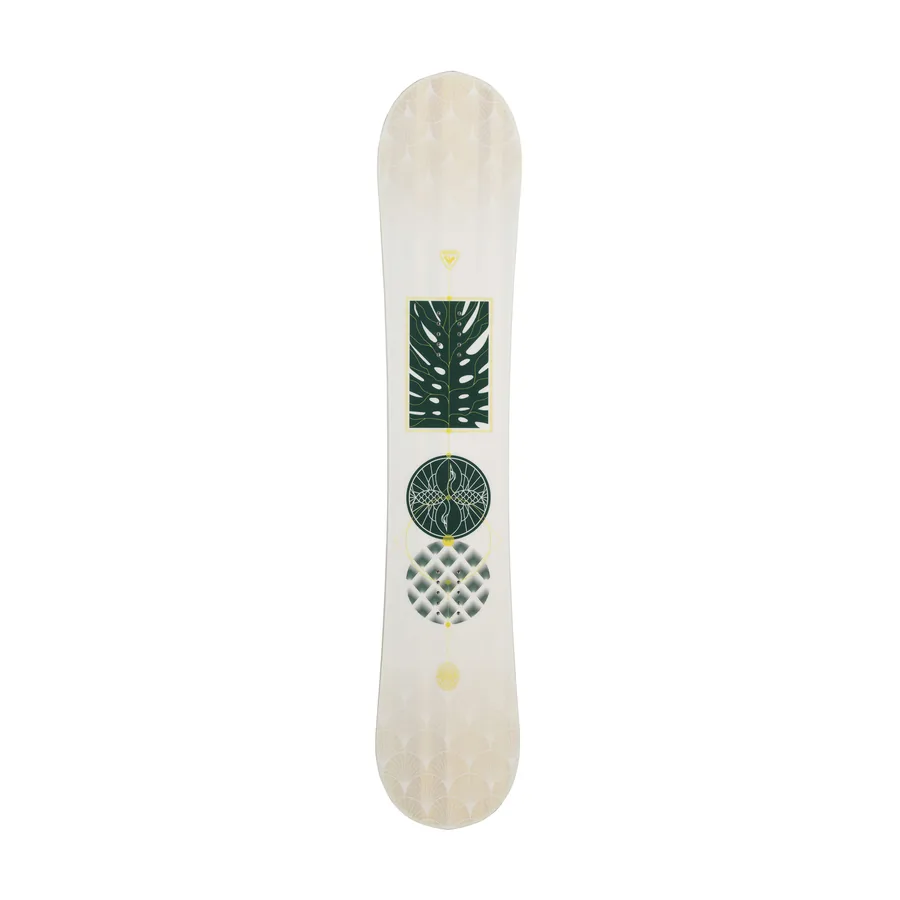
The best snowboarding brands for you are the ones with a board that fits your weight and boots and matches where you ride. Use brands to find suitable models. Start with Burton or Rossignol for a beginner shortlist, CAPiTA for a freestyle evaluation, and Lib Tech or JONES for freeride options.
Which are the best snowboarding brands by riding style?
| Brand and catalog model | Best for | Why evaluate it | Trade-off to inspect |
|---|---|---|---|
| Burton Instigator PurePop Camber | A new rider evaluating resort boards | Beginner-level all-mountain choice | Establish the exact hardware for any bindings you already own |
| Rossignol Soulside | A rider working toward consistent linked turns | Beginner progression alternative from another brand | Establish that available lengths match your weight |
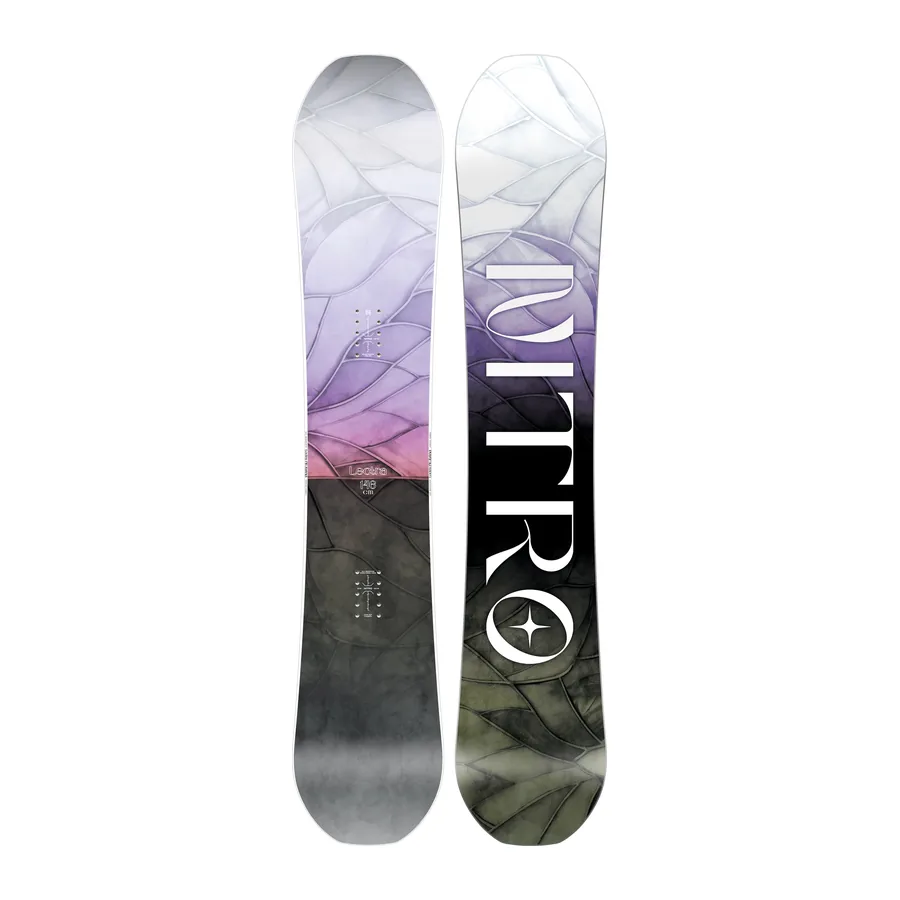
| Nitro Lectra Directional Twin | Someone evaluating resort all-mountain models | Another starting point for mixed resort terrain | Evaluate the exact boot clearance across available sizes |
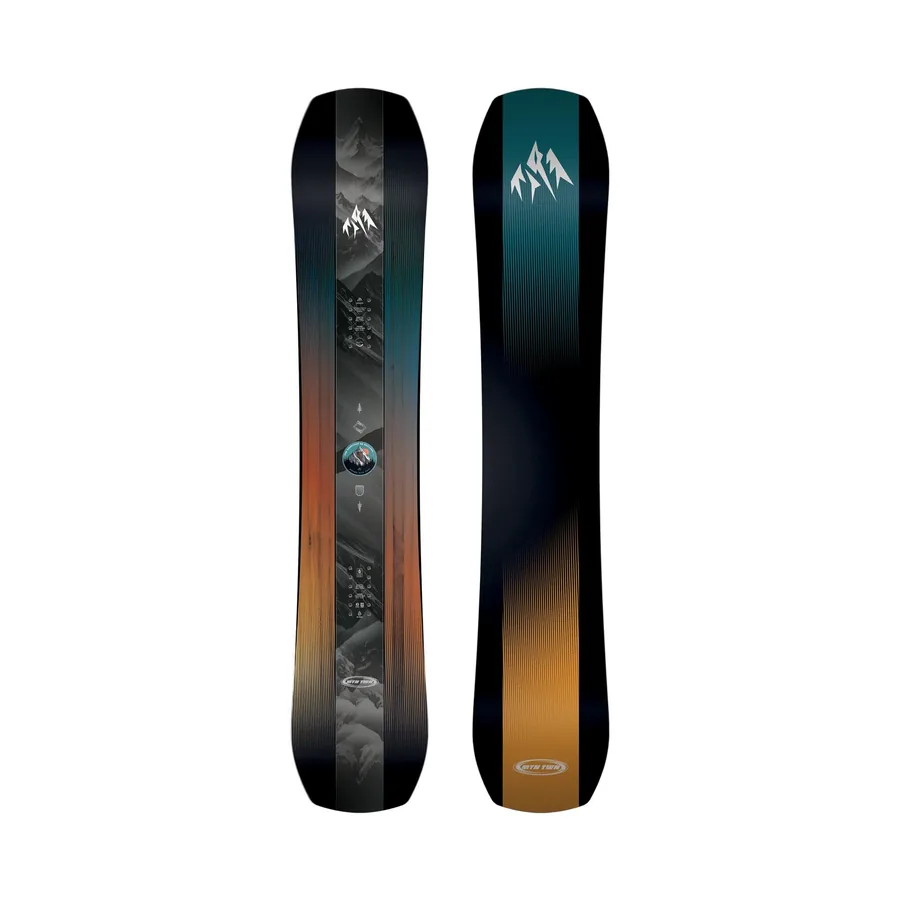
| JONES Mountain Twin | A resort rider planning to mix terrain in one day | All-mountain model to evaluate with more focused boards | An all-mountain label does not settle the fit |
| CAPiTA Defenders of Awesome | An intermediate rider evaluating freestyle models | Freestyle role makes it a useful reference for that shortlist | Evaluate a beginner board first if you are still learning basic turns |
| Lib Tech Orca | An advanced rider selecting for freeride terrain | The catalog classifies it for powder and freeride | A terrain-specific choice may be a poor match for your usual laps |
| JONES Flagship | A rider inspecting another freeride option | A direct evaluation for natural-terrain priorities | Use its own length chart rather than transferring a size from another board |
Start in the snowboard catalog if you already know your terrain. For a first board, the beginner snowboard category keeps you closer to useful models. This evaluation evaluates the examples above rather than assuming every model sold by a brand shares the same purpose or level.
How do you make a brand shortlist for your actual riding?
Choose the two types of runs you repeat most. A rider who spends the morning on beginner groomers and the afternoon practicing the same turns needs a different shortlist from a rider who alternates resort laps with park features. Start from what you do routinely, then pick one activity you want to add this season. Match models to those two conditions. Do not buy around terrain you are unlikely to ride just because a manufacturer is associated with it.
Write down what you want to feel differently in the next board. For a progressing rider it might be more predictable turns at the speeds they actually reach. For a freestyle rider it might be a better match for switching direction. A freeride rider may be evaluating boards for different kinds of natural terrain. Given that concrete description, it is easier to evaluate two catalogs and see which model in each one addresses the same need. When evaluating a third brand, keep the use case fixed so you do not accidentally evaluate three unrelated boards.
How do you evaluate two boards from rival brands?
Make a small evaluation sheet with model and year, intended terrain, length and weight range, width guidance, and mounting system. Fill every field using the exact model rather than the brand page. Then evaluate the same size only if both makers list it as a fit for your weight and boots. If one board comes in a different length that solves the width issue, include it even though the labels do not match.
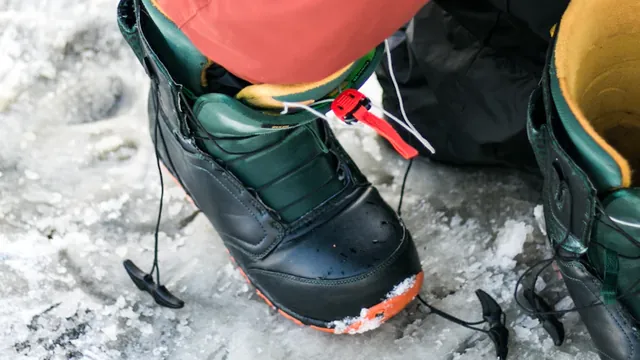
Fit snowboard boots first if those are still undecided. Record the exact boots and their outer fit in the binding. Then establish the bindings can mount to the board using the hardware for their exact model. A board can pass the weight chart and still lose the evaluation if it does not work with the equipment you already own, or if it would require you to replace a major component unnecessarily. Use the beginner gear gear list if you are putting all three pieces together for the first time.
When does sticking with one brand make sense?
A familiar model can provide a useful baseline. If you have ridden it in several conditions, write down what you liked and what you want to change. Start by evaluating the replacement from the same brand, but keep another qualifying model on the list. That gives you a way to distinguish whether you want the feel of a familiar board or an improvement in a specific trait.
When buying a complete setup, inspect what is actually included. A board sold alongside two items from the same manufacturer may still require a compatibility decision, especially across model years, binding systems or different sizes. An option from another brand belongs on the shortlist when it meets the same fit and mounting requirements. You can decide which purchase feels simpler only after inspecting the actual components.
What’s the fastest way to pick between two finalists?
If possible, evaluate both options on the same runs without changing boots or binding settings between them. Record what you noticed at your normal speed, where you felt most comfortable and where you had to work harder. If testing is unavailable, use the fit sheet to evaluate terrain, width and compatibility. Ask for the precise information you are missing instead of requesting an overall brand ranking.
Give the board and intended riding conditions more weight than the logo. End with a shortlist of two eligible models and a note about what makes one more appropriate this season. Once you have an exact model and size that fit, the brand evaluation has done its job. You can then evaluate availability and the cost of the entire setup without revisiting every manufacturer.
What should go on the final two-model shortlist?
Write down the one reason each model qualifies, the one trade-off you accept, and the question you still need answered. If the unresolved question is the mounting hardware, contact the maker with exact model details before ordering. If the uncertainty is simply which graphic you like, your equipment evaluation is already complete.
How can you run a two-brand demo?
For an illustrative resort demo, use 2 boards with the same boots and your usual compatible binding setup, then choose 2 familiar runs. Ride each run once per board if you can, for 4 runs total. Log 3 observations per run: how readily you enter a turn, whether you stay comfortable through rougher snow and whether the board does what you want at the speed you actually ride. Use a simple 1–5 scale as a note-taking tool, not an objective product score.
If Board A gets scores of 4, 3 and 5 on the run you ride most, while Board B gets 3, 5 and 3, the better choice depends on your priority. For a rider putting predictable turn entry first, Board A has the more relevant result even if Board B stands out in uneven snow. That is an example, not test data for the catalog products. If snow or traffic changes significantly between runs, treat your notes as provisional and make the next comparison on similar terrain.