The best women’s ski bibs fit through the hips when you sit, stay in place without pulling at your shoulders, and clear your boot closures. Start with the maker’s waist and hip measurements. Then try torso length, strap adjustment and pocket access in the exact layers you wear on snow.
What inseam goes with your boot and torso fit?
Start with a known good booted inseam. A 28 in inseam is 71.1 cm, 30 in is 76.2 cm, and 32 in is 81.3 cm. If the hem of a 32 in bib drags about 2 in over your boot, test a 30 in version of that cut before changing overall size. A strap adjustment cannot shorten the leg without also lifting the waist and crotch. For an example chart reading, a 28 in waist is 71.1 cm and a 38 in hip is 96.5 cm. Select by the maker’s hip and waist ranges, then use strap adjustment for torso fit.
Which are the best women’s ski bibs to try?
| Model | Best for | What it offers | Fit limitation to test | Tier |
|---|---|---|---|---|
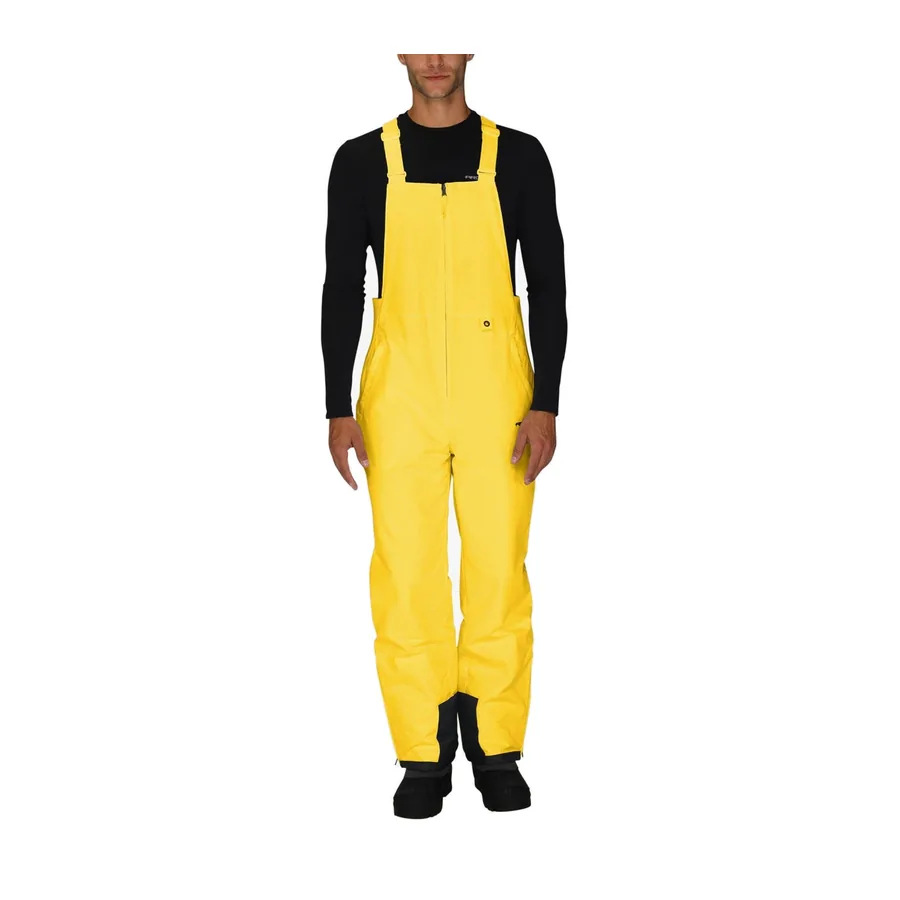
| Arctix Essential Insulated Bib Overalls in | A budget setup where you want more coverage at the waist | Women’s bib option to try with your current pants | Test the actual inseam and hem with your boots on | Budget |
| BenBoy Snow Ski Bibs Adjustable Straps | Riders weighing shoulder and torso fit | An adjustable-strap option for extra upper-body coverage | Test whether the buckles and jacket layers overlap | Mid |
| BenBoy Snow Bibs Ski Waterproof Windproof | Weighing another bib cut in the middle of the catalog range | An alternative fit for riders who want waist coverage | Test the hip area in the seated position | Mid |
| WULFUL Insulated Snow Bibs Waterproof Winter | A budget bib for a layering trial with your existing resort gear | Additional coverage above the waist | Test thigh room over your normal base layer | Budget |
| GSOU SNOW Snowboard Pants Baggy Snow Bibs | A rider weighing a looser-looking bib cut | Another option for torso and waist coverage | Test whether the hem drags when walking in boots | Premium |
Use the women’s snow pants and bibs catalog for the shortlist. If you are still deciding between waist pants and bibs, try them in the general ski pants guide. This guide focuses on the bib-specific fit decisions that can make two similar sizes feel different.
Where should you measure before ordering?
Test the exact model’s sizing chart and note whether it asks for body measurements or garment dimensions. Take your waist and hip measurements in the positions shown. Record them in the chart’s units. If you are converting inches to centimeters, multiply by 2.54. If your waist and hip measurements suggest different sizes, try both using the seated hip test. A bib that fits your hips can be uncomfortable if the torso is too short, even if the straps still close.
For online shopping, measure a pair that already works where the new size chart provides comparable garment dimensions. Keep body measurements separate. If the manufacturer provides inseam but no torso measurement, test the return terms before choosing between two cuts. Your existing pants can help with the leg length side-by-side test, but the bib also has to sit comfortably from the crotch to the shoulders.
How do you test fit with three movements?
- Sit with both feet on the floor. Wear the base layer you use most often. Test whether the hip and thigh fabric lets you sit naturally. If the crotch pulls upward or the bib tugs at your shoulders, loosen both straps slightly and repeat.
- Reach for the far boot. Put both boots on and reach across your body as if tightening a binding. The fabric should permit the motion with your jacket closed. Watch whether the straps slide off or tighten noticeably when you bend.
- Step up and walk. Put one foot on a low step and then take a few steps on a clean floor. Test that the hem clears the boot hardware and that neither leg drags under your heels.
Adjust the straps on both sides, change only one thing at a time, and repeat the sequence. If loosening the straps improves the shoulder fit but lowers the crotch enough to restrict movement, try a different torso length or cut. If the hips feel good and the only problem is the hem, try another inseam before changing the overall size.
How do closures and pockets behave under a jacket?
Put on the jacket you ride in and fill the pockets you normally use. Sit down with the jacket zipped. A pocket that is easy to reach standing can be blocked by the hem or press into your hip while seated. Test any side or rear access closure you expect to use and ensure it is reachable with your layers arranged as they would be on the hill.
Make a note about each closure you expect to touch while wearing gloves. Try whether it is easy to find, easy to pull and clear of the outer fabric. If the bib works without the jacket but feels crowded when you have both on, use the complete setup to decide. More straps or closures are only useful if you can manage them when they are covered.
What matters most for your first day in bibs?
Start with a fit that lets you move and work your boots, then try warmth and pocket layout. Use your regular socks, boots and jacket during the indoor test. Repeat it with a warmer base layer if you plan to use the bib on colder trips. A fit that only works over the lightest setup may be too restrictive for your usual midwinter day.
If you already own waist pants, use them as a reference. Write down where you gain coverage with the bib and whether you give up easy access to anything you use often. A clear gain at the low back or waist is meaningful if you sit to adjust bindings. If your current pants already keep snow out and move comfortably, ensure the bib solves a specific problem before choosing it.
What do you change if your fit varies by layer?
Start with the thinner layer on and set the straps so the bib sits comfortably through the hips as you crouch. Take a note of the strap position before switching to the warmer layer. If you have to change the straps for the second fit, test whether the resulting waist position still feels right. A small change you can repeat is practical. If the bib only works with one outfit and you need it for both, try another cut before committing. Test the same changes with the jacket zipped so you can feel whether the layers move together.