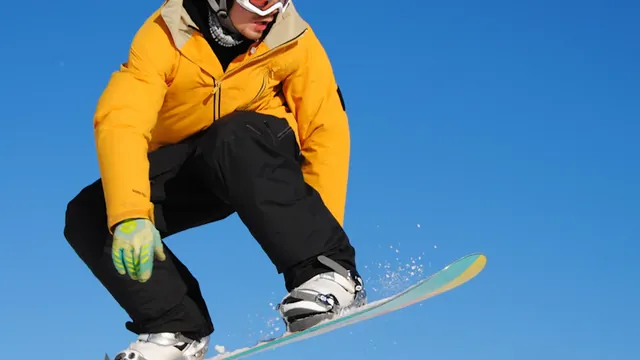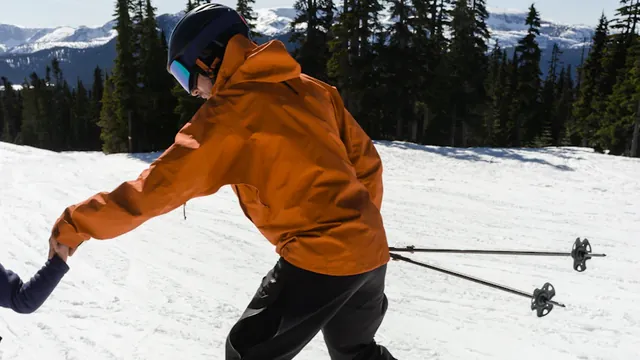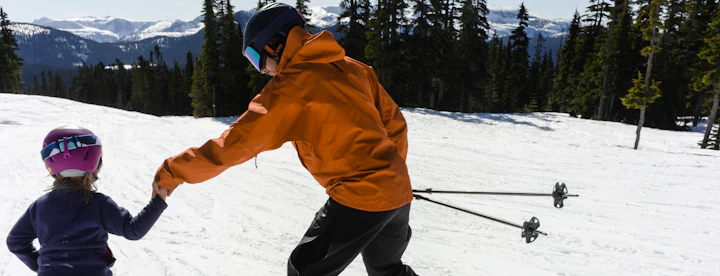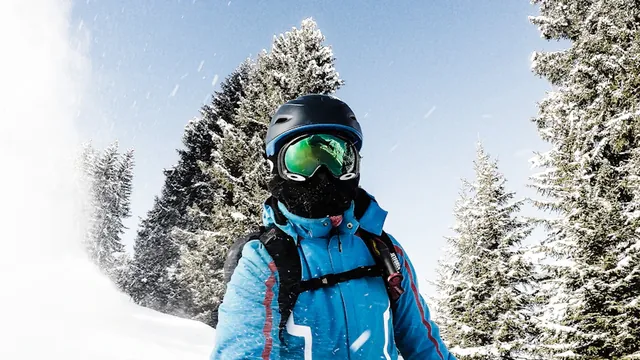
The best women’s ski jacket fits over your cold-day layers, keeps your waist covered when you reach for your boots, and lets you move your head with a helmet on. Start with a shell if you change layers through the season. Try an insulated setup if cold chairs and rest breaks are the main reason you are shopping.
Best women’s ski jacket options to try
| Model | Shortlist it if | Price range |
|---|---|---|
| Columbia Whirlibird V Interchange | You want to assess one option against your current resort layering system | Mid |
| wantdo Women Hardshell Waterproof Windproof | You want to try fit over layers you already own | Mid |
| MOERDENG Ski Jacket Warm Winter Coat | You want a budget option to try for resort coverage and fit | Budget |
| WULFUL Waterproof Ski Jacket Warm Winter | You want a second mid-tier option to try with the same layers | Mid |
| TACVASEN Winter Coats Waterproof | You want a premium-tier comparison for your resort outfit | Premium |
The model names and tiers above match our women’s ski jacket catalog. Use them to start a try-on. For a specific rating or garment detail, use the listing for the version you are buying. A jacket can fit differently across cuts regardless of the insulation or fabrics in the description.
Pick a layering setup before the jacket size
Bring the base layer and midlayer you actually wear on your coldest regular days. Put them both on, close the jacket and ensure that you can reach forward comfortably. If a jacket only fits when you leave a needed layer at home, it is the wrong fit for that setup. If the same jacket feels roomy on warm days, see whether you can adjust the cuffs and hem without restricting movement.
Decide which piece you would remove if you got too warm. If you can remove a midlayer and leave the outer jacket on, the setup is easy to adapt as the day changes. If you plan to wear an insulated jacket most of the winter, put it on over your warmest usual top and try the full system while moving and sitting. Use the conditions you ski most often as the baseline. A coat that suits one particularly cold trip may spend most of the season uncomfortably warm.
Try four movements in a zipped jacket
- Reach across your chest. Grab the opposite shoulder or mimic a pole plant, then switch sides. Notice pulling across your upper back and chest.
- Raise both arms. See whether the cuffs stay where you want them and how far the hem lifts. Repeat with gloves in place to see the wrist overlap.
- Bend down and reach for your boots. Try the overlap with your snow pants standing and bent forward. If the hem rises off the waistband, try a longer cut or a bib.
- Sit down with the main pockets loaded. Put your phone or pass where it normally goes. See whether the zipper, pocket contents or hem press into you.
If a size feels too tight in one movement, repeat the test in another cut. A larger size can change sleeve and body length as well as the room you need in the shoulders or hips. Look for the cut that fixes your particular problem instead of adjusting multiple parts of the outfit at once.
Test helmet, hood and collar together
Take your helmet and goggles to the fitting if you expect to use the hood over them. First test the helmet and goggles by themselves, then arrange the hood as directed for the jacket. Turn your head to both sides and look up and down. See whether the hood pulls the jacket collar into your chin or restricts your view. If you can only turn comfortably with the hood loose or unfastened, evaluate whether that works in the weather you actually ride.
Also test the inside of the collar with the hood down. Some riders want the jacket zipped high while standing still and lower while riding hard. Try both positions with a gaiter. Ensure the collar does not interfere with taking the goggles off or putting them back on during a break.
Try the details on the day you expect to use them
| If this happens often | Test this before buying |
|---|---|
| You wait in exposed lift lines | Try coverage at the neck and wrists while wearing your usual gloves and gaiter. |
| You carry a small backpack | Put it on and see whether the straps cover pockets or make a hood adjustment difficult. |
| You open vents midway through runs | Operate them with both gloves on and the jacket fully closed. |
| You use bibs | Sit down with the jacket zipped and observe how the two garments overlap. |
| You use a lift pass pocket | Test which side it sits on and whether you can reach it under other layers. |
Write down the exact model, size and layers from the jacket that passes these fit steps. If you order online, repeat the test indoors before removing tags. Use the same helmet and gloves you plan to take to the resort. This gives you a way to decide between two similar options based on your own equipment and your regular winter conditions.
Test the closure and sleeve details last
Once two jackets pass the movement test, spend a minute on the main zipper, cuff tabs and hem adjustment. Fasten them with gloves on, starting with the jacket fully open. If you usually take gloves off at the lift or keep liners on during breaks, do it both ways. A closing system that takes three attempts in a warm room will be even more frustrating when you are trying to get moving quickly.
Try a final side-by-side comparison with the same base and mid layers. If one jacket lets you turn your head better and the other gives better waist coverage, pick the feature that solves the problem you run into most often. Write down your second choice as well. If your preferred cut is unavailable, you can switch to another jacket you have already checked instead of trying a different size by guesswork.
Use actual garment measurements when your shoulders and hips fit differently
Start with a jacket that works over your thickest usual layers. A hypothetical reference jacket could measure 19 inches flat across the chest (48.3 cm), 21 inches flat at the hem (53.3 cm), 24 inches at the sleeve (61.0 cm) and 27 inches down the back (68.6 cm). Match the retailer’s measuring method. If the chart lists flat widths, enter the flat numbers as measured. If it lists garment circumference, the example chest and hem are approximately 38 and 42 inches around. A body measurement chart is different. Measure your body as directed and keep the old garment dimensions for testing proportions.