
The best women’s snowboard is one you can get in a size that fits your weight and boots, with a riding profile suited to the terrain you actually use. Start with a progression-oriented model if you are learning turns. If you already ride confidently, evaluate an all-mountain model against what you want to change about your current board.
Which women’s snowboards should you evaluate?
| Model | Best for | Catalog tier | Inspect before buying |
|---|---|---|---|
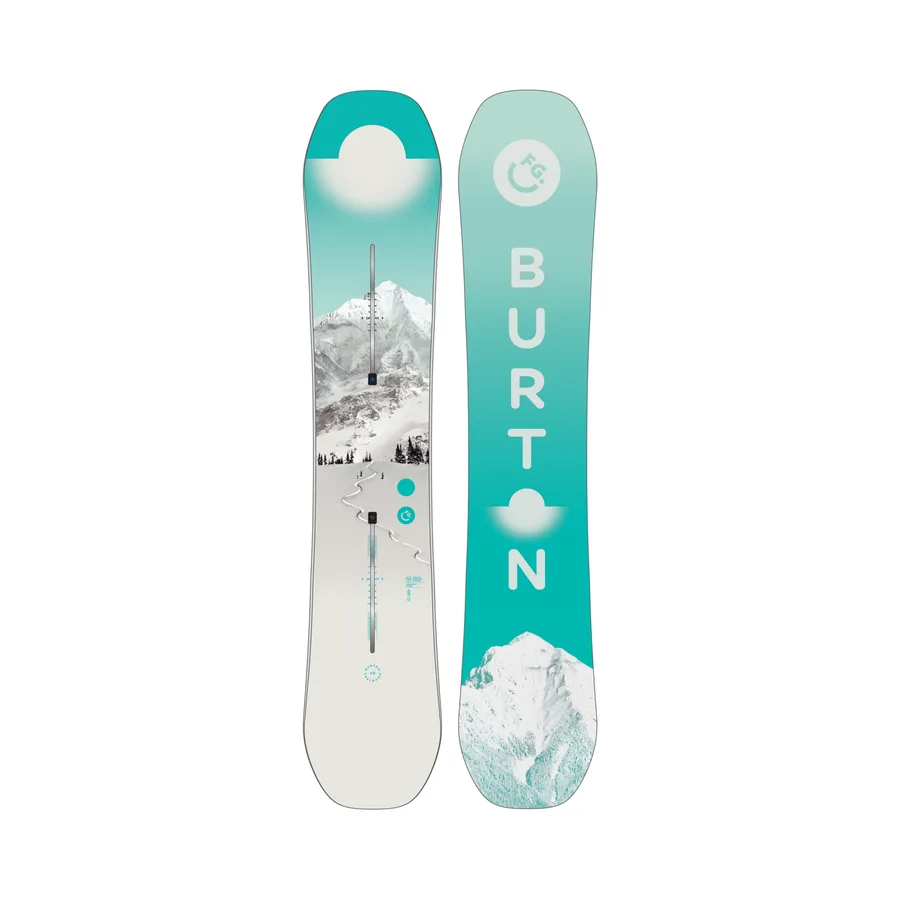
| Burton Hideaway Rocker | New riders working toward linked turns | Budget | Evaluate your weight with the chart for the exact length and model year. |
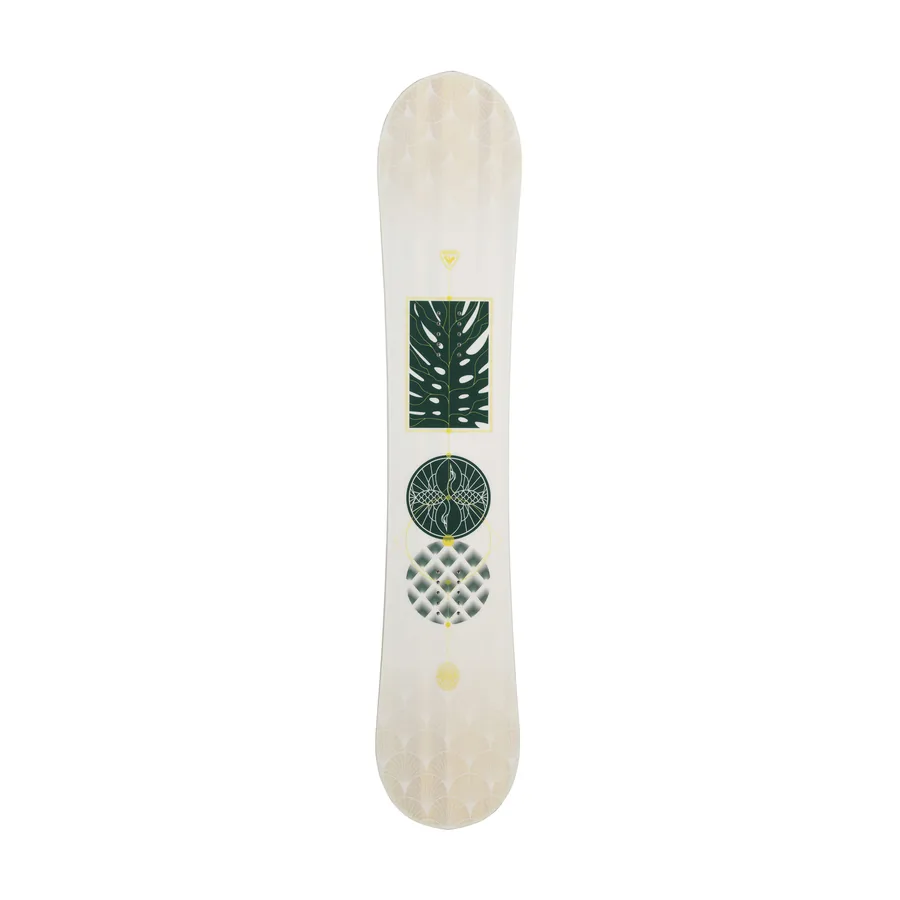
| Rossignol Soulside | Beginners who want a second progression option | Budget | Inspect whether a size in your weight range gives your boot enough clearance. |
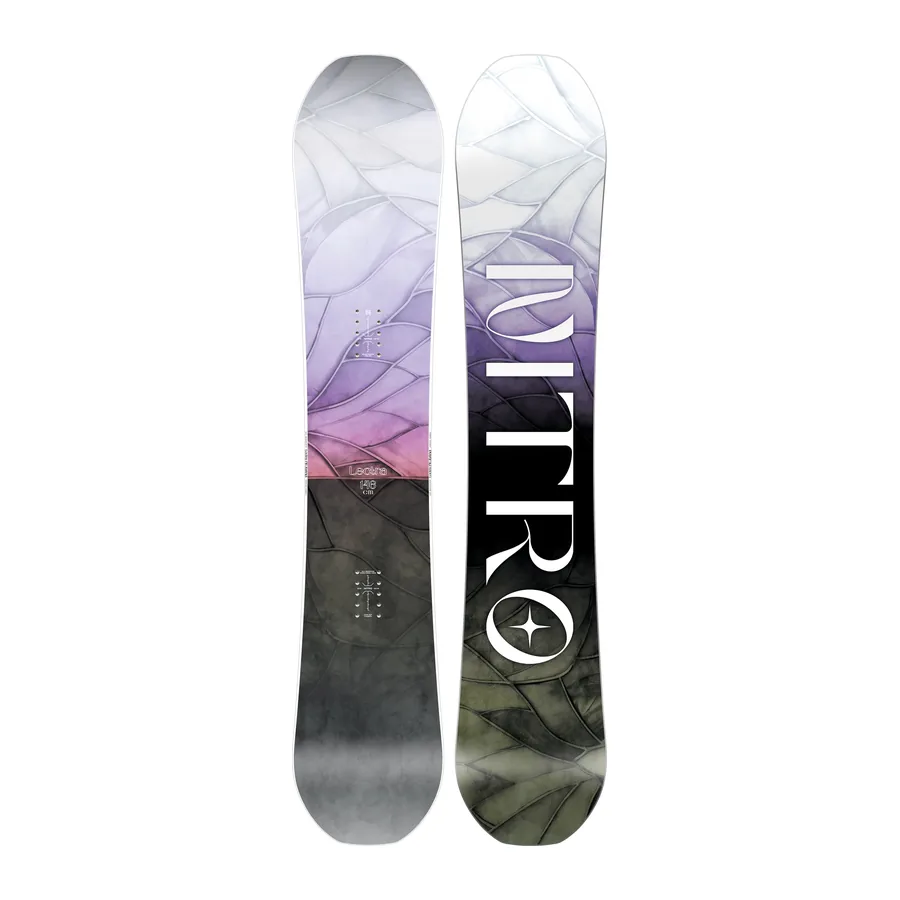
| Nitro Lectra Directional Twin | Resort riders mixing groomers and other terrain | Budget | Evaluate the board’s fit with your own boots rather than reusing a rental size. |
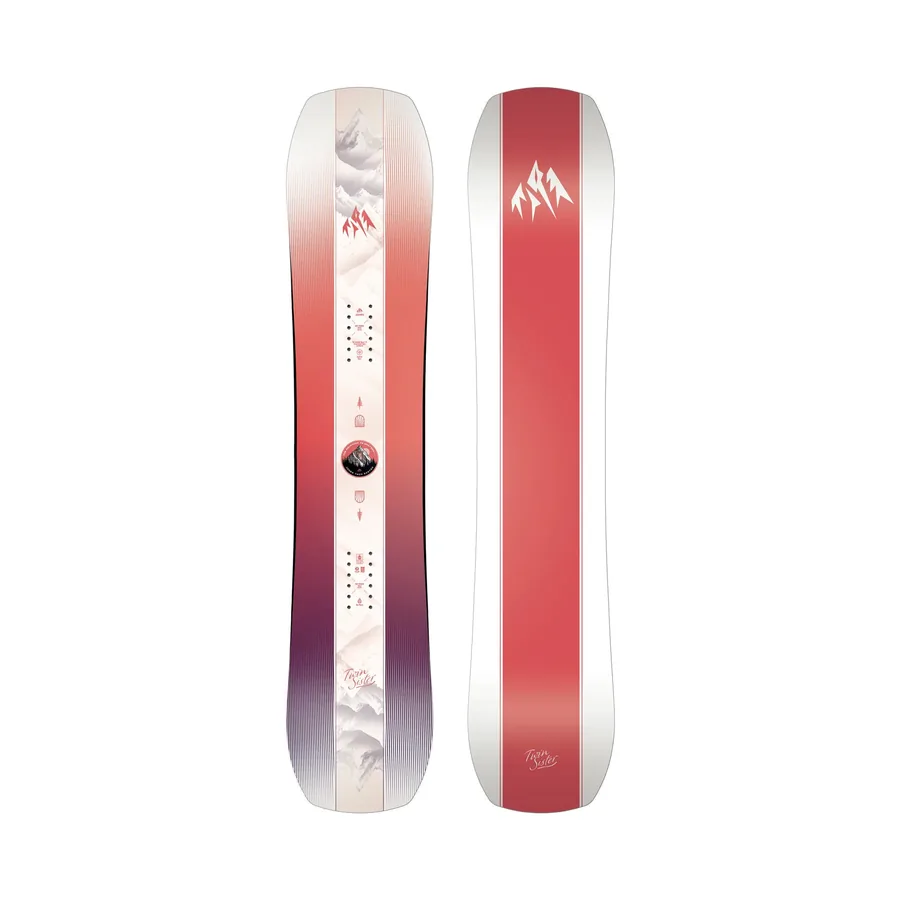
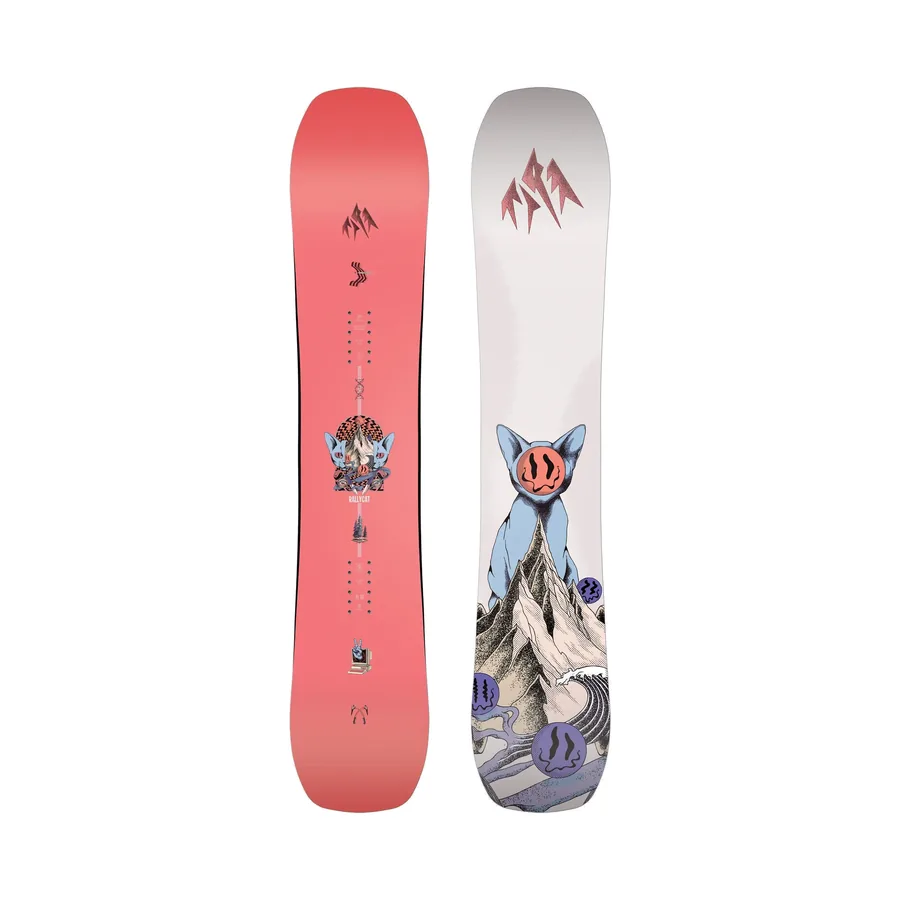
| Jones Rally Cat | Resort riders evaluating a mid-tier all-mountain setup | Mid | Inspect that the size meeting your weight range is available. |
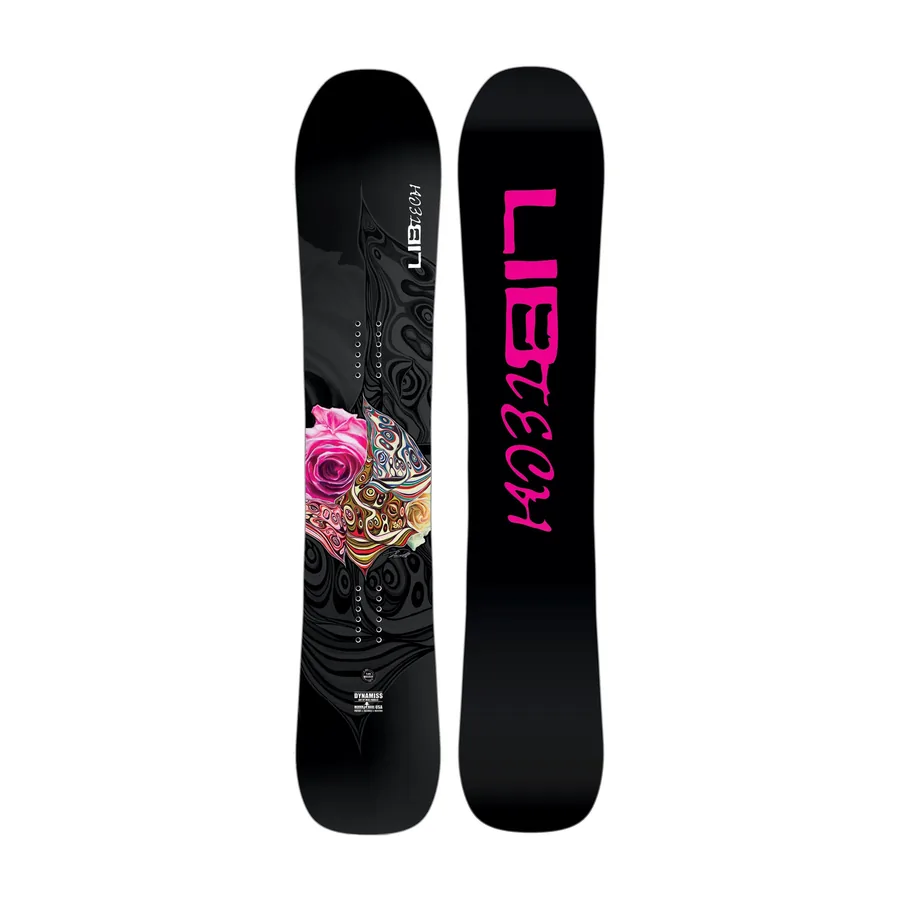
| Lib Tech Dynamiss | Intermediate riders evaluating premium women’s all-mountain boards | Premium | Define which resort conditions you want your next board to handle better. |
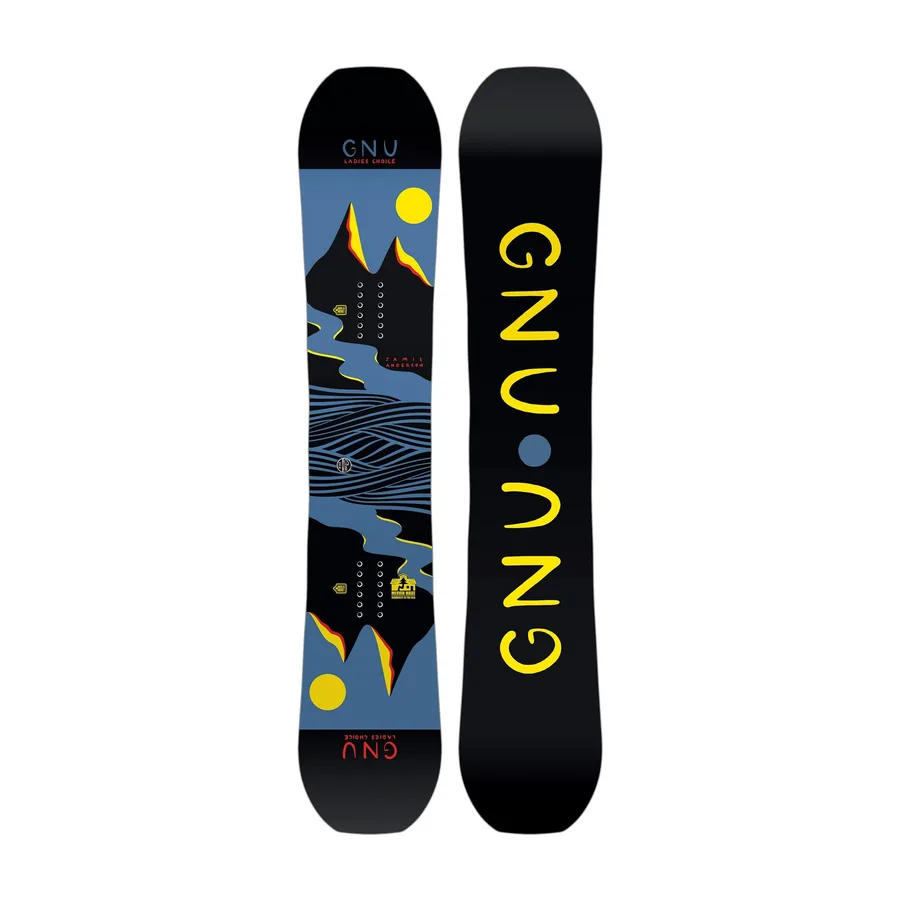
| GNU Ladies Choice | Intermediate riders assessing a second premium fit and use case | Premium | Evaluate the actual lengths and widths on offer before settling on the model. |
Shop the women’s all-mountain snowboard category to evaluate the resort options. If you are still making your first linked turns, browse the beginner snowboards separately. The tier identifies the catalog segment. It does not tell you whether a particular length fits or whether you will benefit from changing boards.
How do you reduce the list without guessing a length?
First record your rider weight and find the manufacturer chart for the exact board model and year. If one length does not cover your weight, remove that option even if it is the last length available in a graphic you like. If two lengths cover you, keep both until you have assessed boot fit and where you ride. The snowboard size chart guide can help organize the evaluation.
When evaluating multiple models, keep the size ranges beside each other instead of treating a number printed on two boards as interchangeable. One model might offer a usable length with a width that works better for your boots. Another might have a length you already know but a less convenient binding setup. Save the exact model and length when you see a promising fit so you can return to the right chart later.
If you are upgrading, write down the full name and length of your current board and one problem you want to solve. Examples include working harder than expected on slower turns or wanting a board you will use more often across different resort runs. The note gives you a practical reason to evaluate two models rather than starting from brand or price alone.
How do you inspect width against your own boots?
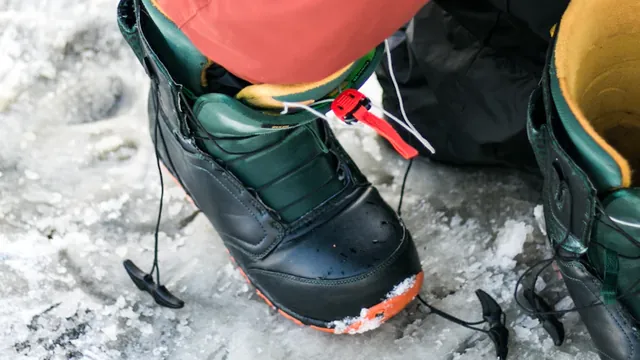
Use a fitted snowboard boot and the bindings you will actually ride. Shoe size is a starting reference for shopping, but the outside shape and length of a snowboard boot are what need to work with the board. Evaluate the boot in the binding at your intended stance and angles. Inspect toe and heel extension after the boot is centered as the binding instructions describe. If you are unsure how to do a safe setup, follow the equipment instructions before assessing clearance.
For an online evaluation, record the boot model and size, binding model and size, and the board length you are evaluating. If the relevant widths or compatibility details are unavailable, keep that combination unresolved instead of assuming the women’s category means everything will fit together. If you already have the board available, evaluate the complete setup at home before heading out.
Inspect both feet. The front and rear bindings can have different angles. A boot position that appears clear at one end does not establish clearance at the other. If you move your bindings to make room for the boot, recheck that the result still matches the stance you intended to ride.
When is an upgrade worth it?
A beginner who is progressing steadily on a board that fits has useful evidence about what works. Keep a progression-oriented board in contention if you mostly want a predictable setup for the same terrain. If you know your typical resort day includes a mix of groomers and other conditions, evaluate the Nitro and Jones resort options in sizes that fit. If you already have enough days to name what you want from a premium intermediate model, put at least two such models on the shortlist and evaluate their available sizes before placing an order.
Use this final test: could you explain in one sentence why the next board makes a better match for your usual day? A narrower candidate list might be two beginner boards that cover your rider weight or two intermediate boards with the right width. If none of the lengths you can buy fit, choose a different model. The best deal is a board you can set up correctly and want to ride regularly.
What if two setups pass every size inspect?
Evaluate the choices on a normal riding day, not the rare day you hope to have once this winter. Write down your three most frequent conditions, such as firm morning groomers, afternoon chopped snow and easy side hits. Pick the board whose intended use makes sense for that list. If you already own a specialty board for one condition, give more weight to the runs that board does not cover well. If this will be your only board, favor the option you expect to use most often.
For a second evaluation, sit down with the full setup list and look for hidden changes. A new length might mean remounting bindings or choosing a different binding size if you are also replacing boots. Put that work next to the benefits you expect. If both candidates still look equally suitable, choose the one that gives you the clearest size and compatibility information. That makes it easier to repeat the same setup later or explain what you ride when shopping for replacements.
What does a real shortlist look like on paper?
For a worked fit example, a 135 lb rider weighs about 61.2 kg. Suppose one manufacturer’s chart for the year under consideration lists a 143 cm board for 100–130 lb, a 146 cm board for 115–145 lb and a 149 cm board for 130–160 lb. Eliminate 143 cm before looking at graphics. Between the other two, measure the boots and keep the length whose width works better with the actual stance. Those are illustrative chart entries, not figures for any product on this page.
For the same rider, suppose the boot measures 274 mm from heel to toe and two boards are 239 mm and 245 mm across at the relevant mounting reference. At a simplified 0° bench position, centered equal overhang would be (274 − 239) ÷ 2 = 17.5 mm per side on the first, and (274 − 245) ÷ 2 = 14.5 mm on the second. That does not establish safe clearance. Use the real binding angle, boot shape, board width at the binding and the equipment maker’s fit guidance to make the final choice.