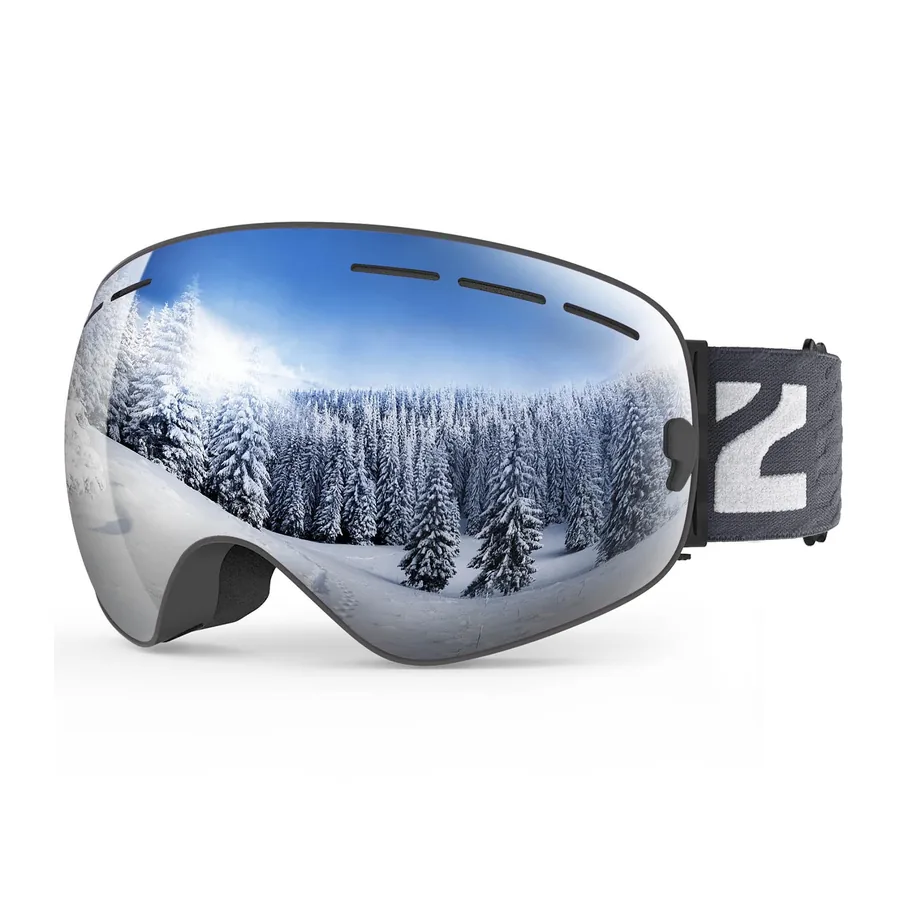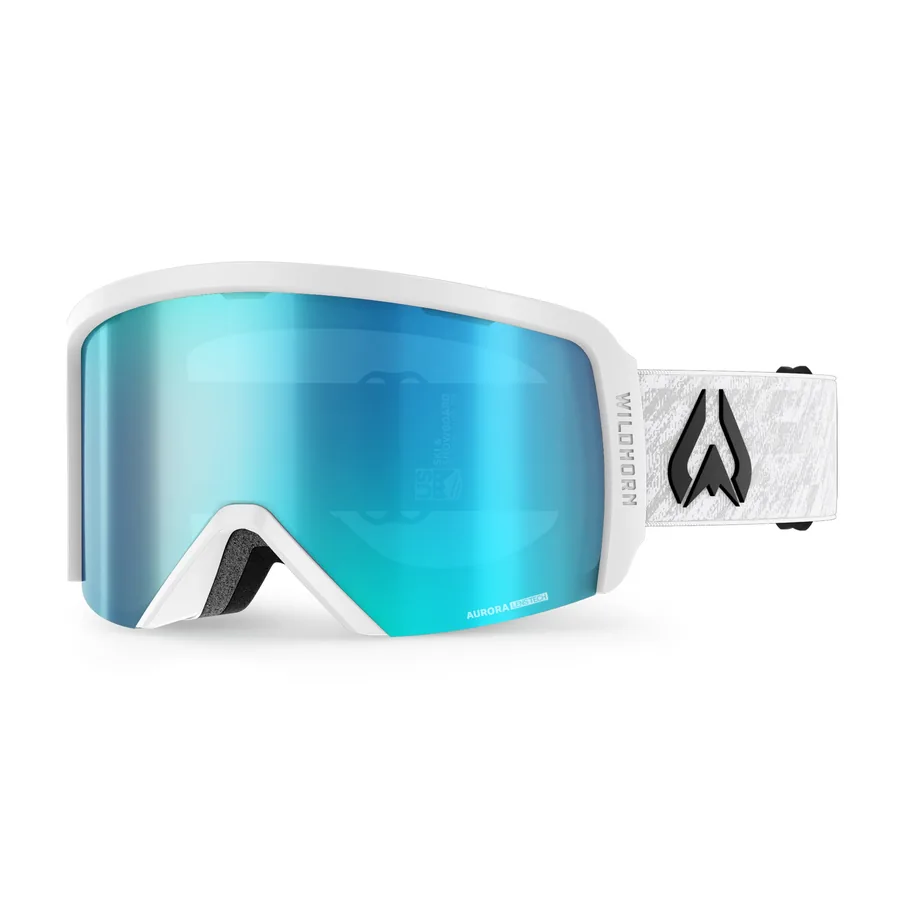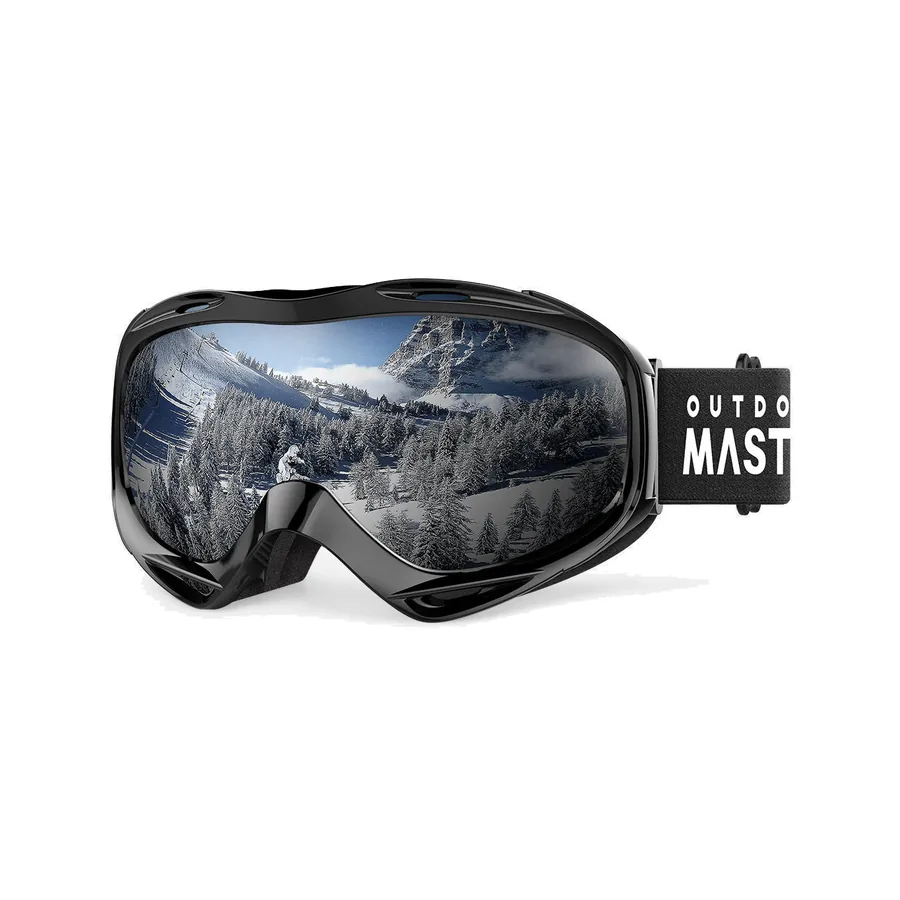
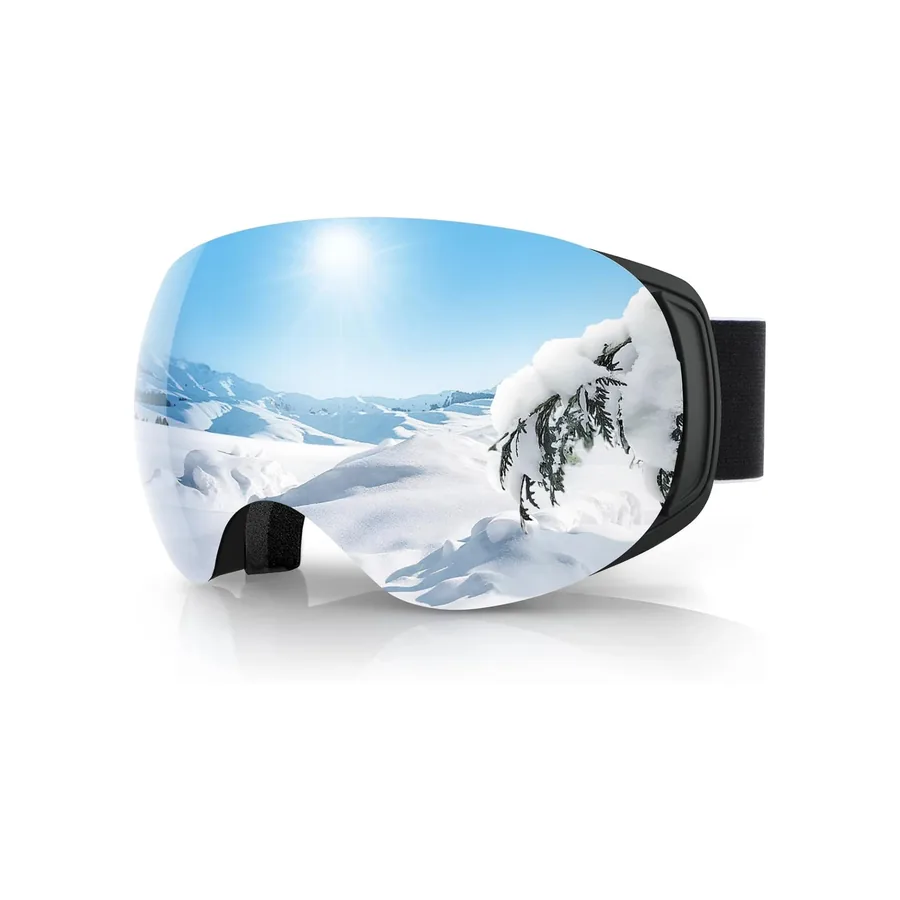
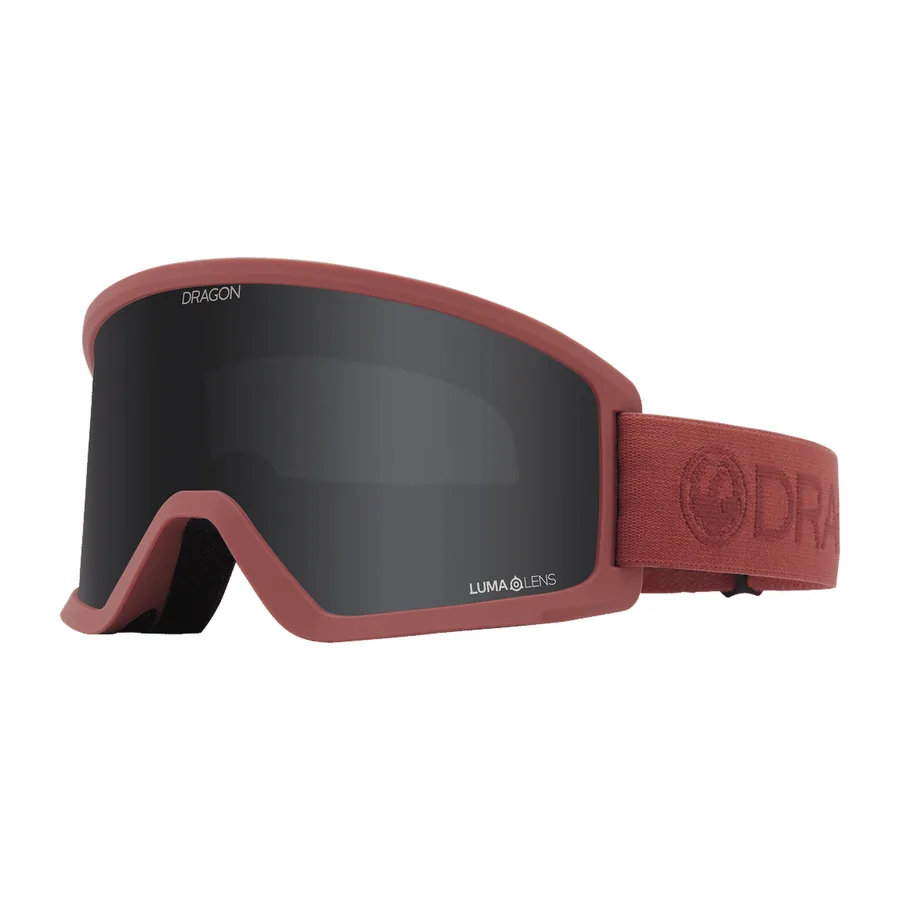

The OTG ski goggles vs prescription inserts decision comes down to what you need inside the goggle. Start with OTG if you want to keep using your usual glasses and can get a pressure-free fit. Consider an insert when the arms or bridge of your glasses interfere with your goggle and a compatible prescription setup is available.
Which approach fits each case?
| Situation | First route | What the trial should resolve |
|---|---|---|
| You use the same glasses on and off the hill | OTG | Your glasses stay in place when the goggle and helmet go on. |
| The arms of your glasses press at the temples | Roomier OTG, then insert if pressure persists | Is the issue interior room or the glasses arms themselves? |
| Glasses touch the inside of the goggle lens | A deeper OTG fit or compatible insert | Is there adequate clearance in the finished setup? |
| Your current goggle fits your face and helmet well | Compatible insert | The insert provider supports that exact frame and size. |
| You use more than one goggle frame | OTG or separate verified inserts | Each optical arrangement works with the particular frame. |
OTG is the simpler first trial when you can bring the glasses you already wear. Insert systems change how the corrective lenses are carried. That can address the side arms or contact from a full street frame, but you should still fit the result as an assembled setup. Ask the insert supplier and optical professional about compatibility before ordering prescription optics.
Which catalog frames make sense for an OTG trial?
| Catalog model | Starting reason | Fit issue to isolate |
|---|---|---|
| OutdoorMaster OTG | Budget OTG frame to try with your existing glasses | Whether the sides press once you add the helmet |
| findway Ski Goggles OTG | A second budget OTG shape | Whether the goggle shifts the glasses on your nose |
| ZIONOR X | Mid-tier OTG candidate | Whether the two lenses remain separated while you move |
| Dragon DX3 OTG | Premium OTG candidate for another fit trial | Whether the complete setup keeps its position after you put it back on |
Use the OTG catalog when keeping your usual glasses is the plan. The models above are not presented as compatible insert systems. For an insert, find the provider’s supported model and size, then keep the details with the optical order. If the vendor cannot identify compatibility for your specific frame, do not assume a similarly named goggle will accept it.
How do you work out whether your glasses are too wide or too tall?
Measure the outer glasses frame as a reference. A hypothetical frame at 142 mm wide and 44 mm high is about 5.6 inches by 1.7 inches. A second pair at 150 mm by 50 mm adds 8 mm of width and 6 mm of height. These are useful comparison numbers when you already own both pairs. They are not internal dimensions for any goggles and do not account for how far the glasses project from your face.
With your glasses worn normally, place the goggles over them. If an arm presses at the temple, mark which side it happens on. If the glasses slide down, assess what moved first. Then put your helmet on as directed and repeat the same motions. Look toward the floor and to the sides. If the goggle feels good before adding the helmet but not afterward, change the helmet pairing rather than concluding that you need an insert immediately. Preserve the correct fit of the helmet while you make that comparison.
How do cost and complexity change with an insert?
Keep a separate line for each component. For OTG, include the goggles and any eyewear you would need to change. For the insert route, include goggles, the carrier, prescription lenses and relevant fitting costs. As a made-up budget example, an OTG setup at 65 points that reuses your existing glasses costs 65. An insert setup with goggles at 65, a carrier at 30 and lenses at 55 totals 150. The difference in this example is 85 points. These are illustrative numbers, not prices from our store. If you already own the compatible goggles, exclude that new purchase from the insert column and use your real costs.
The insert may solve a recurring fit issue enough to justify the extra work. If your OTG trial already gives you comfortable clearance, you may not have a problem that needs solving. Talk to an optical professional about the corrective lens option and use the insert maker’s instructions for placing and removing it. A new carrier is not a reason to change your prescription outside that process.
What should you do about fog and swapping goggles?
Run your trial with the outerwear you actually use. Put on your collar and face covering the way you would on a lift. If fabric crowds the goggle opening or shifts the frame, arrange the layers before making a decision about OTG versus insert. Either route still puts multiple optical surfaces in the setup. Follow the manufacturer’s handling instructions for the outer lens, and ask your optical provider how to care for the prescription part. Keep the pieces dry and use equipment as directed rather than rubbing a wet inner surface on the hill.
If you ride with different tints, decide whether you need to change lenses inside one frame or switch between full goggles. Use the interchangeable goggle section to explore the first route. Only move an insert among frames when its provider lists those exact combinations. Record the goggle size, insert identifier or glasses frame, and helmet you tried together. A complete record makes the next purchase less dependent on guesswork.
Before paying for a prescription insert, ask which parts are returnable and what happens if the frame fit is good but the carrier sits differently once mounted. Establish who handles the fit, which component is made to order, and how you would replace a lens or mount later. With OTG, make the return-window trial with your own prescription frames, not a sample that only resembles them.
Bring the exact helmet as well, so the trial reflects where the goggle will actually sit.