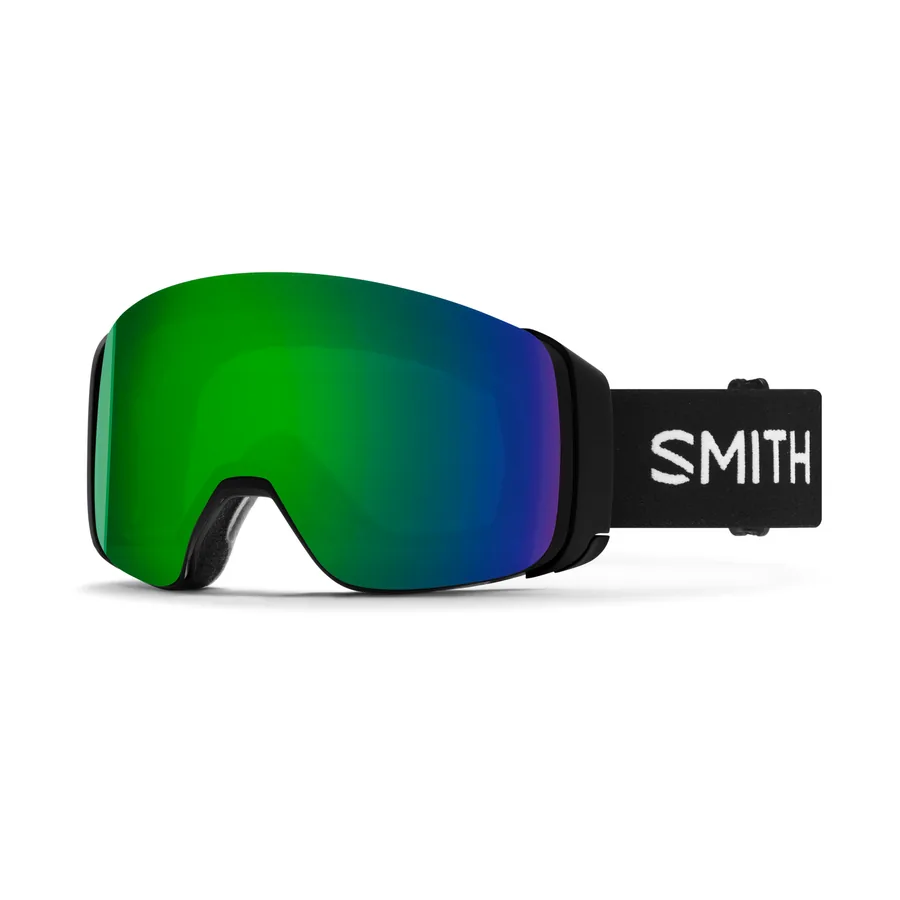
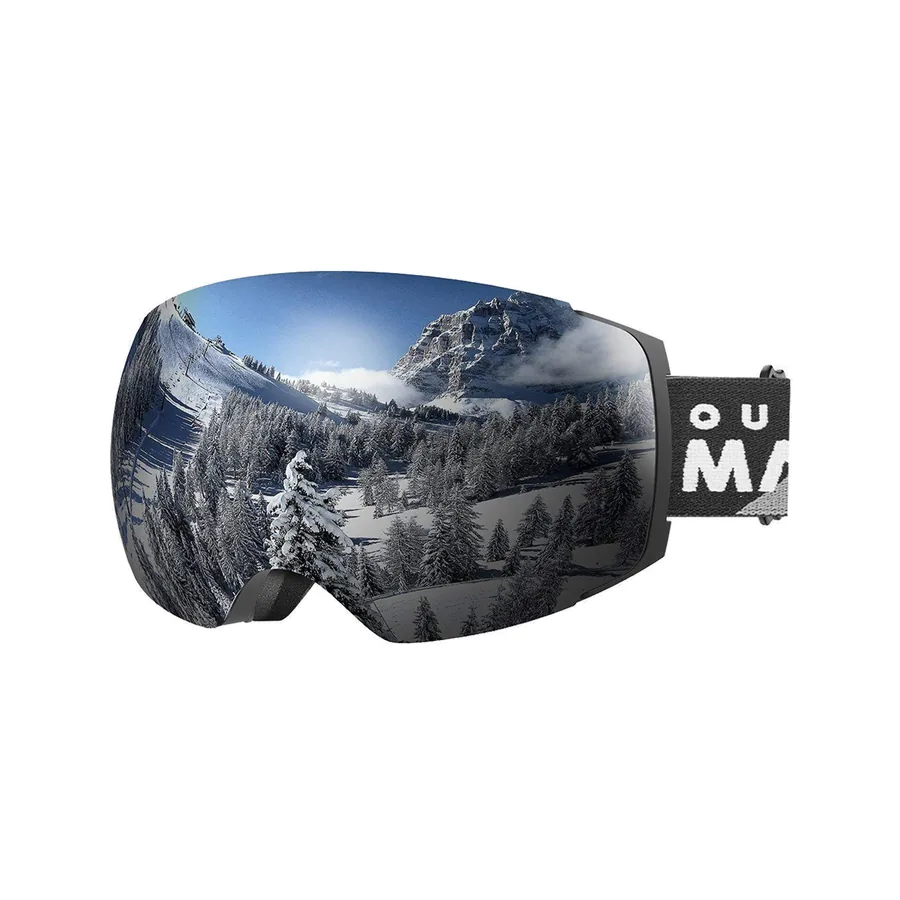

This ski goggle VLT guide starts with a simple rule: lower VLT passes less visible light, and higher VLT passes more. Use a darker lens for bright open slopes and a lighter lens designed for overcast days. Choose the exact lens by its rating and intended use instead of guessing from the mirror color.
What does the ski goggle VLT number actually say?
VLT is visible light transmission. A lens rated at 15% passes about 15% of visible light under the stated rating method. A 55% lens passes more than that under the same definition. Those labels do not tell you whether the goggles will seal at your nose or fit with your helmet. They also do not describe lens color or the way an individual tint renders contrast. Use VLT to narrow the brightness range, then use the maker’s light-condition recommendation for the exact tint.
Smith’s snow goggle guide gives 9–16% as examples for several of its bright-sun lenses and places some everyday examples around 20%. Its Everyday Red Mirror specification lists 25% for that particular lens. Those are useful examples from one manufacturer. They are not whole-industry category limits and they are not the lens contents of every pair you see listed.
Which numbers make sense for common conditions?
| Common situation | Example shopping range or figure | Main decision |
|---|---|---|
| Bright open slopes | Several published sunny options fall at 9–16% VLT | Begin with a lens specifically intended for sun. |
| Mixed light through the day | Several everyday examples are near 20%; an exact example is rated 25% | Start with a versatile tint if mixed light is your most common day. |
| Persistent overcast and subdued light | 45% and 60% illustrate higher transmission than 20% | Pick a lens the manufacturer describes for low light rather than treating the example values as thresholds. |
| Night skiing under lights | A clear lens is a starting point | Use a lens specifically intended for night or very low light. |
A 25% everyday lens passes 10 percentage points more visible light than a 15% lens. A 55% example differs from 15% by 40 points. Both differences are calculated from VLT labels, not from an independent test of how bright a slope will feel to a particular rider. Your location, terrain and time of day can all affect the choice. When overcast is your normal condition, the low-light lens belongs in the starting kit rather than waiting in a spare case by default.
How do you choose between two similar tints?
Read the exact lens names and their stated use first. Mirrors can make two lenses look different even when their VLT is close. A 12% and 16% pairing has a 4-point difference. A 12% and 50% example has a 38-point difference. The second pairing offers more separation in visible transmission. If you intend to cover much brighter and much darker conditions in the same kit, spend the second lens on the condition the first does not handle comfortably.
If two lenses have similar VLT and descriptions, choose the one intended for the light you see most days. If possible, make the comparison with the same goggle and similar background light. Avoid assuming the color you see from outside the goggles tells you how the tint will look from inside. Write down the exact lens name instead of calling it simply the gold or blue spare.
How do you plan a two-lens day?
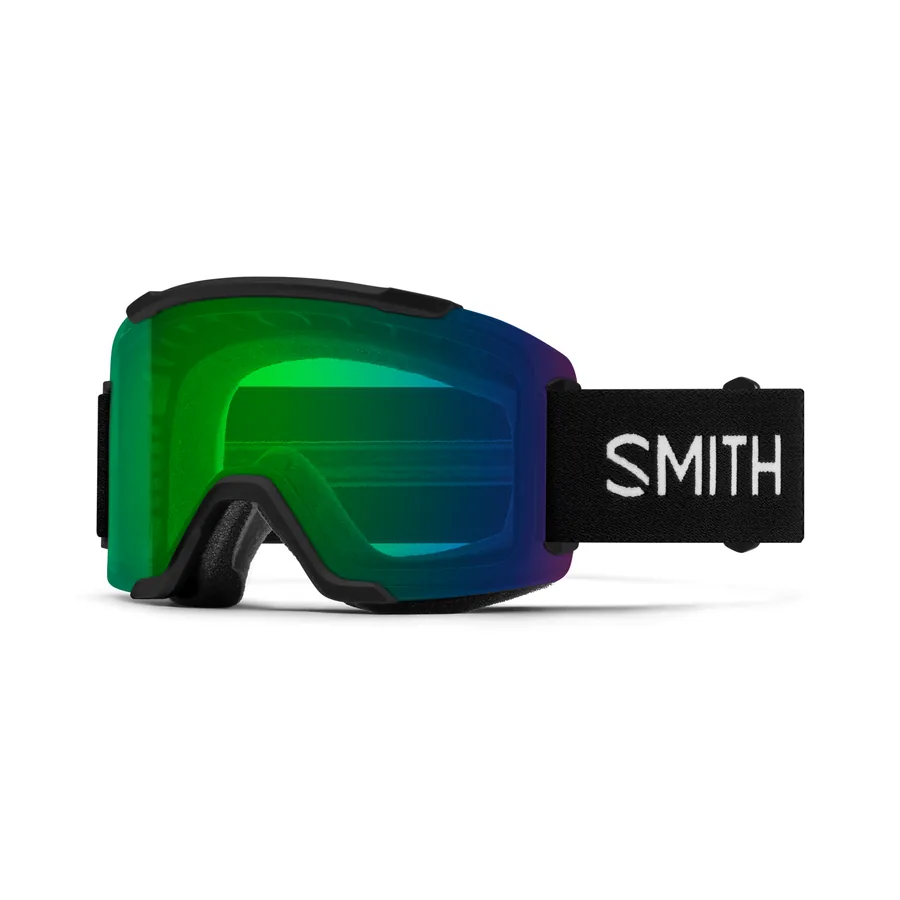
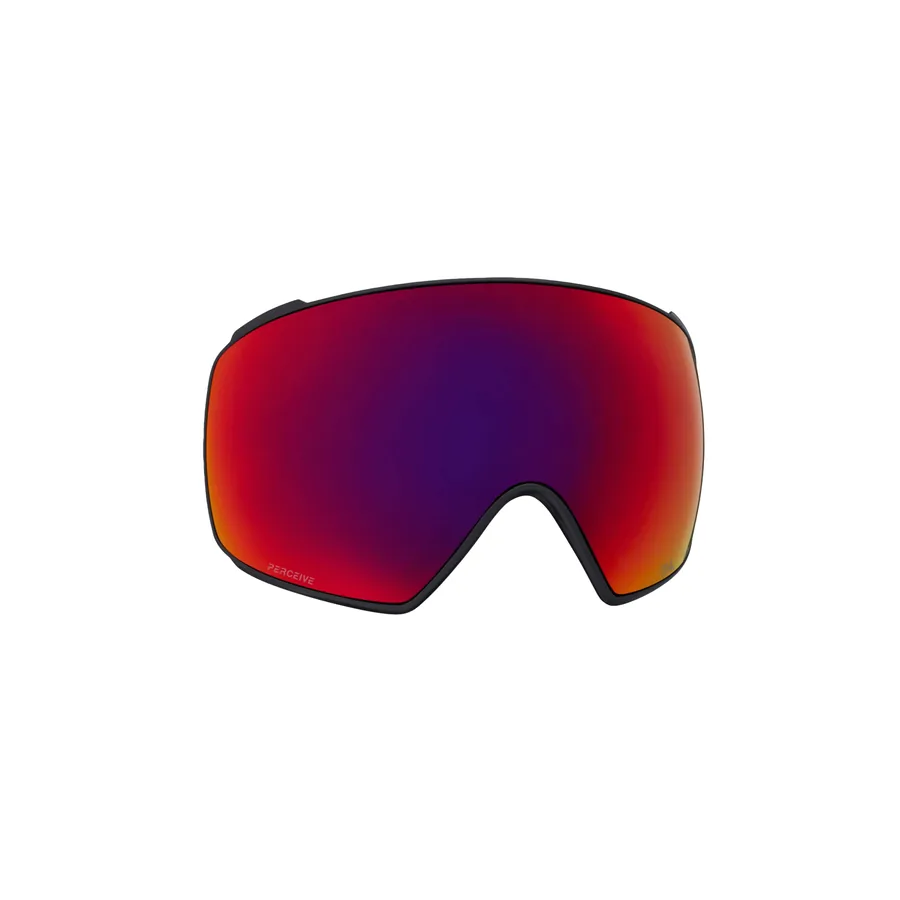
Pick the conditions you ski most often and the ones where your current lens makes you stop or reach for another option. A rider who starts in bright open terrain and finishes in a cloudy valley may need a wider separation than someone who spends the whole day under steady cloud. The interchangeable goggle section includes frames such as SMITH Squad Goggles with ChromaPop and Anon M4 Cylindrical Goggles + Bonus. For either, use the lens numbers for the exact package you are buying rather than assuming the two lenses provided have specific VLT values.
Practice a swap indoors following your frame’s instructions, then carry the spare so it is protected from scratches. Change lenses in a stationary sheltered spot. If you prefer leaving the same lens mounted, use the photochromic selection. OutdoorMaster Ski Goggles PRO is a catalog option to review for a one-frame setup. Use the model’s exact transmission range rather than assuming all photochromic options cover the same extremes.
What still matters beyond VLT?
Fit the goggles with your helmet before deciding which spare lens to buy. Set the helmet in its intended position, then put the goggles on and look down and to the sides. Pressure from a frame that does not pair with the helmet is a fit problem, not a tint problem. Once the frame fits, decide whether you need a second bright lens, a meaningful low-light option, or none at all.
For a trip, write down the VLT of the lens mounted and the condition you expect. Add the planned spare by exact name and transmission rating. Use the snow goggles catalog to fill the real gap rather than buying another mirror finish that performs a similar role. Keep the same label notes for replacement lenses, because a familiar color can be sold in more than one tint or frame size. A simple record keeps the next purchase tied to what you actually needed on snow.
What belongs on a replacement-lens shopping note?
Record the lens mount family, the frame size and the frame generation before shopping for a spare. An Oakley Line Miner L owner, for example, should shop by the exact L frame name rather than by a mirror color shown on another frame’s listing. Next to the compatible lens name, write down the original VLT, the VLT of the proposed spare and the condition each one is meant for. If the two descriptions and numbers overlap substantially, keep the current lens and put the money toward a materially different tint that the frame accepts. That procedure works even when product photos make the tints look farther apart than their transmission labels suggest.