The best skiing gift ideas solve a problem you can name. Give hand warmers if they regularly get cold while waiting, dry liners if their gloves need a second-day reset, or a tuning kit if they already maintain skis at home. When you don’t know their size, start with a consumable or a lesson.
Which skiing gift ideas fit the person?
| Catalog pick | Best recipient | Why it belongs on the shortlist | Main limitation |
|---|---|---|---|
| HotHands Hand Warmers Value Pack | A resort skier who regularly brings hand warmers | An item they can use without changing their boots or outerwear | Follow the package directions and use the type the recipient already prefers. |
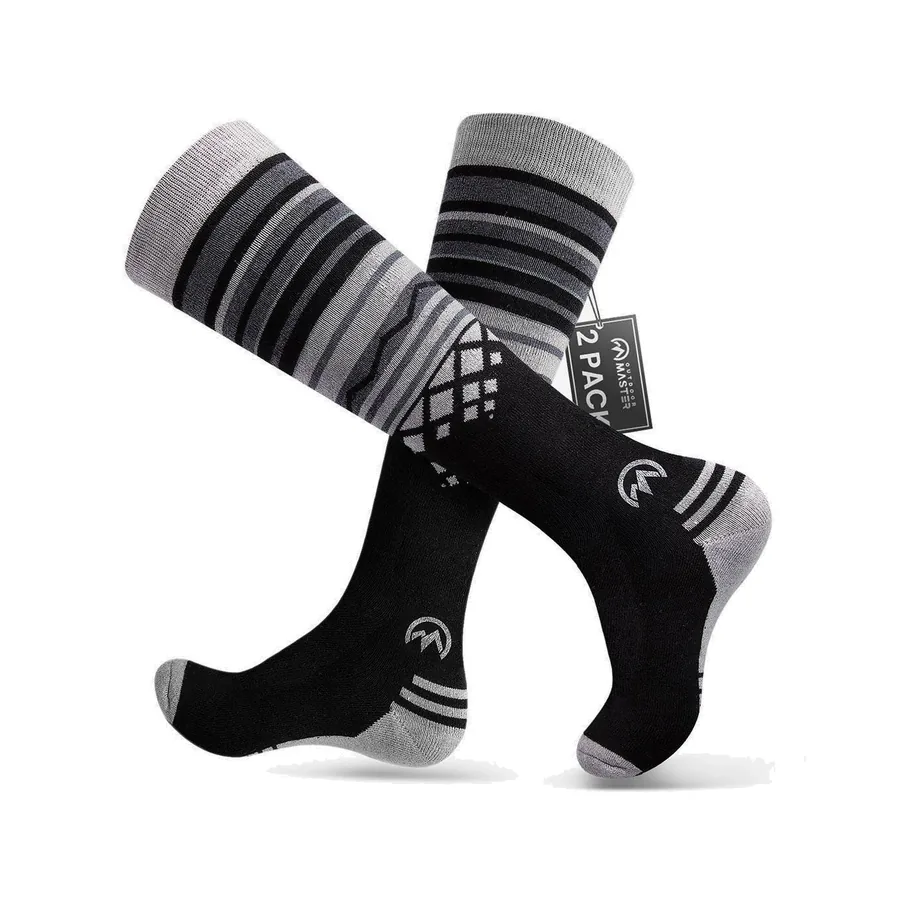
| OutdoorMaster Merino Wool Ski Socks | A skier whose sock size and fit are known | Adds a clean spare for a multi-day trip | Cushioning can change the feel of a fitted boot. |
| Unigear Lightweight Running | An adult who already layers thin gloves under roomier outer gloves | Adds a dry pair for a second day | It needs to fit with their existing glove. |
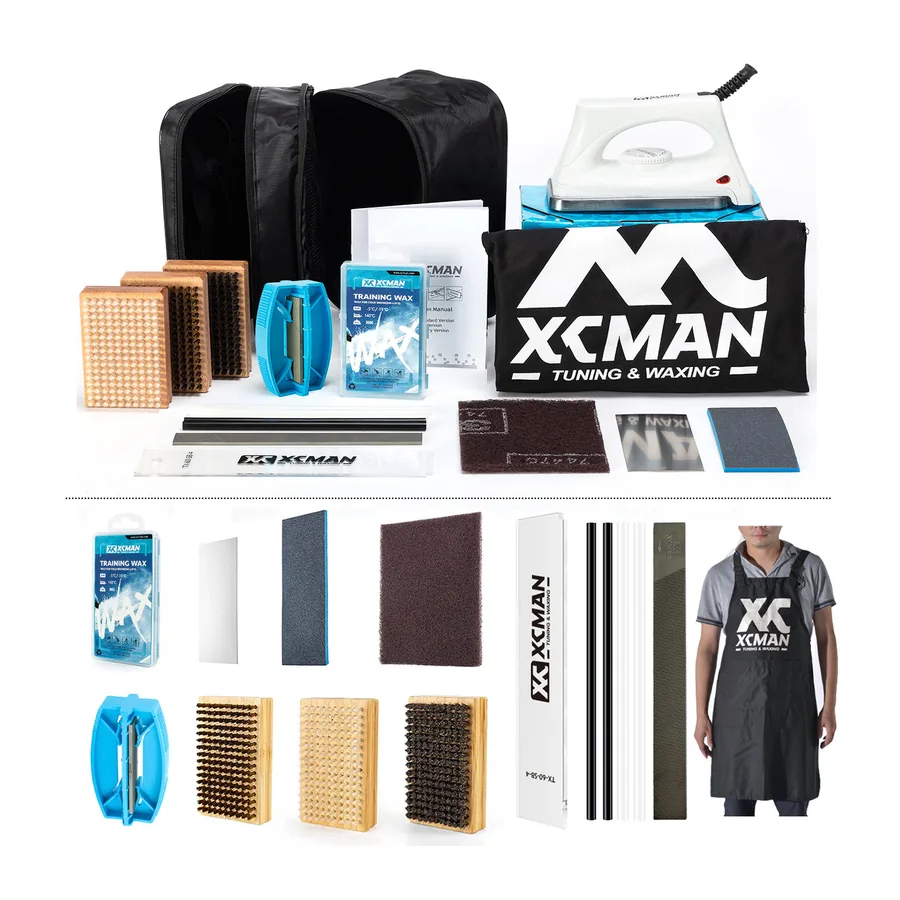
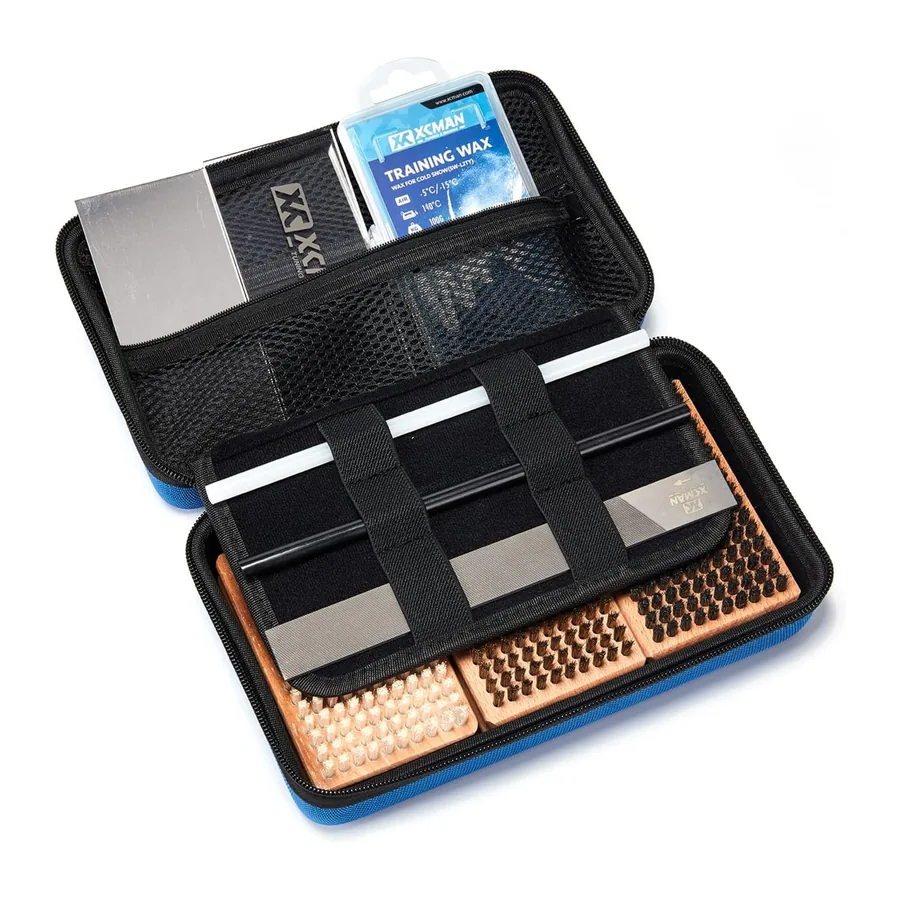
| XCMAN Ski and Snowboard Waxing | Someone who wants to care for their own skis | Gives a home maintenance activity a clear purpose | The recipient still needs a suitable work surface and time. |
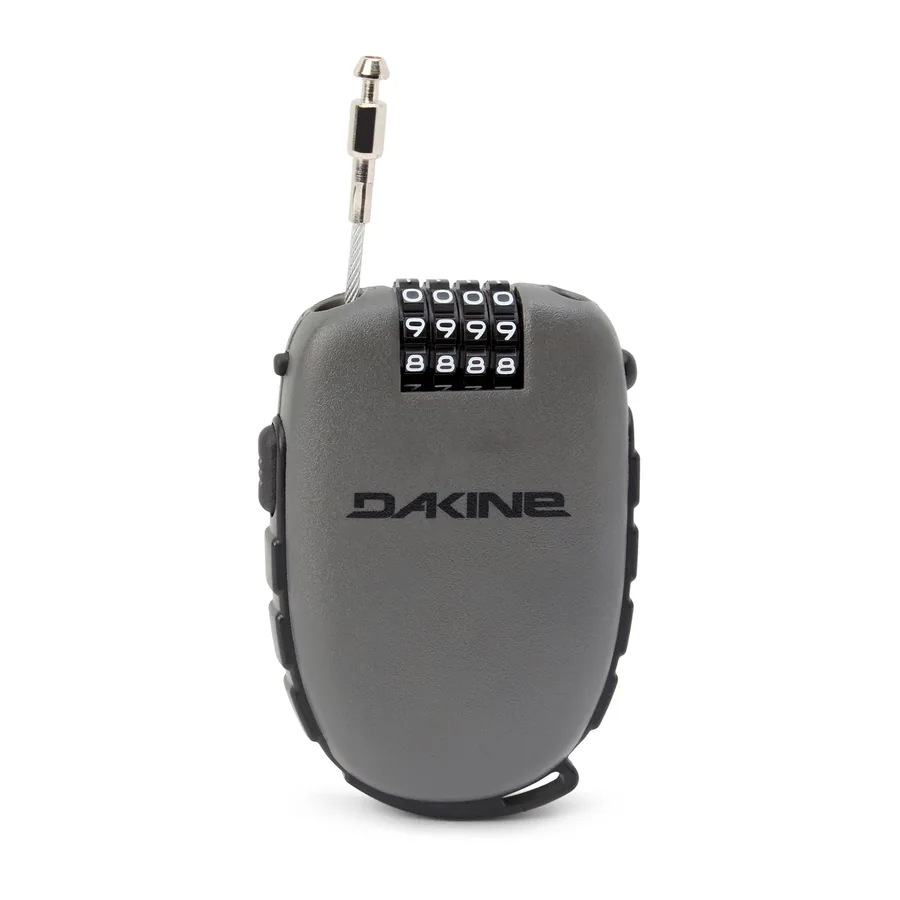
| Dakine Cool Lock Tuning | A resort regular who wants a cable for brief rack stops | Targets a specific gap in an existing kit | A small rack lock is for short stops, not long-term storage. |
The useful question is what they will reach for on their next day out. Someone who skis twice a season may get more out of a lesson or a fresh pair of familiar socks than another tool. Someone who skis 20 days a year may already own the basics and want to replace an item they used up last season. Use the dates of their next trip and the habits they already have as your guide.
What should you give someone going on a first ski trip?
Give them one gift that helps before they arrive and one that fits in a jacket pocket if you want two pieces. A lesson contribution is useful before the trip because the recipient can choose the program and time. For the small item, start with the hand warmers they can carry unopened. If they have a lesson booked for 9 a.m., a gift that works without stopping at another counter is easier to use than gear they still have to fit.
For a two-day weekend, plan by day: one dry sock pair for Day 1, a second for Day 2, and one spare only if they have room to carry it. If they already have their preferred socks, replace the pair they are wearing out. Do not size a helmet, a boot or a binding as a surprise. Give the recipient a specific contribution and leave the model and size decision with them. That also keeps the gift useful if they switch rental packages or already own a working piece.
How can you build a gift around a real problem?
| What they said last time | Gift plan | What you need to know first |
|---|---|---|
| “My fingers went cold on the second lift.” | Refill the warmer pack they use. | Whether they already use that kind safely and how many ski days are coming up. |
| “I had to put yesterday’s wet liners back on.” | Add one spare liner pair. | Their current size and whether the outer gloves have room. |
| “I always run out of clean socks.” | Give the same sock type they already wear. | Size and cushioning, or a photo of the label. |
| “My edges are fine, but I never remember to wax.” | Offer a service or a home waxing kit depending on their habits. | Whether they want the task and have space to do it. |
| “I never leave my skis outside during lunch.” | Skip a rack lock and put the gift toward a need they actually described. | Their storage routine during the day. |
Look through ski and snowboard socks if you know the size and weight they like. For liners, request the size tag on their current pair. If the gift is for someone who skis in their own boots, do not replace a thin sock with a thicker one based on warmth alone. Give a matched spare they can use immediately or allow them to choose. The exact pair that works in their boots is more valuable than an untested upgrade.
How do you pick a quantity without guessing?
Start with the recipient’s trip length, then use a hypothetical packing plan. If a skier already uses 1 pair of hand warmers on a cold day, a 3-day trip calls for 3 pairs under that routine, or 6 individual warmers. Adding 1 spare pair brings the count to 4 pairs, or 8 warmers. That is a packing example, not a recommendation to use a warmer daily. A pack can list pieces or pairs, so read the unit on the label before purchasing.
For a group gift, split the plan by person rather than buying one fitted item for everyone. A group of 3 guests taking 2 lesson mornings needs 6 individual lesson places under that example. For 2 skiers and 3 clean sock changes per skier, put 6 pairs on the packing list only if both people want those extra pairs. Buy a small gift for one clear need rather than a large assortment that depends on guesses about their boot fit and preferences.
What should you buy for a skier who tunes at home?
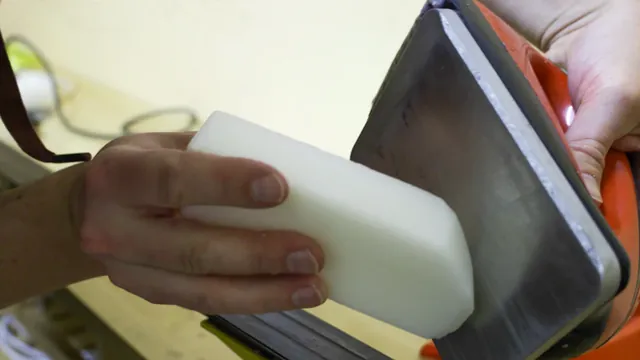
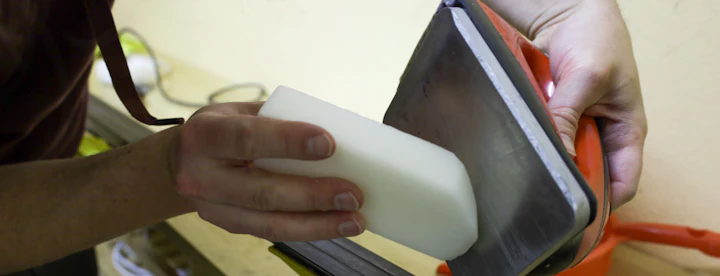
If they enjoy maintenance, use the care and tuning section to replace something specific or give a kit when they are starting. Ask whether they already have a tuning iron, how they support the skis on a bench, and whether they would rather receive wax for that setup. A kit can be a bigger gift for a rider making space for home maintenance. A consumable or service works better when they already have tools.
Use one note with the gift that says what problem you picked it for. A clean liner pair marked “for day two” or a service contribution marked “before your next trip” leaves the recipient with a clear use. Put the exchange information with anything sized. When the gear is a surprise, the simplest route is to give the recipient the same type they already trust.