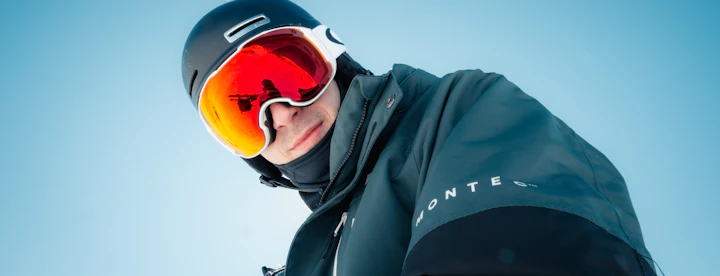
The best ski gear for women starts with a snow helmet fitted to your head, goggles that sit correctly with it and gloves or mittens that work with your sleeves. Fit protection and eyewear together before buying extra clothing. Reuse pieces that already pass the full-kit movement and comfort trial.
Which protective and resort gear should you try first?
| Catalog item | Role in the kit | Tier | Reason to keep it on the shortlist |
|---|---|---|---|
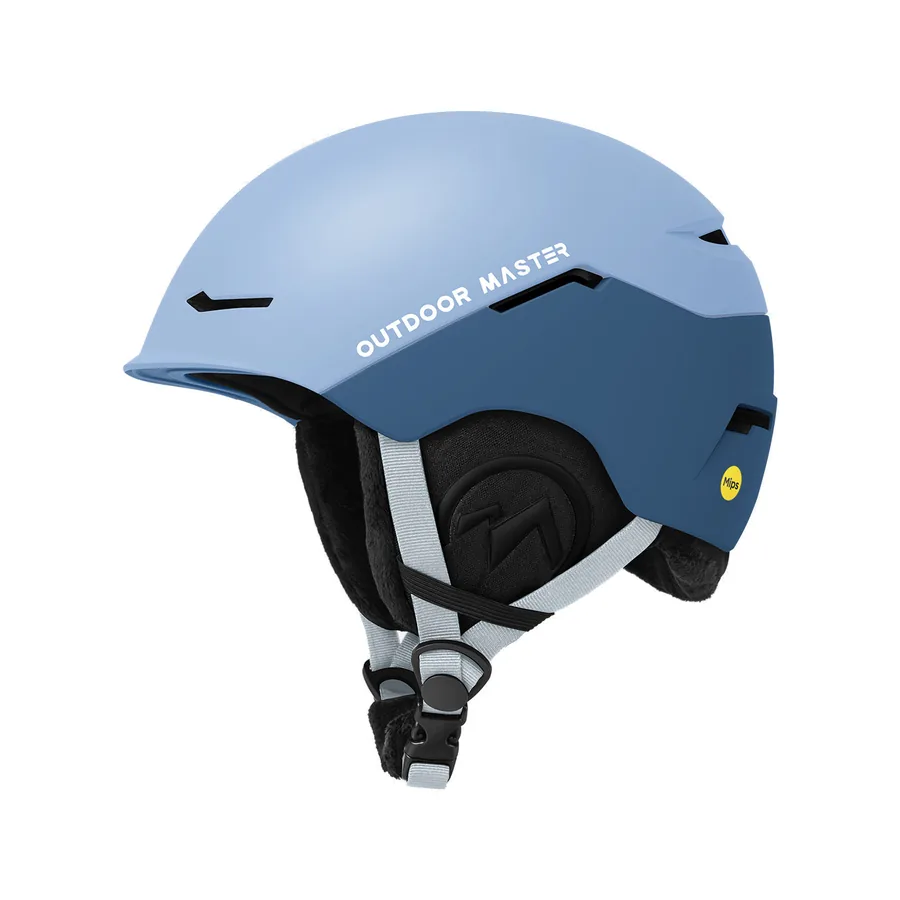
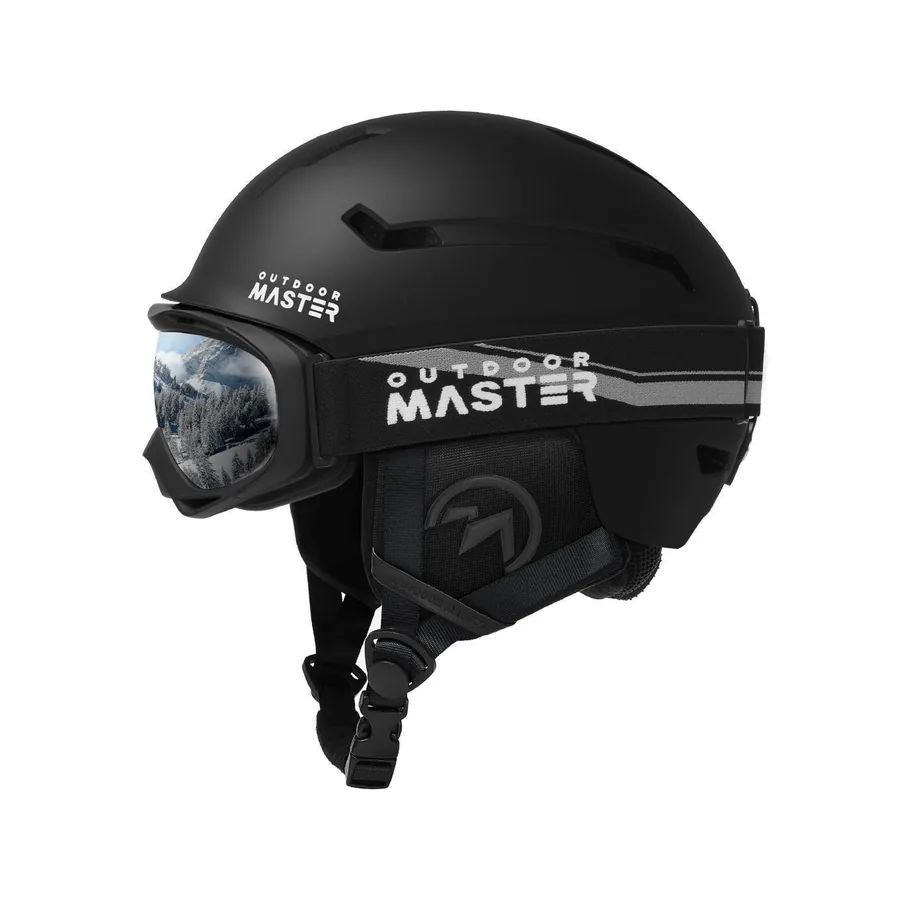
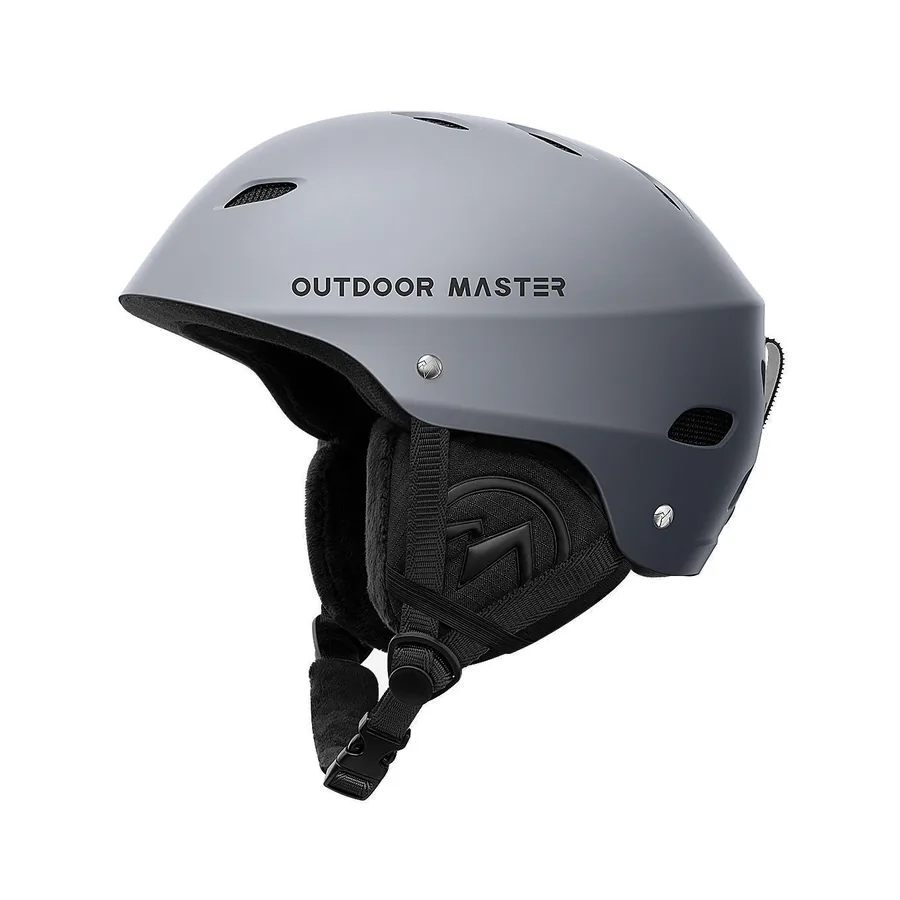
| OutdoorMaster Kelvin | Adult snow helmet | Budget | The size fits your measured head and the goggle pairing works. |
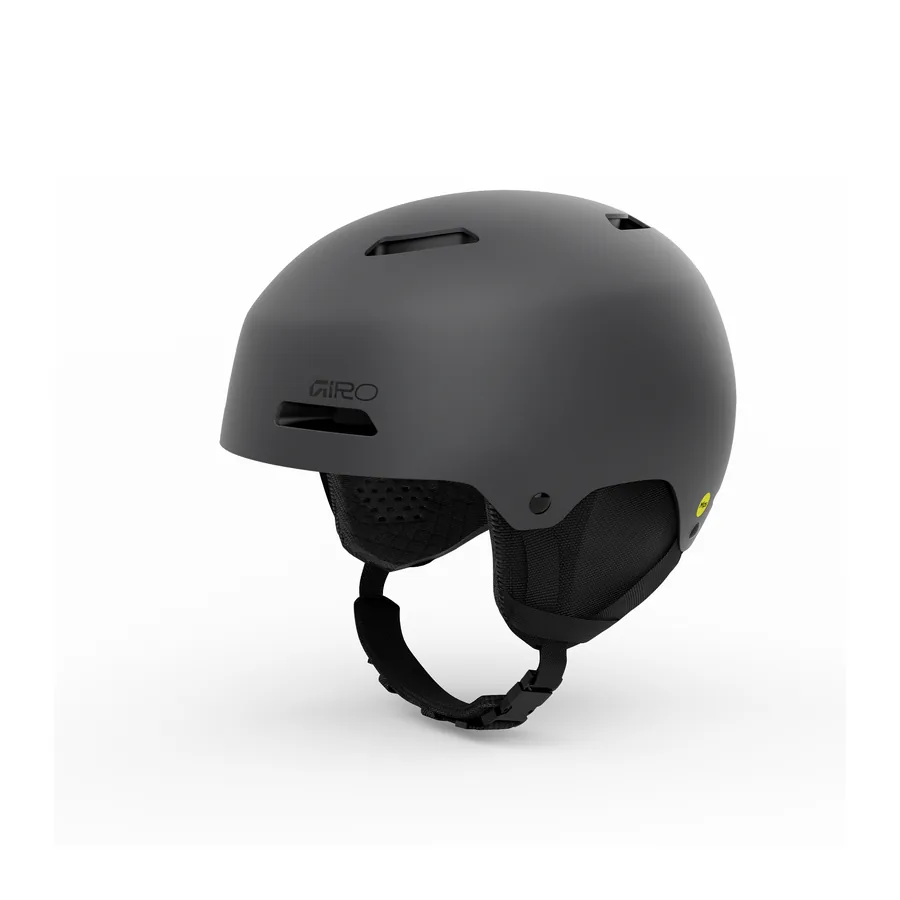
| Giro Ledge MIPS Adult Snow Helmets | Alternative adult snow helmet | Premium | The shell and adjustment fit you better in the layer combination you use. |
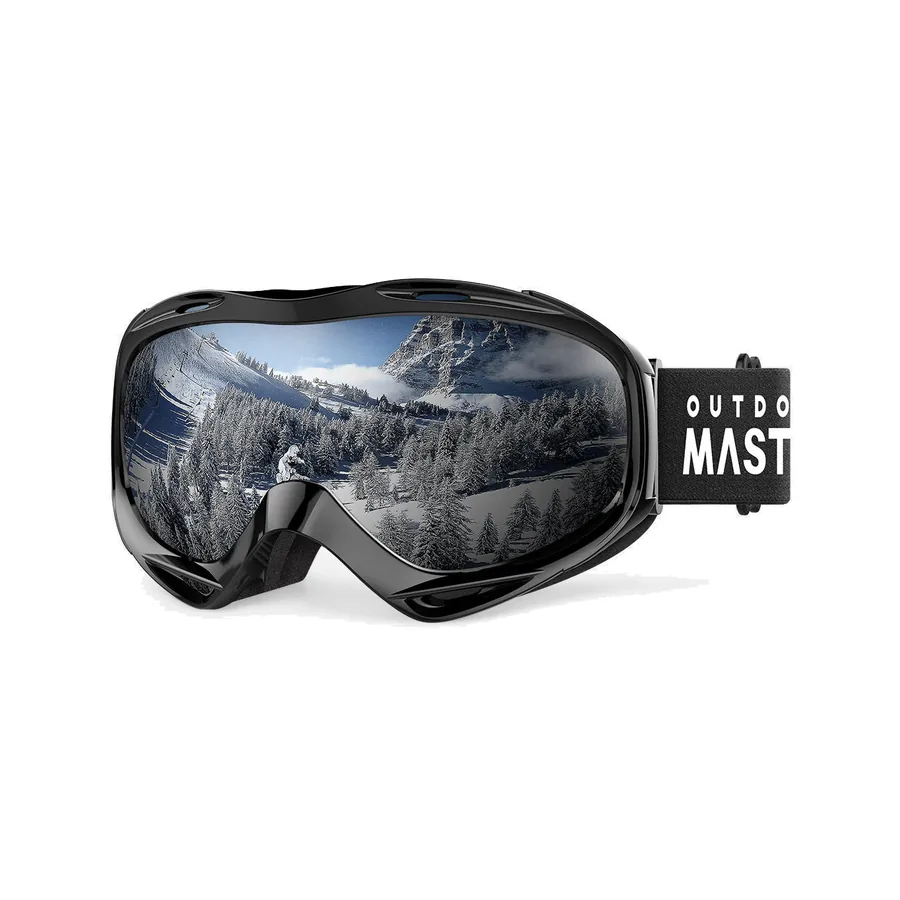
| OutdoorMaster OTG | Goggle for people who wear prescription glasses | Budget | Your own frames fit without pressure from the goggle or helmet. |
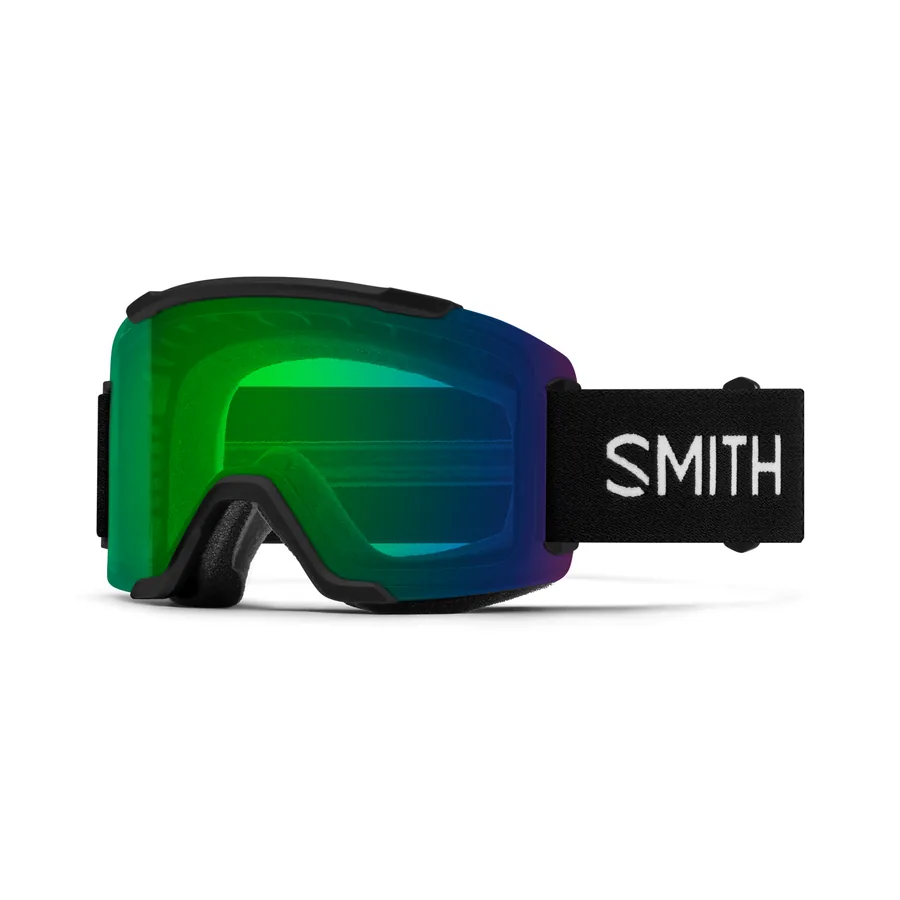
| SMITH Squad Goggles with ChromaPop | Interchangeable-goggle catalog option | Premium | The frame fits your face beside the helmet, and the lens options suit your expected conditions. |
| Carhartt Waterproof Insulated Quilted Knit Cuff | Women’s resort mitten option | Budget | It meets your cuffs and lets you finish the normal tasks you do in it. |
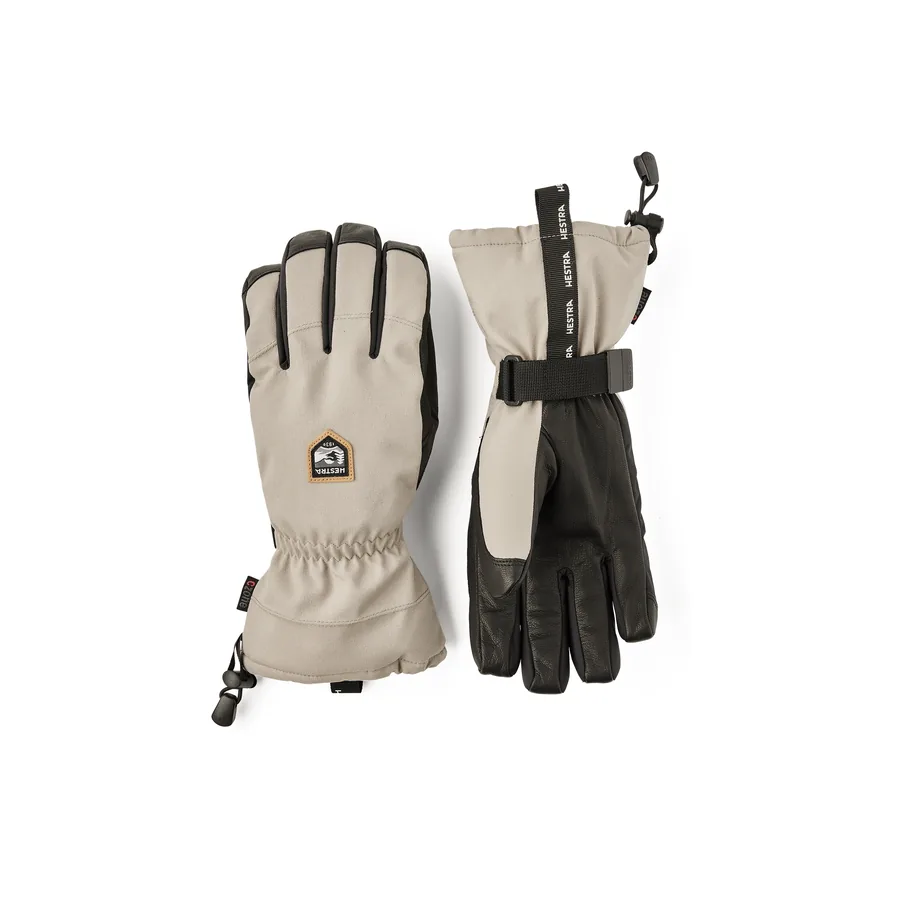
| Hestra CZone Mountain 5-Finger | Unisex five-finger glove option | Mid | Your hand fits and you can manage your closures with the gloves on. |
These items solve protection, vision and hand-fit decisions. You need one appropriate item per role, not a full set from the table. The women’s ski clothes guide covers building an outfit. Use this page to decide how that outfit interfaces with the pieces that need a proper fit.
How do you establish helmet fit before narrowing goggles?
Measure your head using the helmet manufacturer’s instructions. Take 2 readings. For example, 55 cm is about 21.7 inches and 57 cm is about 22.4 inches. Those conversions help keep written notes in different units consistent; they do not put either measurement into a universal helmet size. Start from the exact product chart, fit the helmet as directed and try the fit without relying on a thick hat underneath to remove unwanted movement.
Browse the snow helmets for an appropriate size range. If two candidates meet it, fit both before using price or branding to decide. A correctly fitted helmet should remain in that position when you add your goggles. If you need to move it to make room for a frame, try another frame or helmet shape rather than buying the pair as-is.
How do you fit goggles with or without prescription glasses?
Use the ski and snowboard goggles to identify the intended lens and frame types. Wear the fitted helmet and put the goggles on according to their instructions. Look in 4 directions: left, right, up and down. Notice whether the frame slides when you change direction or presses in a way that makes you want to reposition the helmet. Keep the pair on for about 2 minutes indoors so a pressure point has time to appear.
If you wear prescription frames, add the actual glasses before repeating the same four movements. Borrowing someone else’s frames or holding the goggles loosely does not recreate the pressure once the strap and helmet are fitted. For ordinary resort riding, first pick 1 lens or configuration for your usual conditions. Add a second lens only if you can name a real second set of conditions and the goggle supports that change. Do not choose a frame by accessory count when another frame fits better.
Which glove fits your sleeve and your hands?
Start with 2 candidates: one glove and one mitten. Bring your actual jacket. Try 3 repeatable actions with each pair: pull the main zipper, open a small pocket and reach forward to touch your boot. Then sit for 1 minute and look at both wrists. If the sleeve and glove separate every time, change the cuff arrangement or try a different model. If that movement works in mittens and you value warmth at stops, the mitten may be the simpler choice. If you cannot perform ordinary closures, use the gloves and mittens catalog to find another fit.
Repeat the same movement with the jacket zipped and your typical layers in place. Gloves that work against a bare forearm can feel different once they meet a thick jacket cuff. Try both hands, not just the one that makes it easiest to operate the zipper. If one hand needs more space in the palm, compare a different glove shape rather than tightening the sleeve to compensate. Keep a dry backup if you routinely get the first pair wet.
Which pieces should you replace first?
Mark each item as 1 of 3 states: fits, needs a different pairing, or needs a replacement. If the helmet fits and the goggle pushes it out of position, solve the pairing rather than buying another whole kit. If the goggle fits but the glasses press behind your ears, try a frame designed for your use with those exact glasses. The point is to isolate where the combination stops working.
For a 2-day trip, do the indoor trial before leaving and reserve enough time to address the one issue you can already reproduce. Fix the protection and visibility choices before adding spare clothes or changing the entire outfit. Once the setup works, save the helmet size, goggles and glove model so you can restore the same combination after replacing a worn piece.
What should you do if a piece fits on its own but fails in the kit?
Put the earlier combination on in the same order and stop when the problem appears. If the goggle fits with a bare head but presses as soon as the helmet goes on, test the fit with the helmet properly in position first. If a mitten covers your wrist alone but leaves it exposed during a forward reach, repeat the reach beside the actual jacket. Fix one interface instead of assuming that a different product tier will solve the issue. When you find a usable combination, write down the exact model versions, one fit observation and the piece you would replace first if conditions change.