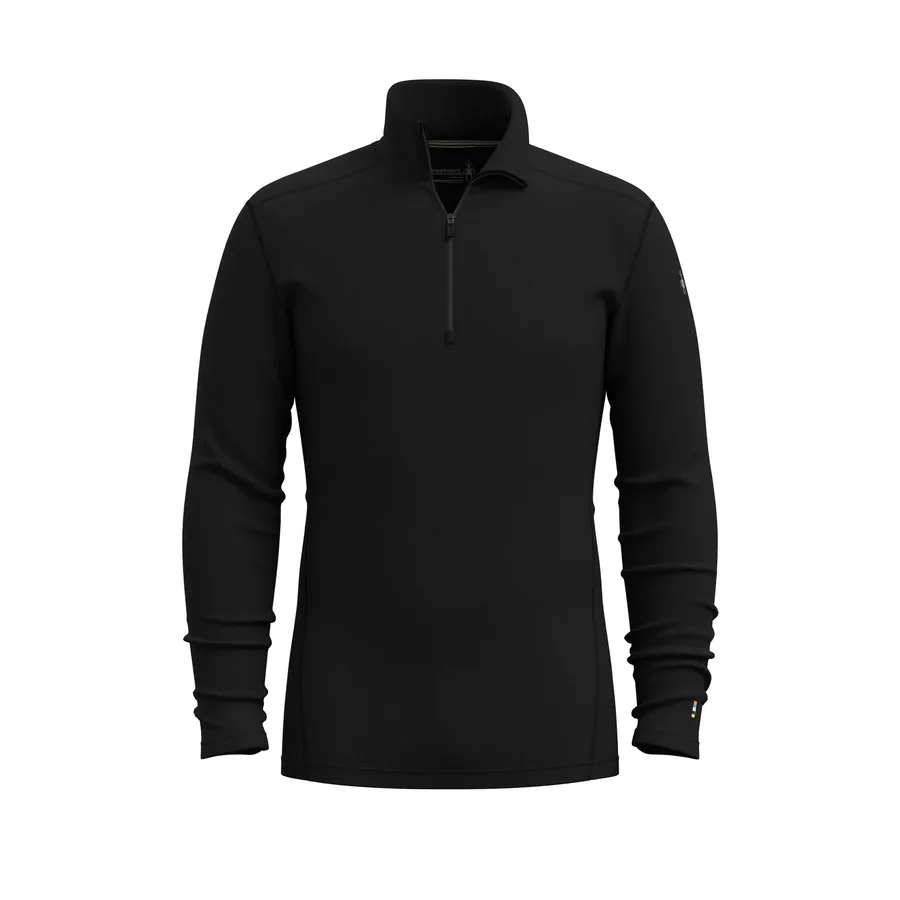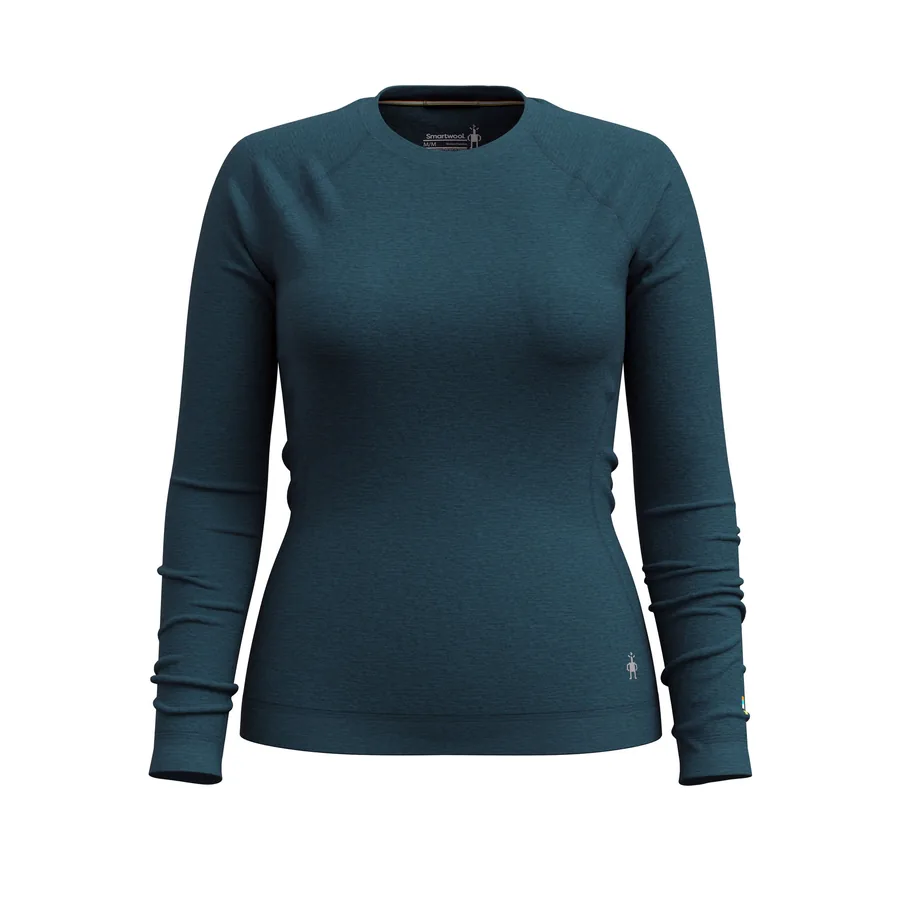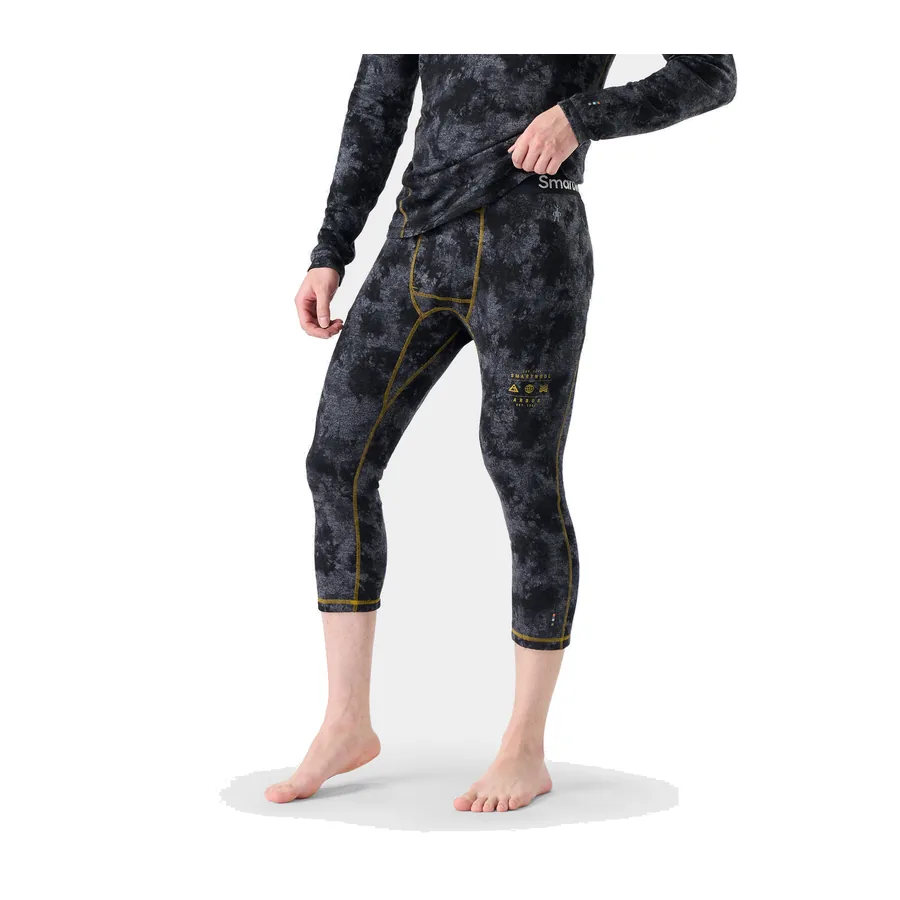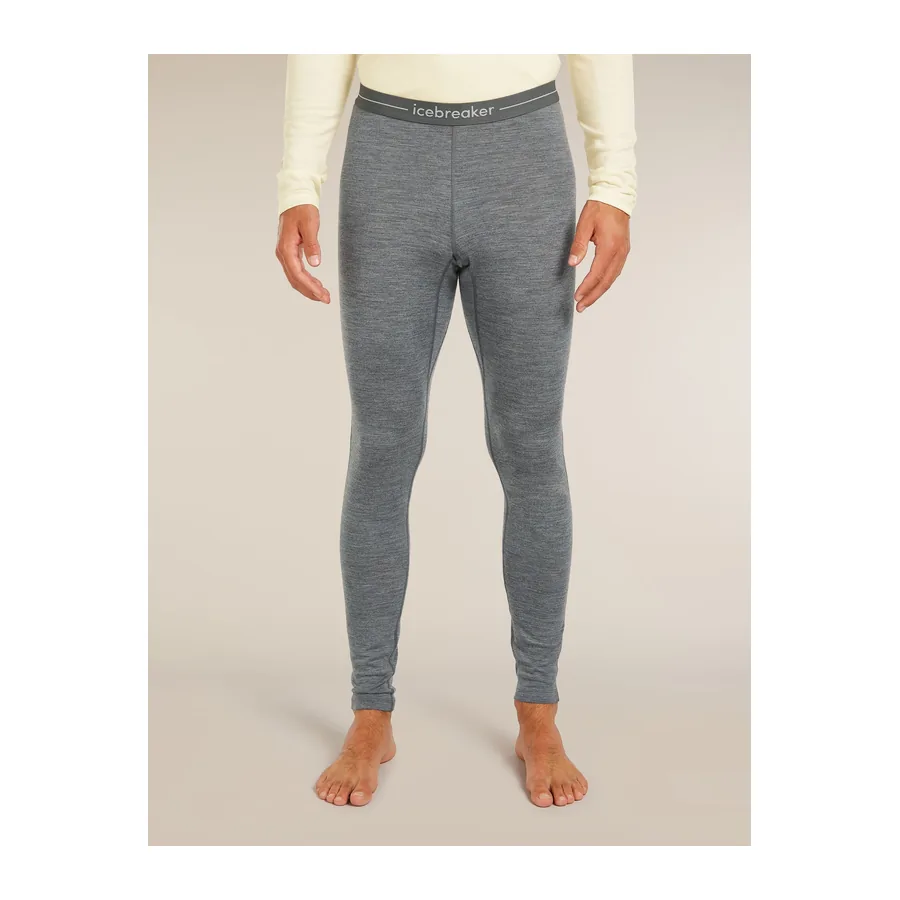

Wear a fitted synthetic or merino base layer under your ski jacket. Add a removable midlayer for colder lifts or a shell with little insulation. On mild, active days, start with just the base layer under an insulated jacket. Dress for the difference between riding hard and sitting still.
Which layer goes against your skin?
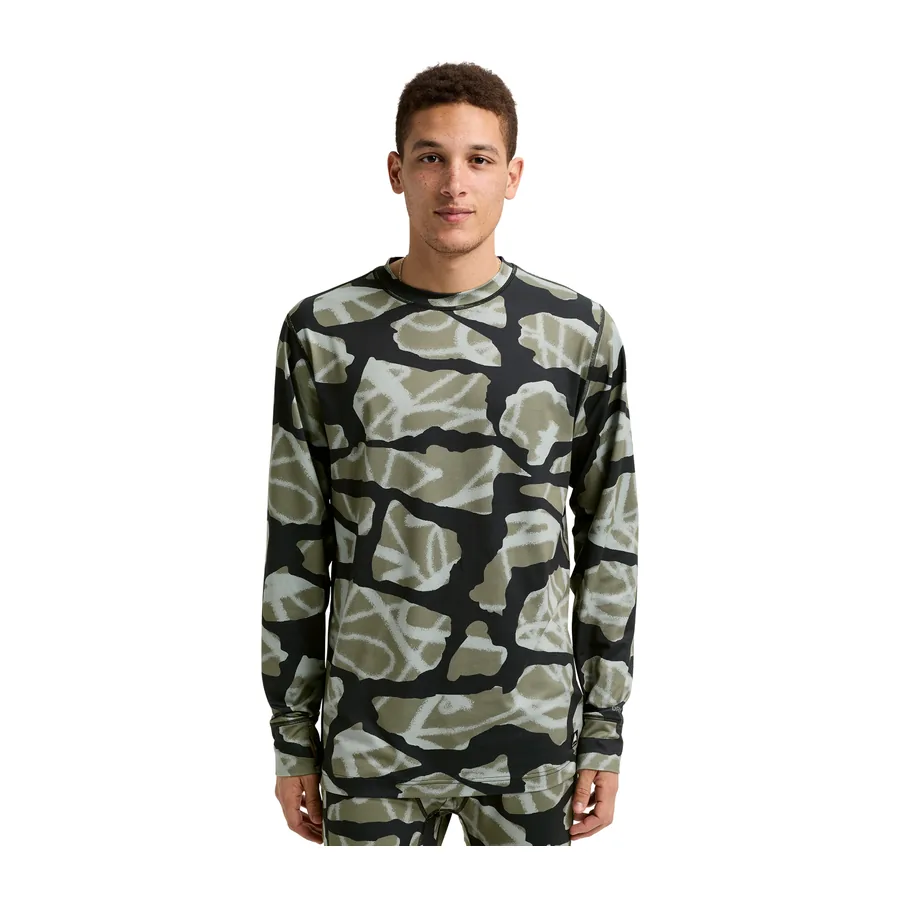
Choose one close-fitting shirt that moves with your shoulders and stays tucked as you reach for your boots. Its job is to help manage moisture, not to provide all your warmth. If the shirt bunches in the armpits under a fleece, try a different base layer or a roomier midlayer. A new jacket is rarely the first fix for a sleeve that twists because two inner layers fit poorly together.
| Catalog base layer | Use case | Tier | Try it with |
|---|---|---|---|
| Burton Midweight Base Layer Crew | A crew-neck starting point for daily resort wear | Mid | A shell and a removable fleece. |
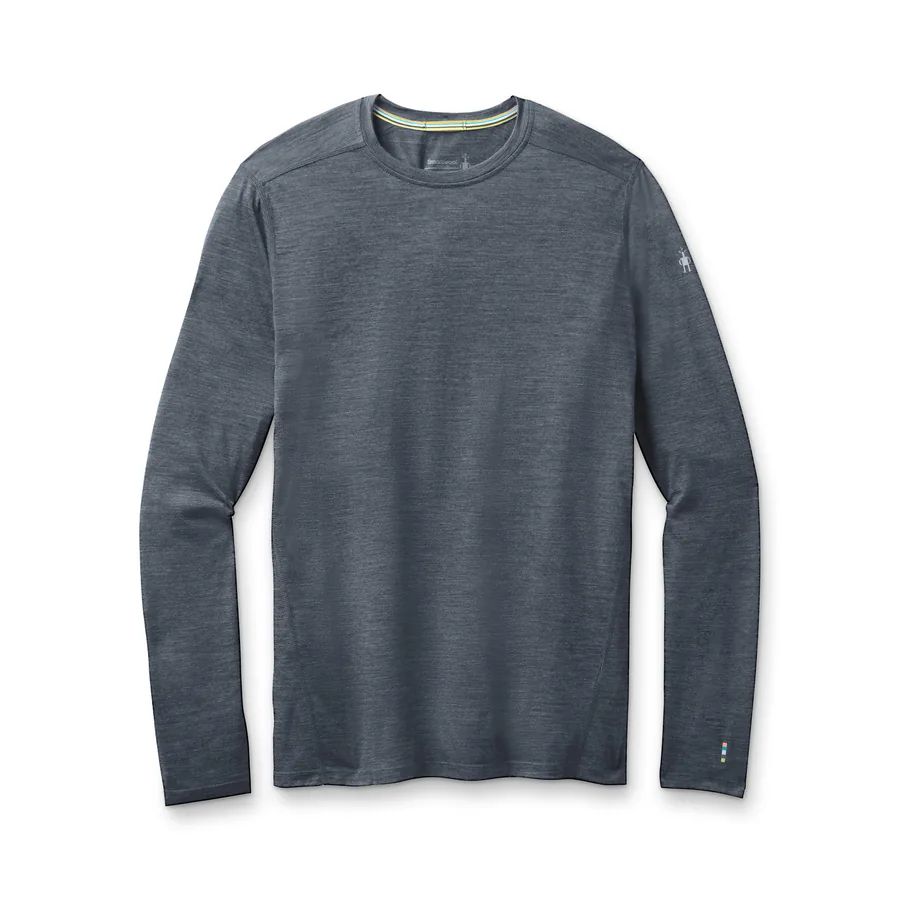
| Smartwool Classic All-Season Merino Long Sleeve | Riders who want a merino base for a flexible system | Mid | A thin midlayer that comes off easily. |
| Carhartt Force Midweight Waffle Base Layer | A midweight option for riders building around a base and midlayer | Premium | The actual jacket you will use on cold lifts. |
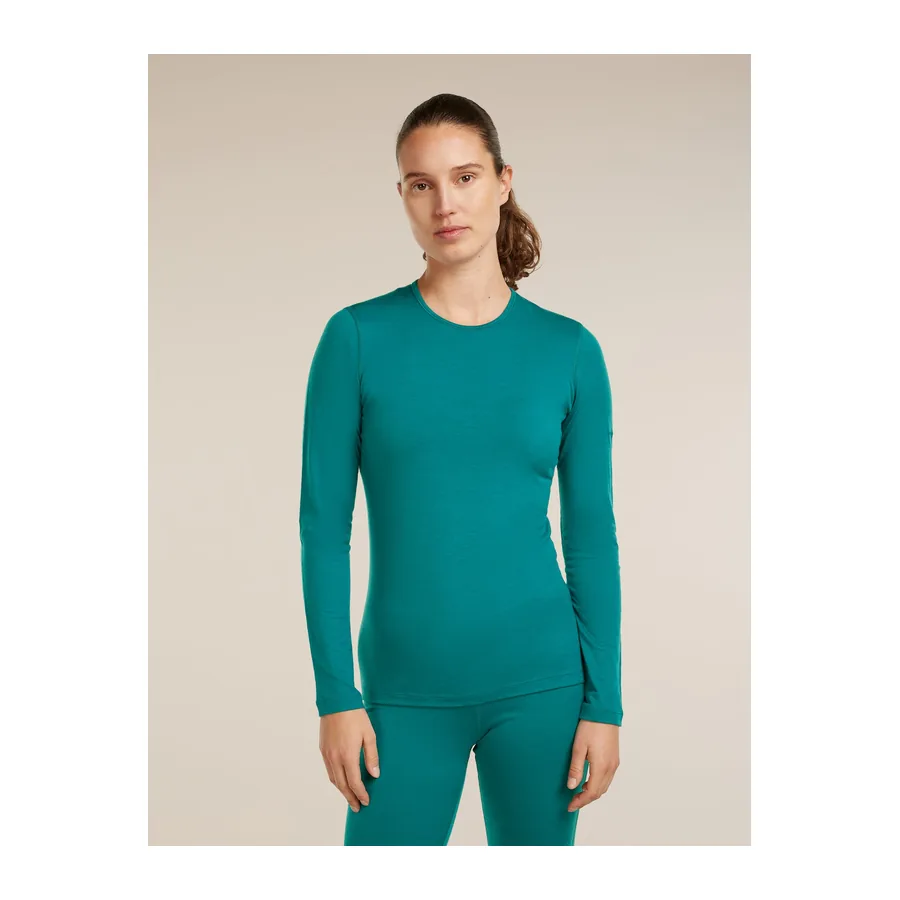
| Icebreaker Merino 200 Oasis Crewe | A merino crew option from the women’s catalog | Mid | A jacket that lets you reach across your body without shoulder tension. |
Find these and additional pieces in the ski base layers catalog. A label such as midweight describes the product’s place in its range. It does not automatically make two different materials feel equally warm. Pick a base you can keep on comfortably if you need to remove the midlayer at lunch.
How many layers should you start with?
Use these example starting points for a resort day, not temperature ratings for the garments. Wind, dampness and effort can move the decision by a layer.
| Example conditions | Starting setup | Where to make the next adjustment |
|---|---|---|
| 35–45°F (about 2–7°C), spring snow and active laps | 1 base layer under the shell or insulated outer jacket | Open vents before the next run if the inside feels damp. |
| 20–35°F (about −7 to 2°C), mixed runs and exposed lifts | 1 base layer plus 1 removable midlayer under a shell | Carry the midlayer if you start warm; put it on before a long ride up. |
| 5–20°F (about −15 to −7°C), repeated cold lifts | Start with 1 base layer and 1 insulating layer under the outer jacket | Use a warmer midlayer if you stay cold while sitting without overheating on the run. |
The starting point for an insulated jacket may be lighter than it is for a shell. For a normal day with an insulated jacket, try the base alone first if you already know that outfit keeps you warm while sitting. If it does not, add the smallest layer that helps during downtime and can come off without rebuilding the rest of your clothing. Browse ski jackets if you need an outer layer, but tune the clothing you already own before replacing it.
How do you assess your setup in five minutes?
Put on the outfit you expect to wear, zip the jacket and sit for about 1 minute. Reach forward, then bring your arms above your head 3 times. Your shoulders should move without the jacket pulling the entire base layer up. Next, spend about 2 minutes walking indoors at a normal pace. Take the midlayer off and put the jacket back on. The lighter outfit should still be usable without long cuffs or loose material suddenly blocking your gloves.
Finish with 2 practical motions: reach your boot and grasp a zipper while wearing your ski gloves or mittens. If you cannot repeat a motion comfortably after putting the midlayer back, identify where the layers overlap. If the shirt sleeve is the only crowded area, replacing every layer may make the fit worse rather than better.
What should you change when you are cold or damp?
If you start cold but feel hot halfway down the first run, vent earlier. The time to open a zipper is before the next stretch of activity, not after you have soaked the base layer. If you ride comfortably but get cold on the lift, close vents at the bottom and add the removable layer for the least active part of the day. Diagnose one condition at a time: sitting cold, working hard, or wearing damp clothing.
Carry 1 spare dry base top if you expect a long day and regularly need a dry change. At lunch swap the damp layer and use the same outer setup for the next run. If that solves the problem, you needed a dry layer and better vent timing rather than substantially heavier insulation. Keep the snow pants and bibs in the equation too: a large gap at the waist can feel like an upper-body layering problem when you sit down.
What should you pack for an unfamiliar forecast?
Pack the base layer you can ski in, the midlayer you can remove quickly and the outer jacket that handles the expected weather. Put the spare top in a dry compartment, not alongside used gloves. Write down what you wore on the first day and change one item the next time conditions are similar. That gives you a personal starting point without treating an air temperature as a complete description of every snow day.
What changes if you fall and your shirt gets wet?
Stop somewhere sheltered and assess which part became wet. If snow came in at your waist, solve the opening before adding insulation. Reposition the jacket over the bib or pants and repeat the seated reach that opened the gap. A dry replacement shirt is useful here because the jacket can still be doing its job. If your chest is wet after a fast run and your waist stayed covered, use a little more venting before the next run and close it again before sitting. The distinction keeps a wet layer from leading directly to a heavier purchase.