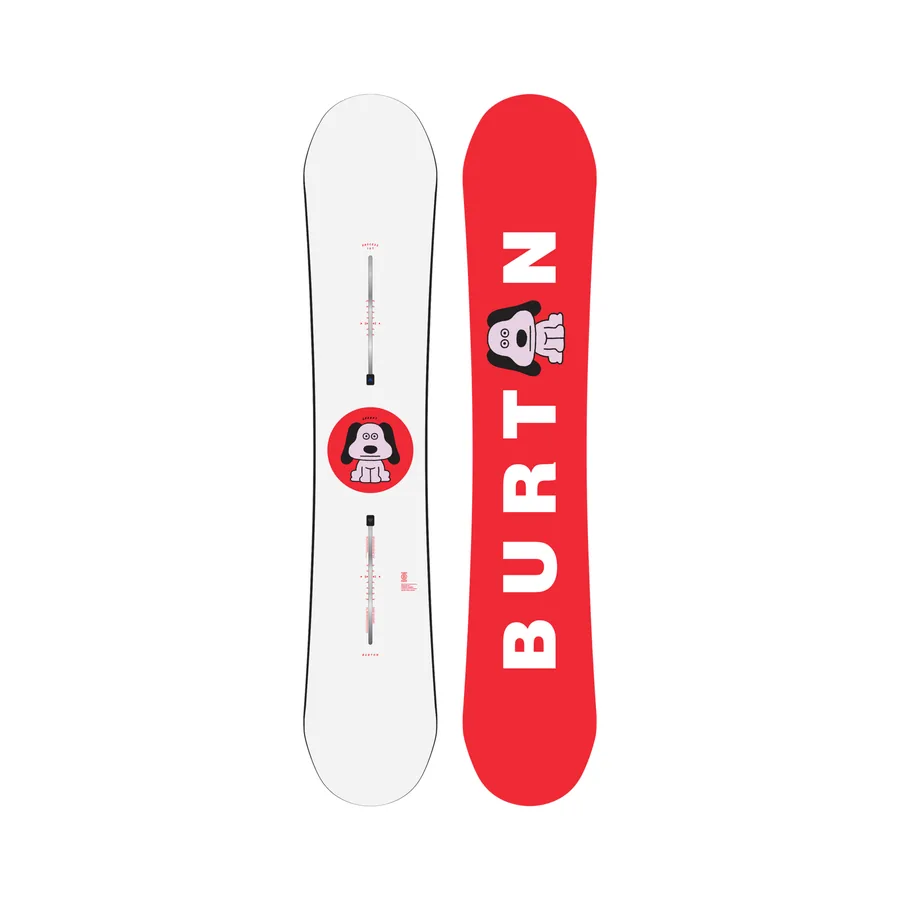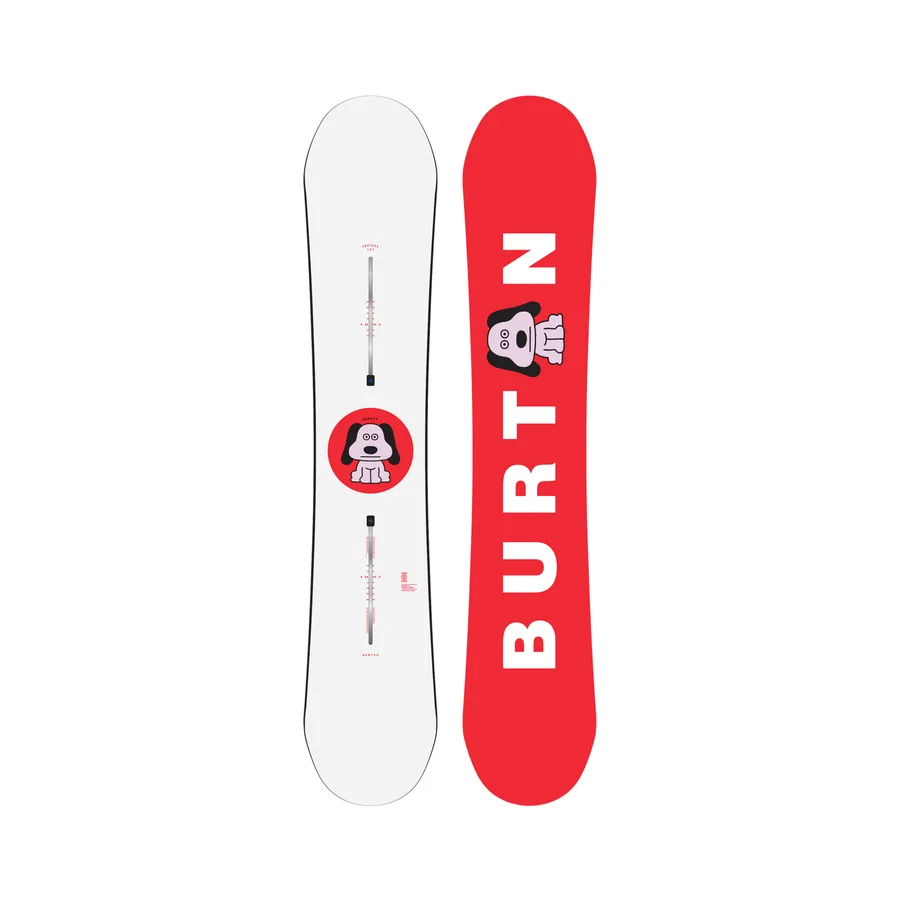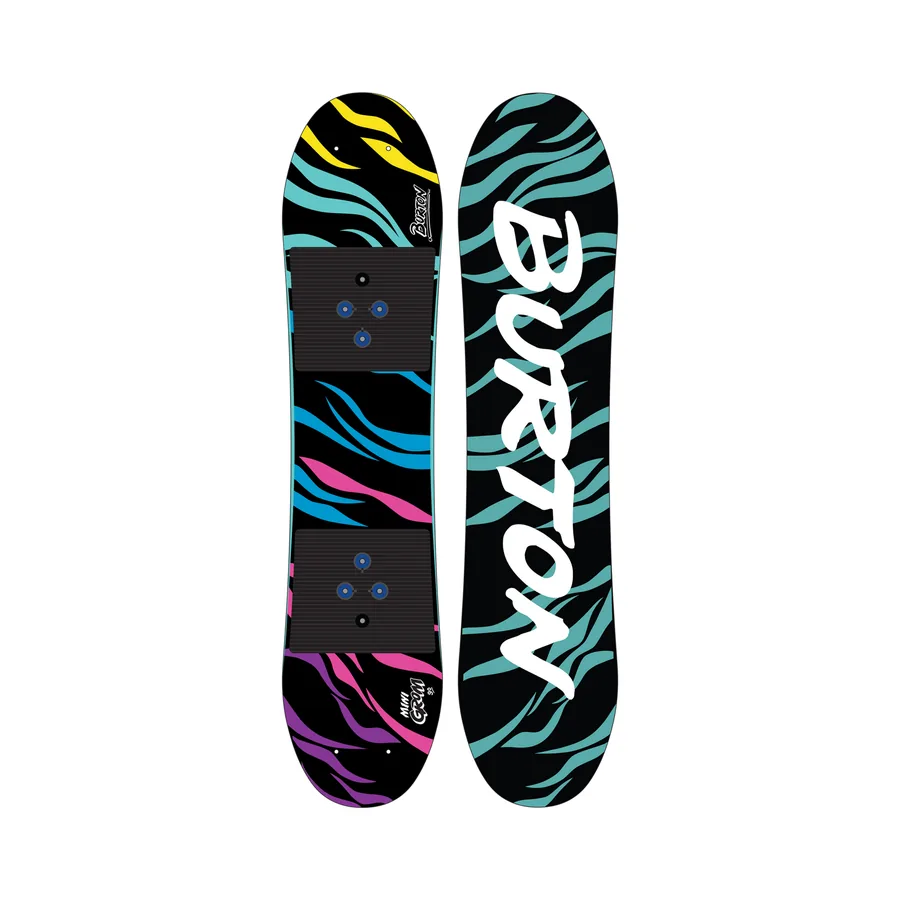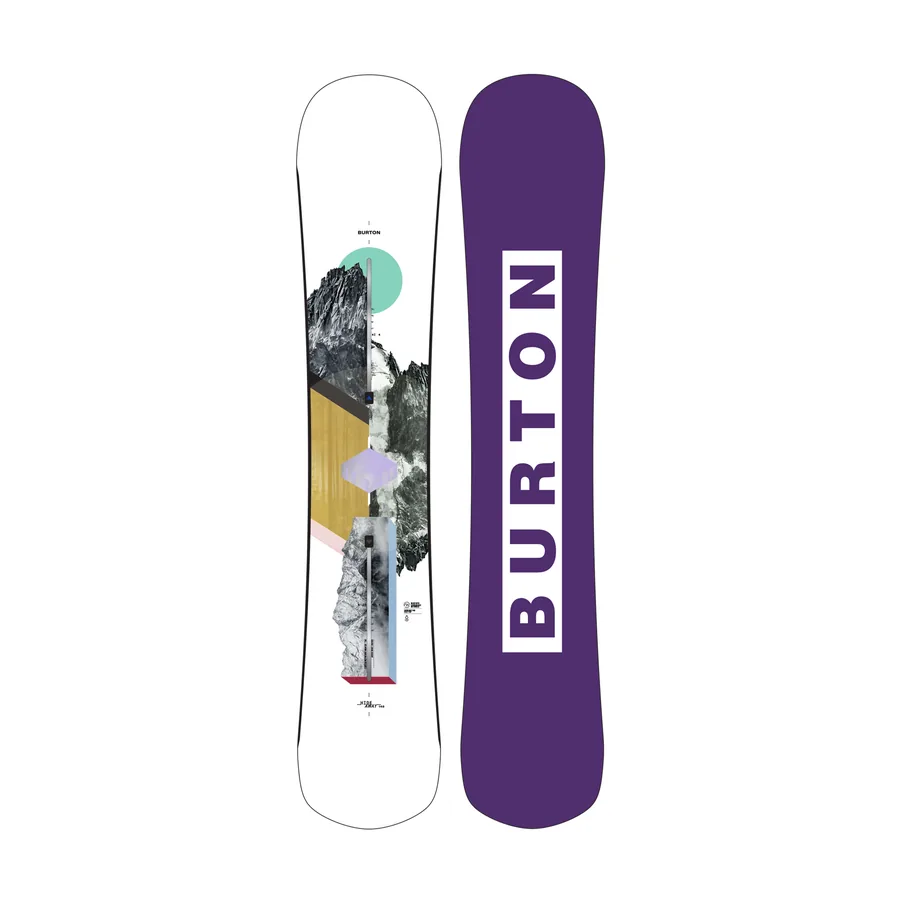
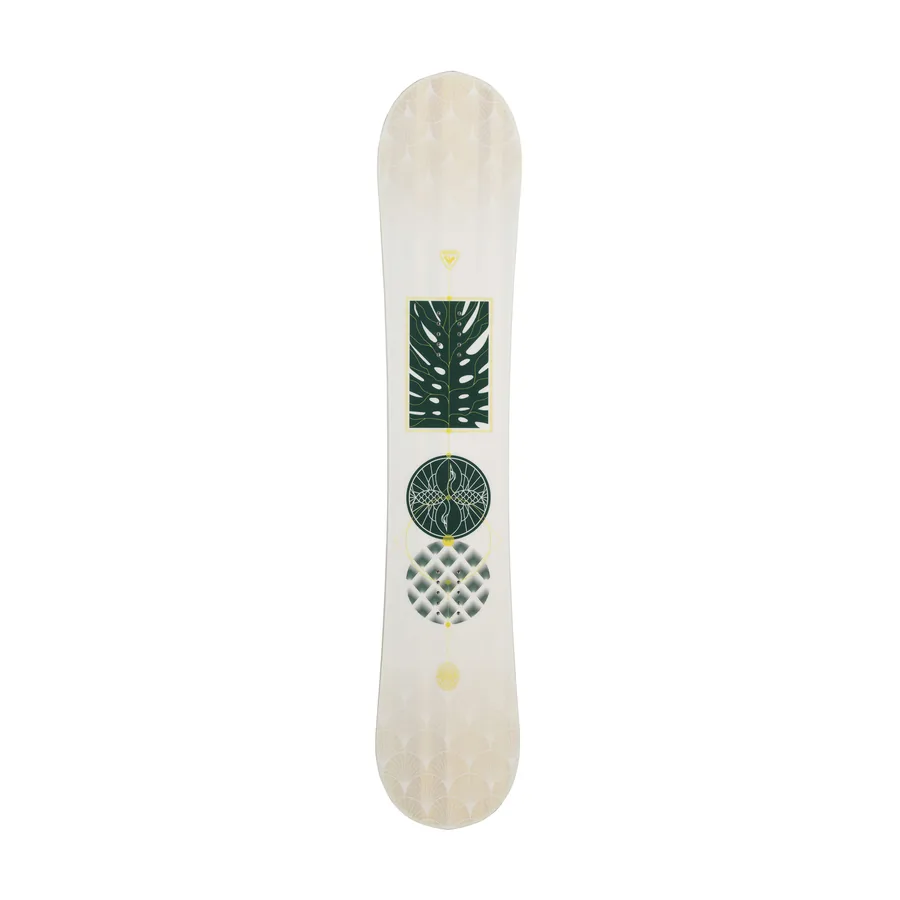
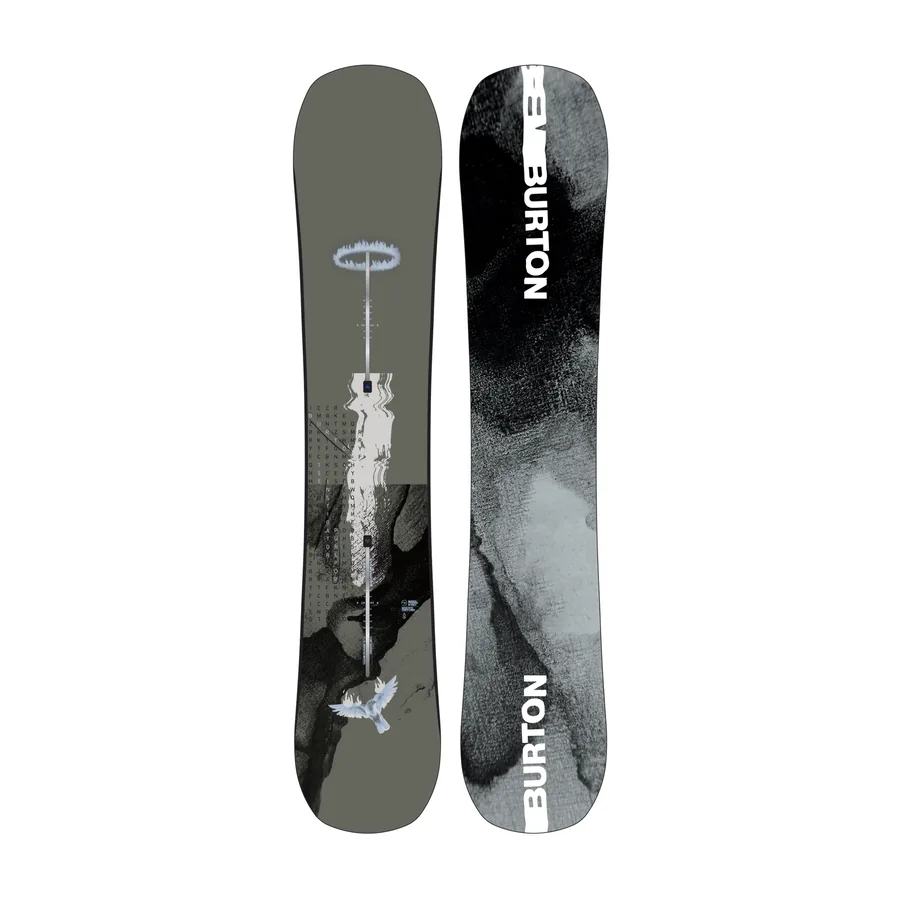
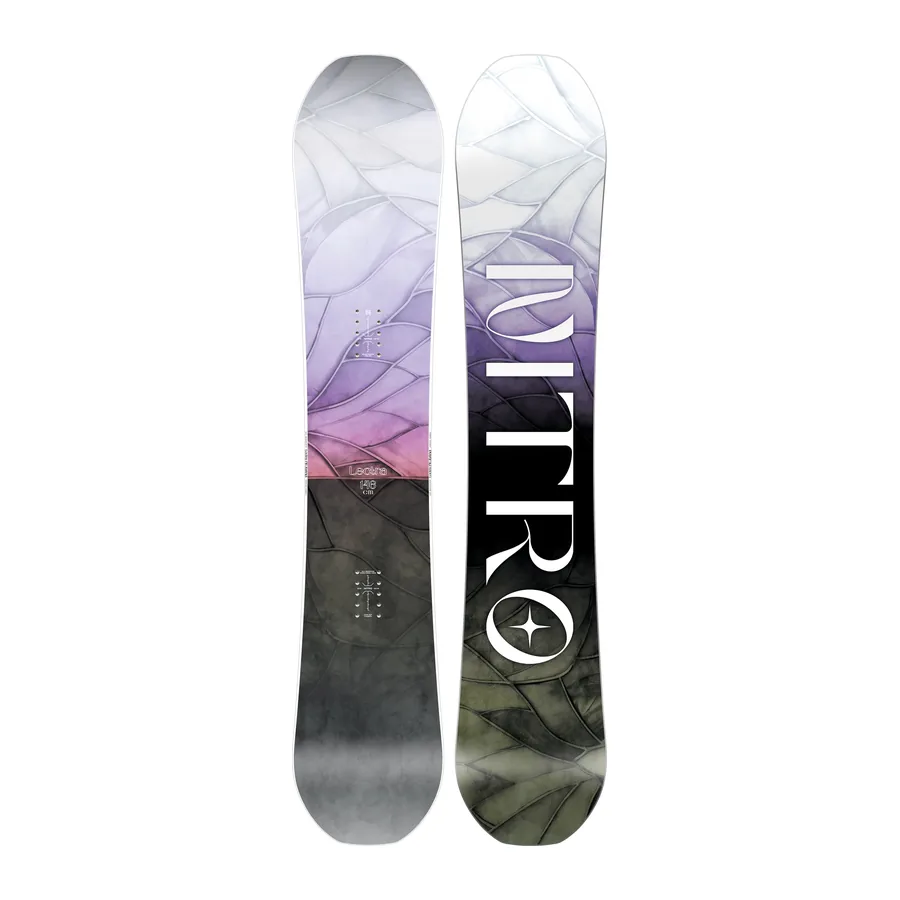
The best budget snowboard for most new riders is a soft rocker or flat board sized to your weight: the Burton Hideaway Rocker or Rossignol Soulside for first turns, the Burton Instigator PurePop Camber if you want a board you won’t outgrow after one season, and the Nitro Lectra Directional Twin for a light, playful resort board. Get the size right (chart below), make sure your boots don’t hang off the edges, and spend what you save on boots that fit.
Which budget snowboard should you buy?
| Board | Best for | Why it’s good value | Trade-off |
|---|---|---|---|
| Burton Hideaway Rocker | First 5–10 days, learning to link turns | Soft rocker forgives late edge changes and catches fewer edges | Feels loose at speed once you carve |
| Rossignol Soulside | Women progressing from green to blue runs | Soft, easy to turn, stays manageable as speed picks up | Not built for park or deep powder |
| Burton Instigator PurePop Camber | Beginners who want to keep the board for 2–3 seasons | Flat-to-rocker feel for learning, enough pop to grow into | A little stiffer on day one than a pure rocker |
| Nitro Lectra Directional Twin | Lighter riders who want a playful all-mountain board | Easy to ride switch and on side hits | Less stable on icy, fast runs |
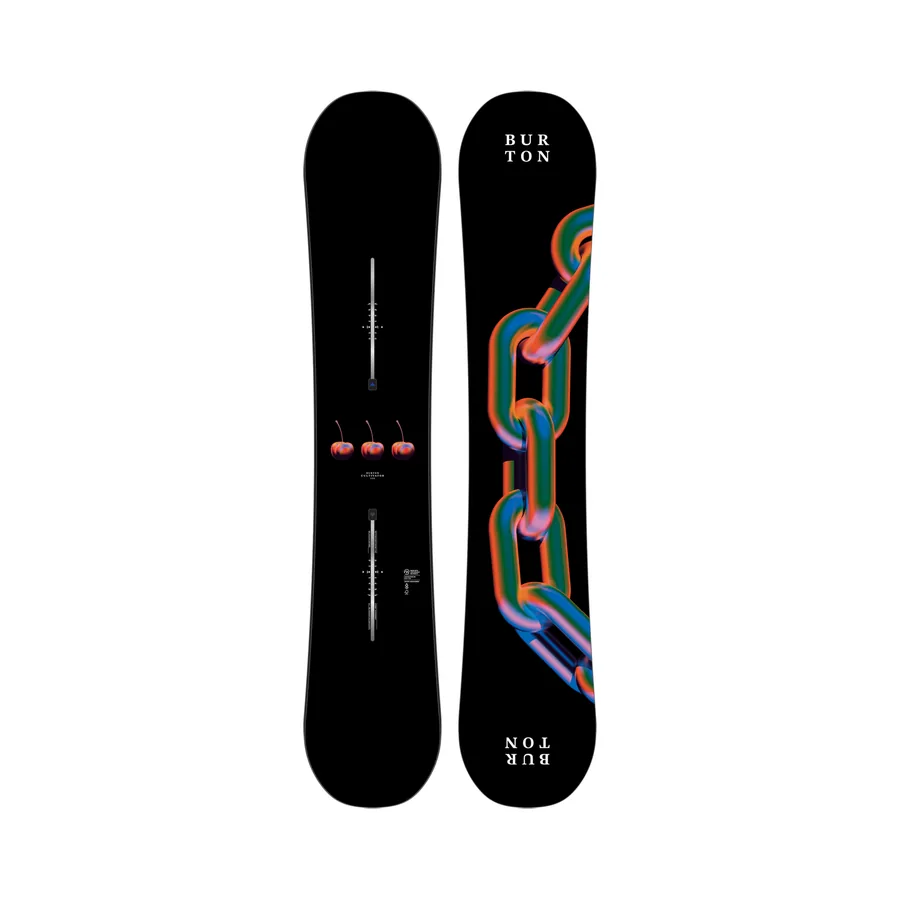
| Burton Process | Intermediate riders who already link turns | Freestyle-friendly all-mountain board that holds value | Too lively for a true first day |
If you are buying board, bindings and boots together, a snowboard package is usually the cheapest matched setup. See all beginner snowboards for more options.
What size budget snowboard do you need?
Size by weight first; height only fine-tunes. Most brands’ charts land close to this:
| Rider weight | Typical board length |
|---|---|
| 90–110 lb (41–50 kg) | 130–140 cm |
| 110–130 lb (50–59 kg) | 138–146 cm |
| 130–150 lb (59–68 kg) | 144–150 cm |
| 150–170 lb (68–77 kg) | 148–154 cm |
| 170–190 lb (77–86 kg) | 152–158 cm |
| 190–220 lb (86–100 kg) | 156–162 cm |
Beginners should pick the shorter half of their range: a board 2–4 cm shorter turns more easily at low speed. If you are between two sizes, go shorter for learning and park, longer for speed and powder. The full chart with height and riding-style adjustments is in our snowboard size chart.
Do you need a wide board?
Width matters more than most budget buyers expect. If your boots hang more than about 1–2 cm over each edge, the toe or heel drags in turns and you fall for no obvious reason.
- Men’s boots US 10.5 and below: a regular-width board works.
- US 11–11.5: borderline; low-profile boots often fit regular, bulkier boots need a mid-wide.
- US 12 and up: choose a wide (W) board, usually 260 mm+ waist width.
- Women’s boots: almost always fit regular-width women’s boards.
Where does the money go in a budget setup?
A board alone is not a setup. Plan the whole kit, in this order of priority:
- Boots (biggest impact). A boot that fits removes heel lift and foot pain; a cheap board with good boots rides better than the reverse. See snowboard boots.
- Bindings. Match binding size to boot size (most S/M fit US 6–9, M/L fit US 8–11, L/XL fit US 10.5+). Our binding guide covers strap vs Step On.
- Board. Any entry-level board in your size and width is enough for the first 1–2 seasons.
Previous-season boards are the easiest saving: graphics change every year, the construction often doesn’t.
Camber, rocker or flat for a cheap first board?
- Rocker (Burton Hideaway Rocker): tips lifted, catches the fewest edges. Best for days 1–10.
- Flat or hybrid (Burton Instigator PurePop Camber): stable and still forgiving. Best value if you plan to ride 10+ days this season.
- Camber (Burton Process Flying V is a hybrid; full camber boards are stiffer): more pop and edge hold, less forgiving. Choose it once you link turns on blue runs.
How do you make a budget board last?
- Wax every 4–6 riding days; a dry base is slower and harder to turn. Our waxing guide takes 20 minutes.
- Wipe and dry the edges after each day to stop rust.
- Store flat or upright in a dry room, straps loose, not in a car trunk.
- Re-check binding screws every few days; they loosen as the board flexes.
Not sure which combination fits your level and budget? Describe your plans in the gear finder and get a matched setup in seconds.