The best time to buy snowboard gear depends on which part you need. Buy boots early enough to try them and exchange them if necessary. Shop boards and bindings during previous-season clearance if you already know the exact sizes that fit. Leave enough time before your first trip to assemble and assess the complete setup.
Which buying window fits your deadline?
| Example US shopping window | Best use | Main trade-off |
|---|---|---|
| September–November | Start a first setup before early winter trips | Discounts are not guaranteed, but starting early leaves more time to resolve fit. |
| December–February | Replace an essential piece before a booked trip | Waiting for a promotion may leave too little time to assemble the setup. |
| March–May | Look for previous-season clearance if your setup still works | The exact length, boot or binding size you need may sell out. |
| June–August | Look for remaining stock or prepare a shortlist before winter | A price can look attractive months before you have a chance to use the equipment or try alternatives on snow. |
These are planning windows, not a release or promotion calendar. Local seasons and inventory vary. Let your first riding date set the deadline, then move back far enough to allow the seller’s stated shipping and returns. Shopping for speed and shopping for a discount are different decisions. A board arriving in time with incompatible hardware does not meet either goal.
What should you buy early, and what can wait?
| Catalog model | Place in the buying order | Tier | When it is worth moving |
|---|---|---|---|
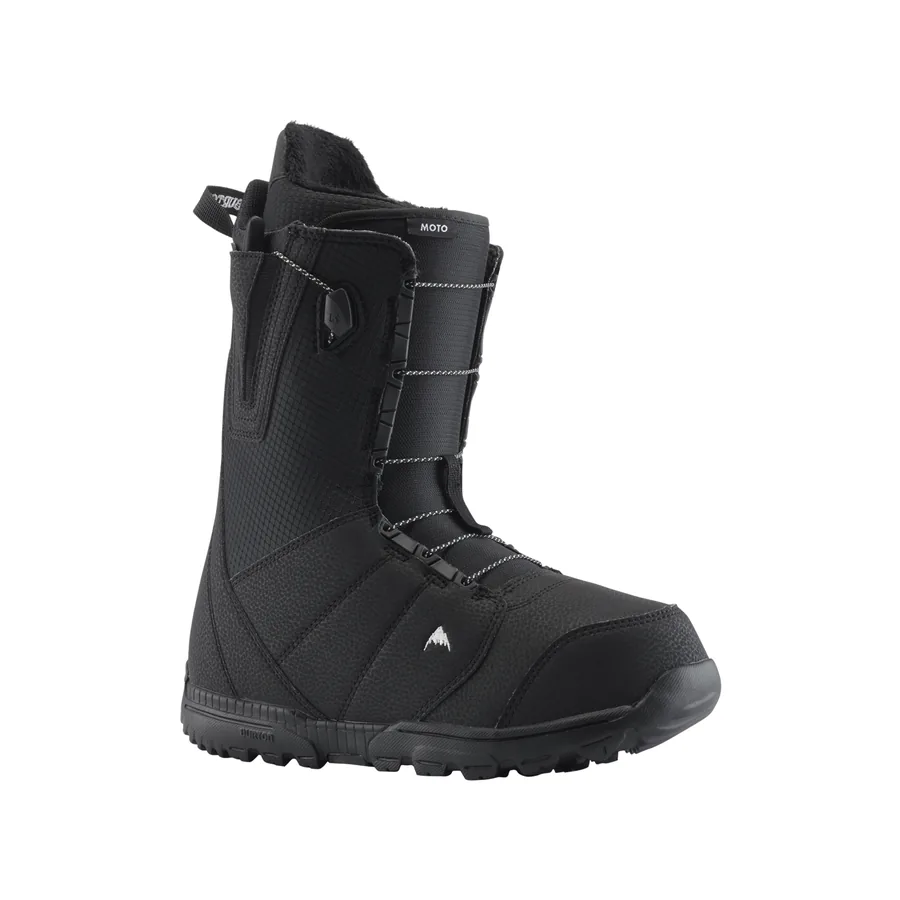
| Burton Moto | Boot fit first | Mid | Buy when the exact fit works and the return period allows another trial. |
| System APX | A budget boot fit option | Budget | Move when it fits your feet, rather than waiting for a different labeled size to clear. |
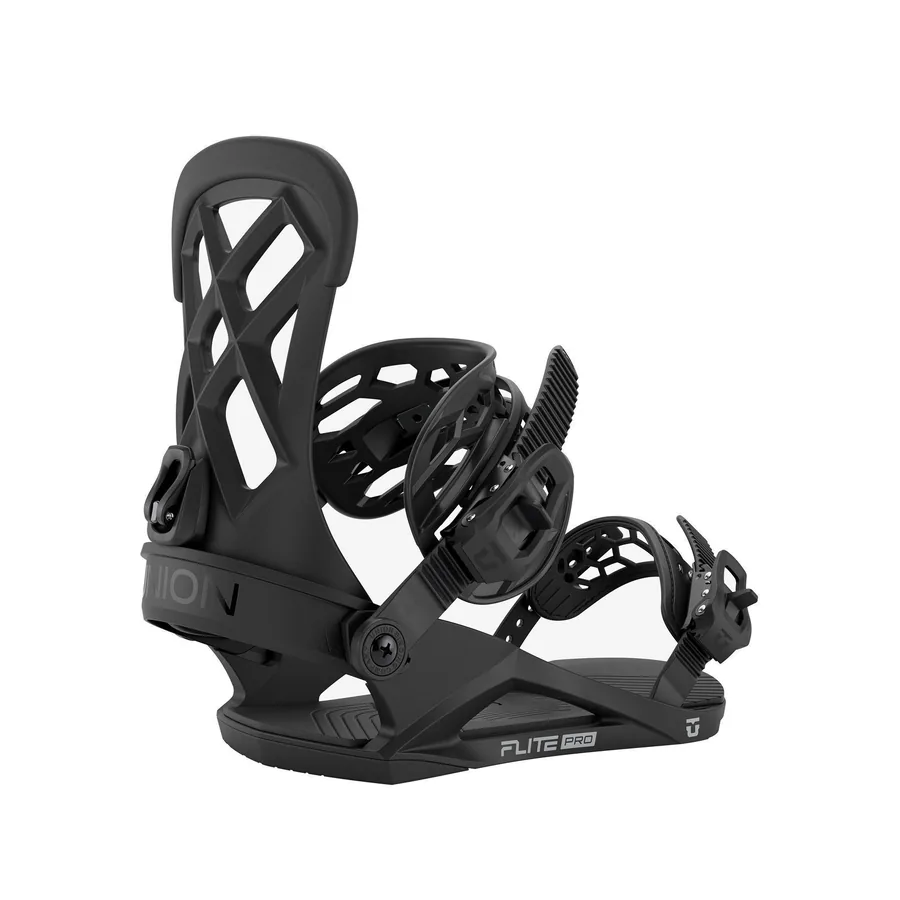
| Union Flite Pro | Bindings after the boot decision | Mid | Buy once your boot and board versions are supported. |
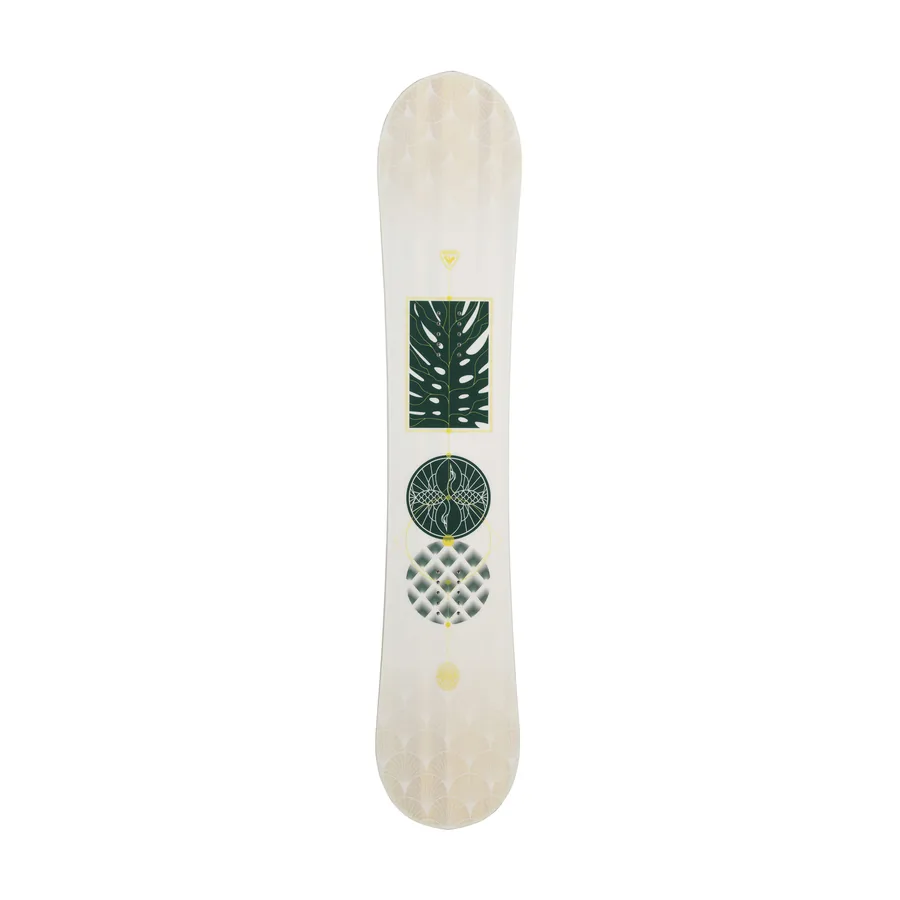
| Rossignol Soulside | Beginner board after size and width are clear | Budget | Wait for a sale only while an eligible length or equivalent option remains available. |
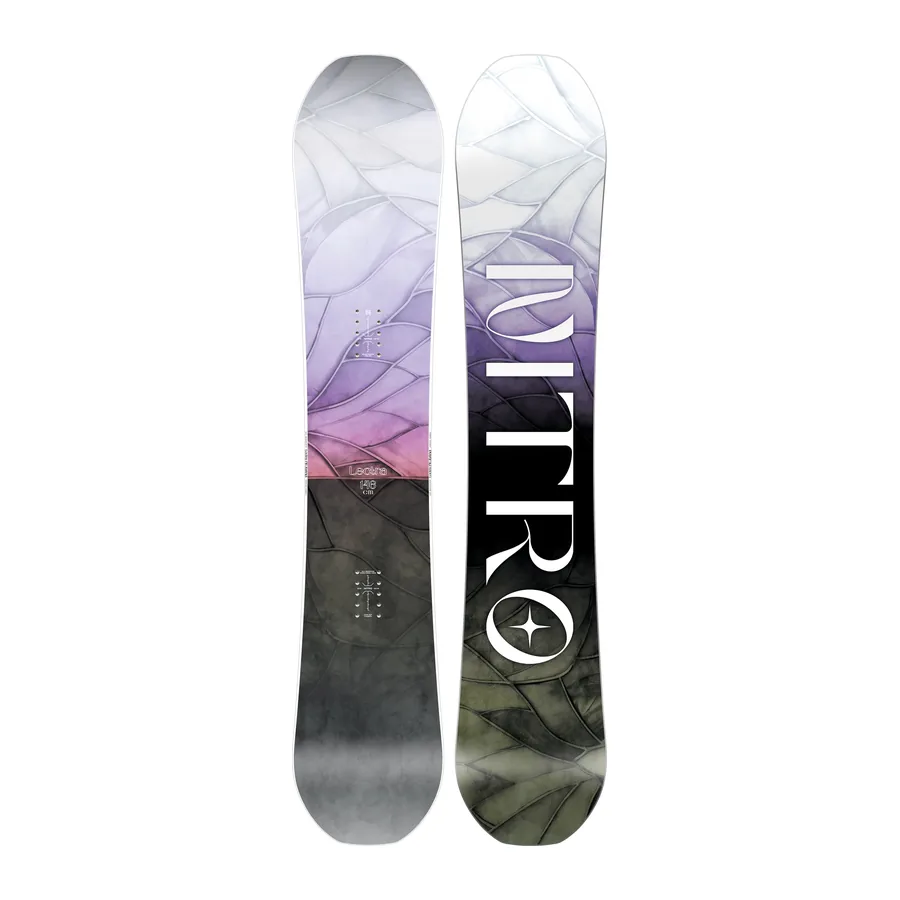
| Nitro Lectra Directional Twin | Women’s resort board for a known setup | Budget | Move when a suitable length suits your schedule and works with your boots. |
Use the snowboard boots catalog to begin the fit decision, then choose bindings and the snowboard around the boot and riding use. These are examples from the catalog, not models predicted to go on sale. If you are shopping a snowboard package, make the same fit and hardware decisions for each item even if the listing presents one price.
How much extra time should you build in?
Here is a sample timeline, not a shipping promise. If your trip starts on the 28th of the month, reserve 7 days for an exchange or replacement shipment, 5 for initial delivery, and 2 to assemble and do an indoor fit trial. That is 14 days, which pushes your example order date back to the 14th. If the seller lists a longer turnaround, use that number instead. If your boots have never been chosen, start the fitting stage before this order deadline.
For a 3-day trip with no compatible replacement gear on hand, an item arriving on the final evening gives you no practical time to resolve a mismatch. If you already have a working setup, give yourself a different deadline. The old equipment makes it possible to skip the current offer and wait for another eligible length. Use the boot fit guide when a new size or boot shape makes the schedule uncertain.
When is a sale no longer worth the wait?
Use the same delivered-cost worksheet before and during a sale. For an illustrative budget of 100 units, say you can buy a compatible setup at 86 units delivered now. A later offer might take the board down by 12 units but add a 9-unit shipment, plus 7 units for replacement hardware you do not already own. That puts the later setup at 90 units, even though one item got cheaper. The figures are examples, not listing prices. Write the usable total, not the percentage next to the board name.
Set a planned last order date with your own delivery and return figures. When that date arrives, choose among options that already meet your fit and compatibility requirements. If none are available and you have a trip, a confirmed rental for the trip keeps you from forcing a bad purchase. If you can keep riding the old setup, continue waiting only while you have more than one acceptable candidate.
What should you record before the next sale?
Build a shortlist with 2 board lengths that pass the model’s size range, your exact boot size in the model you tried, and at least 1 verified binding pairing. Save versions and sizes, not just model names. If only one board length truly works, keep one rather than adding a second for the sake of a sale. Remove a candidate if the remaining item is a different year and the size or mounting information is unclear. Once the acceptable size is gone, the sale has ended for you even if the page still advertises it. For planned future purchases, note the seller’s actual exchange terms and leave enough time to use them before your first ride.
When does waiting help a rider who already has equipment?
If you already have one complete working setup, write down the purpose of the purchase and put a real deadline beside it. For a replacement board, that might be the point when your current board can no longer serve its normal role. For a second board, it might be an upcoming trip where the new model fits a different use. If you cannot name a specific date, you can afford to set price alerts and review offers only for the models you already shortlisted. There is little value in revisiting the same incompatible lengths every week.
Keep one note about the pieces you want to reuse. That makes every seasonal offer answer the same question: does it deliver a supported riding setup for less, within your schedule?