
The best kids’ ski jacket fits over a base layer and the child’s usual midlayer, covers their wrists when they reach, and lets them sit without exposing the waist. Before choosing a size, have the child put it on with their own gloves and helmet and try the main zipper without help.
Which is the best kids’ ski jacket for your child’s day?
| Model | Best for | Catalog tier | Test at home |
|---|---|---|---|
| WULFUL Kid’s Waterproof Ski Jacket Warm | A budget option for practice laps and family days | Budget | See whether the child can fit their gloves under or over the sleeve as intended. |
| Keevoom Boys and Girls Winter Coats | Shopping for a mid-tier jacket for resort lessons | Mid | Observe how the zipper and cuffs work with winter gloves on. |
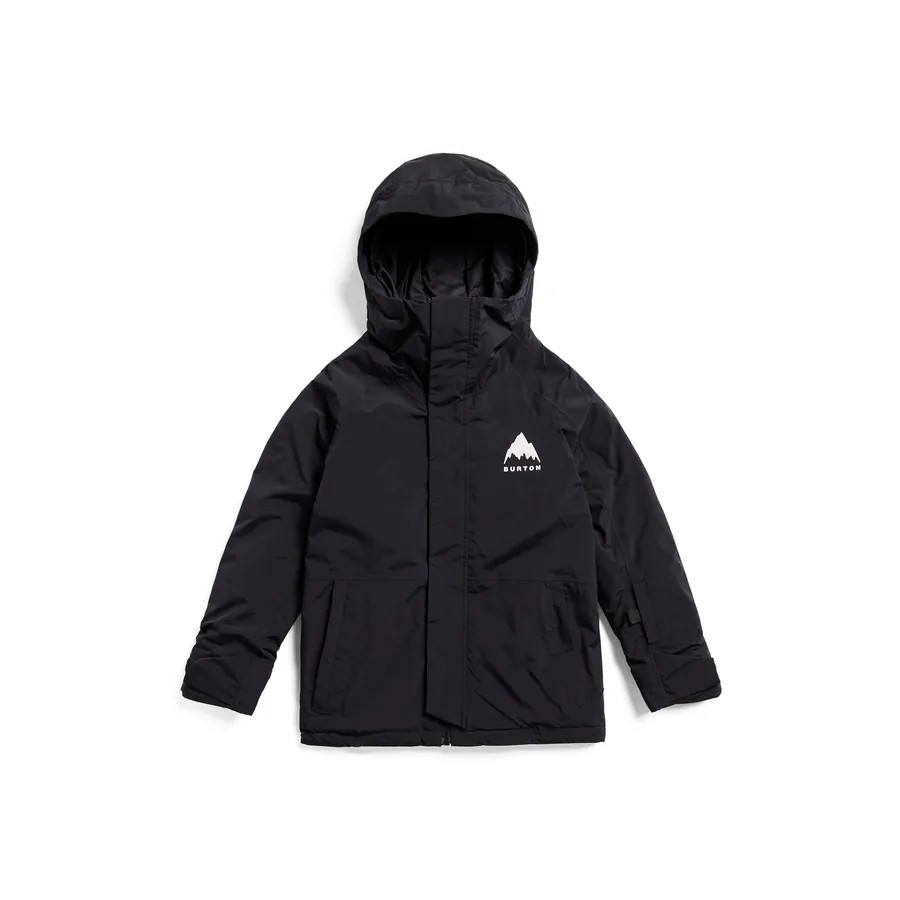
| Burton Skimmer 2L | A premium option for a young snowboarder’s resort setup | Premium | Test the hem overlap with the child’s pants or bibs while seated. |
| Keevoom Waterproof Ski Jacket Winter Warm | Another premium option for family winter trips | Premium | Try shoulder freedom with the two layers the child usually wears. |
Start with the kids’ jacket selection if the child is still building a winter setup. The comparisons above use the same fitting routine for each model. Details like whether a sleeve feels long enough or gets in the way depend on the child’s body, gloves and base layers.
How can you test size without waiting for a snow day?
Pick two outfits: the layers the child normally wears and the combination they would use for a colder day. Try the jacket with each. Zip all the way up and ask the child to raise both arms, then reach forward as if taking something from a shelf. See whether the sleeves still cover the wrists and whether the shoulder fabric pulls. Have them crouch and stand back up. If the jacket shifts so much that the neck or sleeves need readjusting each time, try another size or cut.
Try a second size with the same layers before deciding that the smaller one needs more room. A jacket with long sleeves that cover a child’s fingers can make gloves harder to handle. Extra body length can also be awkward if it bunches while sitting. The preferred size is the one that fits the gear they use today and retains enough room for movement with the layers you put under it.
What should you test with the bib and gloves on?
Put on the child’s snow pants or bibs and repeat the seated test. Have them reach forward as if touching a boot or adjusting a strap. Look at how much the jacket still overlaps the waistband and whether the hem bunches around the knees. Stand back up and ensure that the child can reach the pockets without pulling the jacket out of position.
Then repeat the cuff test with their actual gloves or mittens. Ask them to open a pocket with one glove on, pull the main zipper and put a loose mitten back on. A parent may be able to close every fastener easily, but a child who can manage their own layer during a break will have fewer interruptions. Watch where the sleeve catches, where the glove shifts, and whether the child can restore the overlap after dressing.
How do you test the hood with a helmet?
Start with the child’s usual helmet and goggles fitted properly. If the jacket manufacturer describes the hood as suitable for going over a helmet, try that position according to the garment instructions. Ask the child to look left, right and up without turning their whole body. Ensure the collar does not push the goggles or obstruct their view. If they cannot look freely, leave the hood out of that setup and try another jacket if hood coverage is important to you.
With the hood down, repeat the test while the collar is zipped up. Have the child talk and look down. If the collar rubs their chin or pushes against the face, try another collar shape with the same winter layers in place. For a hood that stays off most of the time, ensure that it lies comfortably behind the helmet when they sit.
How do you pack for an all-day lesson?
Put a dry spare pair of gloves in a pocket the child or an instructor can reach. Ensure the child knows which pocket holds the pass or a small snack. Keep insulation adaptable instead of relying on extra layers the child cannot take off. A familiar midlayer that can be removed during a break is easier to manage than a crowded combination that takes time to put back on.
Before leaving, ask the child to show you how they would unzip the jacket, replace a mitten and close it again. Give them room to do it at their own speed. At the end of the first day, ask them to show the motion that was hardest. The best clue for the next outing may be a sleeve that folded under the glove or a pocket that was hard to reach, both of which are easier to solve when you know exactly what happened.
How should you try two sizes online?
Before ordering, measure a jacket that already fits the child. Lay it flat, zip it and record the sleeve and body dimensions the new jacket’s size guide actually provides. If the new guide uses body measurements only, take those separately rather than shopping for them directly with garment measurements. Keep the chart open when you choose between sizes. Test the return conditions so you can test the new jacket indoors before relying on it for a booked lesson.
Once it arrives, leave the tags on and use the actual ski layers. Have the child repeat the same reach and seated movements with both jacket sizes if available. Ask which one feels easier to zip and which lets them get their hands out of the sleeves. If they prefer the larger fit for comfort, identify they can still reach their pockets and wear mittens without fighting the cuffs.
Use a jacket that fits as your ordering reference
For example, a 20-inch back length is 50.8 cm, an 18-inch underarm sleeve is 45.7 cm, a 16-inch flat chest width is 40.6 cm, and a 14-inch flat hem is 35.6 cm. These are sample measurements from a hypothetical jacket, not children’s size limits. Double the flat chest width only if a retailer lists the garment circumference. In this example, 16 inches laid flat becomes 32 inches around, or approximately 81.3 cm. A chart based on the child’s body circumference is a separate measurement. Use that chart’s method instead of ordering a jacket whose garment circumference merely matches the child’s chest.