
The best women’s winter gloves for active snow days let you grip binding straps and keep snow out at the sleeves. Start with a five-finger pair, then test the sleeve overlap with your own jacket. If you frequently take gloves off, try a liner or spare pair before choosing a heavier setup.
Which best women’s winter gloves suit wet and active days?
| Model | Best for | What the format offers | Fit trade-off |
|---|---|---|---|
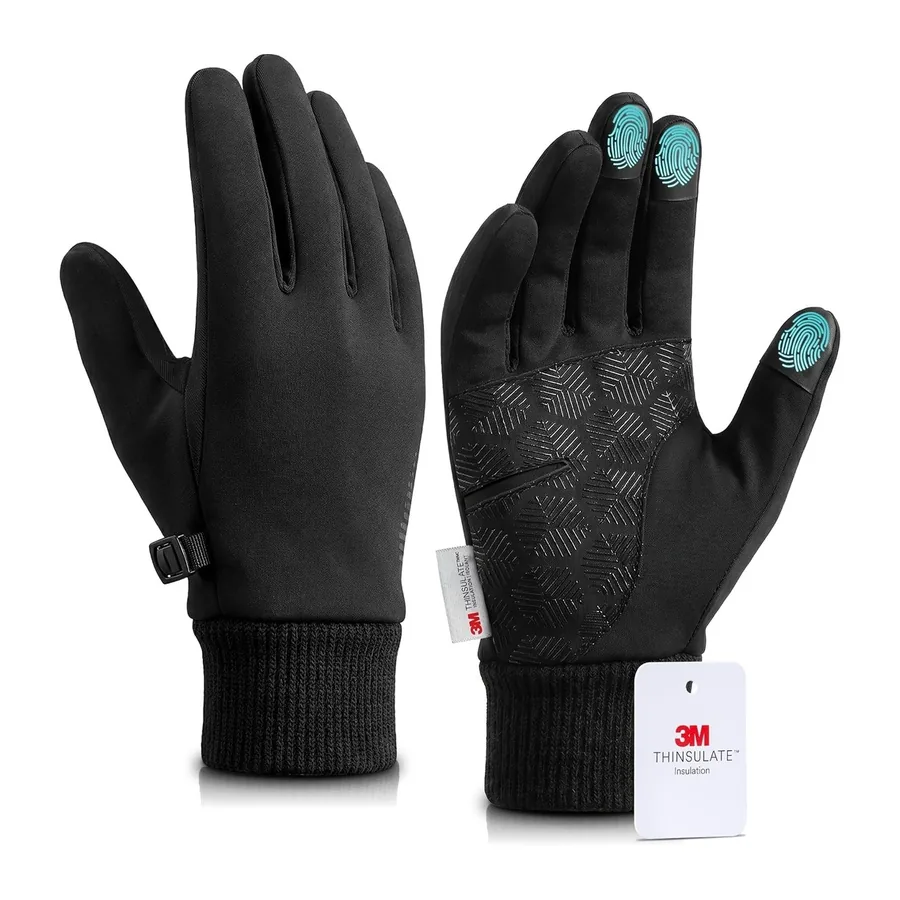
| rivmount Winter Waterproof Ski Snow Warm | A budget unisex five-finger option | Separate fingers for gear handling | Test how the fingertips sit when you grip |
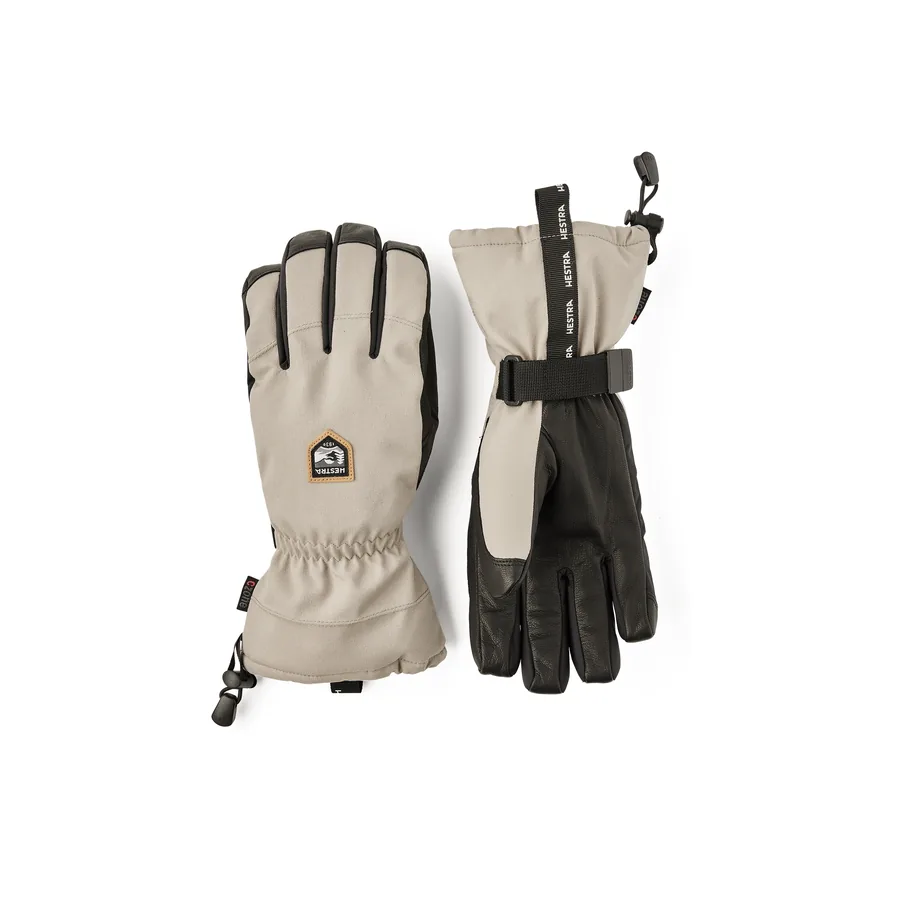
| Hestra CZone Mountain 5-Finger | A mid-tier unisex five-finger option | Another cut to try for finger movement | Test the cuff and your jacket together |
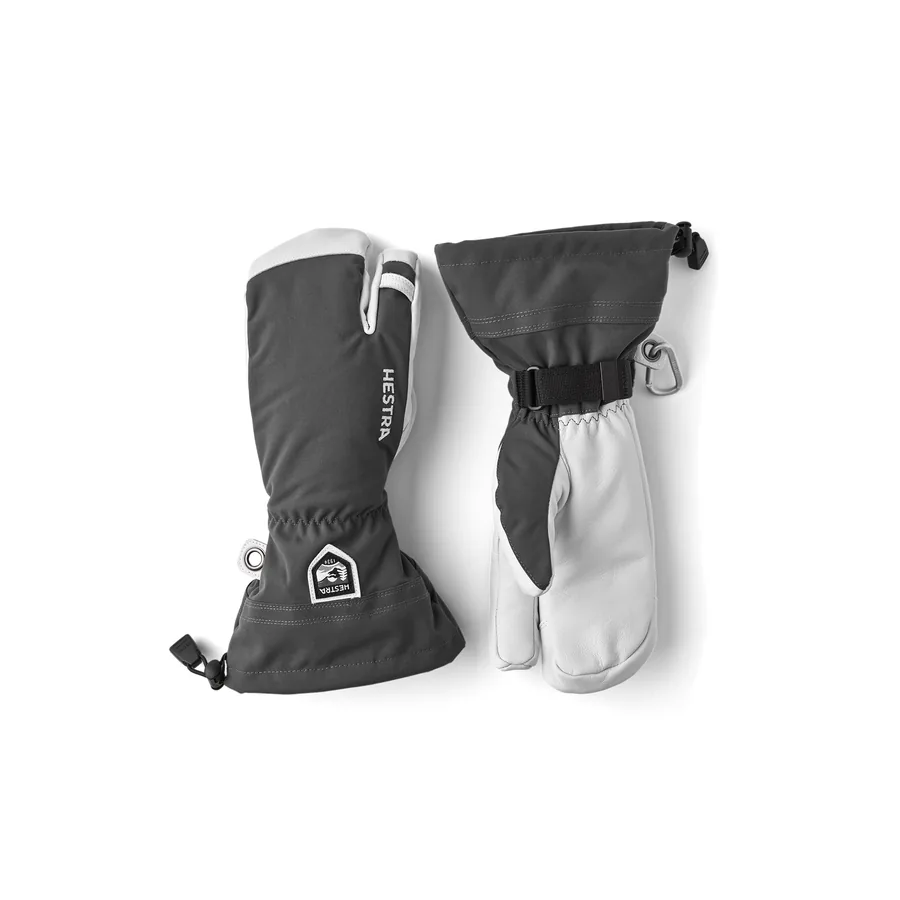
| Hestra Army Leather Heli Ski 3-Finger | Trying a women’s grouped-finger option | A middle option to try with gloves and mittens | Practice the tasks you usually do with individual fingers |
| Carhartt Waterproof Insulated Quilted Knit Cuff | Trying a budget women’s mitten | Fewer finger compartments to line up | See whether you can work your pocket and binding straps |
| SIMARI Winter Gloves for Women Men | A separate liner to try with an existing outer pair | A layering option for changeable conditions | Ensure the outer pair still closes without squeezing |
Start with the five-finger glove catalog if your main concern is keeping your gloves on while you adjust gear. If you already know you prefer the shape of snow mittens, test cuff fit and try at least one adjustment with them on.
How do you test grip before buying?
Set out three things you actually need to operate: a zipper pull, a binding strap and a small pocket closure. Try each one first with your current gloves, then with the candidate pair. Repeat the task with the opposite hand covered. Some closures are easy when one hand is bare and difficult when you need to hold fabric and move a zipper with two covered hands.
Assess finger length before deciding that a glove lacks grip. If several fingers bend inside the unused space at the tips, try another size or a different cut. Next, look for fabric shifting across the palm while you hold a strap. A snug palm with cramped fingertips creates a different problem from a loose palm with a comfortable finger length. Record both observations rather than relying on a single size number.
Identify which hand does the more precise work. When you ride with friends, you may habitually keep one hand on your board or a railing while the other works a pocket. Re-create that arrangement when possible. If a glove only works when you steady the zipper with a bare finger, it has not solved the on-snow problem you brought to the test.
How do you keep wet snow out at the wrist?
Wear your regular snow jacket during the fitting. Set one cuff above or below the sleeve as intended, then raise your arm, reach forward and bend at the wrist. Look for uncovered skin or an opening that appears when the fabric moves. Repeat the test on both sides. If the sleeve pulls back when you reach, a longer cuff or a better overlap can solve the issue without changing the insulation.
Notice how quickly you can put the sleeve and glove back into position. If you regularly put the gloves in a jacket pocket for a lift pass or lunch break, rehearse the next step: take one out and get it back on while the other hand stays covered. A cuff setup that is only practical in front of a mirror may be hard to reproduce after several stops.
When is a thin liner useful?
Try glove liners if you regularly remove your outer gloves but want some coverage while handling equipment. Put on both layers and close your hands around a strap. Look for new pressure at the fingertips and folds near the palm. Pull the outer glove off and keep the liner in place, then put it back on. If the two layers bind together or shift as you insert your hand, try a different fit.
A dry backup can be more useful than an extra permanent layer if you usually start the day comfortably and only get wet after taking your gloves off. Put it in a dry part of your bag where you can find it while wearing bulky outerwear. Ensure the spare fits your sleeves too. Switching to a shorter cuff in falling snow can expose the spot you were trying to protect.
What changes for cold, dry days?
Separate wet-weather problems from warmth problems. If the pair stays dry and you can use your equipment easily, but your fingertips get cold on long chairs, try the women’s warm-glove guide for additional winter formats and fit tests. For active days, a complete fit test includes a dry glove, your real sleeves and your usual adjustment tasks. Write down which task caused trouble before switching to another model.
On your first day in the new pair, carry the old one or another dry spare. If one glove becomes damp earlier, look at what you do more often with that hand. Notice whether it is the hand you use to brush snow away, unclip a strap or operate a pocket. Change one part of your routine, such as restoring the cuff overlap before you pick up snow-covered gear. If that does not solve the problem, try another glove using the same test.
What should the spare pair accomplish?
Choose a backup for the situation most likely to end your day early. If the issue is a damp liner, a dry liner in the same fit takes less room than another pair of outer gloves. If wet snow reaches the shell or the cuff repeatedly, a spare outer pair gives you a complete change. Set both up before you leave so you can identify the left and right hands and reach them without emptying your bag. At home, dry or clean each layer according to the instructions for that particular garment.
What fit measurements beat a size label?
Try the charts with a sample 18.5 cm palm and 17.5 cm hand length. Those measurements convert to about 7.3 and 6.9 inches, using 2.54 cm per inch. A 0.5 cm difference between hands is 5 mm, so write down both and use the larger hand to select your starting size. If the wrist closes but the fingertips still have enough extra material to fold around a strap, move to a shorter-finger cut rather than tightening the wrist further.
Pack 1 dry backup pair for 2 separate sessions if you regularly get wet while handling gear. That gives you 1 deliberate change at lunch while keeping the glove system the same. It tells you more than changing the liner, cuff arrangement, and outer glove together.