The best thermals for skiing match the work you do between lifts and the time you spend sitting still. Start near the middle of a brand’s fabric weights for ordinary resort laps, choose a lighter layer for sustained effort, and add removable insulation above the base when lift rides are the main source of cold.
Which are the best thermals for skiing in your setup?
| Catalog model | Best for | How to use it | Trade-off |
|---|---|---|---|
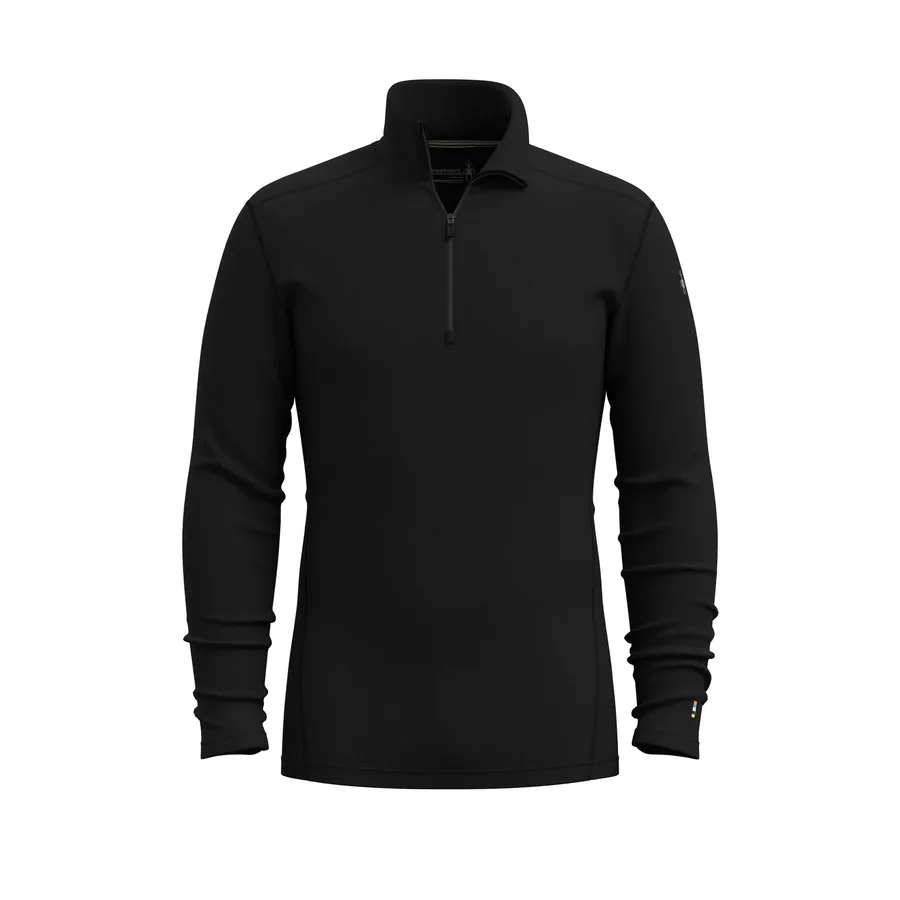
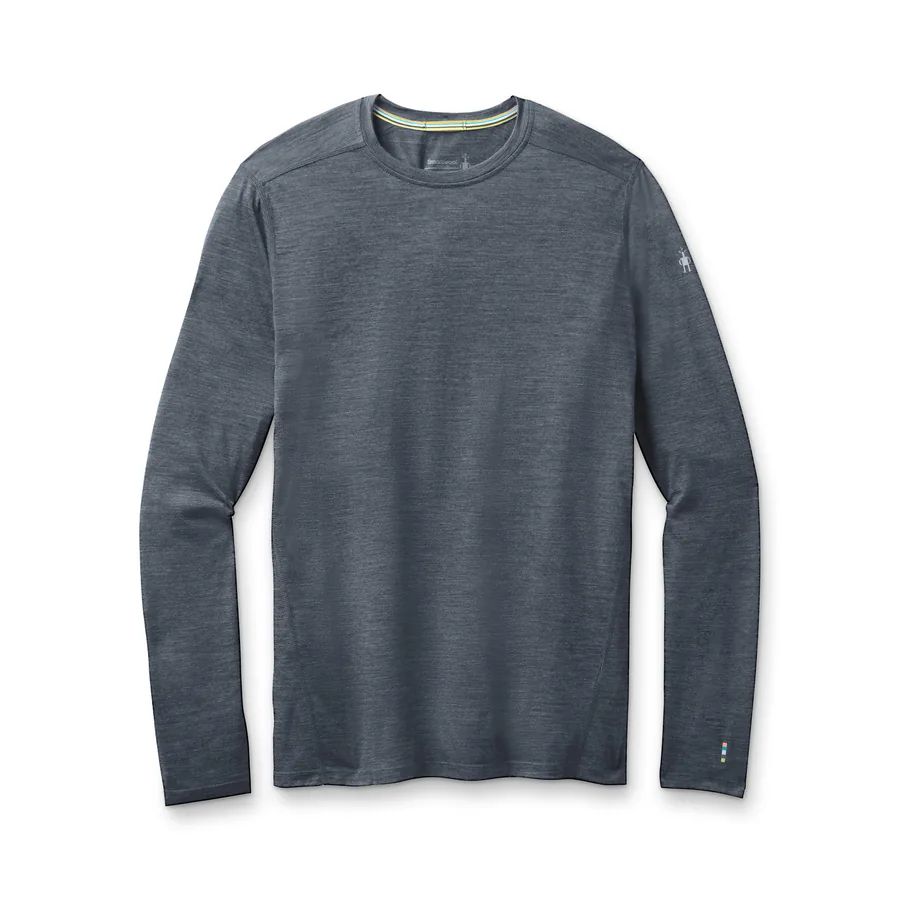
| Smartwool Classic All-Season Merino Long Sleeve | A separate top for variable days | Start here if your torso often warms first during active runs. | Pair it with a bottom that suits your pants rather than matching names. |
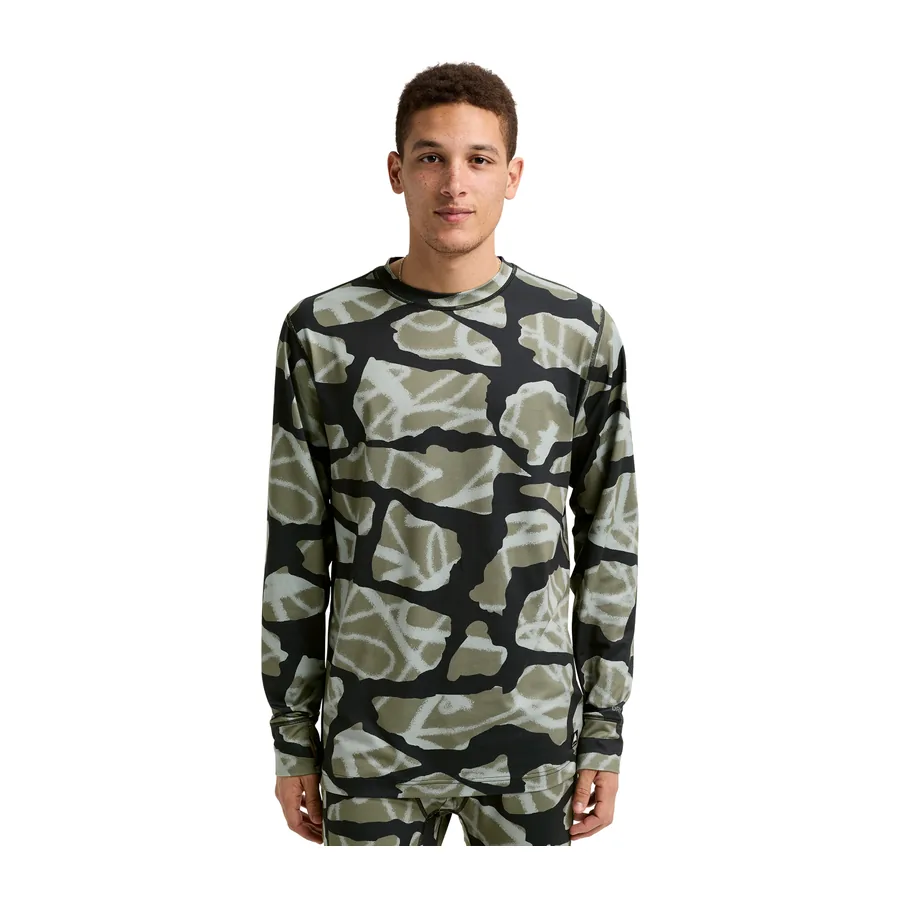
| Burton Midweight Base Layer Crew | A crew-neck top for resort layering | An option under a separate zipped midlayer and shell. | Plan to vent the layers above it when working hard. |
| Merino.tech 100% Merino Wool Base Layer | Comparing merino options in the catalog | Use the exact listing to select your preferred garment and cut. | Do not infer the same weight or fit across all variants. |
| Rocky Thermal Underwear Men Long Johns | A budget starting point when you need a simple kit | Try the pieces with the jacket and pants you already own. | A set only helps if both halves work with your outerwear. |
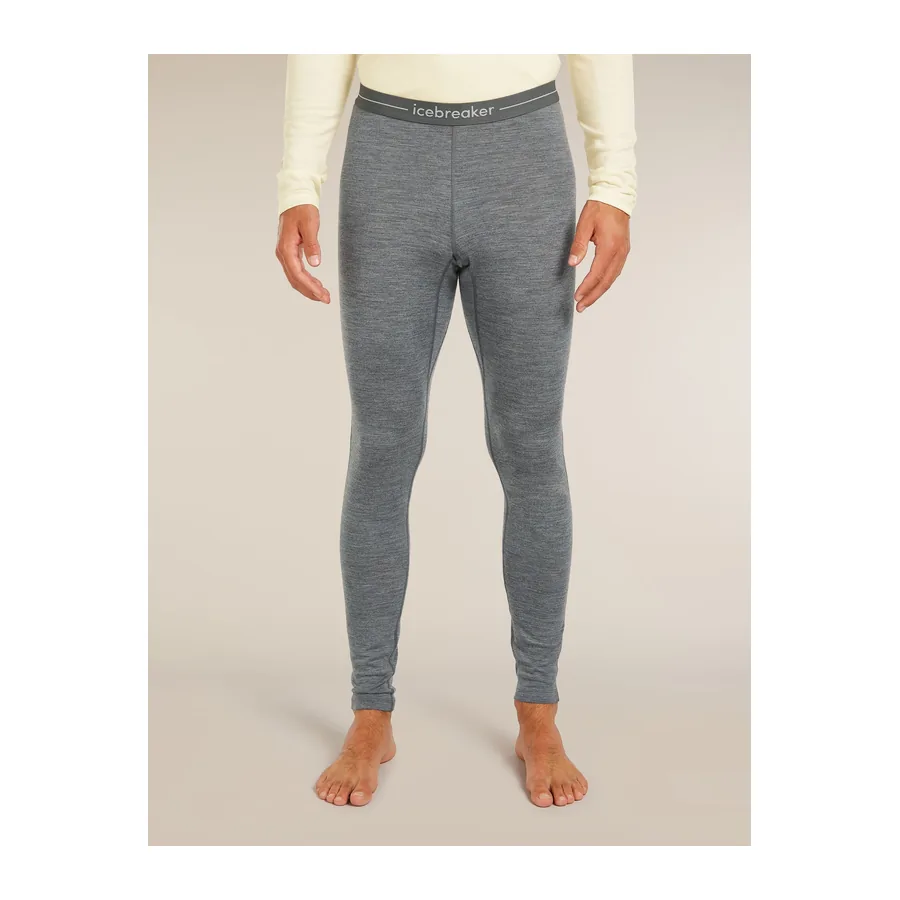
| Icebreaker Merino 200 Oasis Leggings | A separate bottom to use with a top you already own | Start here when your lower-half layering is the part that needs changing. | Try the calf and hem with your usual socks and boots. |
Find the choices in the ski base layers catalog. For the cut of a top alone, see our men’s thermal top guide. Here, the goal is a complete base-layer combination for the actual mix of work, lift time, and insulation on your ski day.
What fabric weight should you start with?
Fabric weight is usually shown in grams per square meter, or g/m². Approximate merino starting bands are 150–180 g/m² for a lighter layer, 190–220 g/m² for a middle layer, and 240–260 g/m² for a heavier layer. Treat those as shopping ranges rather than temperature ratings. A 250 g/m² fabric has 100 g/m² more mass per area than a 150 g/m² fabric, but that does not tell you how much warmer the finished garment will feel in your setup. Material, knit, fit, wind, and the layers above it all matter.
| Day | Start with | Adjust next |
|---|---|---|
| Long blocks of active skiing and limited waiting | A lighter thermal top; use the pant insulation to choose bottoms | Open jacket vents before adding or removing the base layer. |
| Typical resort day with repeated lifts | A middle-weight base with separate insulation | Add or remove the midlayer based on whether stops or runs feel uncomfortable. |
| Short laps and long exposed chairs | One comfortable thermal against the skin | Add insulation above it rather than stacking two close base layers. |
| Spring morning that turns warm | A lighter base that works without the midlayer | Pack the midlayer where you can remove and retrieve it easily. |
The weight bands are most useful within similar fabrics and fits. If two garments list 200 g/m² but use different knits, try both under the same ski jacket rather than assuming identical coverage or feel.
How do you split the top and bottom weights?
Start with the outer layers you own. If your snow pants or bibs already have insulation, try a lighter bottom and keep the warmer piece for your torso if your jacket is an uninsulated shell. If the reverse is true, try a lighter top and a higher-weight bottom. Neither combination needs to match.
Take the pants and boot setup into the try-on. Raise a knee, flex forward, and sit as you would on the chair. Keep the bottom hem flat and outside the part of the boot where extra material adds pressure. A shorter bottom is useful if a full-length piece folds across the top of your ski sock. If the fabric lies flat until you put the boot on, repeat the ankle flex with the boot closed. Change the hem length or cut, not the sock thickness, when the overlap is the problem.
At the waist, sit down with the jacket and bib on. A longer top can stay tucked while the bottoms move with your knees, but it should not pile up beneath a waist closure. If a full set works on either the top or bottom but not both, select separate pieces for the next kit rather than using the same letter size everywhere.
What should you pack for changing weather?
For 1 resort day, start with 1 base top and 1 base bottom, then pack 1 removable insulation layer. For 2 days without reliable overnight drying, a second base top gives you a dry next-to-skin layer while the first airs out. Change the layer that solves the problem you experienced rather than replacing the whole kit at lunch.
When you are between weights, use the start of a familiar run to evaluate the setup. If the first few minutes feel cool but the rest of the run is comfortable, keep the base and manage the insulation for breaks. If you stay cold on the chair after several runs, add the midlayer. If you remain damp through the next break, choose a lighter top for the next session and keep the spare dry. This keeps a weekday ski kit flexible without making it bigger than it needs to be.
How do you compare two kits without buying more layers first?
Lay out what you already ride in and note the label weight where the garment provides it. Use the same jacket and pants to test another top or bottom. Replace only 1 piece at a time. If the more comfortable kit uses a familiar bottom and a different top, keep that split. If both kits fit the same, choose the version with the midlayer you can remove from your pack quickly instead of adding another thermal to every outing.