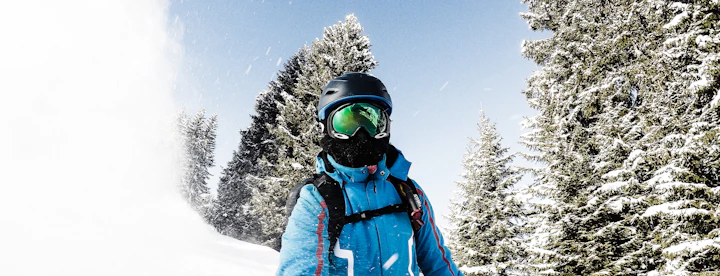
The most useful men’s base layer for skiing or snowboarding fits close, moves with you, and leaves room for insulation on cold lifts. Start with a light or midweight top for active riding. Choose bottoms by how much warmth your pants already provide and how the hem sits above your boots.
What fabric weight makes sense under a shell?
Across many merino lines, about 150–180 g/m² is a useful first stop for active laps, 190–220 g/m² is a middle option, and 240–260 g/m² is a useful starting range if you often feel cold. These are approximate fabric-weight bands, not temperature ratings. For a worked example, a 250 g/m² top uses fabric 100 g/m² heavier than a 150 g/m² top. A 200 g/m² top falls halfway between those examples. Knit, fit, wind and the layers above it all affect the result. Wear one base layer and add a removable midlayer when you need more warmth.
Men’s base layer choices for different days
| What your day looks like | First thing to change | Try-on test |
|---|---|---|
| Cold chairlifts with a shell jacket | Add a removable midlayer over the base | Zip your shell and reach across your body. Test the shoulders and wrists. |
| Active laps followed by warm lift lines | Start with a lighter top and use vents early | Open the vents with gloves on and test that the layers underneath stay in place. |
| Cold legs in shell pants | Try warmer base bottoms | Squat and bend as if buckling a boot. Test the knees, waistband and cuffs. |
| Insulated bibs and a warm afternoon | Start with lighter bottoms | Try the full setup, including the bib straps, while seated. |
| A weekend with changing weather | Pack a spare top and one separate midlayer | Test how both combinations fit beneath the same shell. |
A base layer sits next to your skin. The midlayer provides adjustable insulation, and the outside layer handles weather. On a lift-served day, dressing for the temperature at the car can leave you too warm once you start moving. Put a layer you can remove over the base so you can change the setup without taking off your boots or pants.
Four catalog picks to try
| Model | Setup to try it with | Price range |
|---|---|---|
| Merino.tech 100% Merino Wool Base Layer | A flexible cold-weather kit built around a shell and separate midlayer | Premium |
| Carhartt Force Midweight Waffle Base Layer | A cold-weather layering system where you want to choose bottoms separately | Premium |
| WEERTI Thermal Underwear for Men Long | A flexible cold-weather setup on a mid-tier budget | Mid |
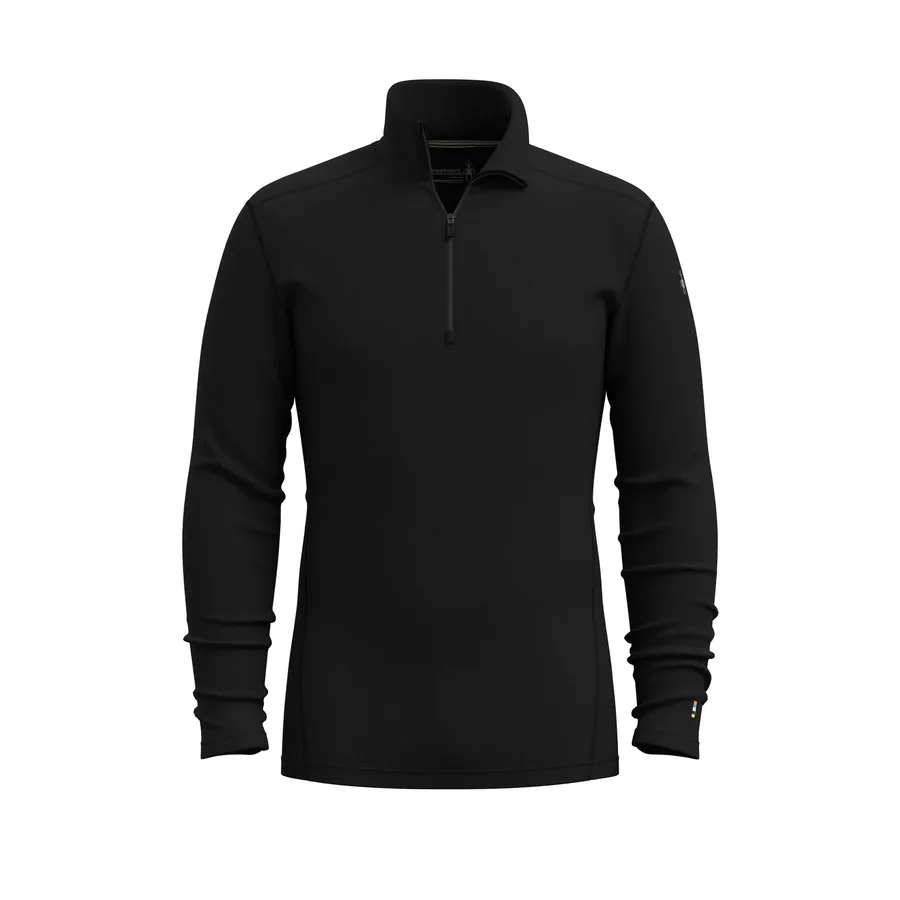
| Smartwool Classic Thermal Merino 1/4 Zip | A separate top for riders weighing neckline and coverage | Mid |
Use the men’s thermal layers catalog to narrow the choices, then try the combination with the equipment you own. The warmest option on a rack can be uncomfortable when combined with an insulated jacket. For a rider whose legs already feel warm in insulated bibs, buying a top separately makes it easier to avoid unnecessary bulk underneath the pants.
Fit the top while wearing your jacket
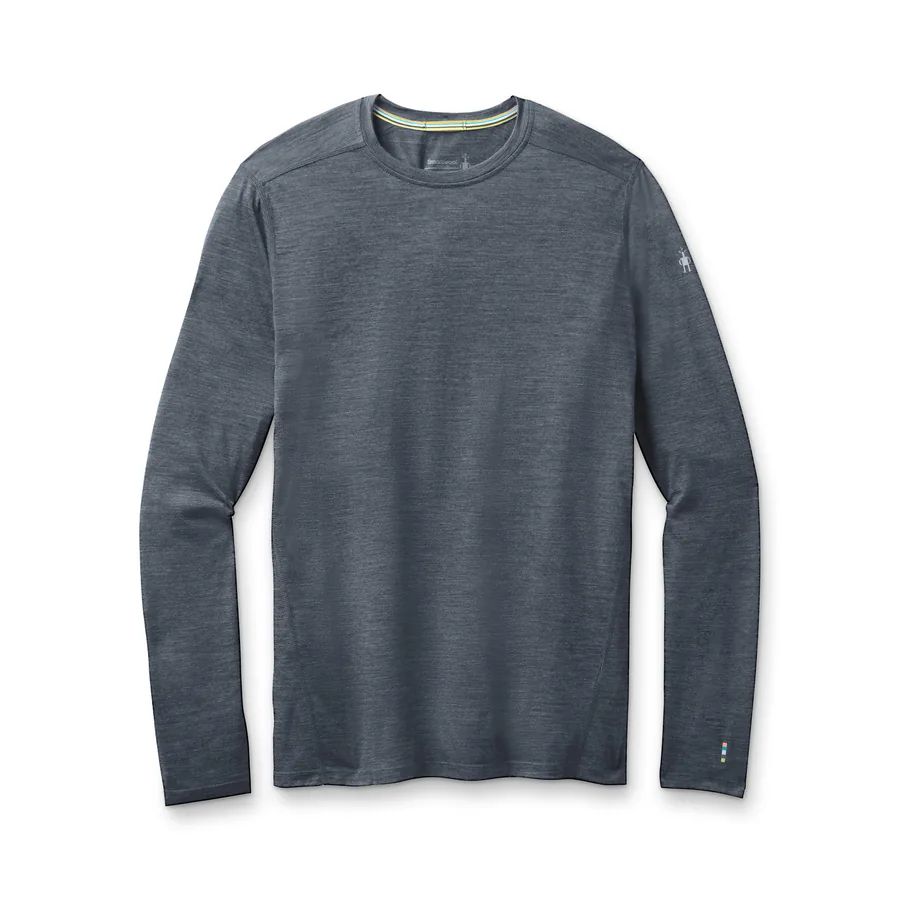
Pull the top on and reach both arms overhead. Watch whether the hem lifts out of your pants and whether the cuffs pull far up your wrists. Test the neckline with your usual neck gaiter or midlayer. If a zipped collar presses against your throat once both layers are closed, try a different collar or change which layers overlap.
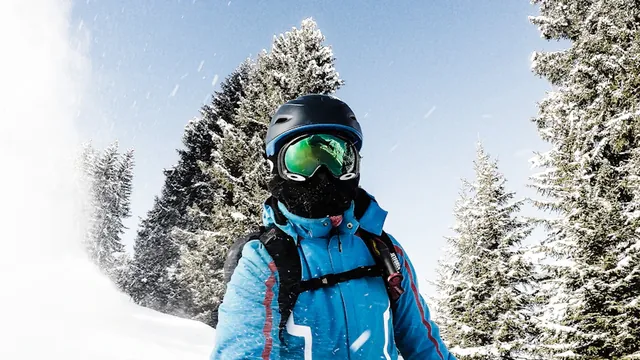
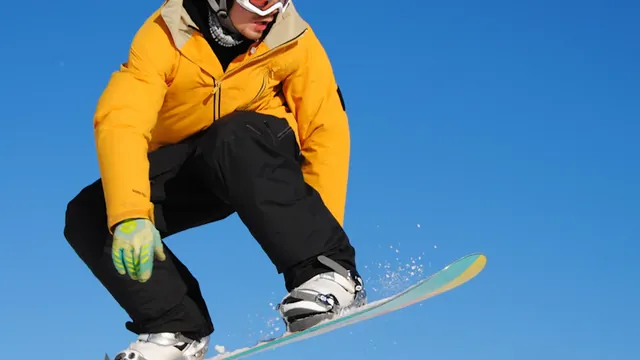
Next, put on your normal snow jacket and zip it. Reach across your chest as if adjusting a shoulder strap, then bend and reach toward your boots. A close fit can work well when the fabric follows those movements. A layer that bunches behind the shoulders or under the arms can feel crowded after a few hours. If you have trouble deciding between two sizes, test freedom of movement in the smaller one and fabric folds in the larger one. Take the complete configuration into account, including your midlayer.
Sort out the sock and boot overlap
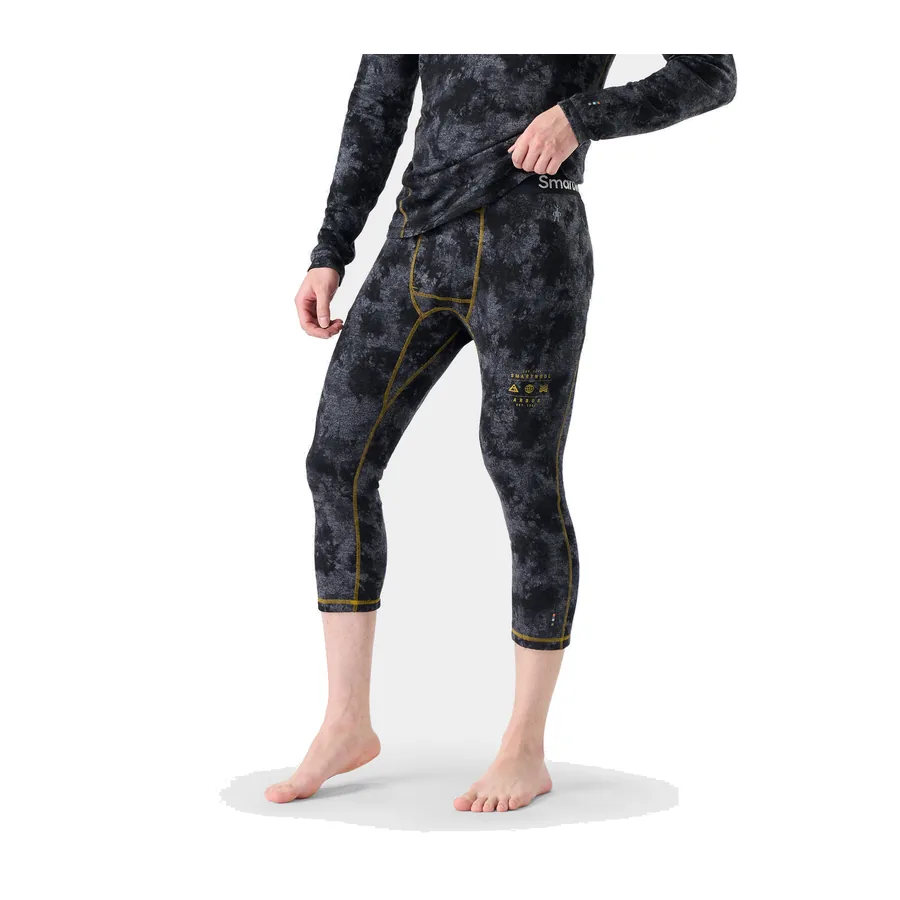
Put on a pair of your usual snow socks and one boot. Pull the tongue forward enough to see where the hem of the base layer ends. If the cuff sits down inside the boot and leaves a raised ring of material, pull it above the cuff and see whether it stays there when you flex forward. An ankle-length bottom that has to be rolled several times can move around. A shorter cut can simplify the overlap.
Do the same test with the pants on. Crouch and come back up a few times. Test whether the waistband slides or the legs pull at your knees. If you feel pressure around the shin, locate which material is overlapping before swapping out a well-fitted boot. This is easiest to diagnose at home where you can put on one piece at a time.
Plan your first run and your last lift
Start the day with the layers you can actually adjust. Before setting off, decide what you will remove if you get too warm and where that piece will go. If you have a warm car or locker, leave a spare dry top there. It can be useful at lunch on a day with wet snow or a long approach walk.
Pay attention to where and when you get cold. Cold arms only while sitting on the lift suggest trying a warmer midlayer or testing exposed cuffs. Feeling damp under the shell halfway down the first run suggests opening vents earlier or starting with less insulation. Cold calves inside snug boots call for testing the socks and hems before buying thicker bottoms.
After riding, follow each garment’s care label and give the layers space to dry. For two days on snow, set up tomorrow’s combination after your first day while you still remember what happened. Record whether you were warm while stopped, comfortable while moving, and free of pressure inside the boots. Those three observations turn the next purchase into a specific adjustment.
What to buy first if you only need one piece
If you already own a top that stays comfortable beneath your jacket, spend the fitting time on the piece that causes trouble. For example, if you loosen your boots after the first run because a seam presses into your shin, try a shorter bottom with the same socks before you assume the boot is the problem. If the waistband of your current bottoms is comfortable but your shirt creeps above your bib, find a longer top and test it while reaching forward with the straps in place.
Bring those observations when you shop. “I need a top that stays tucked under a shell when I bend” is a more useful test than “I need the warmest shirt.” Apply it to two options, then choose the one that passes with the rest of your setup.