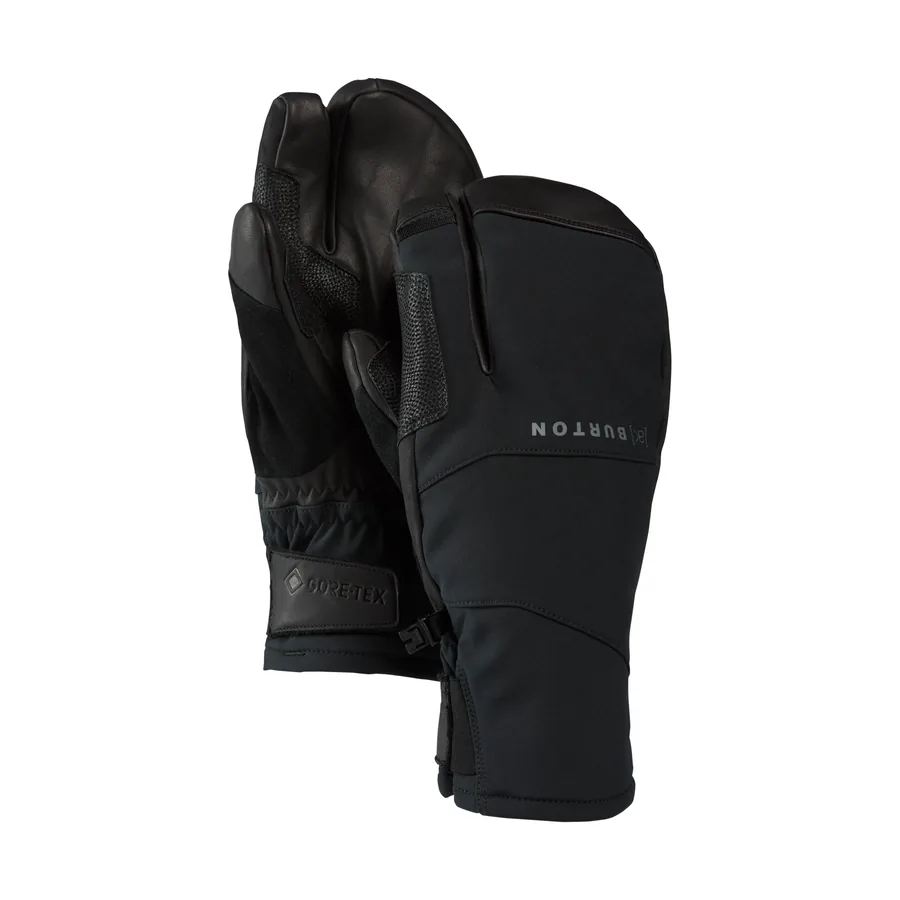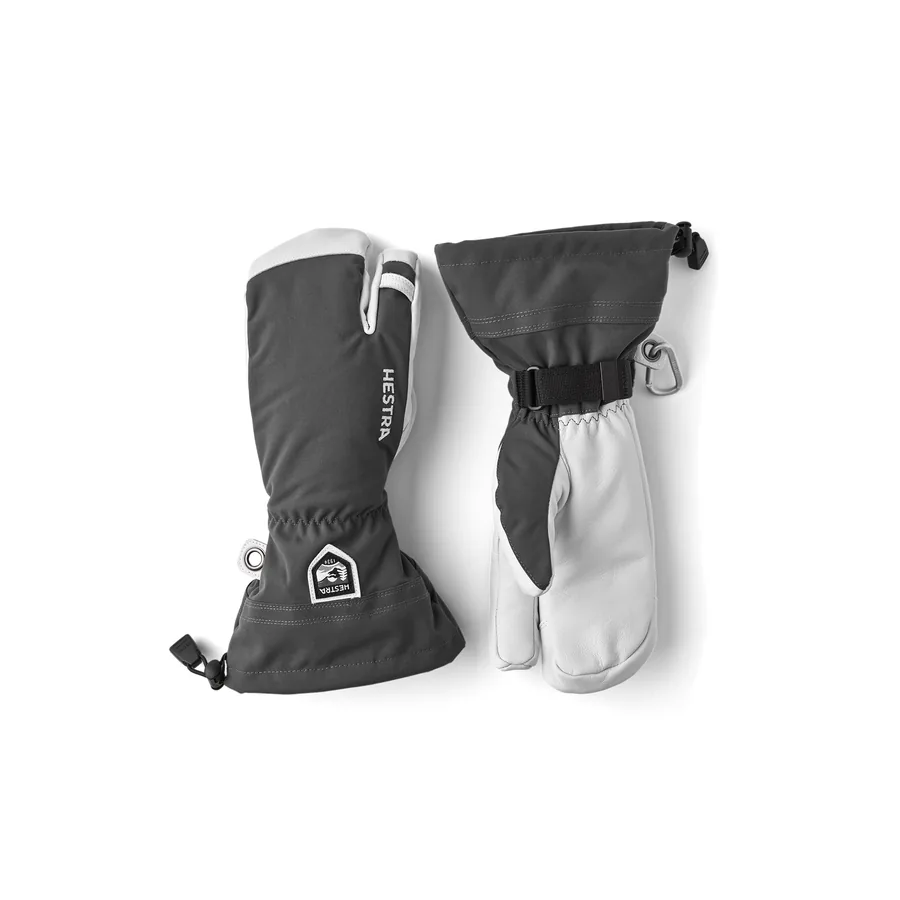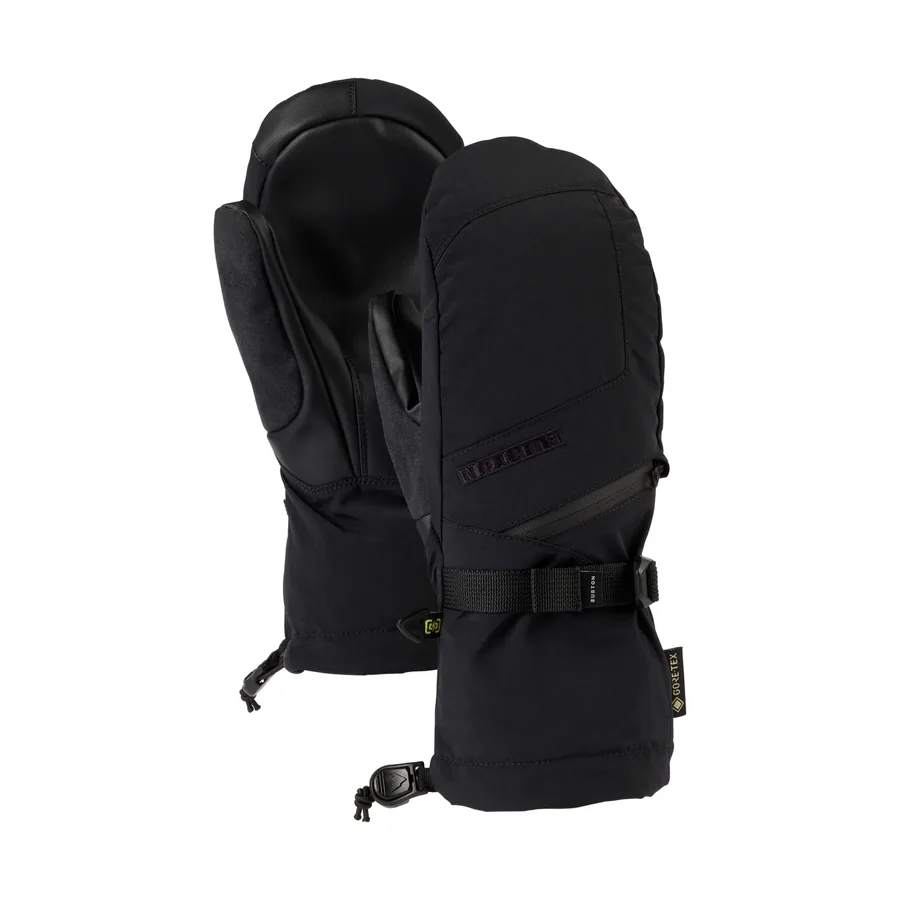
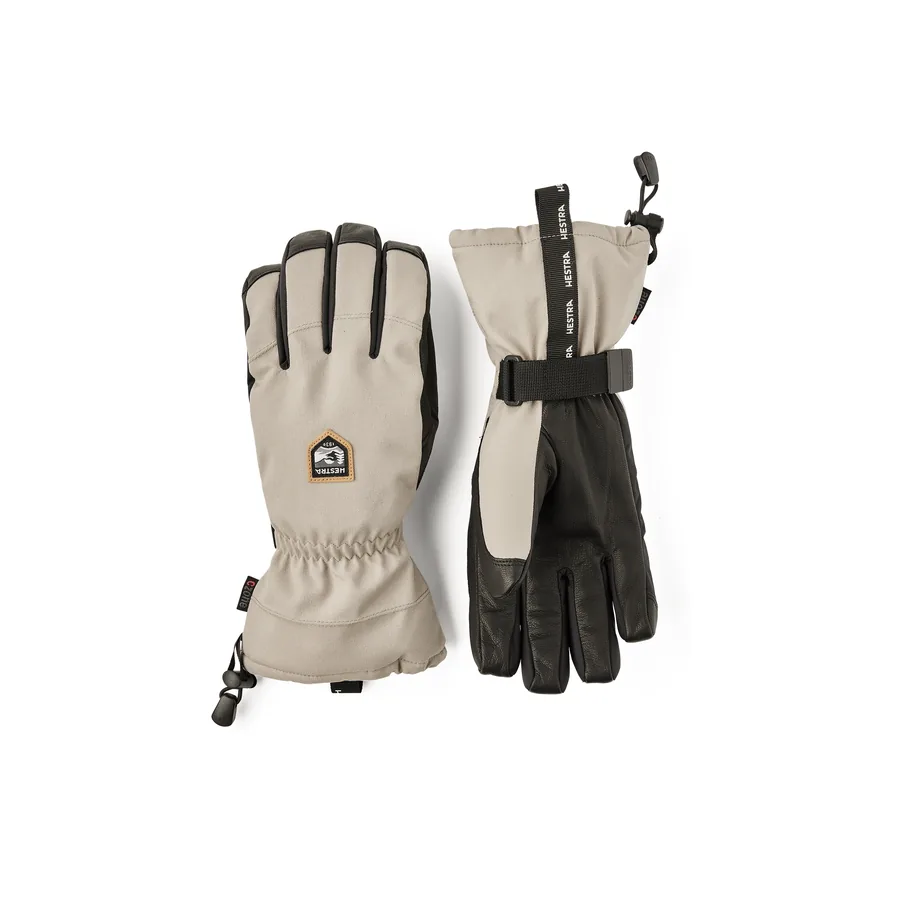
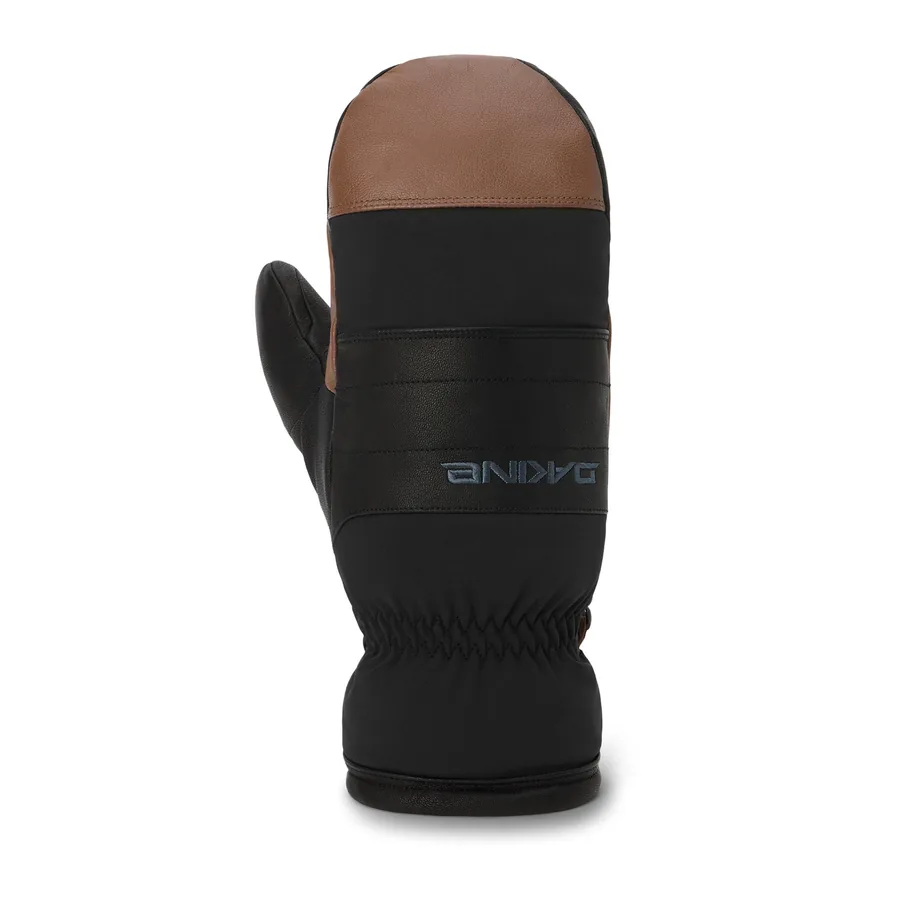

The best warm gloves for women fit the palm and fingers separately, keep the cuff covered and let you use your bindings. Start with mittens if your fingertips get cold on the chair. Choose five-finger gloves if you frequently open buckles or use gear that needs individual finger movement. Check both with your jacket.
Which best warm gloves for women suit your day?
| Model | Best for | Main advantage | Trade-off |
|---|---|---|---|
| Burton Gore-TEX | Riders who want a women’s mitten for cold lifts | A mitten keeps four fingers together | Less independent finger movement for small pulls |
| Carhartt Waterproof Insulated Quilted Knit Cuff | Riders trying budget mittens | A budget women’s option to try for cold days | Test the cuff overlap with your actual jacket |
| Hestra CZone Mountain 5-Finger | Riders who want individual finger movement | A five-finger option in a unisex cut | Test finger length with a relaxed fist |
| Dakine Baron GORE-TEX Mitt | Riders trying a second mitten fit | A unisex mitten option for a side-by-side side-by-side test | Palm width and thumb position need a separate check |
For coverage and dexterity options across the whole category, start with the general ski gloves guide. This shortlist focuses on women’s and unisex fit choices, especially where finger length and palm circumference point to different sizes.
How do you measure before buying?
Take two measurements in inches: around the broadest part of your palm with the thumb outside the tape, and from the base of your palm to the tip of your middle finger. Use the exact measurement method shown in the manufacturer’s size chart if it differs. If the chart gives different size suggestions for the two readings, note both and compare the cut rather than averaging the results.
Try on both gloves. With the wrist closure set, make a relaxed fist, pinch the pull on your jacket and close a binding strap. If the palm shifts when you grip but the fingers reach the tips, try another glove cut. Going down a size to fix the palm can reduce the finger room you already need. If you have room at the fingers but the palm is tight, do the opposite side-by-side test and look for a roomier palm without increasing finger length unnecessarily.
How do you judge warmth without a temperature rating?
Take the same jacket and the same outerwear layers to each try-on. Start with a glove on one hand and a mitten on the other. Close the wrist cuffs, then perform the same three tasks: zip a pocket, hold a strap and bend your wrist as if leaning down to a binding. Take note of any squeeze at the fingers or thumb. Swap sides. Your hands may fit differently, so a single side-by-side test can favor the side that already has more room.
A glove format that keeps your hands comfortable while you are moving can be different from the format you want for long stops. If cold lift rides account for most of your discomfort, a mitten is a straightforward alternative to try. If you are mostly opening and closing gear, see whether you can do it with your current five-finger gloves on. Removing a warm glove repeatedly can outweigh the practical benefit of carrying it.
Where should the cuff sit?
Arrange the cuff above or below the jacket sleeve as the design intends. Flex both wrists, raise both arms and reach down to your boots. Look for a gap that opens at the wrist when you reach. Close and reopen the gloves with your other hand already covered. If an adjustment is awkward during this test, see whether another cuff arrangement works with the same jacket before buying.
If you add a thin liner, repeat the fist and fingertip checks. Look at the liner against the jacket cuff too. It may sit under the sleeve differently from the outer glove. If the layers pull apart every time you take the outer glove off, try a different fit before leaning on the combination for a full day.
What should you pack for a first cold day?
Start with the pair that passed the fit test and carry a dry backup if you expect to spend hours away from the lodge. Store it somewhere accessible while wearing gloves. Before you change anything on snow, make one note about the conditions and what happened first. Cold fingertips while seated in a dry glove suggest a different fix than damp fingers after repeated adjustments.
At the end of the day, identify one change to test on the next trip. If your fingertips stayed warm but you could not reach the jacket pocket, change pocket placement or try a glove with better dexterity. If the cuff admitted snow when you reached for a binding, change the overlap. If the glove fit was the problem, bring both hand measurements back to the same chart and try another cut. A targeted change makes it easier to tell whether the next combination actually solves the problem.
How do you choose if different models fit each hand?
Record both hand measurements separately. Use that note when evaluating the same glove in adjacent sizes or when switching between a women’s cut and a unisex cut. If one glove presses at the fingertips, find out whether you have that issue in only one hand. Repeat the same test while gripping a pole or a binding strap to separate a fingertip issue from pressure across the palm.
When a mitten feels comfortable and a five-finger glove of the same labeled size feels short, try another glove cut rather than using the mitten label to order online. The two designs can make room in different places. While wearing both gloves, open each wrist closure in turn and see whether you can take the glove off, put it back on and get the same fit without having to start over. This matters when you need to adjust a goggle or take something out of a pocket. Ensure that you can close the second glove even when the first hand is covered, then repeat the motion with the jacket sleeves in their normal position.
When do palm size and finger length tell different stories?
A 19.0 cm palm and a 17.5 cm hand are about 7.5 and 6.9 inches because 1 inch equals 2.54 cm. Place both numbers on the exact model’s chart. If two models put those readings in different size bands, order by the chart for each cut rather than transferring the size letter. A 0.5 cm difference equals 5 mm, so keep that difference visible in your notes.
At home, give each pair 3 jobs: turn a dial or work a binding, open a jacket pocket, and refasten the second wrist closure. Choose the full mitten for long lifts if it comfortably handles the 2 jobs you do most and you rarely need the third. If you need all 3 throughout the day, give the five-finger option priority.