
The best women’s mittens for skiing and snowboarding let your fingers rest together without crowding the thumb or leaving an oversized palm. Start with a full mitten if your hands feel cold on lifts. Try a three-finger option if you repeatedly take a full mitten off to handle your gear. Fit both styles with your jacket on.
Which are the best women’s mittens to try?
| Model | Best for | Why try it | Fit trade-off |
|---|---|---|---|
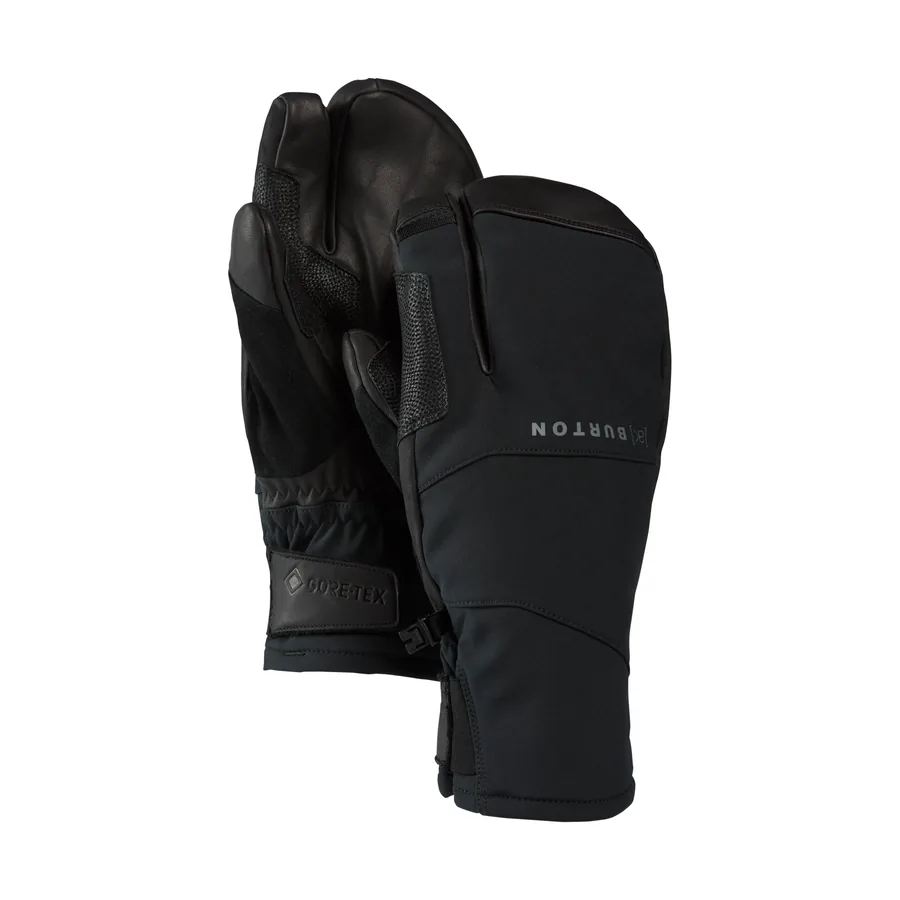
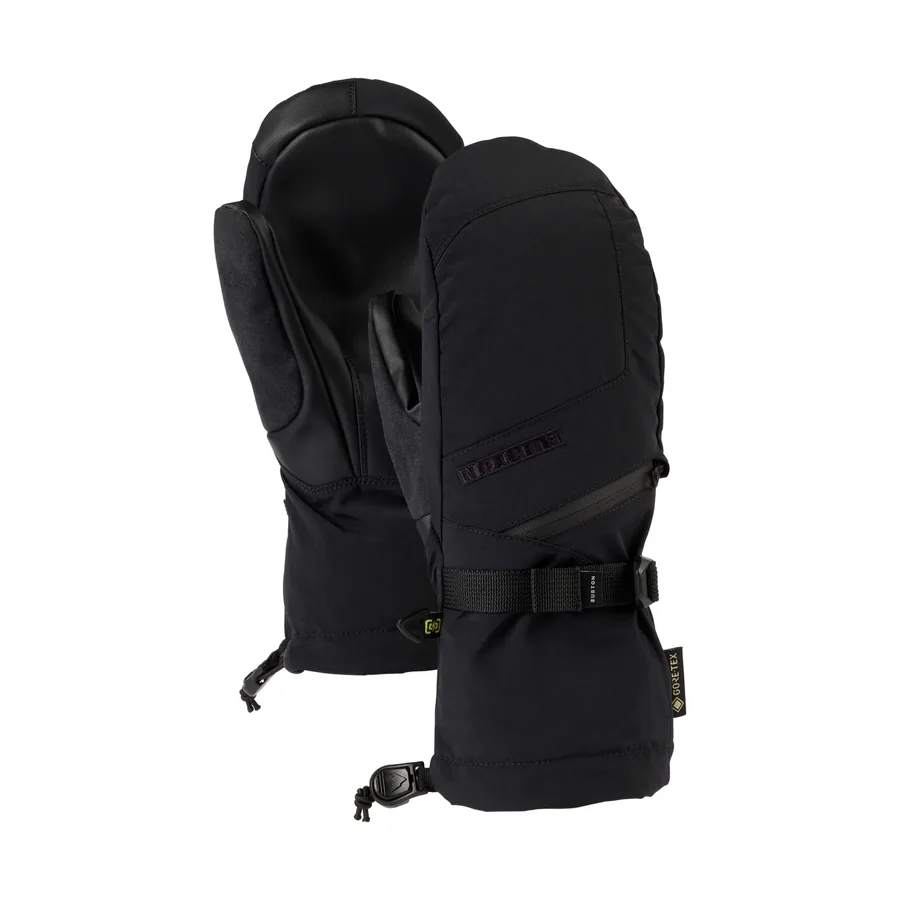
| Burton Gore-TEX | A women’s full-mitten starting point for cold lift rides | A mid-tier option when finger warmth comes first | Notice how well you can pull and hold a binding strap. |
| Carhartt Waterproof Insulated Quilted Knit Cuff | A budget women’s full mitten | A conventional mitten fit and a second option if you land between sizes. | The cuff should stay aligned with your jacket sleeve. |
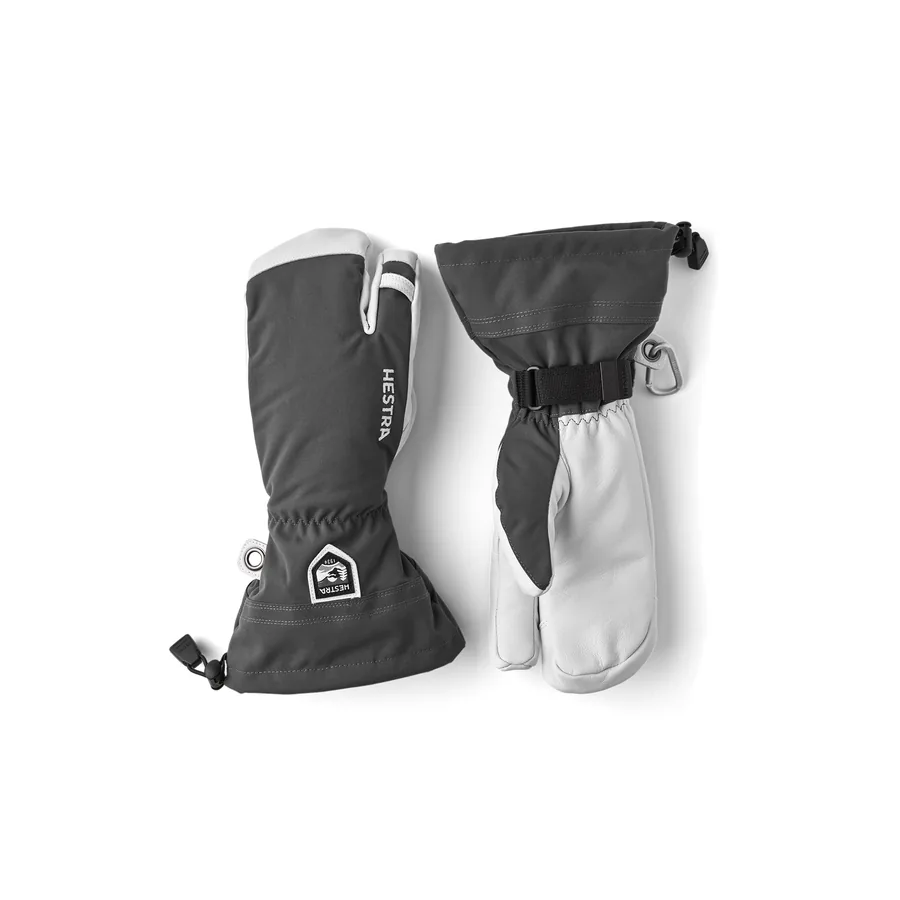
| Hestra Army Leather Heli Ski 3-Finger | A women’s three-finger side-by-side test | The separate index finger changes how you handle a small zipper or buckle. | Test whether that finger has room when curled around your actual gear. |
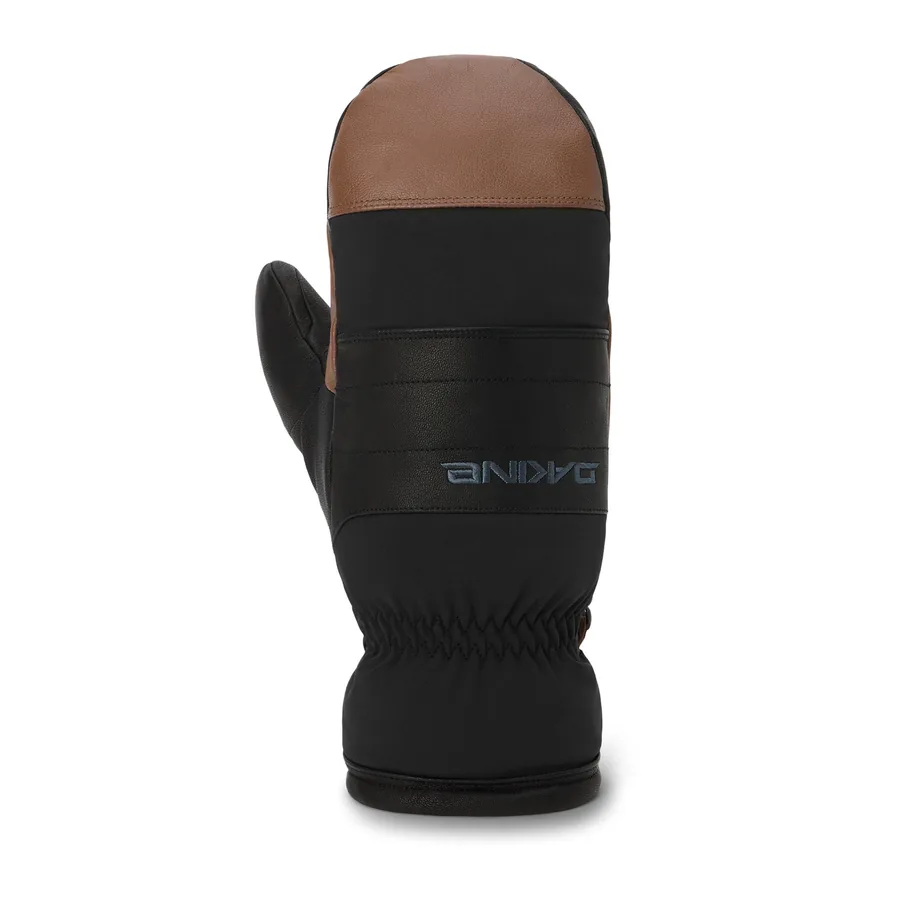
| Dakine Baron GORE-TEX Mitt | Riders who want a unisex full mitten to try against women’s cuts | Try it if you need a different palm and thumb fit. | Look for palm movement when gripping a strap. |
Open the mittens catalog for current sizes and availability. For other shapes, see our general ski gloves guide. This side-by-side test focuses on women’s mitten fit and what changes when the index finger shares the main compartment or has its own.
Which hand measurements are useful?
Measure each hand in two ways: circumference around the widest part of the palm with the thumb excluded, and length from the base of the palm to the tip of the middle finger. Record both in the units shown by the size chart. Follow the brand’s own measurement method if it asks for a different reference point. When one hand is larger, test both mittens on the larger side before deciding that a style is roomy enough.
A number can narrow the shortlist, but the thumb and palm decide the fit. Try the mitten with your hand relaxed. Make a loose fist three times, then pinch a jacket pull and hold a binding strap. See whether the mitten follows the hand or slides forward when you grip. If the thumb fits but the palm twists, choose a narrower cut. If the palm stays centered but the thumb pulls, try a different thumb shape before changing the whole size.
When switching between a women’s and unisex option, do not assume matching size letters mean matching dimensions. Test on the same hand in the same sequence. If you can only keep the thumb in place by cinching the wrist very tightly, the shape may be a worse match than the next option. Pick the mitten that stays positioned during a relaxed grip before using the closure to fine-tune the fit.
Is a full mitten or a three-finger cut better?
Use two tasks that matter to you. For instance, pick up a jacket zipper pull and close a snowboard binding strap. Repeat both in a full mitten and a three-finger cut. Count how often you take the mitten off. If you can handle most tasks with the full mitten and prefer that fit, there is no need to switch. If you can do a frequent task in the three-finger cut that otherwise leaves your hand bare, that is a useful difference.
For tasks you do only indoors, judge the mitten by what you need on snow. Fiddling with a phone or switching a small object may be less important than hanging on to a strap or adjusting a cuff. Choose the tasks before testing so whichever mitten feels more familiar does not automatically win. If both options make the same adjustment awkward, you can also test grip with a five-finger glove rather than settling for a shape that helps very little.
How should the jacket and mitten cuffs overlap?
Put on the ski jacket you normally wear and set the cuff the way the mitten is designed to sit. Reach both arms forward, lift them overhead, then reach down as if fastening your boot. Watch the sleeve edge. Try the other hand after you put the first mitten on so you learn whether the closure is easy to use one-handed. The pair with the best static fit may be less practical if it takes several attempts to get the second cuff in place.
If you plan to add liners, run the same thumb and grip tests with the extra layer. Thin fabric still changes how your thumb seats. Stop if the liner pulls at the fingertips or the wrist closure only works at its loosest setting. It is easier to spot a mismatch at home than after you have packed a backup you cannot comfortably wear.
What should you pack for a long resort day?
Pack a dry backup where you can reach it without removing both mittens. A spare pair is particularly useful if your routine includes sitting or adjusting gear often, when snow can get near the cuffs. At the end of the day, follow the product’s drying instructions and look at the inside of the thumb before putting the pair back in your bag. If the thumb stayed damp while the main compartment dried, move the drying setup rather than taking the same damp pair out again. Use those observations to choose the next pair based on the part of the day that actually causes trouble.
What if a mitten fits well but makes one task hard?
Repeat the awkward task three times with the mitten properly seated and once with it removed. If it is still hard barehanded, inspect the gear or practice the adjustment indoors before blaming the mitten. If the task becomes easy as soon as the mitten comes off, try a different thumb shape or the three-finger cut using the same strap. Record one specific result such as whether you could open the buckle without removing the mitten. This gives you a better side-by-side test than simply calling one pair bulkier.
What if the two hand measurements point to different sizes?
If your palm measures 18.0 cm and hand length comes to 17.0 cm, record both in the chart’s units. One inch equals 2.54 cm, so those readings are about 7.1 and 6.7 inches. Treat the figures as examples: use the chart for the model you intend to buy. Half a centimeter is 5 mm, enough that you should record it rather than rounding both readings to the nearest inch.
Then score 3 jobs with each candidate: grasp a strap, move a zipper, and put the mitten back on. If a full mitten handles 2 of 3 and the split cut handles all 3 with equally good thumb fit, the split cut earns its place for active laps.