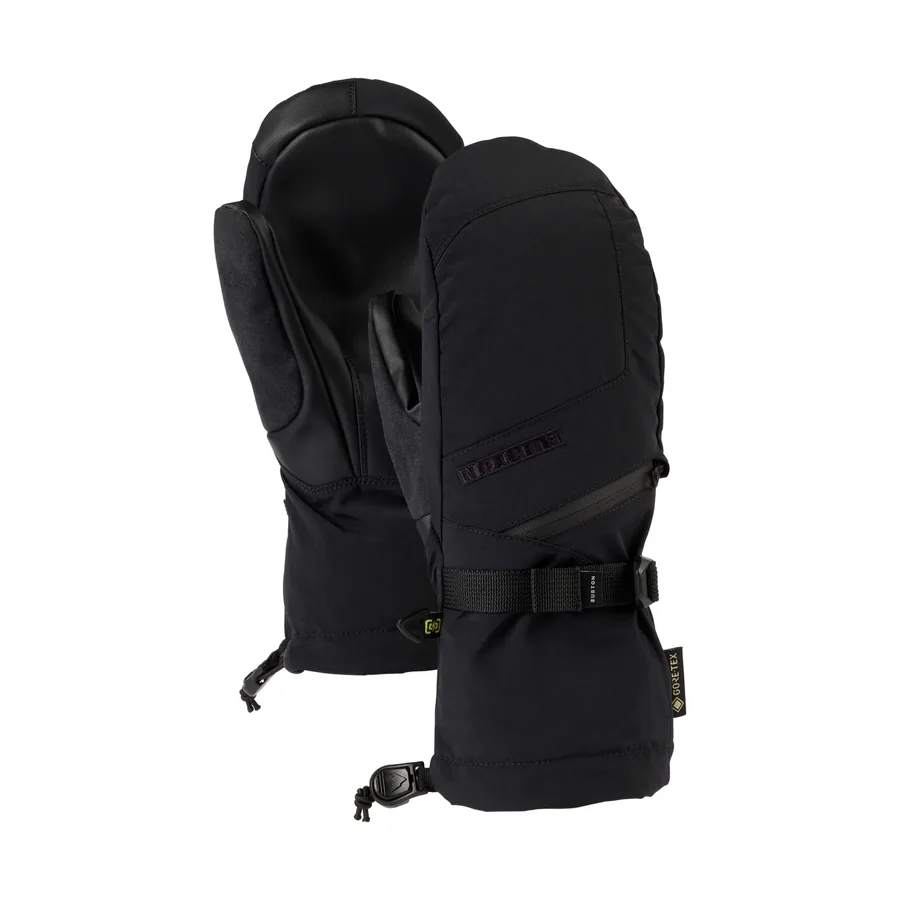
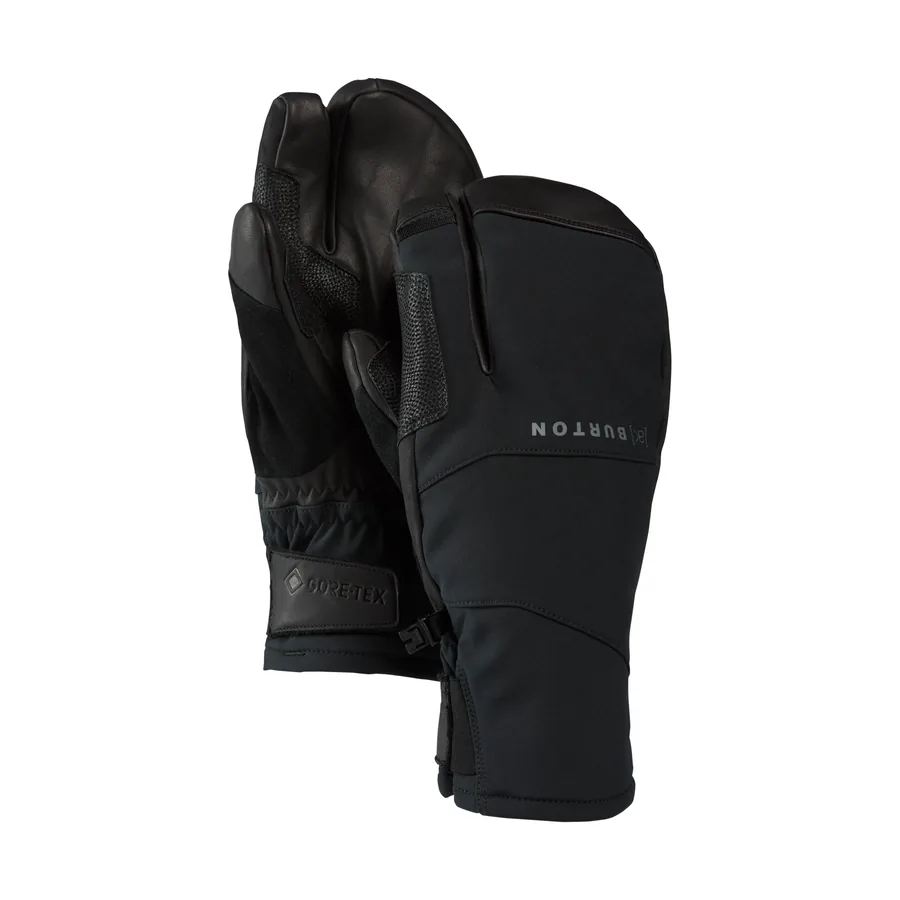
The warmest gloves for men are the ones that fit without squeezing your fingers and keep snow out at the cuff. Start with insulated five-finger gloves if you work your bindings often. Try a mitten if your fingertips get cold on chairlifts and you can manage your straps with less dexterity.
Warmest gloves for men by the job they need to do
| Situation | Catalog option | Why it belongs on the shortlist | Price range |
|---|---|---|---|
| You adjust bindings and clothing throughout the day | MCTi | Five-finger option for individual finger movement at the resort | Premium |
| You want individual finger movement on a tighter budget | rivmount Winter Waterproof Ski Snow Warm | Five-finger alternative for general resort coverage | Budget |
| Your fingers feel cold while waiting or riding the chair | Burton Men’s Gore-TEX | Mitten option for a rider prioritizing finger warmth | Mid |
| Your hands cool down between short runs | Carhartt Waterproof Insulated Knit Cuff | Mitten option to try for cold lift rides | Mid |
These picks cover two different priorities rather than a single temperature ranking. Use the fit and gear tests below to narrow them down. Start with the gloves and mittens sections when you know which format you want to try.
Try on a glove with the jobs you actually do
Put the gloves on with your usual jacket. Close both hands around an object about the width of a binding strap. If you ride with poles, repeat the test with the grips you use. Feel for tight spots across the knuckles and at the ends of your fingers. Open and close your hands several times. If the fingertips press against the ends whenever you make a fist, try an adjacent size or a different cut.
Practice releasing one binding strap without looking down. Next, try zipping a pocket, opening a jacket vent and adjusting your goggle strap. The gloves only need to do the jobs you actually use on snow. If a pair is comfortable but makes an essential task difficult, try it with another format before assuming you will take the gloves off whenever you need to make an adjustment.
If you wear thin liners, take them to the try-on. Put the outer gloves on over the liners and repeat the fist check. Pay attention to the finger webs, where two layers can bunch. If the combination feels tight, a separate warmer glove or mitten is worth trying. Adding layers only works if the combined setup fits your hand.
Match the cuff to your jacket
Bring your actual snow jacket when you try on gloves. A long cuff can cover part of the sleeve, while a compact cuff may sit underneath it. Either arrangement can work when the sleeve and glove overlap as you reach. Zip the jacket, reach overhead, then bend down as if you were clearing snow from a binding. See whether the overlap opens during that movement.
Next, put on the second glove and try adjusting both cuffs. Some closures are easy with bare hands but awkward when your other hand is already covered. Once you have the cuffs arranged, put both hands inside your jacket pockets and see how the openings feel. If you habitually stash the gloves in a pocket during lunch, test that too. A setup that is simple to manage is easier to keep on through a windy lift ride.
Diagnose cold hands before buying a replacement
| What you notice | First adjustment |
|---|---|
| Fingertips go cold on the lift, but gloves are dry | Try your current gloves against a mitten that lets the fingers rest together. |
| Hands feel cold soon after putting the gloves on | See whether liners or a short finger cut are making the fit tight. |
| One hand gets wet when you fasten your bindings | Watch where snow enters as you clear the straps and adjust that cuff overlap. |
| Hands feel damp after several hard runs | Try opening jacket vents earlier, then test the fit and warmth of a spare dry pair. |
| You remove gloves for every adjustment | Try a pair with better grip or finger movement and repeat the actual tasks. |
Make one change at a time. If you change the jacket, liner and glove together, you will have trouble telling which adjustment helped. Pick the problem you notice most often and repeat the same tests with your current pair and the new one.
Pack for a full day
Start with dry gloves and put a spare pair somewhere protected from snow. For a short session near the car, a spare can stay with the rest of your dry clothes. If you expect to spend the day away from the base, pack it in a closed compartment you can reach without unpacking everything. If the first pair gets wet, switching to dry gloves lets you continue without trying to make a damp pair work for the rest of the afternoon.
After the day, undo the wrist closures and follow the manufacturer’s care instructions. See whether any liner is designed to come out before pulling on it. Before the next outing, feel inside all of the fingers and take a moment to look at the fingertips, which are easy to miss when you only feel the outside fabric.
Use the next trip to record the moment your hands started feeling cold and what you were doing. Cold hands while sitting still point to a different adjustment than damp hands after a hard run. That observation makes the next purchase easier and gives you a concrete way to try the four catalog options.
When a two-pair setup earns its space
A glove and mitten can cover different parts of one day. Use the glove when your group is stopping often to adjust boots or bindings. Switch to the mitten for longer lift rides if you can do it somewhere sheltered. Before packing both, see whether each pair fits with the same jacket sleeves. Also ensure you can fasten your bindings in the warmer pair. If you can comfortably do every essential task in the mitten, it may be the only pair you need to carry on short days.
Which fit measurements matter for men’s snow gloves?
Suppose your larger palm measures 22.0 cm around and your hand is 19.0 cm long. Divide each number by 2.54 if the chart uses inches: those readings are roughly 8.7 and 7.5 inches. Use both measurements on the chart for the exact model rather than substituting the chart from another brand. If left and right palms differ by 0.5 cm, that’s 5 mm. Set the starting size from the larger reading and test both hands.
Run 3 jobs in either shape: open a binding, pull a zipper, and put the second glove back on. If the mitten handles 2 of 3 and the glove handles all 3, use the glove for adjustment-heavy runs and keep the mitten for colder lift rides if it fits comfortably.