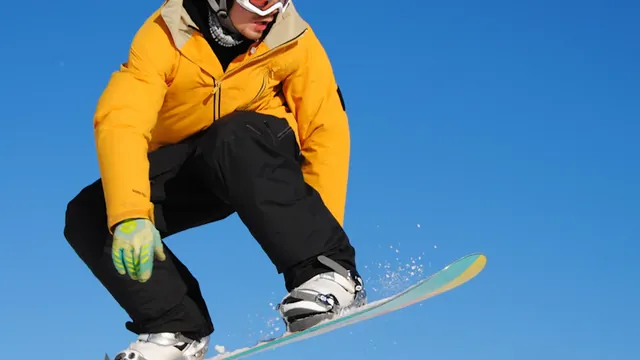

Wear one fitted thermal top under a shell ski jacket and add one removable midlayer for cold or slow sections. Close the shell before a windy lift and vent early on active runs. Choose the lightest combination that works while skiing, then carry the extra layer you can put on without changing the base.
Which base pieces should you wear under an uninsulated shell?
| Catalog model | Best for | What it contributes | Fit trade-off |
|---|---|---|---|
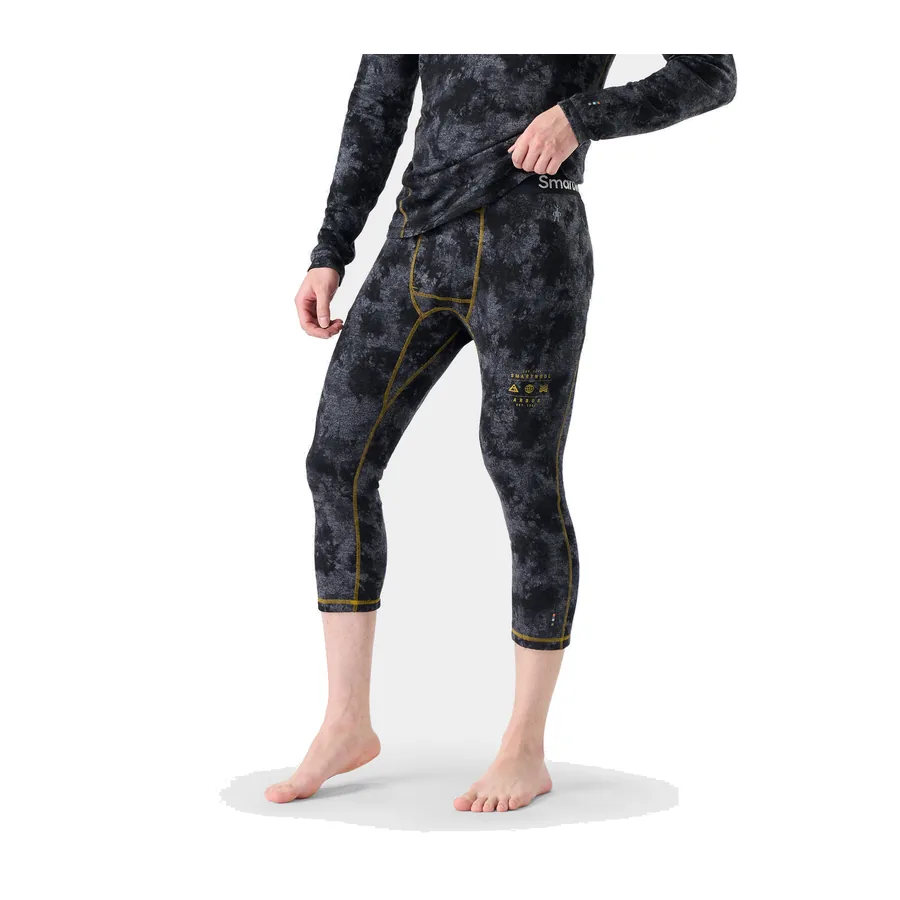
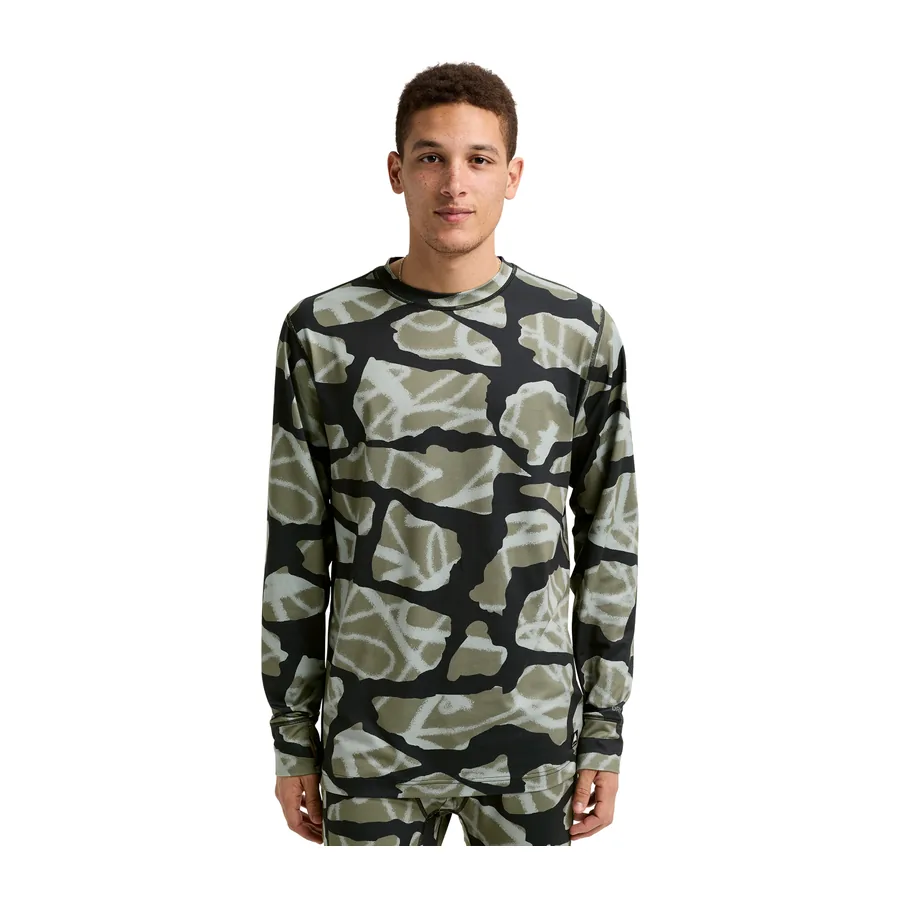
| Burton Midweight Base Layer Crew | A simple crew under a separate zipped midlayer | Keeps the base collar low when the other layers already have closures. | Use shell or midlayer vents before warming up too much. |
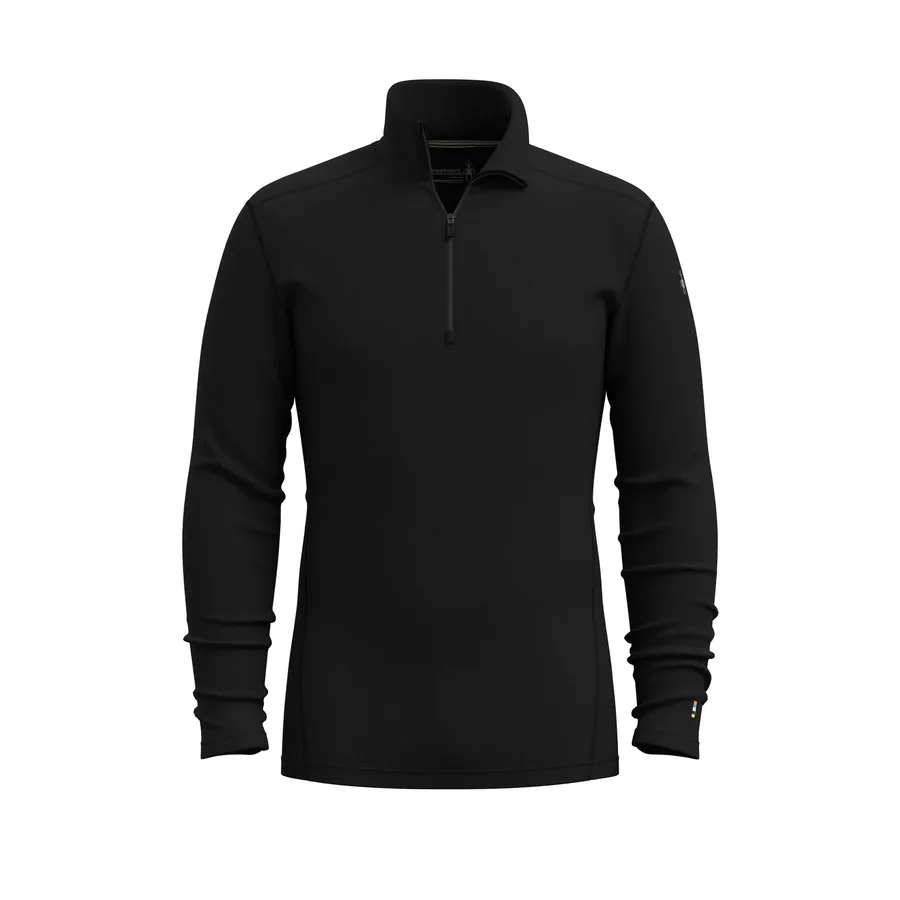
| Smartwool Classic Thermal Merino 1/4 Zip | An additional neck opening for mixed days | Adds a way to open the base without removing it. | Multiple zipper pulls can rub near your chin. |
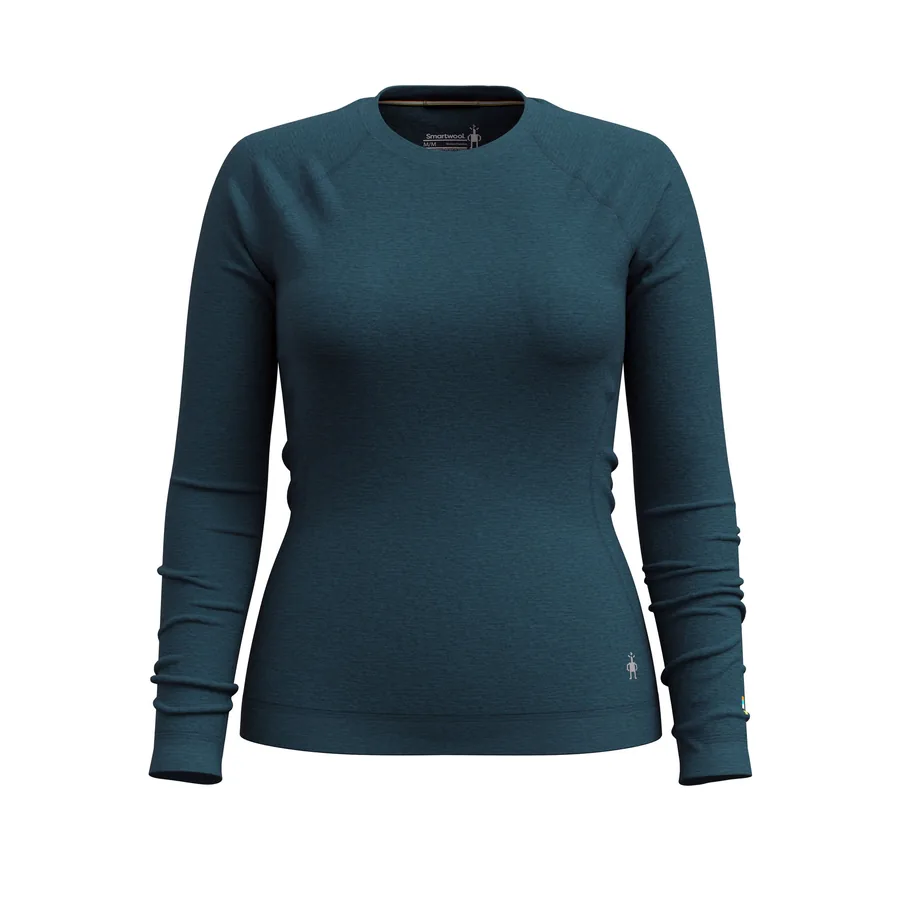
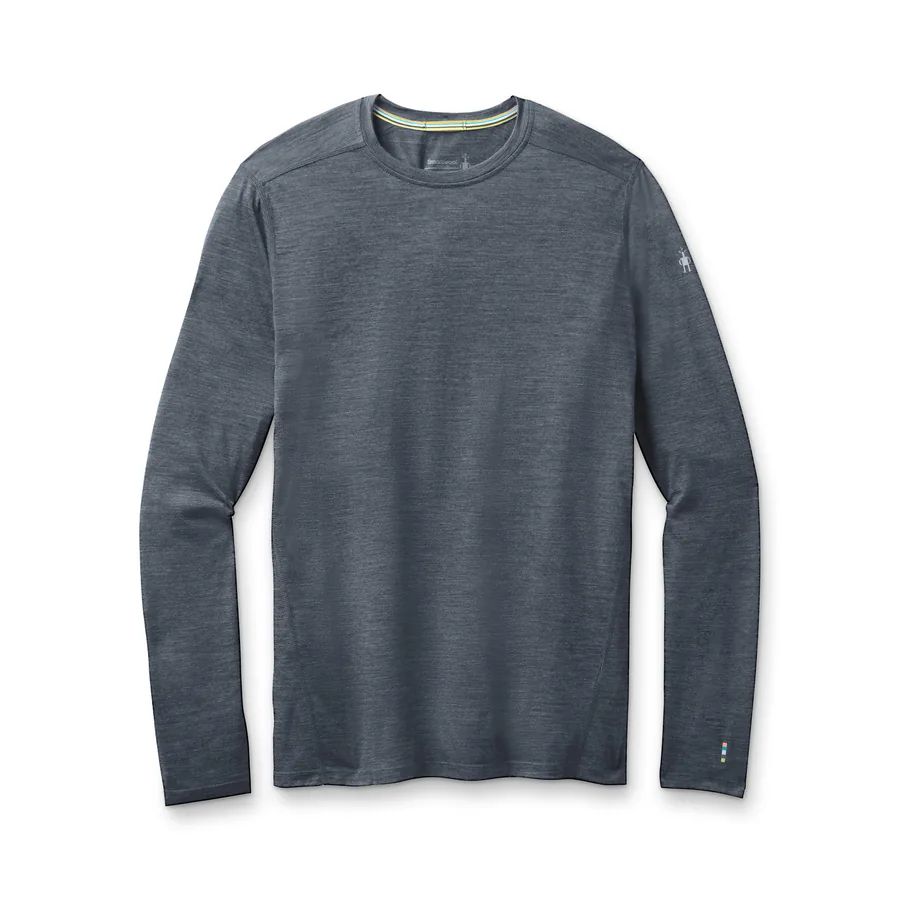
| Smartwool Classic All-Season Merino Long Sleeve | Riders who want a different top for active laps | Gives you another long-sleeve candidate for the same shell. | Try it with the insulation you remove most often. |
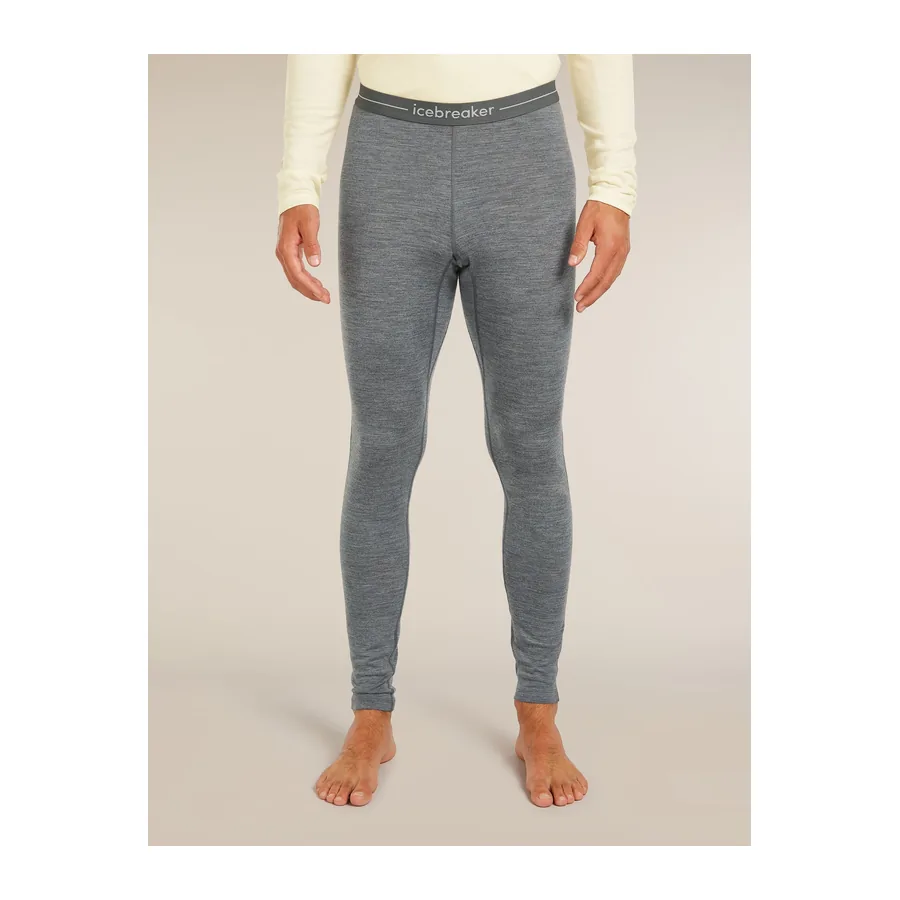
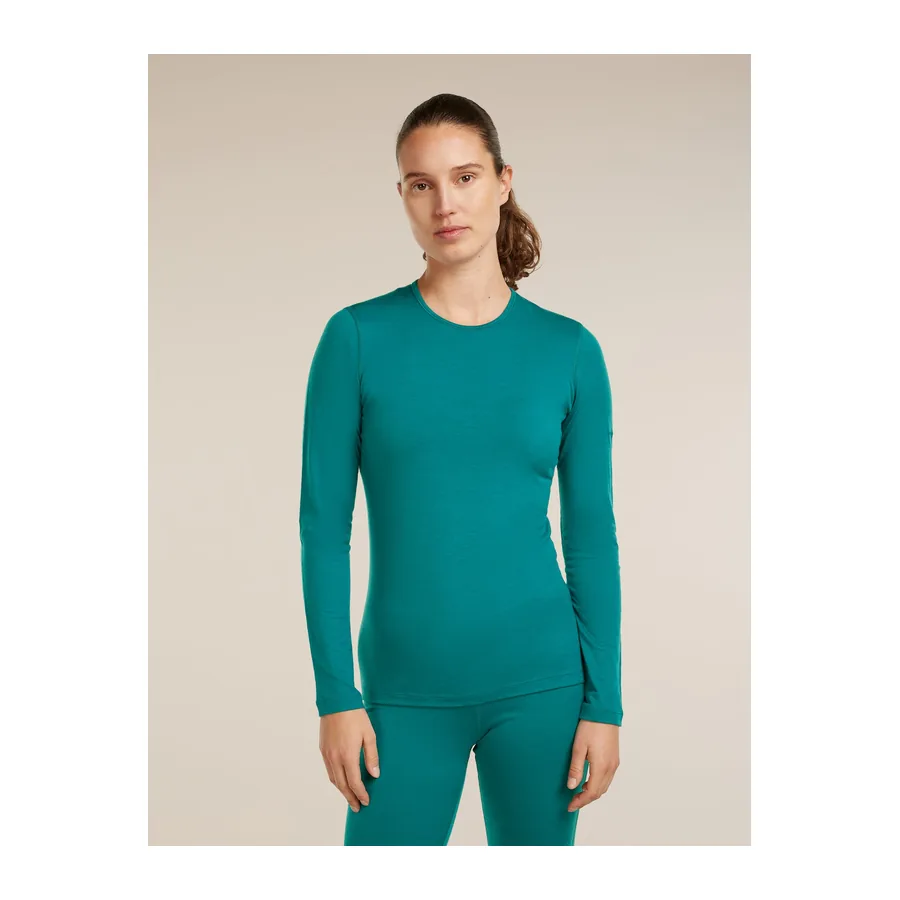
| Icebreaker Merino 200 Oasis Crewe | A women’s crew candidate under a removable middle piece | Keeps the base choice separate from the insulation. | Test collar and sleeve overlap with your own shell. |
These are starting tops from the base-layer catalog, not claimed replacements for a midlayer. For an insulated jacket or a broader starting setup, see our ski jacket layering guide. Under a ski jacket, the first distinction is whether the shell already includes insulation. If it does, the starting combination may already provide more warmth than a base and an uninsulated shell.
How do you change the setup through one ski day?
| Segment | Example time or conditions | Start with | Next move |
|---|---|---|---|
| Walk from parking | 10 minutes of steady walking | Base and shell with vents partly open | Carry the middle piece where you can pull it out before a stop. |
| First chair | 8 minutes sitting in wind | Shell closed and midlayer on if you are cooling quickly | Open vents as you start moving if you warm up. |
| Active morning laps | 30 minutes with short pauses | Base and shell or a light middle piece | Remove insulation at a safe stop if opening vents is not enough. |
| Lodge break | 20 minutes indoors | Take the shell off and let the layers air | Put the dry middle piece back on before returning to wind. |
| Late lift | A shift such as 35°F to 25°F | Add insulation before the exposed chair if the run felt cooler | Close vents on the chair and reassess at the next safe stop. |
These times and readings illustrate a changing day, not minimum clothing requirements. A 10°F drop corresponds to about 5.6°C. Wind, dampness, shade, and how hard you are skiing can matter more than that one reading. Write down what changed first, whether movement, wind, or waiting, and change 1 variable at a time.
What should the middle layer do?
Set up 3 pieces on the bench: a base top, an insulating middle piece you already own, and the shell. Put on all 3 and close the shell. Lift both arms and turn your head while wearing the usual helmet or hood. If the shoulder area feels pinched, try a lower-bulk insulating piece or a roomier shell before adding more thick layers. If the torso fits but collars catch, stagger the zipper heights or replace one high collar with a crew.
A vest can keep fabric out of the sleeves if your torso cools first and your arms already feel comfortable. A long-sleeve midlayer works better if the whole upper body cools during stops. Pick whichever you can remove at a safe break and fit in your bag or stash near the base. A middle piece is only adjustable if you have somewhere to put it once you stop wearing it.
For additional flexibility, try 2 combinations before your trip: base with shell, and base with removable midlayer plus shell. Keep the same base in both. Move naturally indoors rather than deciding from how warm a zipped setup feels after standing still for 30 seconds. The shell needs to move with you even when all the insulation is in place.
How do you adjust without changing every layer?
Run the sequence on a familiar slope. Open a vent when you begin to warm, then close it before a windy stop. If you still cool rapidly despite a dry base and a closed shell, add the insulating piece. If you feel damp while skiing with everything open, remove an insulation layer at the next safe stop. Preserve a dry base rather than changing the whole stack every time you use a lift.
On a 2-session day, pack 1 spare top if you often need a dry replacement at lunch. Keep it separate from gloves and layers that can bring in snow. If the morning base remains comfortable, leave it on and change the middle piece instead. Match the lower half separately; ski pants and bibs can already contain insulation even when a shell jacket does not. Use the results of the morning to adjust the afternoon rather than assuming both halves of your kit need the same change.
What if the shell is comfortable only with the vents open?
First distinguish ventilation from fit. A shell that feels restrictive as soon as you zip it may be pressing against the middle layer, while a roomy shell can still feel too warm once you are working. With the same base on, remove the midlayer and repeat the reach test. If your shoulder range improves, change the bulk or cut of the middle layer. If the shell still presses against your back when you reach, revisit shell fit.
Then rehearse opening the vent and putting the insulating piece away with gloves on. Use the pocket or pack you will bring, and finish by closing the shell for a simulated chair ride. If you cannot make that change without taking several layers off at once, use a simpler piece you can reach during the stops you normally take. The most useful warm layer is the one you can add before a long wait rather than after you start to feel cold.