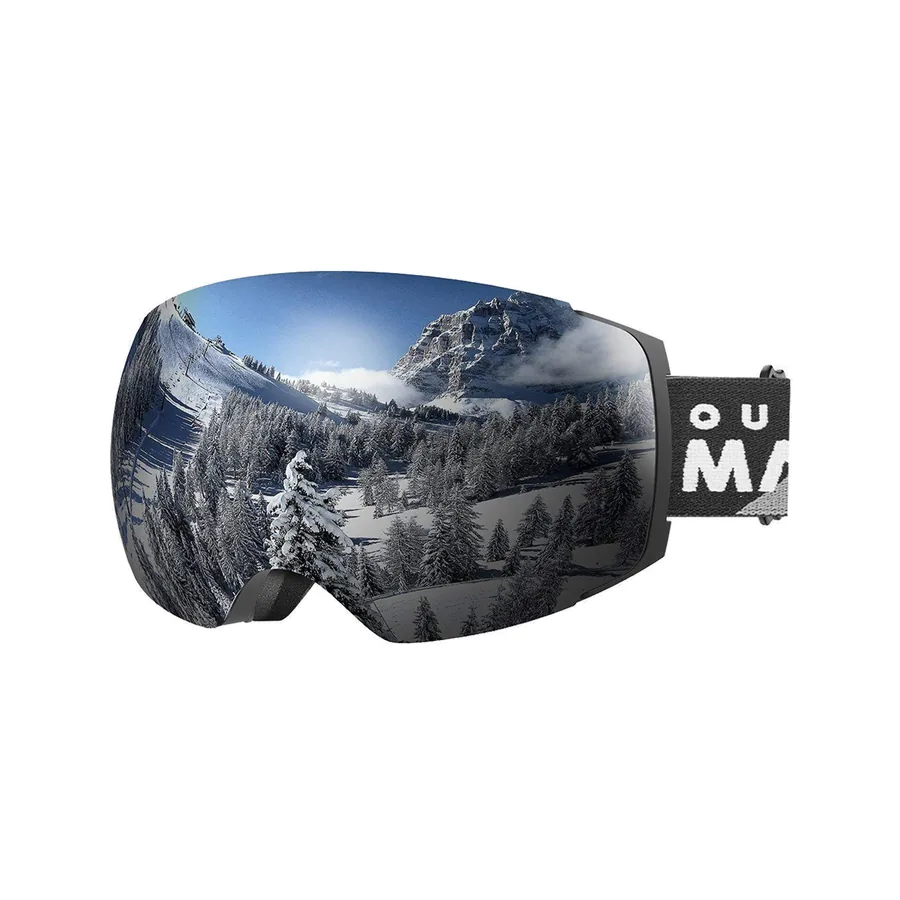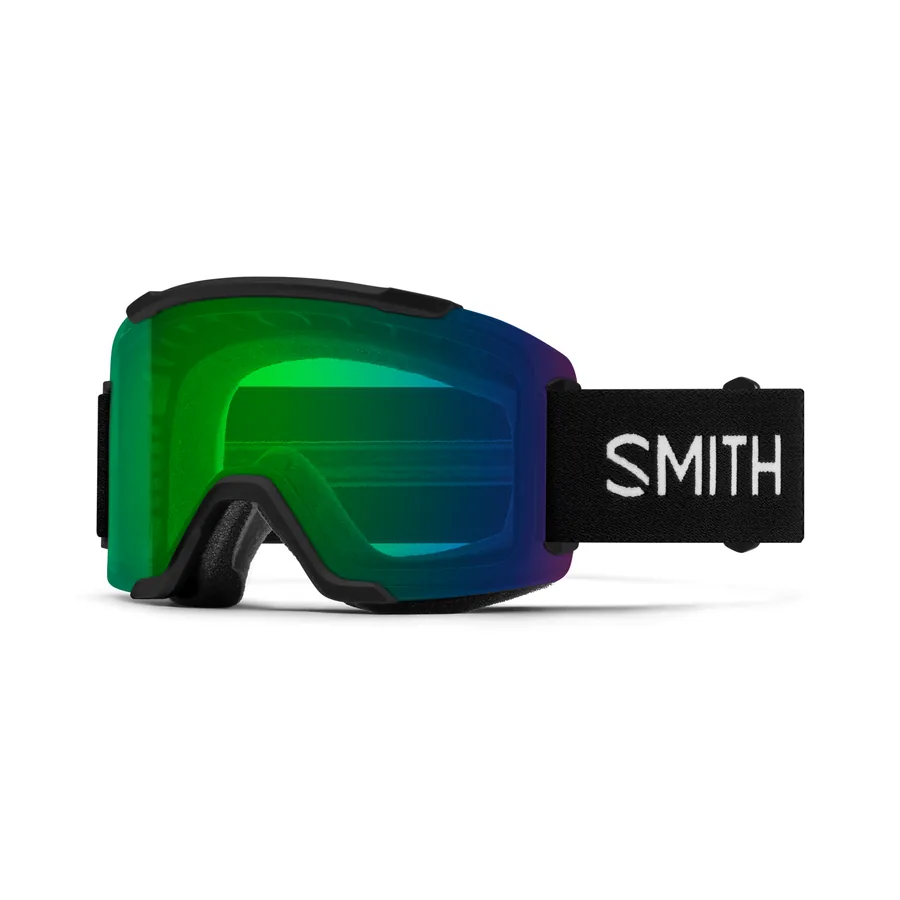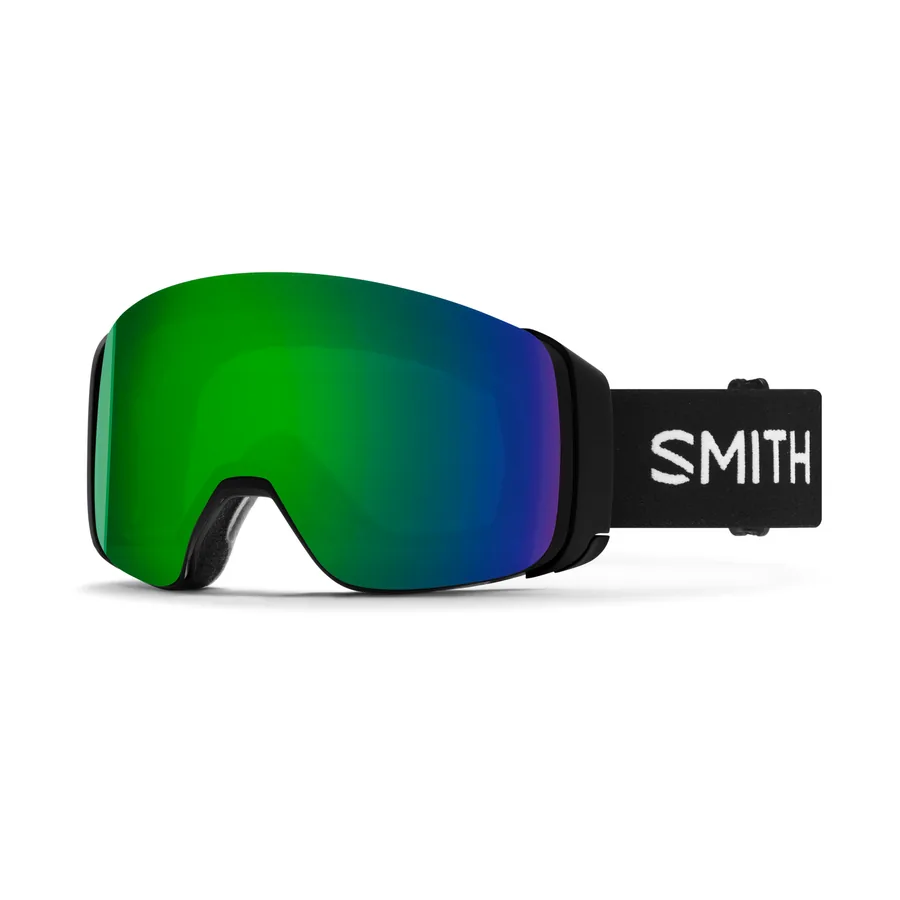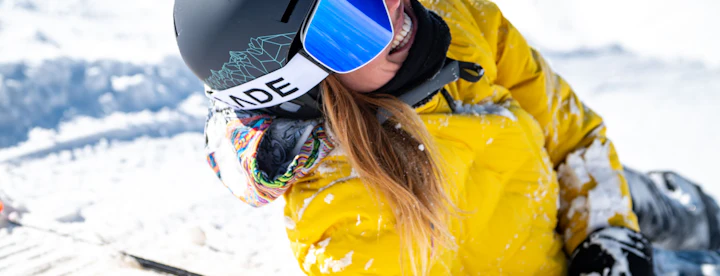
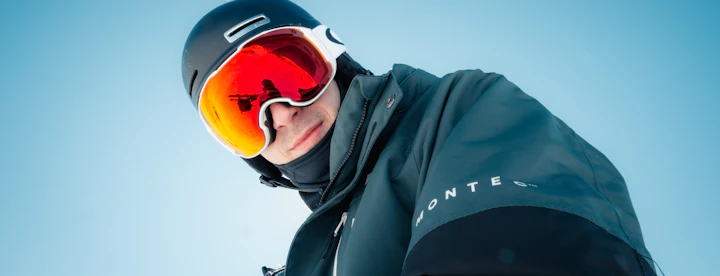
The best ski goggles men can start with are frames that fit comfortably under their existing helmet, seal across the cheeks, and leave enough room at the temples. Try a large-labeled frame and an alternative shape if you need extra room. Choose an OTG model when wearing glasses, then pick the lens for your conditions.
Which men’s ski goggle frames belong on the shortlist?
| Catalog model | Start here if | What to resolve first | Tier |
|---|---|---|---|
| Oakley Flight Deck L | You want one large-labeled candidate for the helmet trial | The rim clears your helmet and the frame contacts your cheeks evenly | Premium |
| Oakley Line Miner L | You want a second large-labeled shape | Whether this shape sits better with your helmet than your first choice | Premium |
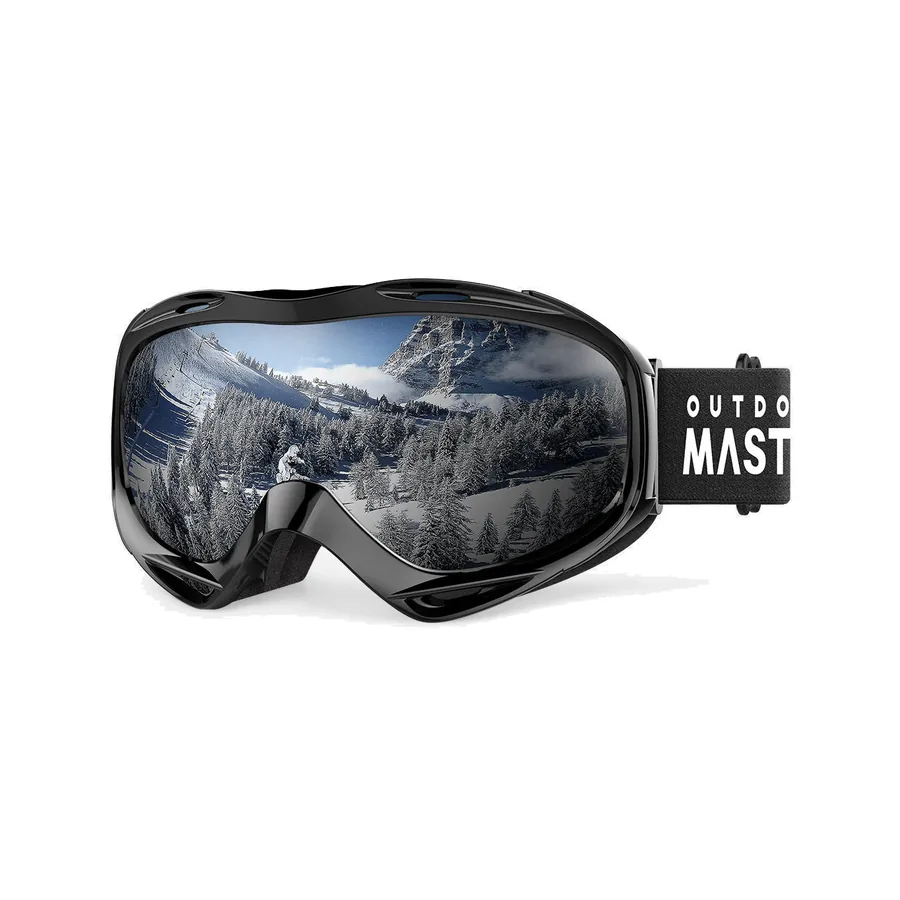
| OutdoorMaster OTG | You wear prescription glasses and want a budget starting point | The glasses arms have enough space inside the goggle | Budget |
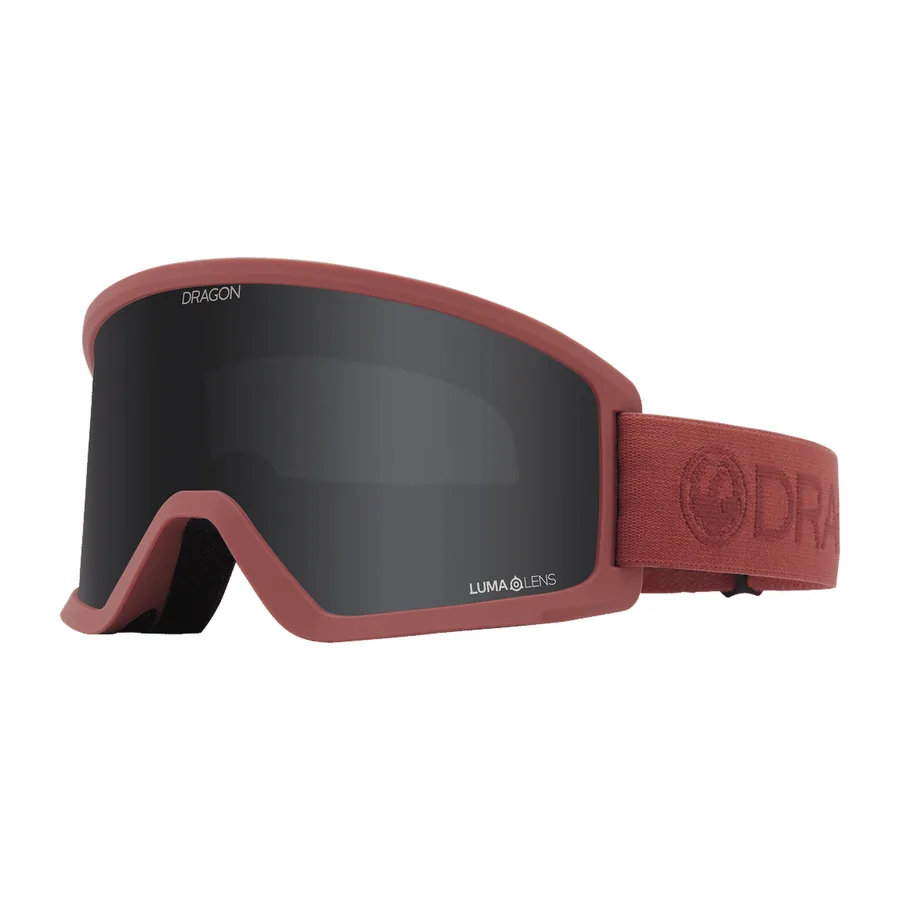
| Dragon DX3 OTG | You want a second OTG shape before choosing | The lens stays clear of your glasses while you look around | Premium |
| OutdoorMaster Ski Goggles PRO | You want a budget option for more than one light condition | The frame seals first, then the exact lens suits your usual skiing | Budget |
Use the snow goggle catalog to start with your biggest constraint rather than putting all five frames in the same trial. A large face can benefit from more width at the temples. A low nose bridge can need a different shape in the same overall size. A pair of glasses adds a space requirement inside the frame. Distinguish these problems before using a size label to solve them.
Does the larger frame actually fit better?
Put the first pair on without your helmet. Look forward and down. Notice where you feel contact around the nose and cheekbones. Then hold the frame just loosely enough to see if even contact is possible without extra strap tension. Pressure concentrated on your cheekbones or nose is a reason to try a different shape. A gap near one side of the nose is a shape issue even if both temples feel comfortable.
Put on your helmet as directed and add the goggles. Leave the helmet where it should sit and let the goggle frame find its position. Look down as if doing up a binding, then look to both sides. If the helmet pushes the goggles toward your nose, start with a lower-profile pairing or a different rim shape. Choose by your view in that setup rather than the advertised appearance of the lens.
When you have two candidates, keep the same helmet and do the same movement with each. Look at an object to one side without turning your head, then repeat with the other frame. This is an indoor comparison, not a measurement of field of view. It is useful for spotting a frame boundary that distracts you in one pair but not the other. If you also swap the helmet, repeat the old setup first so you can identify which change affected the result.
What if you need room at the temples for glasses?
Start with the OTG section and use the exact glasses you intend to wear. Write down the outer glasses dimensions if you are shopping online. For example, a frame 142 mm across and 46 mm high is about 5.6 inches wide by 1.8 inches high. A 150 mm by 52 mm frame adds 8 mm of width and 6 mm of height. These are illustration dimensions for glasses rather than maximum clearances for any of the goggles above.
Put the goggles over the glasses and then fasten your helmet. If the glasses arms get pressed into your temples or the eyewear slips when the goggles settle, move to another OTG cut. More room in one direction can help without requiring a taller frame overall. Try putting the goggles back on after taking them off, because both pieces need to sit comfortably again after breaks. Use the finished setup when deciding rather than the width alone.
Which lens choice suits your typical conditions?
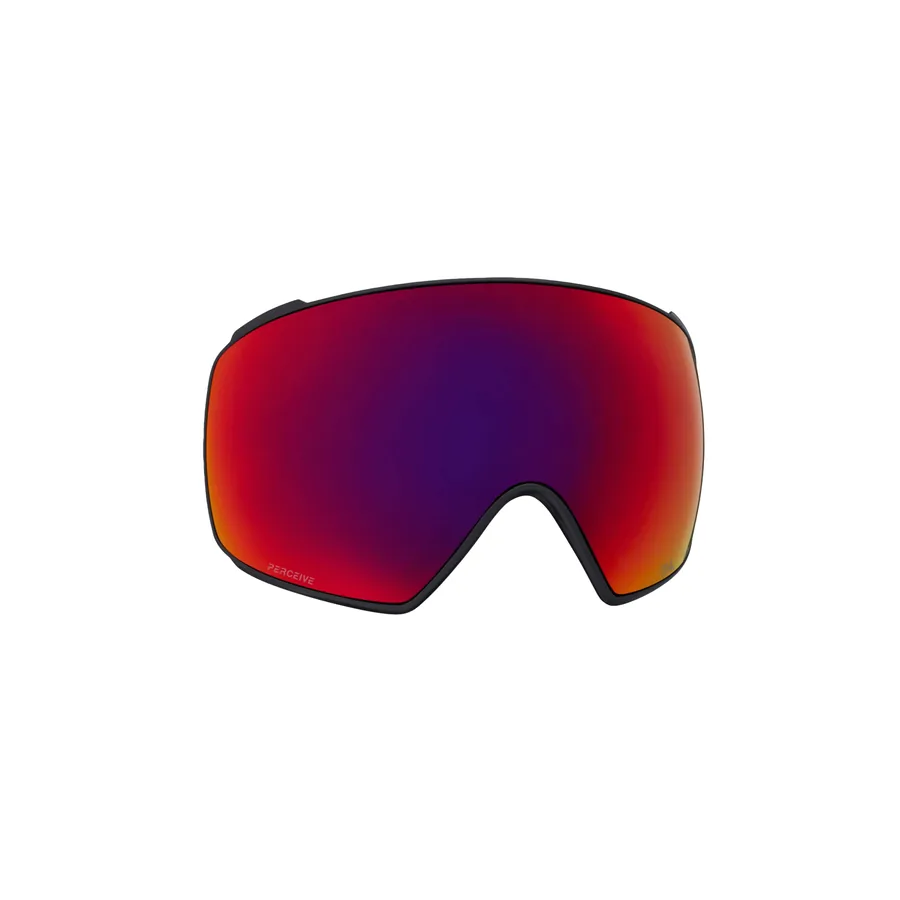
Use visible light transmission, or VLT, after you have solved the fit. Smith’s snow goggle guide describes several of its sun lenses at 9–16% VLT and everyday examples near 20%. Higher VLT transmits more visible light. A hypothetical 15% and 55% pairing creates a 40-percentage-point difference, while a 15% and 20% pairing creates a 5-point difference. The larger separation makes more sense when you want two clearly different conditions covered.
Shop the interchangeable selection only after you know which frame and exact lens size you need. If you normally leave one lens mounted throughout the day, a photochromic option is another route. Read its exact range rather than assuming all light-responsive lenses reach the same tint. If you regularly ski after dark, use a lens intended for that condition as a separate requirement on the shortlist.
What should you save after a successful try-on?
Record the frame name and size, helmet, whether you wore glasses, and the exact lens supplied. Add one sentence about where the frame sat: for example, the lower rim rested across the cheeks without pressure, or the helmet did not push it onto the nose. If you order a replacement later, use those notes to reproduce the configuration. Then put the new pair on with the same helmet and eyewear before using it outdoors. This avoids choosing a nominally similar frame that changes a fit you already liked.
When should you try a smaller frame even if the wide one seals?
Use the smaller candidate if the wide frame contacts the helmet at the upper edge or hits your cheekbones when you move your jaw. Put both on with the same helmet, then keep the one that sits in place without requiring you to raise the helmet or pull the goggle strap much tighter. This can be a better comparison than judging only the rim width. A frame that occupies more of your face can still leave less usable room once the rest of your winter gear is on.