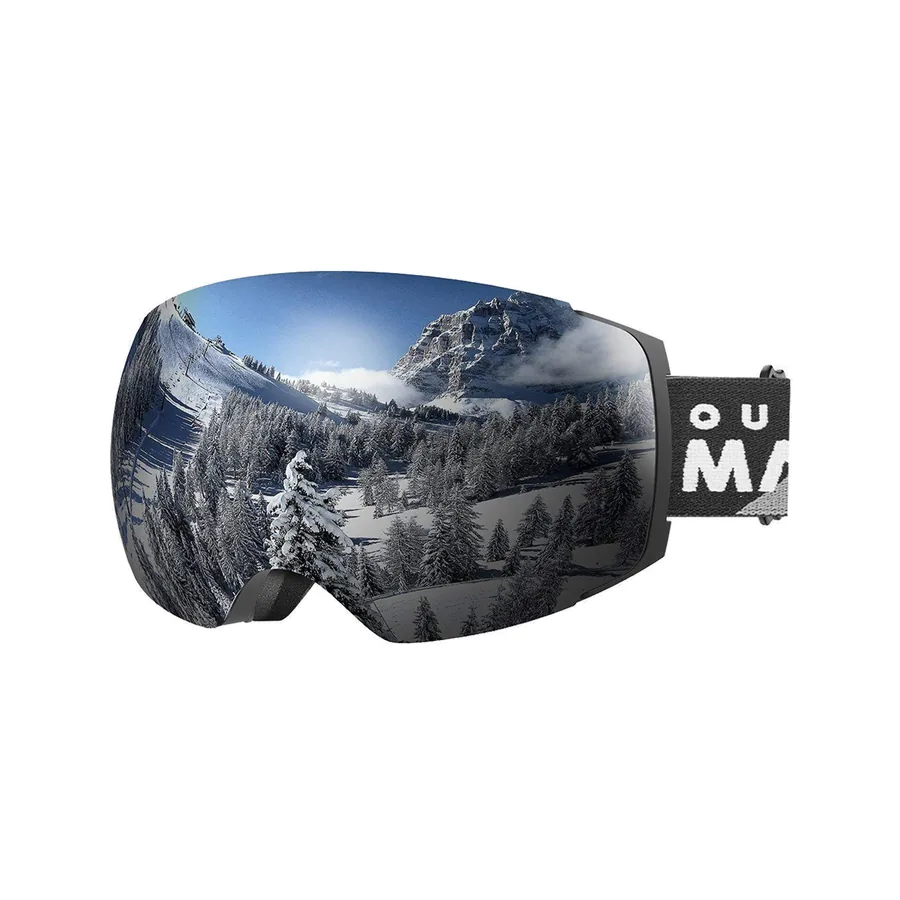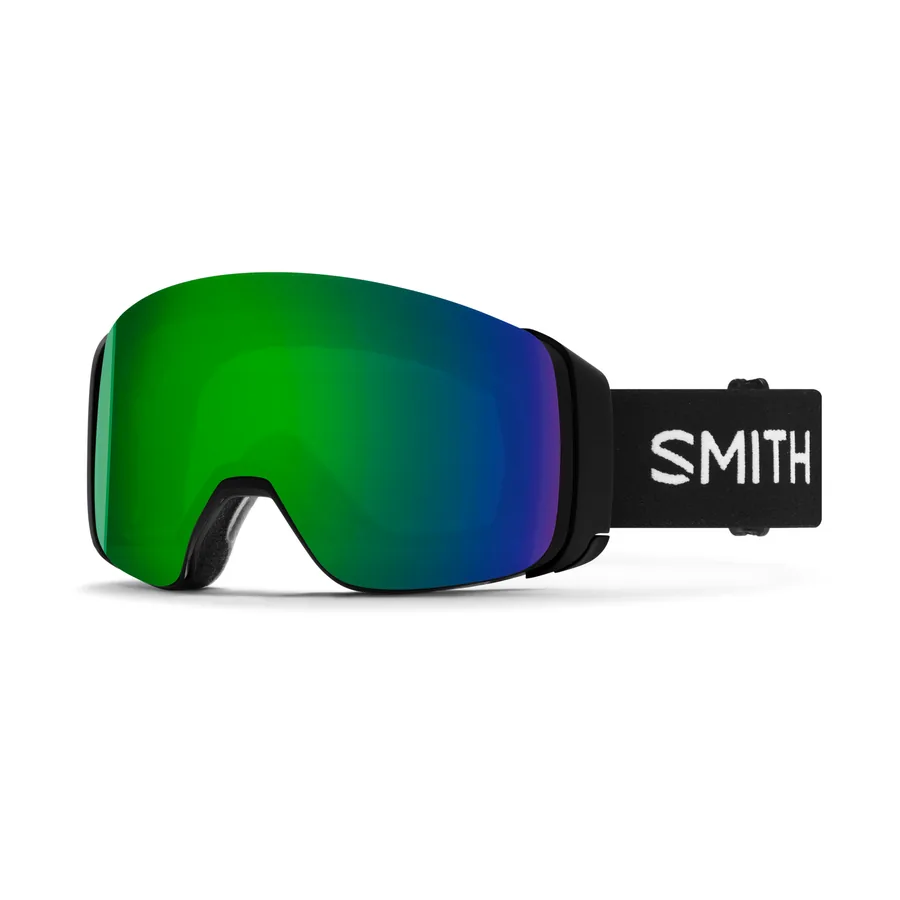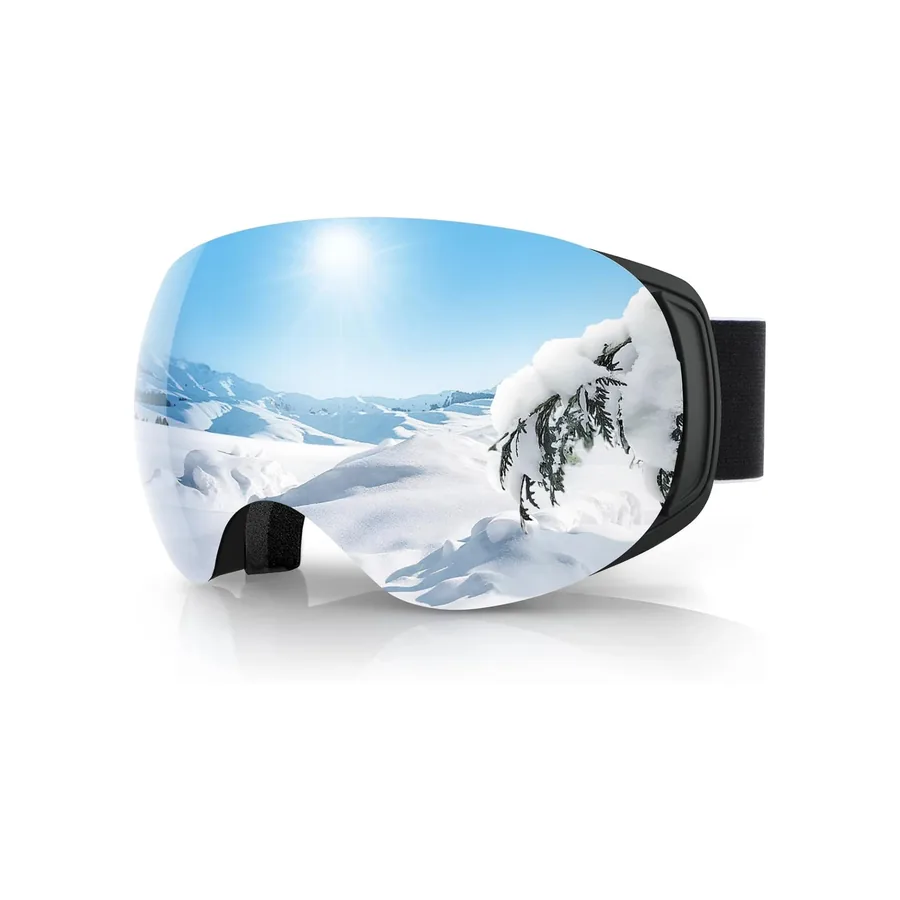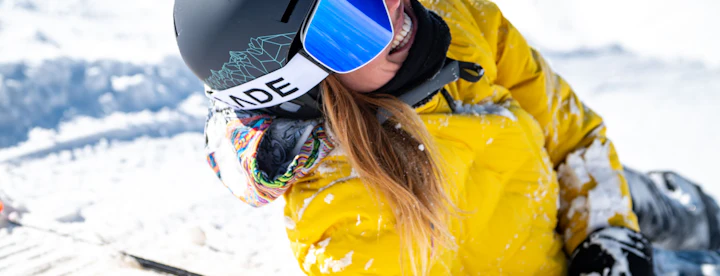
Do you need goggles for skiing? Bring them for a normal resort day, especially if wind, falling snow, cold air or changing light is likely. Goggles give you more coverage around the eyes than ordinary sunglasses. Use the lens intended for the light you expect and follow any equipment rules set by your lesson or resort.
When do goggles make the biggest difference?
| Situation | Starting choice | Why |
|---|---|---|
| Snowfall or blowing snow | Goggles with a lens meant for the available light | The frame gives coverage around the eyes when snow blows past. |
| Windy or cold lifts | Goggles | The frame covers areas around the eye that are exposed with ordinary glasses. |
| Clear, calm weather | Start with suitable goggles; follow any local rules if choosing sunglasses | Open slopes and changing weather can make your needs different later in the day. |
| Flat light or overcast | Goggles with a lens intended for lower light | A higher-transmission lens lets more visible light through than a dark sun lens. |
| Night session under lights | Goggles with a lens intended for night use | A typical dark sun lens is the wrong starting point for low available light. |
If you only have one pair for a trip, select it for the conditions you expect most often. Pack goggles even if the sky is clear at breakfast. A change in wind or visibility is enough to make a different choice on the mountain. If a lesson or club has its own equipment policy, use that requirement for the group rather than guessing from what other people wear.
How are goggles different from sunglasses on snow?
Sunglasses and goggles can both be sold with lenses for bright days, but the frame shape and coverage differ. Goggles typically have foam that rests around the eye area and a strap that holds them against the face. A regular sunglass leaves more open space around the sides. On a slow, calm outing that may feel fine. At a windy lift or on a snowy run, the extra coverage from goggles can matter even when the light level is not especially high.
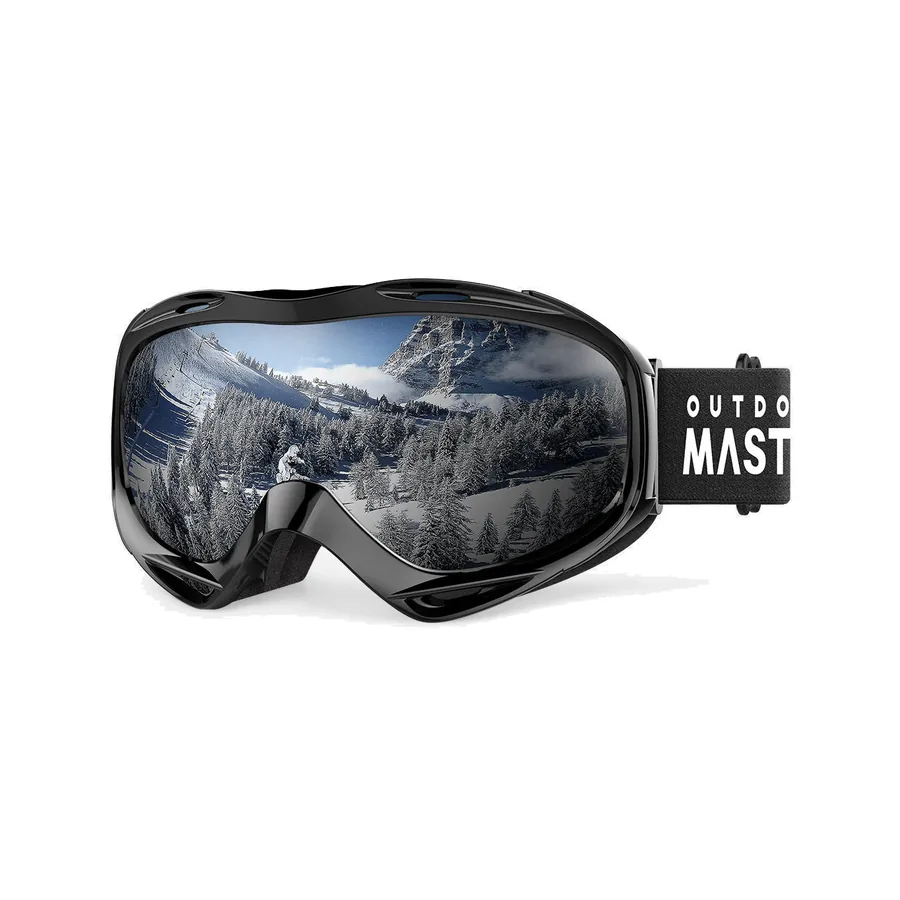
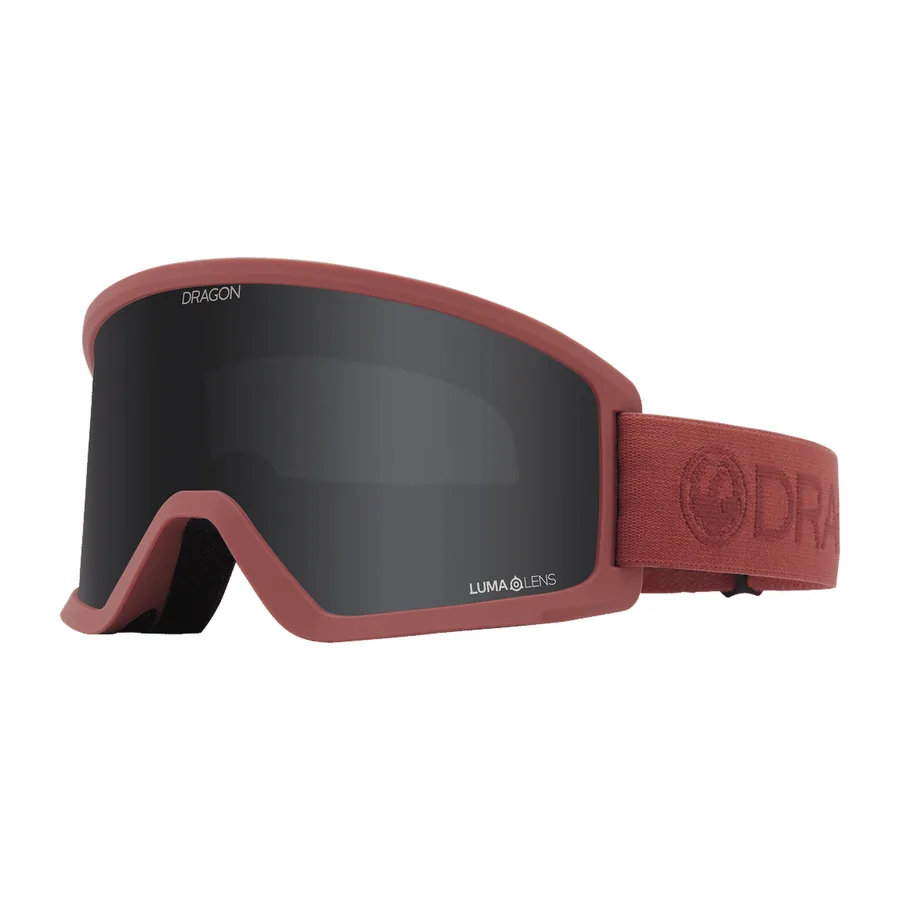
If you choose sunglasses for some conditions, bring goggles as a backup and change in a safe stationary spot before visibility becomes difficult. Ordinary glasses used for vision correction are not the same as a goggle. If you need them to see, use an OTG goggle such as OutdoorMaster OTG or Dragon DX3 OTG and try it with your actual eyewear. An OTG label gives you a place to start. It does not guarantee room for every frame.
What lens should you take on a first ski day?
Use visible light transmission, called VLT, to narrow the selection. Higher VLT passes more visible light. Smith’s snow goggle guide shows examples of sun lenses at 9–16% VLT and some everyday lenses around 20%. Its Everyday Red Mirror specification gives one exact example at 25%. Read the intended use alongside the VLT for the lens you buy.
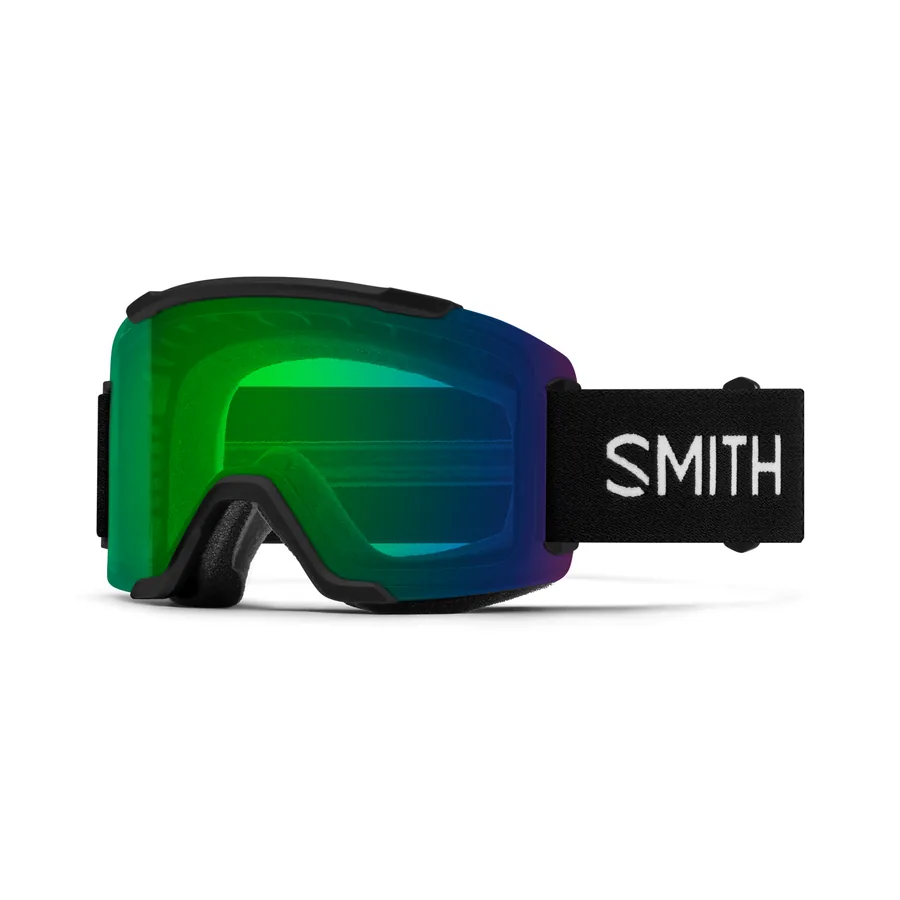
For illustration, a 15% lens and a 55% lens differ by 40 percentage points. A 15% lens and a 20% lens differ by 5 points. These examples describe visible transmission, not universal thresholds for skiing. Use a lens intended for bright slopes if that is your expected weather. Use one marketed for overcast or very low light when you know you will be in those conditions. If you usually ride in two clearly different kinds of weather, start with the interchangeable lens selection. SMITH Squad Goggles with ChromaPop and Oakley Line Miner L are examples of frames in that category. Look at the included lens names rather than assuming a bundle contains the combination you need.
How do you make the goggles work with your helmet?
Fit your snow helmet on its own first. Then put the goggles in their intended position and look straight ahead, down and to each side. The frame should meet your face without the helmet pushing it down. If the goggles shift when the helmet is added, try a pair that fits beneath the helmet’s edge instead of repositioning the helmet improperly.
Wear your scarf or collar the way you plan to use it outdoors. Bring both pieces to a mirror and identify where there are uncomfortable gaps or pressure. With prescription glasses, look for clear room between your glasses and the goggles and no pressure from the glasses arms. If a frame feels crowded before you even put on your helmet, pick a different goggle rather than hoping it will stretch into shape during a trip.
What should you put in your bag if weather changes?
Pack the pair you fitted at home, a suitable case or sleeve, and a spare lens only if you expect it to serve a different condition. Keep its exact lens name and intended light situation with your gear notes. A change from a sunny run to a snowy afternoon is much easier to handle when you know which lens is in the case. When you stop to change it, use a safe stationary place and follow the frame maker’s handling instructions.
For the first outing, note when visibility felt worse and what the weather was doing. That can tell you whether a second lens would help on the next trip. If the issue was uncomfortable pressure or goggles shifting under the helmet, solve fit first rather than buying another tint. Keep the gear that works and make one change at a time.
What if weather is uncertain when you leave?
Use the more demanding likely condition to prepare the bag, then choose at the base before heading up. For example, if the forecast starts bright but calls for a cloudy afternoon, bring the suitable spare lens even if you begin with the sun lens installed. If temperatures or wind change and your goggles interfere with other layers, stop and adjust the layers first. Do not continue with an obstructed view because you expect the light or wind to improve on the next run. Take a break to fit a better setup or wait for better conditions.