For women choosing ski goggles, start with a frame that seals across your cheeks and nose without blocking breathing or shifting under your helmet. Use a women’s or unisex option as long as it fits your face. If you wear prescription glasses, make that part of the fitting from the first try-on.
Which are the best ski goggles women should shortlist by fit?
| Catalog model | Start with it if | What should feel right | Catalog tier |
|---|---|---|---|
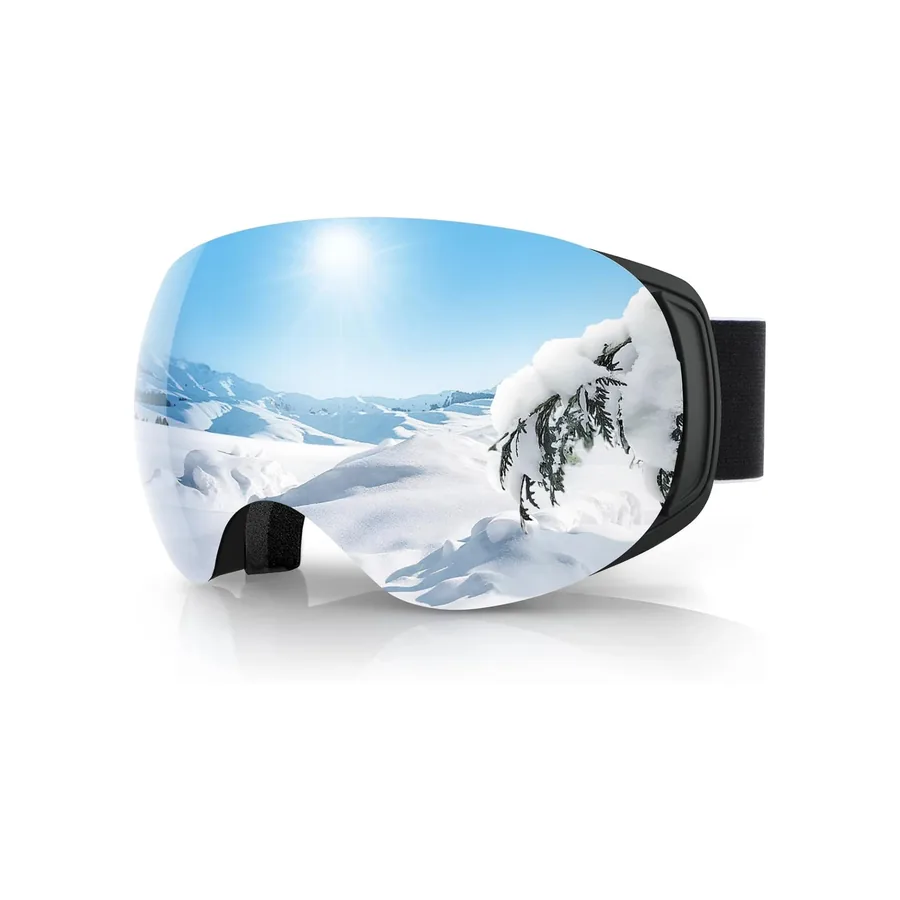
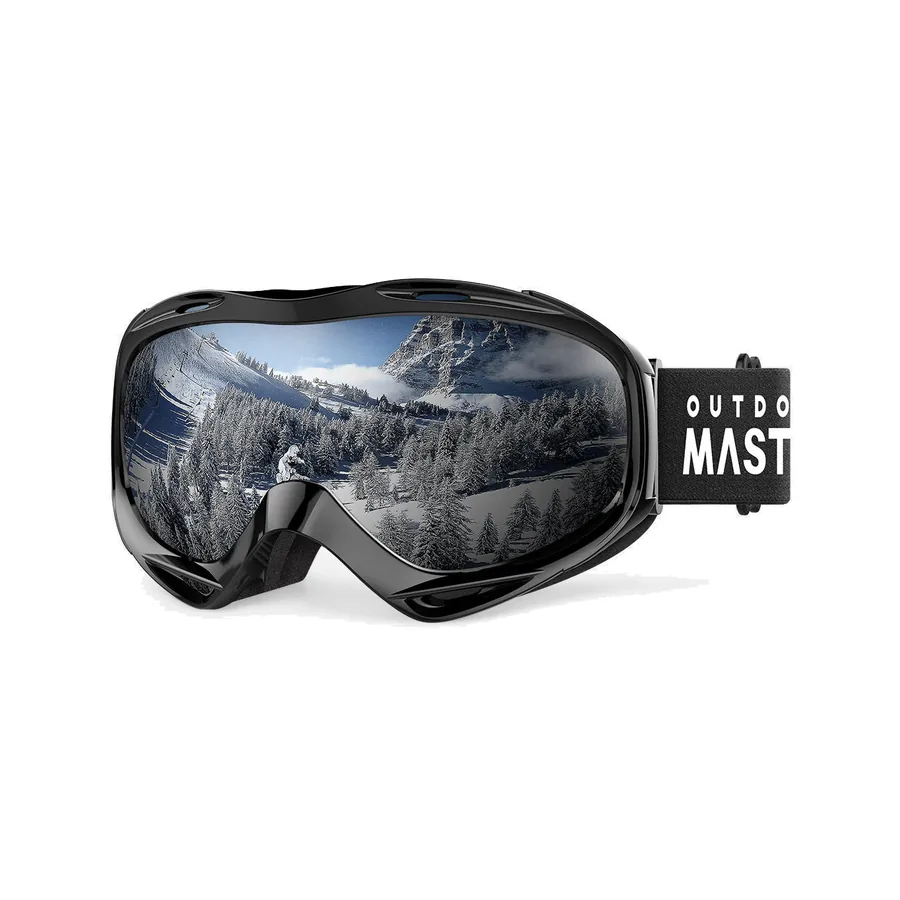
| findway Ski Goggles OTG for Women | You want a women’s catalog option for more than one lighting condition | The bridge and cheeks make even contact on your face | Budget |
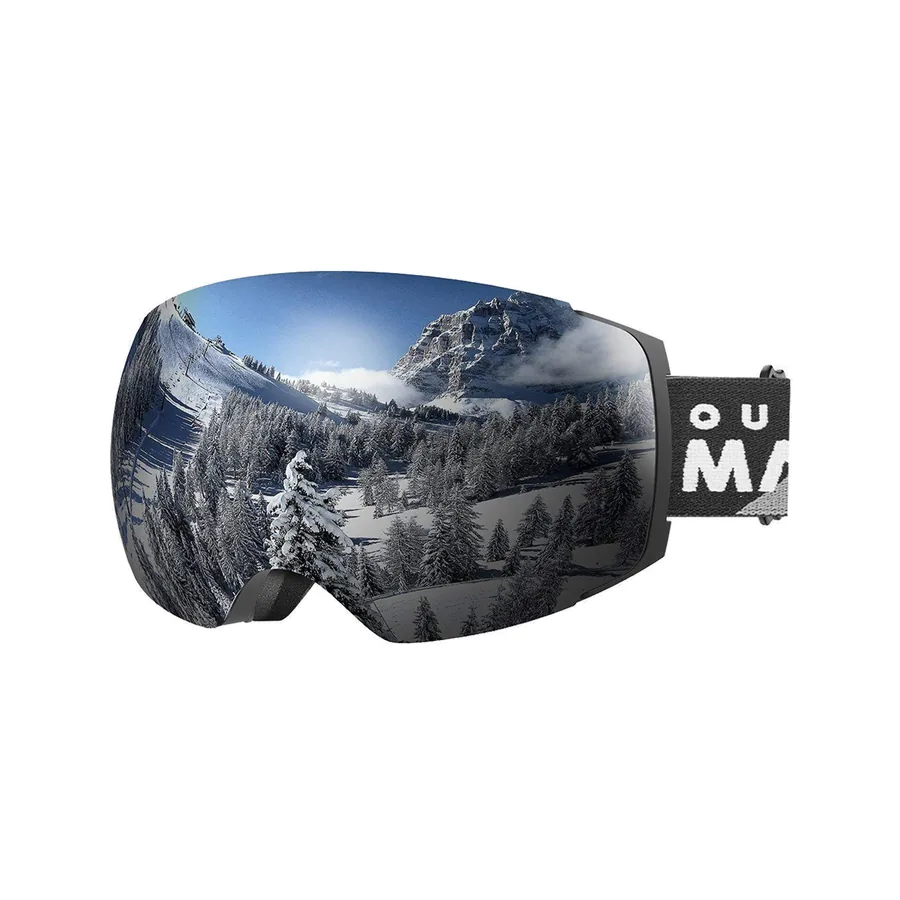
| OutdoorMaster OTG | You wear glasses and want a budget OTG frame to try | The eyeglass arms remain comfortable at your temples | Budget |
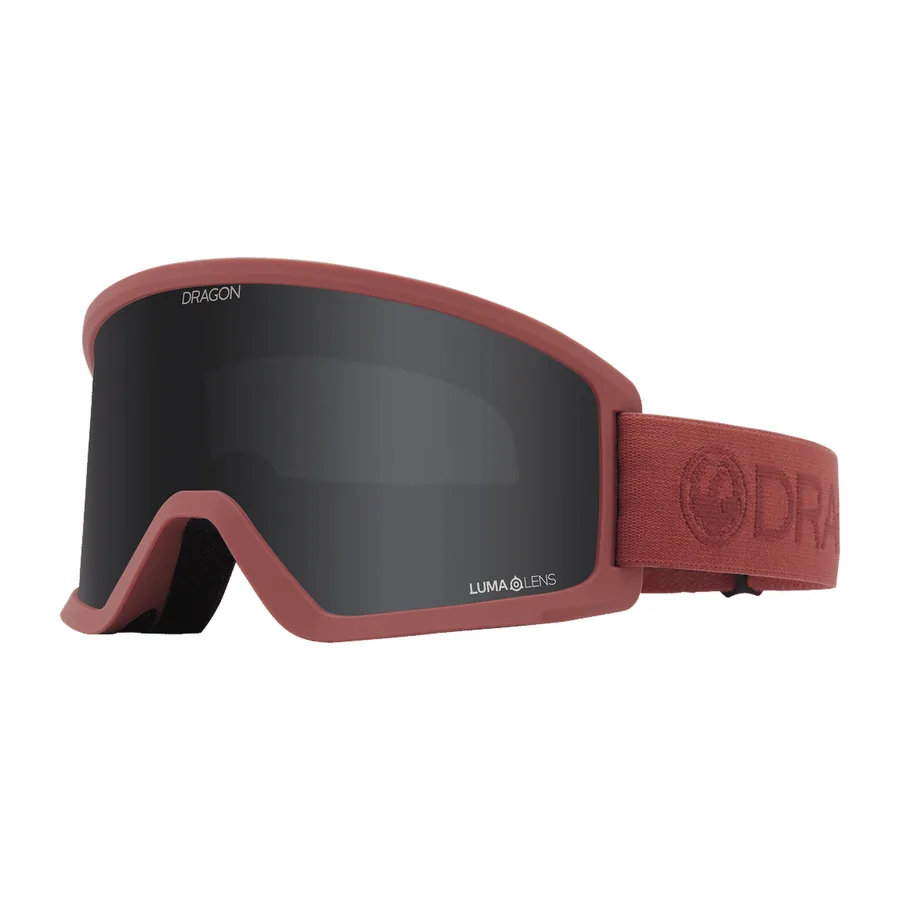
| Dragon DX3 OTG | You want a second OTG shape in your fitting trial | Your frames stay in place without touching the goggle lens | Premium |
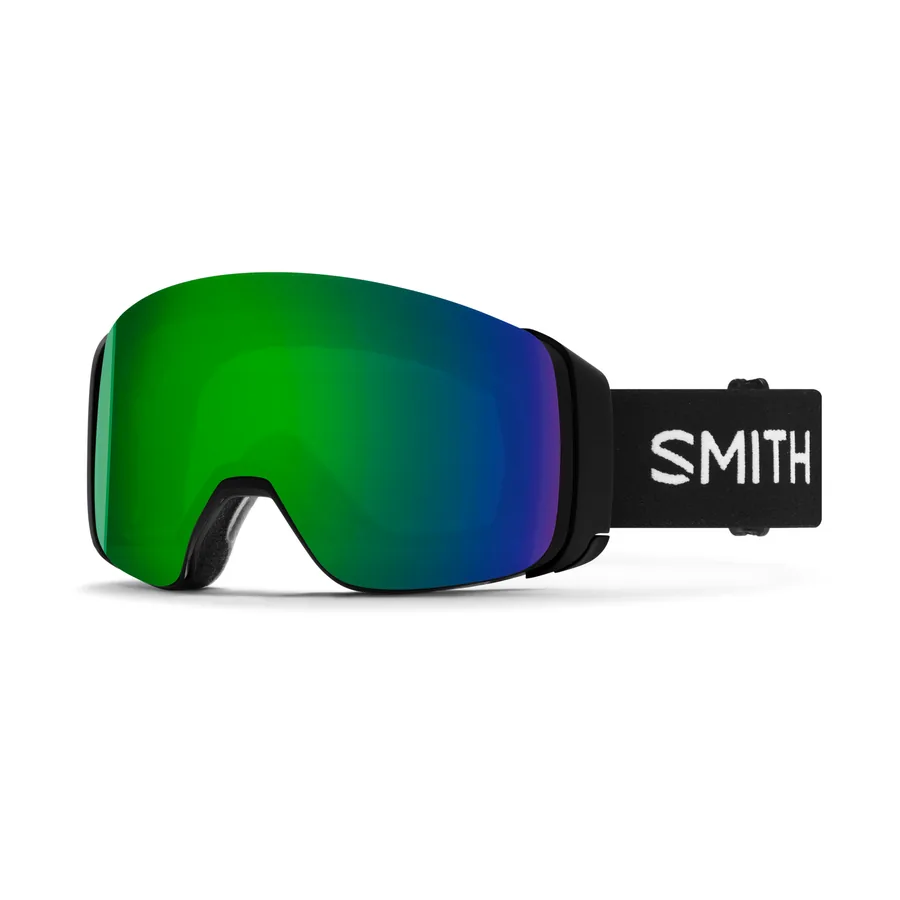
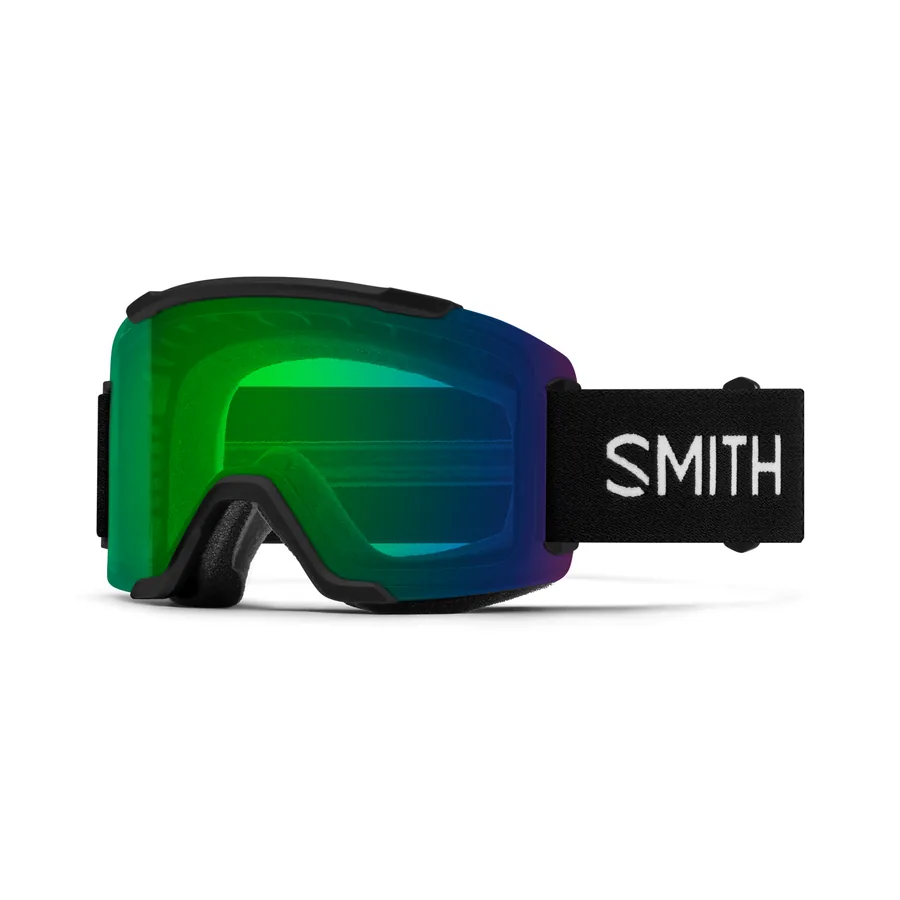
| SMITH Squad Goggles with ChromaPop | You want to explore a spare-lens setup | The frame stays in place with your helmet fastened normally | Premium |
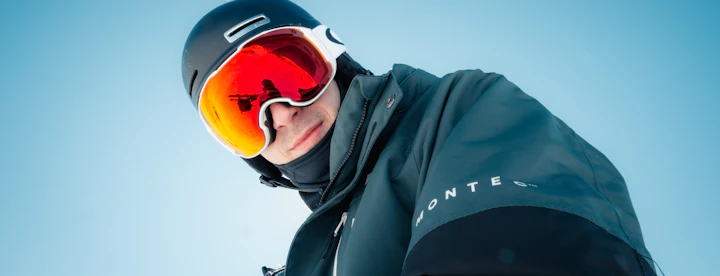
| Oakley Line Miner L | You want a larger-labeled candidate in the trial | The outer frame fits your cheekbones and helmet together | Premium |
The categories describe useful starting points. They cannot tell you how far a particular frame will sit from your eyes. Start with whichever addresses your real constraint: glasses, nose bridge, helmet rim or frame size. Then compare it with a second frame under the same conditions. The snow goggle selection is a place to start, and the OTG options narrow the trial if you need room for glasses.
How do you distinguish a bridge gap from a helmet mismatch?
Put on the goggles without a helmet. Set the strap where it holds the frame in position without pulling it tightly into your face. Breathe normally and move your jaw. If the foam gaps at the sides of the nose, move to a different bridge profile. If the cheeks feel compressed while the nose still has a gap, tightening the strap is unlikely to reshape the entire frame. Look for even contact instead.
Now add your helmet and seat it as directed. Keep the goggles positioned on your face and see whether the helmet front displaces them. A frame that feels fine on its own but moves down when the helmet goes on suggests a pairing problem. Start with a frame whose top edge leaves the helmet in its intended position. If pressure was present before the helmet went on, change the frame shape rather than blaming the helmet.
Do one final look wearing the collar or face covering you use outside. Make sure your view and breathing feel normal when looking down. If cloth wedges between the foam and your skin, reconfigure the layers instead of tightening the strap over the problem. Try the arrangement again with the helmet fastened as directed, rather than using a different helmet position to make room.
How much room do you need for prescription glasses?
Use the glasses you plan to wear. For online shopping, write down the outer frame width and height as reference measurements. Example geometry: a frame that measures 138 mm wide and 43 mm high is approximately 5.4 inches by 1.7 inches. Another pair at 145 mm by 48 mm adds 7 mm width and 5 mm height. Those are illustrative dimensions rather than goggle clearances. Frame shape, arm position and how far the lenses project still matter, even when the width looks promising.
Put the goggles on over the glasses and move your head slowly from side to side. If the temples press or the eyeglass bridge shifts down, try a roomier shape. If the front of the glasses touches the goggle lens, put that candidate aside rather than waiting for it to settle. Try both pieces with the helmet on, because the space under the rim can change the fit. Keep the exact eyeglass frame with you during the indoor trial even if you know your prescription.
Which lens numbers are useful once the frame fits?
Use visible light transmission, or VLT, to select lenses by your most common conditions. Higher VLT transmits more visible light. Smith’s goggle guide describes several sun lenses at 9–16% VLT and some everyday lenses around 20%. A 12% lens and a 55% lens, as an illustration, differ by 43 percentage points. By contrast, a 12% and a 15% lens differ by 3 points and are much closer together in transmission. These examples are not claims about the lenses included in any frame above.
If you want separate lenses for distinct conditions, use the interchangeable lens category and identify the exact spare lens made for that frame before buying. If you do not want to change lenses outside, compare the known tint range of a photochromic option with where you ski. Neither approach fixes a gap at the nose or interference with glasses. Solve the fit first so you can keep the same frame while refining the lens kit.
Before ordering, save the frame model, your helmet and whether the combination fit without shifting. Add the included lens names and VLT values so you can buy a genuinely different spare rather than remembering only a color. That small record is useful when a similar model name appears in multiple sizes.
What should you do if two frames both seal comfortably?
Keep the helmet and glasses constant for one more round. Put each frame on and look toward the floor and to either side, then take it off and put it back on the way you would after a break. A comfortable fit that is easy to reproduce is more useful than one that only works when you place the strap very precisely. Note which frame seats more easily around the bridge without needing extra tension. If both still feel good, choose the one whose included lens suits your usual light, or whose compatible spare covers the clearest gap in your setup. That gives you a reason to choose based on the conditions you actually ride rather than choosing a larger frame simply because its lens looks bigger in a photo.