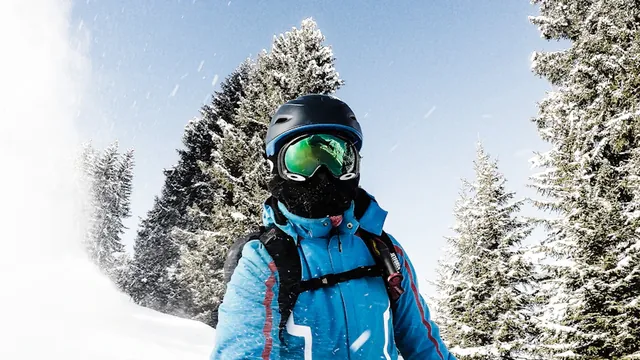
Skip a cotton base layer for cold skiing when you expect to sweat or get snow inside your clothing. Cotton can hold moisture against your skin, which is a poor match for exposed stops. Choose a fitted synthetic or merino layer for skiing, and keep a dry cotton shirt for the lodge or trip home.
Why can a cotton base layer feel cold?
Clothes do not have to look soaked to cause discomfort. Cotton absorbs water and can hold it after your effort drops. While you are moving, your body produces heat and the damp shirt may seem acceptable. When you sit on a chair or wait for a lift to reopen, the same shirt can feel cold against your skin. A shell can block wind, but it does not make the shirt underneath dry.
For example, suppose you walk uphill for 15 minutes, ski a 10-minute run and sit still for 8 minutes. That is 25 minutes moving followed by a stop. If you begin the lift with damp fabric at your back, adding another sweater over it may help for the moment but does not remove the moisture next to your skin. Build the kit around a base that stays manageable and an insulating layer you can remove before you sweat heavily.
When is cotton still the practical choice?
| Part of the day | Example | Better job for cotton |
|---|---|---|
| Travel to the resort | A 30-minute drive with the car warm | A dry shirt is fine while you are indoors or seated in the car. Change before putting on the full snow kit. |
| Skiing and waiting outdoors | 2 sessions with exposed lift rides | Use a non-cotton skin-contact layer and carry a dry replacement if you can. |
| Indoor lunch | A 20-minute break in the lodge | If the base is damp, change in shelter before your next session. |
| After skiing | Boots off and a dry layer in your bag | Change into the dry cotton shirt for comfort on the way home. |
The minutes describe a sample day, not safe exposure limits. Wind, snow and exertion change the picture. Cotton does not become unsuitable because it is uncomfortable in all conditions; the issue is depending on it to manage moisture when you cannot easily warm up or change.
What should you wear in its place?
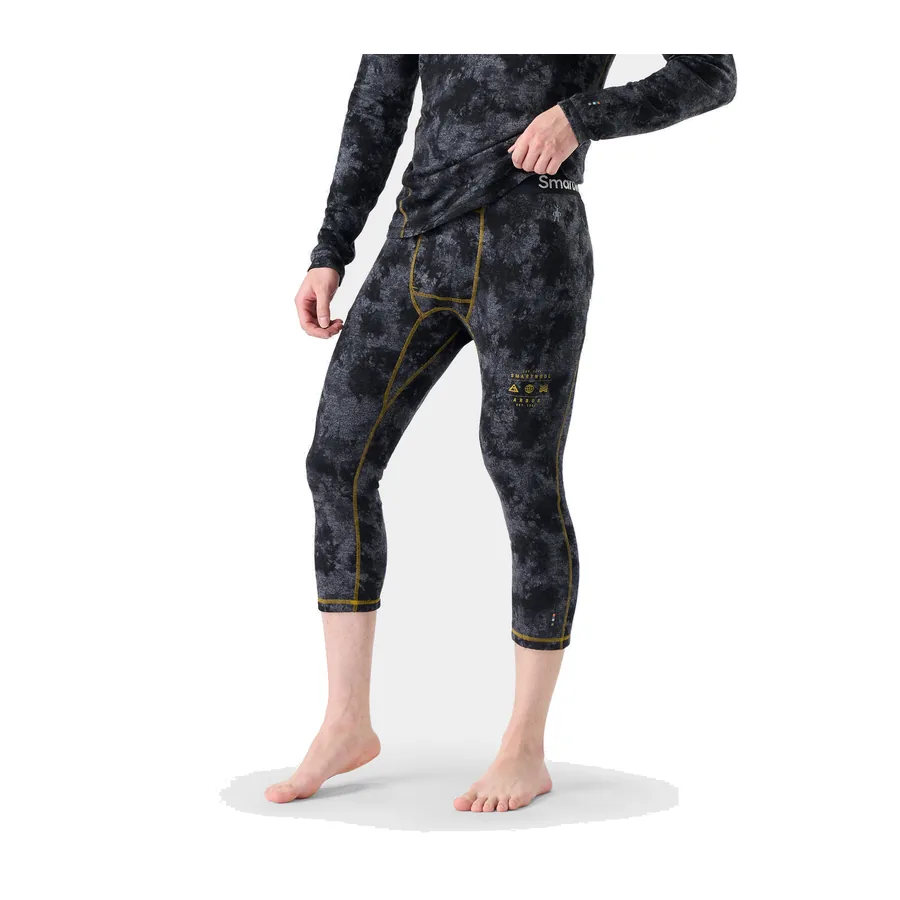
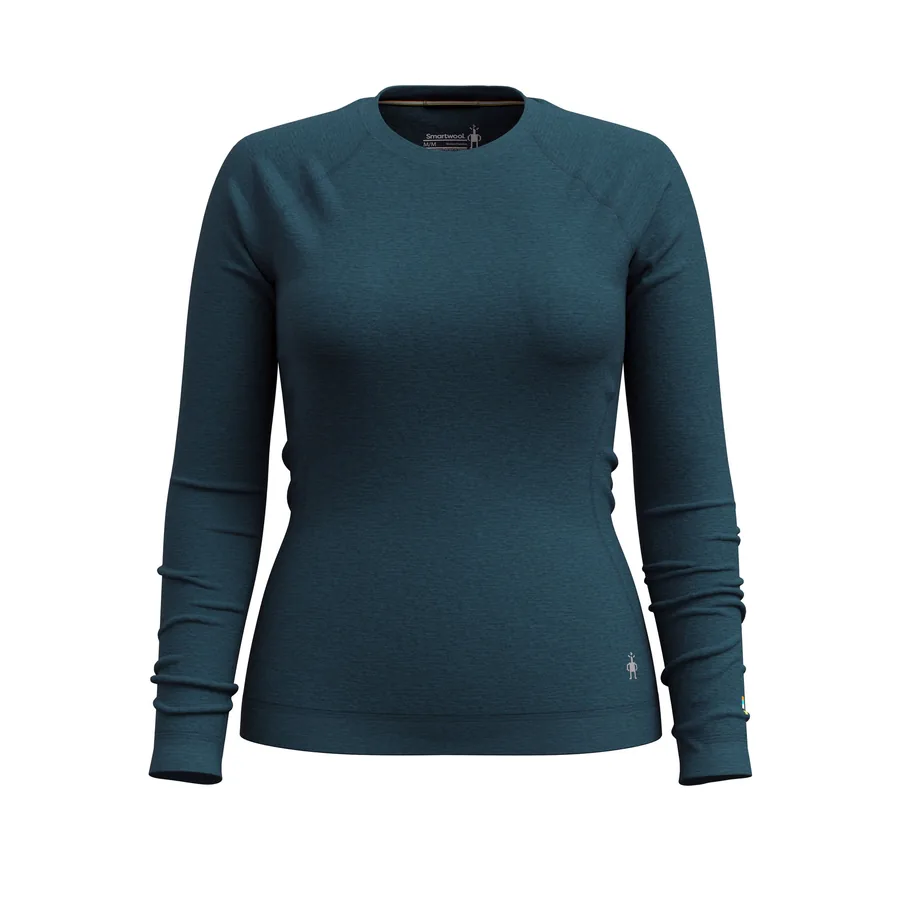
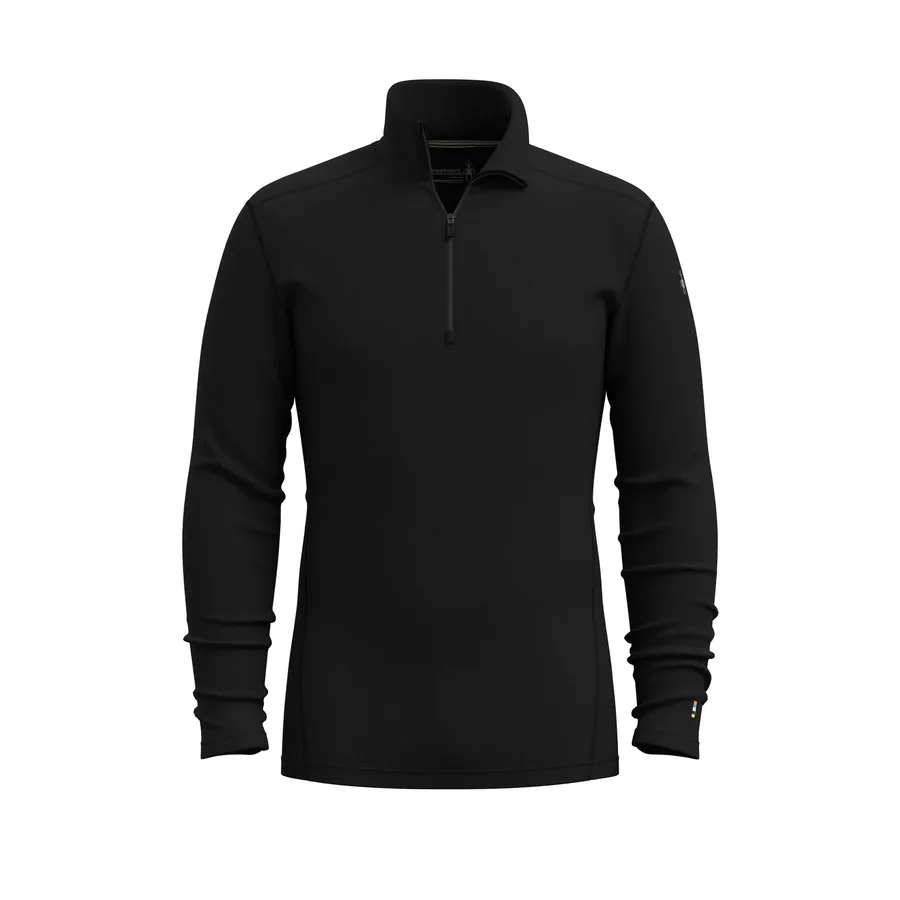
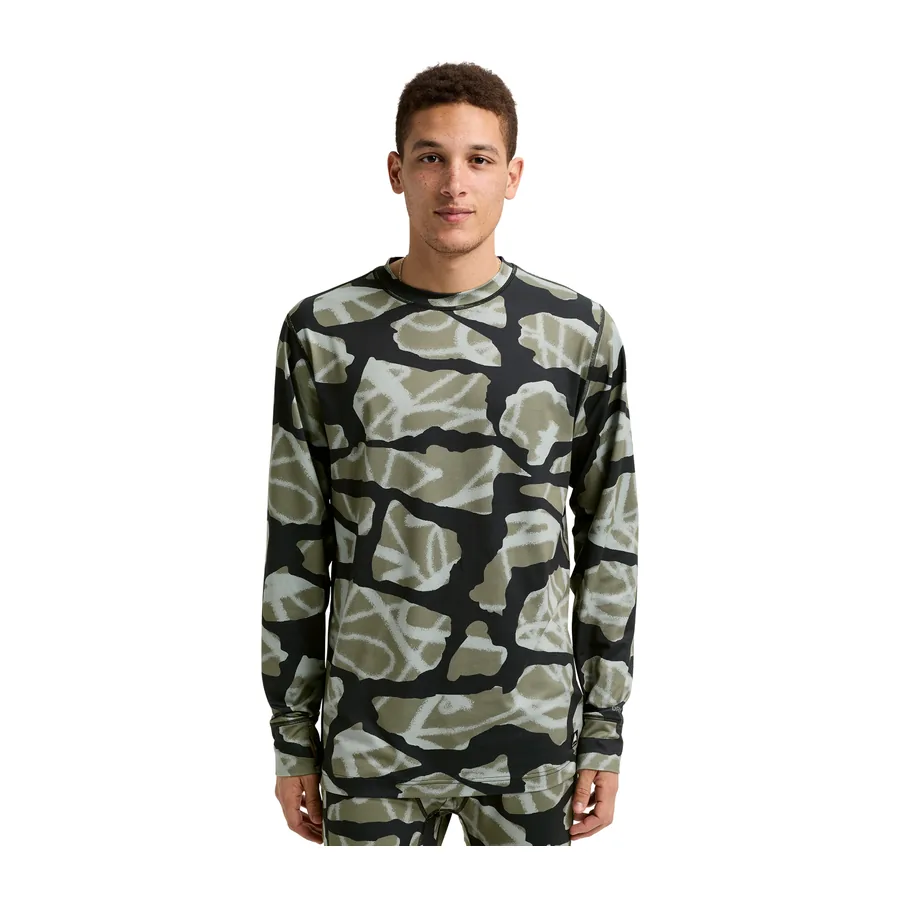
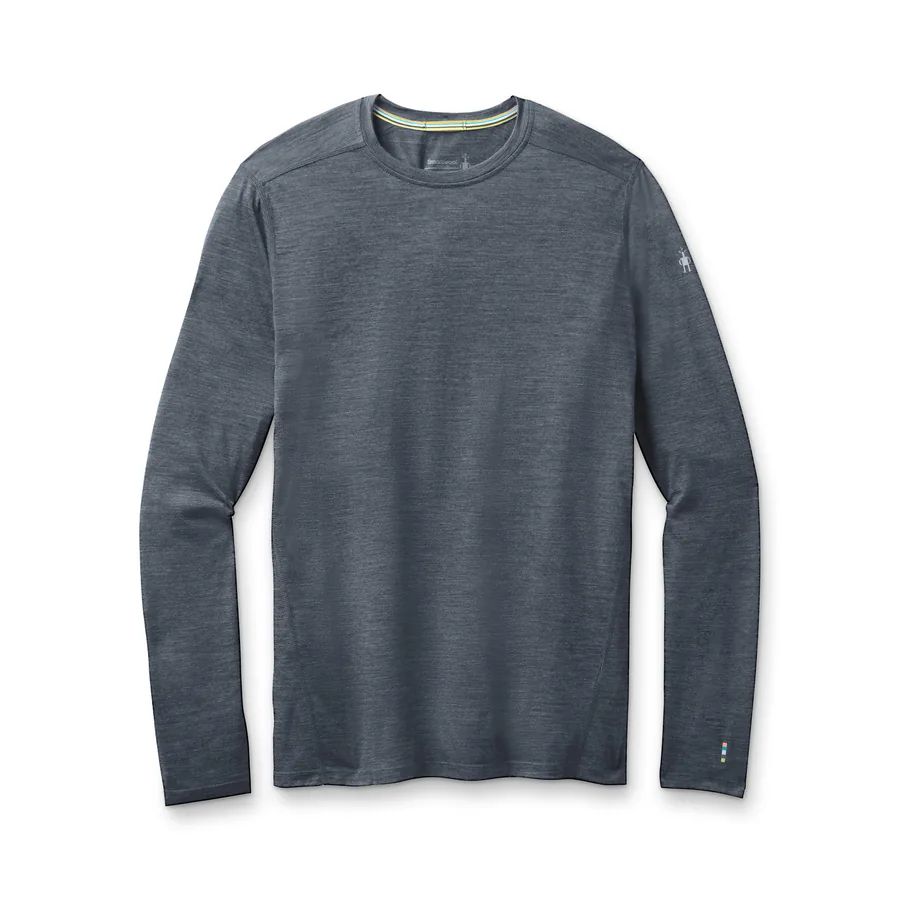
Start with 1 fitted synthetic or merino top from the ski base layers catalog and add 1 removable insulating piece if you need more warmth. The Burton Midweight Base Layer Crew is a crew candidate in the catalog; the Smartwool Classic All-Season Merino Long Sleeve is another long-sleeve option. Neither will do the job of a closed ski jacket in wind. Choose the top that moves under your own shell and lets the rest of the kit work.
For a full top-and-bottom outfit, the ski base layer guide explains how to choose weights without matching the top and bottom automatically. A 150 g/m² fabric has 100 g/m² less mass per area than a 250 g/m² fabric, but this difference is not a thermal rating. The heavier shirt can still be a worse choice for a warm, active session if you repeatedly soak it before the first long stop. If you choose between two candidates, wear both under the same outer pieces and keep the one that keeps you comfortable without adding bulk you will remove later.
What should you do if your base is already damp?
Get to a sheltered place where you can change safely. Put on 1 dry base and restore the wind layer before heading back out. If you have no dry replacement, shorten the outing or stay indoors until you can warm up and change. Do not judge the plan by the previous chair ride if the weather is turning or you will have a longer wait on the next lift.
Pack the spare in a separate bag before leaving so that it stays dry and is easy to find. For a 2-session day, keep at least 1 spare dry top where you can reach it at lunch. Put the damp top somewhere separate after changing. If the problem was excessive warmth during movement, open your shell vents sooner on the next run or remove the middle layer before repeating the same mistake.
At the foot, run the same idea without adding bulk: one fitted pair from the ski sock catalog is the starting point, and a dry spare stays in the bag. If your socks are damp and you need to swap, replace them rather than putting a dry pair over them. Change the specific wet piece and keep the other choices consistent so you can tell which part of the setup helped.
How do you avoid needing the spare before lunch?
Set the shell and middle layer for the first real activity of the day. If you have a 10-minute walk, use the vents or pack the removable insulation before you start warming up. Put it on during a safe stop if you cool quickly. Try this routine in familiar terrain where you have an easy indoor fallback. If your back is damp at the first rest despite light clothing, note how early it began and reduce insulation earlier on the next run.
Use the same stop to decide what to do with the afternoon rather than automatically switching fabrics again. A dry base that is still comfortable can stay on while you change the middle piece. If you change into a dry top at lunch, keep the damp shirt isolated from gloves and the rest of your bag. Save a cotton shirt for the trip home so it is dry when you actually want it.
For a simple gear-bag routine, label a dry pouch and put the replacement there the night before. Keep cotton travel clothes in a separate compartment. At lunch, you then have a clear choice between the layer meant for the next run and the shirt you saved for the drive. That separation costs little and avoids opening the bag to find that both options are already damp.